
According to the American Veterinary Medical Association, canine liver and gallbladder disorders represent a significant portion of internal medicine caseloads in older dogs. Witnessing a dog struggle with digestive upset can leave any caregiver feeling helpless and overwhelmed. Veterinary medicine continues to evolve, yet chronic organ conditions demand careful evaluation. When a veterinarian mentions a buildup of abnormal mucus within the biliary system, panic often sets in. Caregivers naturally scramble to find answers, weighing prescription drugs against holistic alternatives. Understanding how medical therapy and supportive care interact is essential for protecting long-term canine wellness.
💡 Pet Care Key Takeaways:
- Core Focus: Practical health, nutrition, and wellness guidelines for Gallbladder Mucocele In Dogs Medication Or Natural Remedies.
- Target Scope: Pet owners, animal caregivers, and veterinary support staff.
- Best Recommendation: Maintain consistent daily routines and consult an accredited veterinarian before introducing major diet or medical changes.
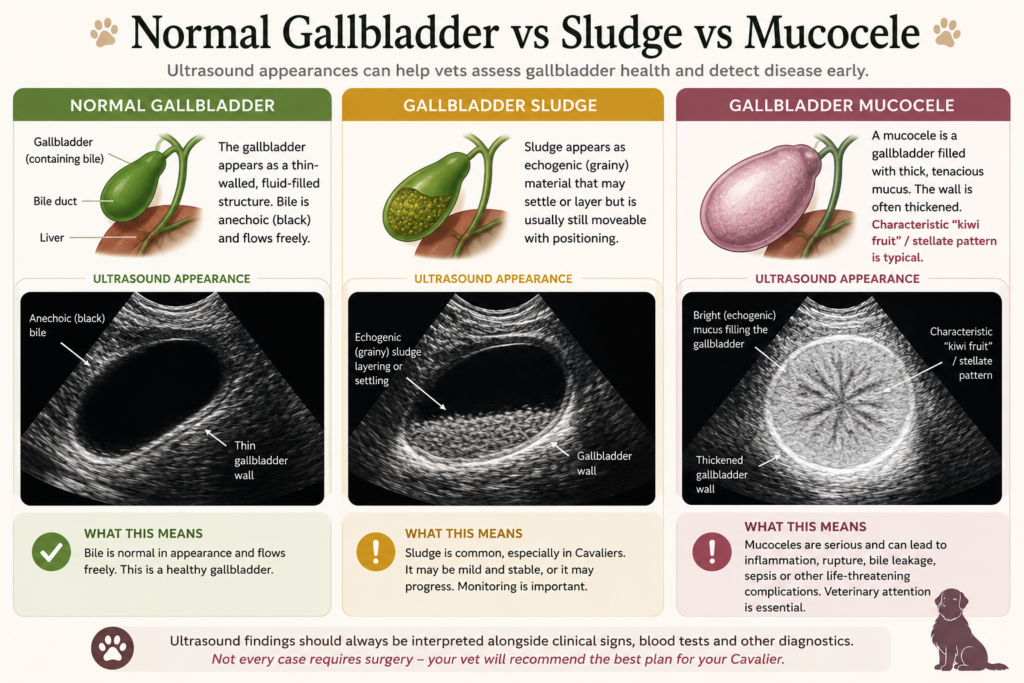
A gallbladder mucocele is a pathological condition characterized by the abnormal accumulation of thick, jelly-like mucus within the gallbladder lumen.
The gallbladder is a small, pear-shaped organ responsible for storing and concentrating bile, a fluid produced by the liver that aids in fat digestion. When this organ becomes dysfunctional, the normal fluid transforms into a semisolid sludge that distends the walls and potentially obstructs the bile ducts. This condition frequently develops secondary to endocrine disorders like hyperadrenocorticism, commonly known as Cushing’s disease, or primary lipid metabolism imbalances. Canine hepatobiliary disease requires precise diagnostic imaging, such as an abdominal ultrasound, to visualize the characteristic kiwi-like pattern of congealed bile. Over time, untreated stasis can lead to severe inflammation, necrosis, or life-threatening rupture of the organ wall. For more related activities, check out our Can Apoquel Cause Aggresion In Dogs.
The physiological impact of biliary obstruction affects systemic health, causing vomiting, lethargy, and elevated liver enzymes.
Canine patients dealing with this hepatobiliary pathology often present with subtle signs before exhibiting acute distress. Initial indicators might include a reluctance to eat, intermittent vomiting, and a slight yellowish tint to the skin or gums, known as jaundice. In busy clinical practice, observing a previously vibrant senior dog present with sudden abdominal pain and elevated liver values on routine blood work immediately raises suspicion of gallbladder pathology. As the viscous mucus stretches the organ, the risk of pressure necrosis increases exponentially. Beyond physical discomfort, the underlying metabolic strain places immense pressure on hepatic function, influencing overall vitality and requiring proactive intervention.
Cholecystectomy, or surgical removal of the gallbladder, remains the gold standard definitive treatment for dogs diagnosed with a fully formed, symptomatic mucocele — American Veterinary Medical Association
Medical management and supportive natural remedies serve specific roles in non-surgical or post-stabilization care plans.
Treating this condition rarely relies on a single approach; rather, it often combines pharmaceutical interventions with complementary support. Veterinarians frequently prescribe ursodiol, a bile acid that helps improve bile flow, alongside S-adenosylmethionine (SAMe) and milk thistle extracts to support hepatic cellular health. Regarding natural remedies, certain herbal supplements and low-fat dietary modifications are introduced to reduce systemic inflammation and decrease bile viscosity. However, these holistic measures cannot dissolve a fully solidified mucocele on their own. Instead, they act as supportive tools to manage clinical signs, protect liver tissue, and optimize nutritional intake during ongoing veterinary monitoring.
Implementing safe supportive practices requires vigilance, careful ingredient checking, and avoiding unverified holistic shortcuts.
Managing a chronic biliary condition involves strict adherence to a low-fat diet and strict avoidance of unregulated herbal concoctions that could overwork the liver. A common misstep is assuming that human-grade supplements or extreme fasting protocols can cure biliary stasis without professional oversight. Furthermore, never introduce high-fat table scraps, oils, or unprescribed home remedies, as sudden fat loads can trigger a dangerous gallbladder contraction against a blocked duct. Emphasizing consistency, quality nutrition, and professional guidance safeguards the patient from accidental toxicity or accelerated disease progression.
Therapeutic low-fat diets significantly help reduce the synthetic workload on the canine hepatobiliary system during chronic management — American Kennel Club
Pet Care & Wellness Overview Table
| Life Stage | Daily Activity Level | Key Nutrition / Care Focus |
|---|---|---|
| Puppy / Kitten | High (frequent short bursts) | High-protein growth diet & early socialization |
| Adult Companion | Moderate (30–60 mins daily) | Balanced maintenance nutrition & dental hygiene |
| Senior Pets | Low to Gentle (mindful walks) | Joint support (Glucosamine) & routine vet checks |
Images References


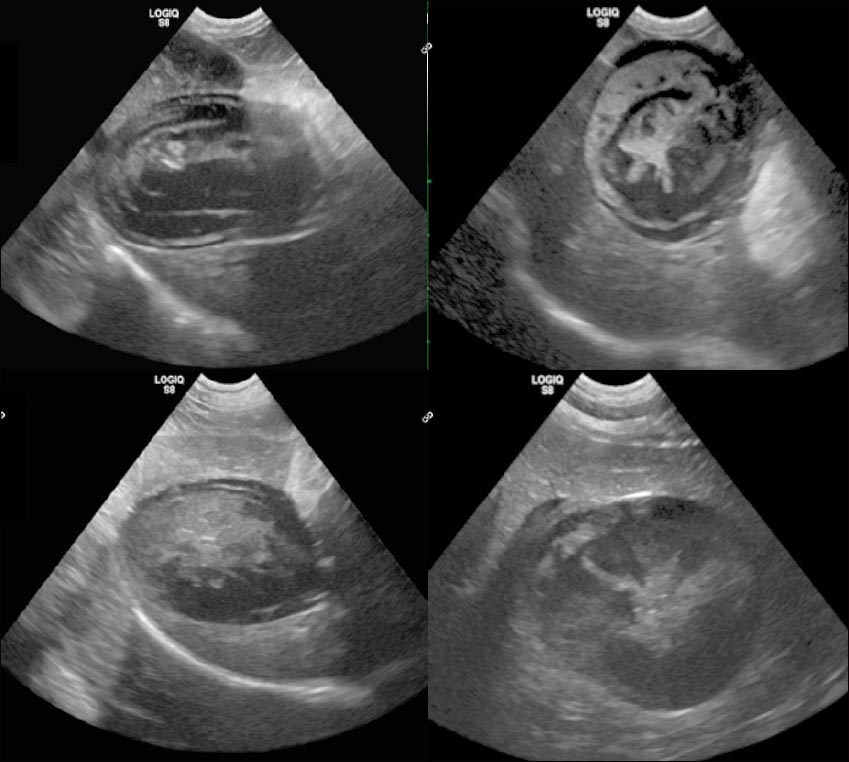


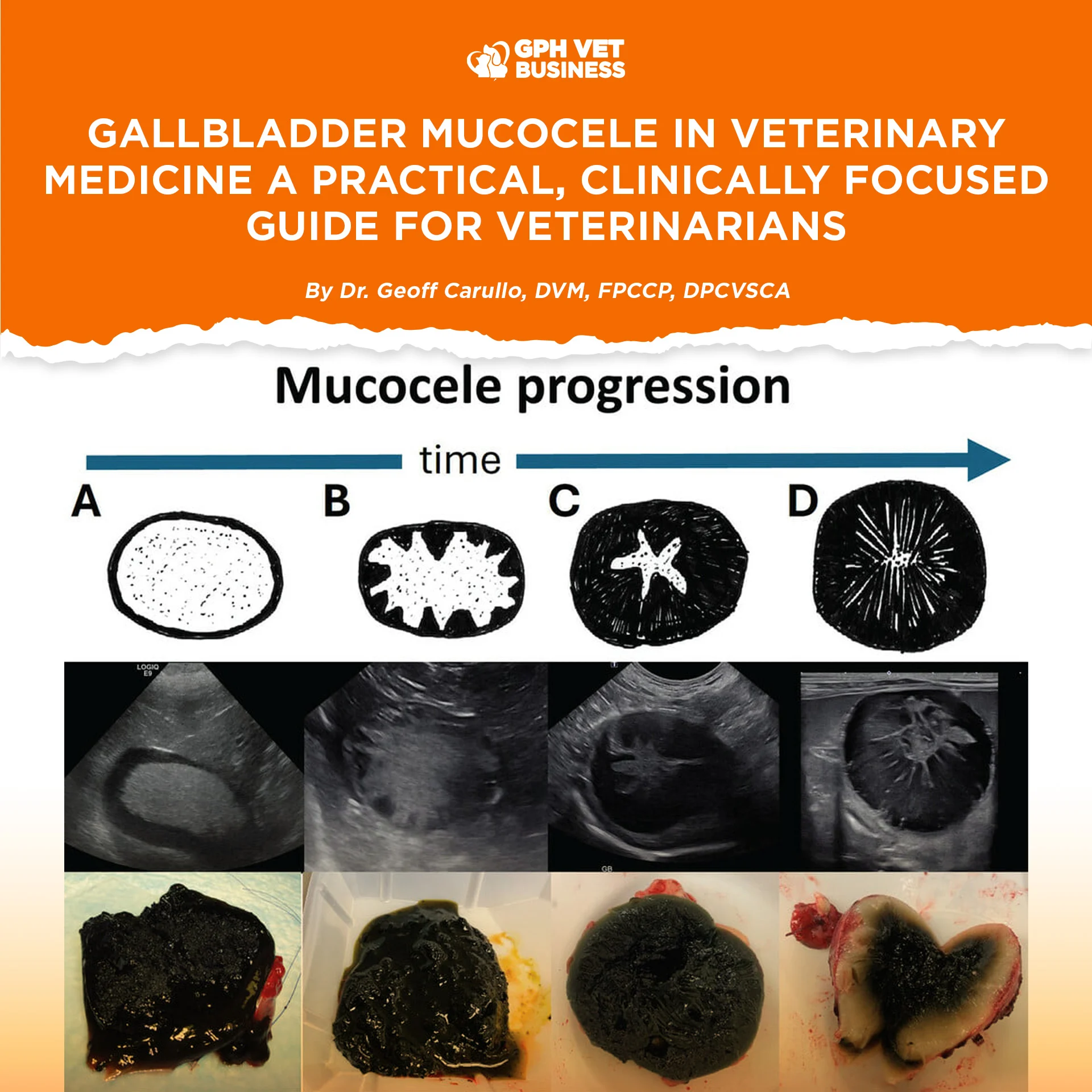
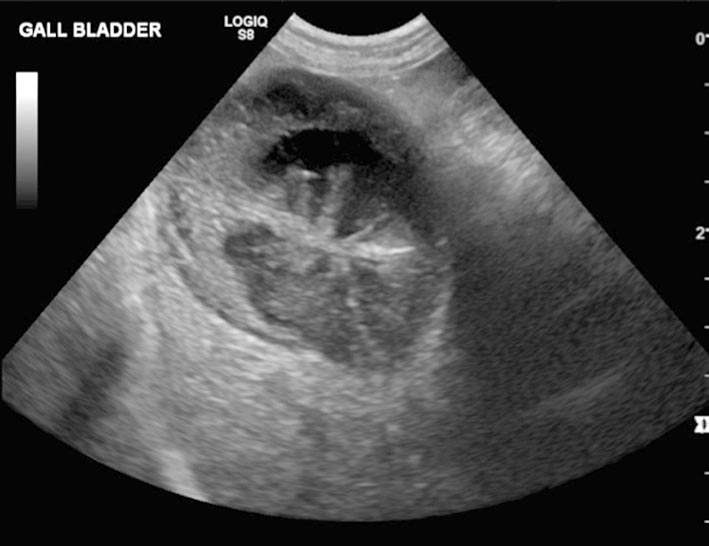
Senior small-breed dogs, particularly Shetland Sheepdogs and Miniature Schnauzers, experience higher predispositions to biliary mucoceles.
Breed genetics play an undeniable role in the development of gallbladder abnormalities. Veterinary data indicates that Shetland Sheepdogs, Cocker Spaniels, and Miniature Schnauzers face elevated risks as they age, typically manifesting past middle age. These breeds often exhibit underlying metabolic or lipid-processing traits that encourage the abnormal secretion of thick mucin by the gallbladder epithelium. Recognizing these breed-specific tendencies allows veterinarians and caregivers to screen older animals proactively through routine blood panels and abdominal imaging. For further insights into specific canine health and lifestyle needs, exploring specialized resources on Dog Health and Dog Nutrition can prove invaluable.
Immediate veterinary intervention is mandatory if acute abdominal pain, persistent vomiting, or fever develops.
Monitoring a dog with a diagnosed or suspected gallbladder mucocele requires constant vigilance for red-flag symptoms. Should a dog display signs of acute abdominal pain, such as a hunched posture, fever, profound lethargy, or worsening jaundice, emergency medical attention is vital. These signs often point toward impending or actual gallbladder rupture, a surgical emergency with a guarded prognosis. Relying solely on natural remedies during an acute crisis can be fatal. Partnering closely with a licensed veterinarian ensures that the chosen combination of medication, supportive care, or surgical intervention matches the exact stage of the disease.
Supporting canine longevity involves informed decision-making, compassionate care, and continuous collaboration with veterinary professionals.
Balancing medical treatments and natural supportive remedies is a nuanced journey that demands patience and professional insight. By prioritizing evidence-based veterinary care, proper nutrition, and timely diagnostics, caregivers can significantly enhance their companion’s quality of life. To discover more guidance on everyday maintenance and wellness strategies, visit PetsAnimalsWorld.com, where comprehensive resources across categories like Dog Care and Dog Breeds help foster lifelong canine happiness.


