

Introduction
Understanding the unique nutritional needs of smaller canine companions is fundamental to ensuring their health and vitality. The term “small dog diet” refers specifically to the dietary considerations tailored for breeds typically weighing under 20 pounds, such as Chihuahuas, Yorkshire Terriers, Pugs, and Miniature Poodles. These diminutive dogs possess distinct physiological characteristics that necessitate a specialized approach to their nutrition, differing significantly from their larger counterparts. Issues related to their diet commonly arise due to misunderstandings about their metabolic rates, stomach capacity, dental structure, and predisposition to certain health conditions. A well-chosen small dog diet can profoundly impact a dog’s energy levels, coat health, digestive function, and overall longevity, contributing to a happy and thriving life.
💡 Pet Care Key Takeaways:
- Core Focus: Practical health, nutrition, and wellness guidelines for Small Dog Diet.
- Target Scope: Pet owners, animal caregivers, and veterinary support staff.
- Best Recommendation: Maintain consistent daily routines and consult an accredited veterinarian before introducing major diet or medical changes.
Common Causes and Key Factors
Several biological and physiological factors contribute to the unique dietary requirements of small dogs. These breeds generally exhibit a higher metabolic rate compared to larger dogs, meaning they burn calories more quickly and require a diet that is more calorie-dense per serving. Their smaller stomachs dictate that food portions must be smaller but offered more frequently to prevent overfilling and ensure steady energy levels. For more related activities, check out our Purina One Xxl 10Kg Feeding Guide 20Kg Dog.
Dental health is another critical aspect. Small breeds are often predisposed to dental disease, and their smaller mouths benefit from appropriately sized kibble that encourages chewing, which helps clean teeth and reduces plaque buildup. The risk of hypoglycemia (low blood sugar) is also higher in small breed puppies due to their rapid metabolism and limited glycogen stores, making consistent, nutrient-rich meals essential. Furthermore, some small breeds may have genetic predispositions to conditions like patellar luxation or heart disease, for which specific nutrients or dietary considerations can play a supportive role in management. Careful consideration of these factors ensures that a small dog diet provides optimal support for growth, maintenance, and prevention of common health issues.
Signs and Symptoms to Observe
Observing a small dogs physical condition and behavior can provide crucial clues about the effectiveness of its diet. One of the most common indicators of an inappropriate small dog diet is weight fluctuation. Undereating or insufficient calorie intake can lead to noticeable weight loss, lethargy, and a dull coat, while overfeeding can quickly result in obesity, which puts stress on joints and internal organs.
Digestive issues, such as frequent vomiting, diarrhea, or constipation, often suggest that the current food may not be agreeable or that portion sizes are incorrect. A change in energy levels, whether excessive hyperactivity followed by crashes, or persistent lethargy, can also be related to an imbalanced diet or inconsistent feeding schedules. Dental problems like bad breath, visible plaque, reluctance to chew dry food, or pawing at the mouth are clear signs that dental health needs attention, possibly through a different kibble size or a diet formulated for dental support. In young puppies or very small adult dogs, signs of hypoglycemia, such as weakness, disorientation, trembling, or seizures, indicate an urgent need for dietary adjustment and professional consultation.
Practical Solutions and Management Strategies
Managing a small dog diet effectively involves selecting the right food and establishing appropriate feeding practices. It is recommended to choose high-quality commercial dog foods specifically formulated for small breeds. These formulas typically feature smaller kibble sizes, higher calorie density, and nutrient profiles tailored to support their faster metabolisms and specific health needs. Always ensure the food is appropriate for the dog’s life stage, whether puppy, adult, or senior.
Accurate portion control is paramount to prevent both malnourishment and obesity. Following the manufacturers guidelines based on the dogs weight and activity level, and using a measuring cup, helps maintain a healthy weight. Small dogs often benefit from multiple small meals throughout the day (e.g., two to three meals) rather than one large one, which helps stabilize blood sugar levels and prevents digestive upset. High-quality treats should be given sparingly and in small, appropriate sizes to avoid adding excessive calories or contributing to pickiness. Consistent access to fresh, clean water is also vital for overall health and digestion. Regular dental care, including dental chews or daily brushing, complements a supportive diet by maintaining oral hygiene.
When Professional Help May Be Needed
While many dietary adjustments can be made at home, certain situations warrant immediate professional veterinary consultation. Persistent or severe digestive issues, such as chronic vomiting or diarrhea, indicate an underlying problem that requires diagnosis and treatment. Unexplained or rapid weight loss or gain should always prompt a veterinary visit, as these can be symptoms of serious health conditions.
If a small dog exhibits signs of hypoglycemia, such as extreme weakness, disorientation, or seizures, emergency veterinary care is crucial. Advanced dental disease, characterized by severe bad breath, pain, or difficulty eating, requires professional dental cleaning and possibly extractions. Any significant change in energy levels, behavior, or coat condition that does not improve with simple dietary adjustments should also be discussed with a veterinarian. A veterinarian can provide tailored dietary recommendations, diagnose underlying medical conditions, and help formulate a personalized small dog diet plan, especially for dogs with allergies, specific health conditions, or unique nutritional requirements.
Conclusion
The intricate world of a small dog diet demands careful attention and a nuanced understanding of their specific needs. Recognizing their elevated metabolic rates, smaller digestive systems, and dental predispositions is the first step toward optimal care. Through diligent observation of physical signs and behaviors, owners can gain valuable insights into their dog’s nutritional well-being. By selecting appropriate small breed formulas, practicing precise portion control, and establishing consistent feeding routines, dogs can thrive. The collaboration with veterinary professionals remains invaluable, particularly when facing persistent health concerns or needing specialized dietary plans. Prioritizing a well-balanced and tailored small dog diet is a foundational pillar for promoting robust health, happiness, and an excellent quality of life for these cherished companions.
Pet Care & Wellness Overview Table
| Life Stage | Daily Activity Level | Key Nutrition / Care Focus |
|---|---|---|
| Puppy / Kitten | High (frequent short bursts) | High-protein growth diet & early socialization |
| Adult Companion | Moderate (30–60 mins daily) | Balanced maintenance nutrition & dental hygiene |
| Senior Pets | Low to Gentle (mindful walks) | Joint support (Glucosamine) & routine vet checks |
Images References
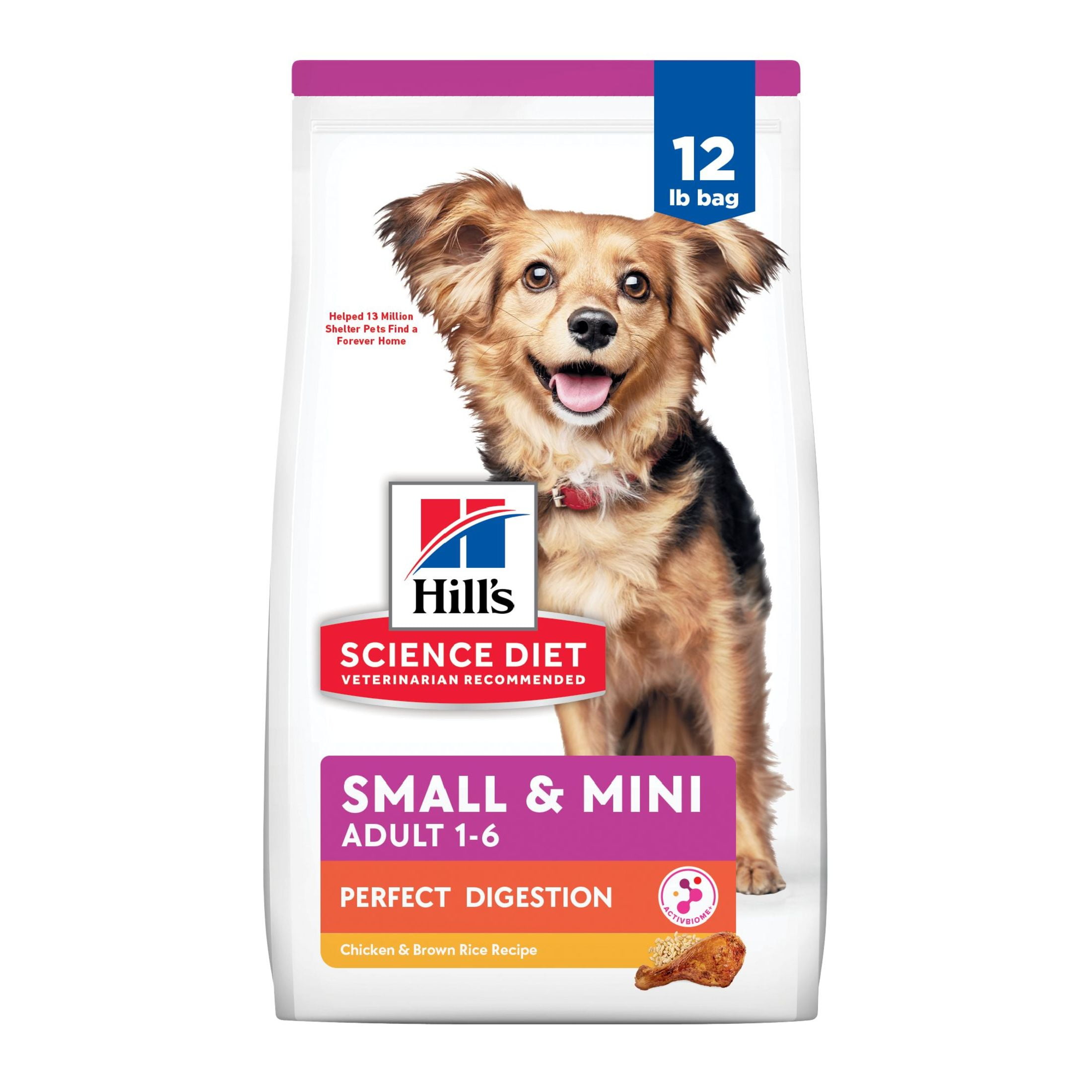


For more expert pet care tips and advice, check out our dedicated Dog Nutrition guides to keep your companions healthy and happy.




