

Introduction
The period following a surgical procedure can be a challenging time for a dog and its owner. A critical aspect of a smooth and swift recovery often involves careful attention to dietary needs, specifically the provision of soft food for dogs after surgery. This dietary adjustment refers to offering food that is easily chewed, swallowed, and digested, significantly reducing strain on the dog’s healing body. Understanding the necessity and appropriate implementation of soft food is paramount because it directly supports the recovery process, minimizes discomfort, and helps prevent potential complications that could arise from consuming regular, harder kibble. This thoughtful approach to nutrition plays a vital role in enhancing a dogs well-being and ensuring a more comfortable transition back to full health.
💡 Pet Care Key Takeaways:
- Core Focus: Practical health, nutrition, and wellness guidelines for Soft Food For Dogs After Surgery.
- Target Scope: Pet owners, animal caregivers, and veterinary support staff.
- Best Recommendation: Maintain consistent daily routines and consult an accredited veterinarian before introducing major diet or medical changes.
Common Causes and Key Factors
Several key factors necessitate the transition to soft food following a dog’s surgery. Primarily, surgical procedures, regardless of their nature, induce a degree of pain, inflammation, or soreness. This discomfort can make chewing and swallowing dry, hard kibble extremely painful or even impossible, especially after oral, dental, or abdominal surgeries where stitches might be present. For more related activities, check out our Natural Balance Puppy Food Quantity Chart.
Anesthesia also plays a role in post-operative dietary needs. Dogs often experience nausea, reduced appetite, or grogginess as they recover from anesthesia, making highly palatable and easily digestible soft foods more appealing and less likely to cause an upset stomach. Furthermore, surgical sites, such as an incision in the mouth or abdomen, require protection. Hard food could inadvertently irritate stitches, cause them to open, or introduce bacteria into a healing wound, delaying recovery or leading to infection.
The digestive system itself can become more sensitive due to stress, pain medications, or the surgery itself. A sudden change in diet, coupled with these stressors, can lead to gastrointestinal upset. Soft foods are typically gentler on the stomach and easier for a compromised digestive system to process, ensuring that the dog receives vital nutrients without unnecessary strain. In cases of significant dental extractions or jaw surgery, the physical act of chewing hard food is simply not feasible until considerable healing has occurred.
Signs and Symptoms to Observe
Observing a dog closely after surgery for specific signs and symptoms related to eating habits can indicate whether soft food is necessary or if the current diet is causing distress. A primary indicator is a noticeable reluctance to eat regular kibble. This might manifest as a dog sniffing its bowl but turning away, or attempting to eat but dropping food from its mouth.
Signs of pain during eating are crucial observations. These can include whimpering, yelping, reluctance to open the mouth fully, chewing on only one side of the mouth, or excessive drooling. After oral or dental surgery, signs like pawing at the mouth, oral bleeding, or discharge could indicate irritation from food.
Gastrointestinal issues such as regurgitation, vomiting, or persistent diarrhea after attempting to eat hard food suggest digestive distress or an inability to properly process the meal. Difficulty swallowing, including gagging, coughing, or choking on dry kibble, is another serious sign that the food type is inappropriate. If a dog’s food intake remains inadequate, signs of lethargy, weakness, or noticeable weight loss may develop, underscoring the urgency of switching to a more suitable diet. These signs can vary depending on the dog’s age, breed, and the specific surgical procedure undergone, but consistently point towards the need for a softer, more manageable food option.
Practical Solutions and Management Strategies
Implementing a soft food diet for dogs after surgery involves thoughtful selection and careful feeding practices. The primary goal is to provide adequate nutrition in a form that minimizes pain and aids digestion.
Types of Soft Food Options:
- Canned or Wet Dog Food: These formulations are designed to be palatable and easily digestible, offering complete and balanced nutrition. Many varieties are available, making it possible to find one that appeals to a dog’s specific taste.
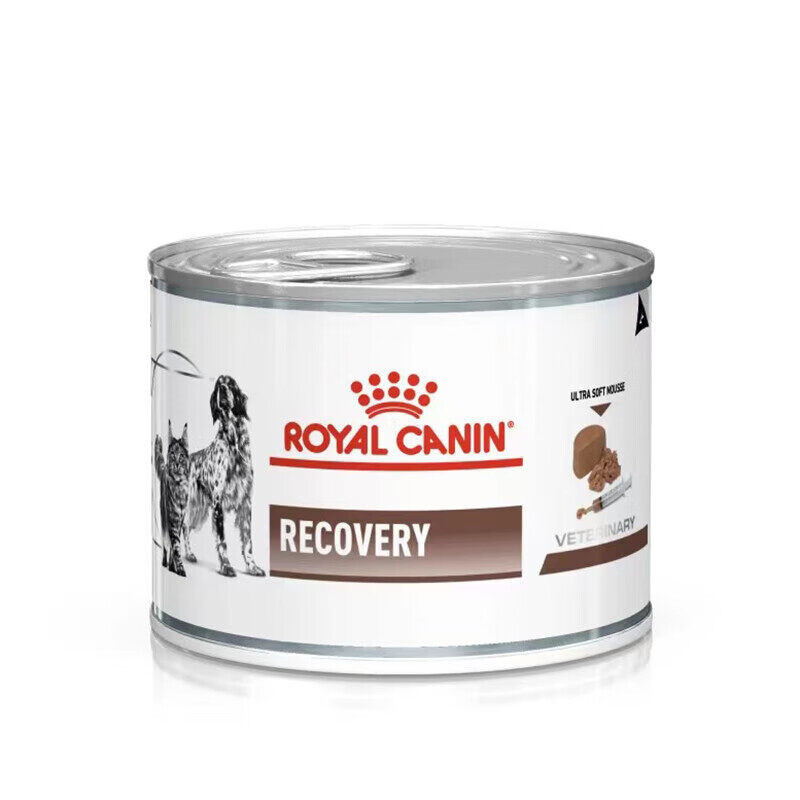
- Prescription Veterinary Diets: Veterinarians often recommend specific therapeutic diets tailored for post-operative recovery. These diets are typically highly digestible, calorie-dense, and formulated with ingredients to support healing and immune function.
- Soaked Kibble: For dogs accustomed to dry food, soaking their regular kibble in warm water or low-sodium broth until it reaches a mushy consistency can be an effective transitional option. This retains familiarity while softening the texture.
- Homemade Soft Foods (with veterinary approval): Plain, cooked, skinless chicken or turkey (shredded), boiled white rice, and pureed sweet potatoes or pumpkin are often easily tolerated. It is crucial to consult a veterinarian before offering homemade meals to ensure nutritional completeness and to avoid ingredients that could upset a healing digestive system or interact with medications.
- Bone Broth: A nourishing and hydrating supplement that can be added to soft food or offered alone to encourage fluid intake and provide additional nutrients.
Feeding Techniques:
- Small, Frequent Meals: Offering smaller portions several times a day can be easier on a sensitive digestive system and can help maintain appetite.
- Warm Food: Gently warming soft food can enhance its aroma and palatability, encouraging a reluctant eater.
- Elevated Bowls: For dogs recovering from neck, back, or orthopedic surgery, an elevated food bowl can reduce strain and make eating more comfortable.
- Hand-Feeding: For very weak or reluctant dogs, gentle hand-feeding can sometimes encourage consumption.
- Maintaining Hydration: Always ensure access to fresh water. Adding water to food can also contribute to hydration.
The transition back to regular kibble should be gradual and only undertaken once cleared by a veterinarian. This typically involves slowly mixing an increasing proportion of dry food with the soft food over several days or weeks.
When Professional Help May Be Needed
While many dogs recover smoothly with appropriate soft food adjustments, certain signs indicate the necessity of prompt veterinary consultation. If a dog exhibits a complete refusal to eat for more than 24-48 hours post-surgery, this constitutes a serious concern, as prolonged anorexia can impede healing and lead to further health complications.
Persistent vomiting or diarrhea after dietary changes, or any attempt to eat, warrants immediate veterinary attention. These symptoms can quickly lead to dehydration and electrolyte imbalances, which are particularly dangerous for a recovering animal. Signs of severe or unmanageable pain that goes beyond expected post-operative discomfort, despite pain medication, should also be reported to a veterinarian.
Significant or rapid weight loss, unexplained lethargy, or worsening weakness are critical indicators that the current nutritional strategy or recovery plan may be insufficient. Any signs of wound complications, such as excessive swelling, discharge, redness around the incision site, or if stitches appear to be coming undone, necessitate immediate professional evaluation. Furthermore, if a dog struggles with medication administration due to a lack of appetite for food, or if there is simply a lack of overall improvement in its condition despite diligent home care, a veterinarian can provide further diagnostics and adjust the treatment plan accordingly. Responsible pet ownership includes recognizing these cues and seeking timely professional guidance to ensure the best possible outcome for a recovering dog.
Conclusion
The provision of soft food for dogs after surgery is a fundamental component of effective post-operative care, significantly influencing the speed and comfort of a dog’s recovery. This tailored dietary approach addresses the immediate challenges of pain, discomfort, and digestive sensitivity that dogs frequently experience after a medical procedure. By offering easily consumable and digestible meals, owners can support healing, ensure consistent nutrient intake, and mitigate the risk of complications at surgical sites.
Successful recovery hinges on attentive observation of a dogs eating habits and overall demeanor, proactive implementation of suitable soft food strategies, and a willingness to seek professional veterinary guidance when concerns arise. Patience and consistent care during this vulnerable period are essential. Understanding and acting upon these principles empowers owners to play a crucial role in their dog’s journey back to health, fostering optimal recovery and strengthening the bond shared with their cherished companion.
Pet Care & Wellness Overview Table
| Life Stage | Daily Activity Level | Key Nutrition / Care Focus |
|---|---|---|
| Puppy / Kitten | High (frequent short bursts) | High-protein growth diet & early socialization |
| Adult Companion | Moderate (30–60 mins daily) | Balanced maintenance nutrition & dental hygiene |
| Senior Pets | Low to Gentle (mindful walks) | Joint support (Glucosamine) & routine vet checks |
Images References



For more expert pet care tips and advice, check out our dedicated Dog Nutrition guides to keep your companions healthy and happy.




