

Introduction
Understanding a special kidney diet for dogs is a critical aspect of canine care, particularly when a dog is diagnosed with kidney disease. This dietary approach involves specific modifications to a dog’s regular food intake, designed to support kidney function and slow the progression of renal decline. Kidney disease, often observed in aging dogs or those with certain genetic predispositions, can significantly impact an animal’s quality of life. Implementing a tailored kidney diet is not merely about feeding a dog; it is a fundamental pillar of managing the condition, helping to alleviate symptoms, reduce the workload on compromised kidneys, and ultimately improve a dogs overall well-being and longevity. Awareness of this specialized nutrition empowers caregivers to make informed choices, directly contributing to a dog’s comfort and health.
💡 Pet Care Key Takeaways:
- Core Focus: Practical health, nutrition, and wellness guidelines for Special Kidney Diet For Dogs.
- Target Scope: Pet owners, animal caregivers, and veterinary support staff.
- Best Recommendation: Maintain consistent daily routines and consult an accredited veterinarian before introducing major diet or medical changes.
Common Causes and Key Factors
The necessity for a special kidney diet for dogs primarily stems from the onset of kidney disease, an often progressive condition. Chronic Kidney Disease (CKD) represents a gradual decline in kidney function over time, while Acute Kidney Injury (AKI) involves a sudden loss of kidney function. Several factors contribute to these conditions, necessitating careful dietary management. For more related activities, check out our Natural Balance Puppy Food Quantity Chart.
Age is a significant risk factor, with older dogs more susceptible to CKD as renal function naturally diminishes over years. Certain dog breeds also exhibit a genetic predisposition to kidney disease, including Bull Terriers, Samoyeds, Cocker Spaniels, German Shepherds, and others, making early screening and proactive management crucial for these animals.
Beyond age and genetics, various underlying health issues can impact kidney health. Dental disease, for example, can lead to bacterial infections that spread to the kidneys. Other conditions such as high blood pressure, certain types of cancer, infections, and even prolonged use of particular medications (e.g., NSAIDs) can contribute to kidney damage. Toxins, trauma, and severe dehydration are common causes of AKI, which, if not properly treated, can sometimes progress to CKD.
While diet itself is rarely the primary cause of kidney disease, inappropriate nutrition can exacerbate existing kidney issues. Diets high in phosphorus or excessive protein can place additional strain on kidneys that are already struggling to filter waste products from the blood, underscoring the importance of a specialized diet once a diagnosis is made.
Signs and Symptoms to Observe
Recognizing the signs and symptoms of kidney issues in dogs is vital for timely intervention and the initiation of a special kidney diet. The early stages of kidney disease can be subtle, with symptoms becoming more pronounced as the condition progresses. Vigilant observation of a dog’s behavior and physical condition is therefore paramount.
One of the most common early indicators is an increase in thirst (polydipsia) and consequently, an increase in urination (polyuria). A dog might be observed drinking more water than usual, frequently asking to go outside, or having accidents indoors. As the kidneys’ ability to concentrate urine diminishes, more water is expelled, leading to dehydration despite increased water intake.
Other observable signs include a decreased appetite, which can lead to unexplained weight loss over time. Lethargy and generalized weakness are also common, with affected dogs showing less enthusiasm for play or exercise and appearing more subdued. Gastrointestinal disturbances such as vomiting and diarrhea may occur as waste products build up in the bloodstream.
More advanced symptoms can include a distinct bad breath (uremic halitosis), which has an ammonia-like odor due to the accumulation of toxins. Mouth ulcers, a dull or poor coat condition, and pale gums (indicating anemia) might also be present. Behavioral changes, such as restlessness, confusion, or even depression, can also signal a decline in kidney health. These signs can vary depending on the dog’s age, breed, and the specific stage of kidney disease.
Practical Solutions and Management Strategies
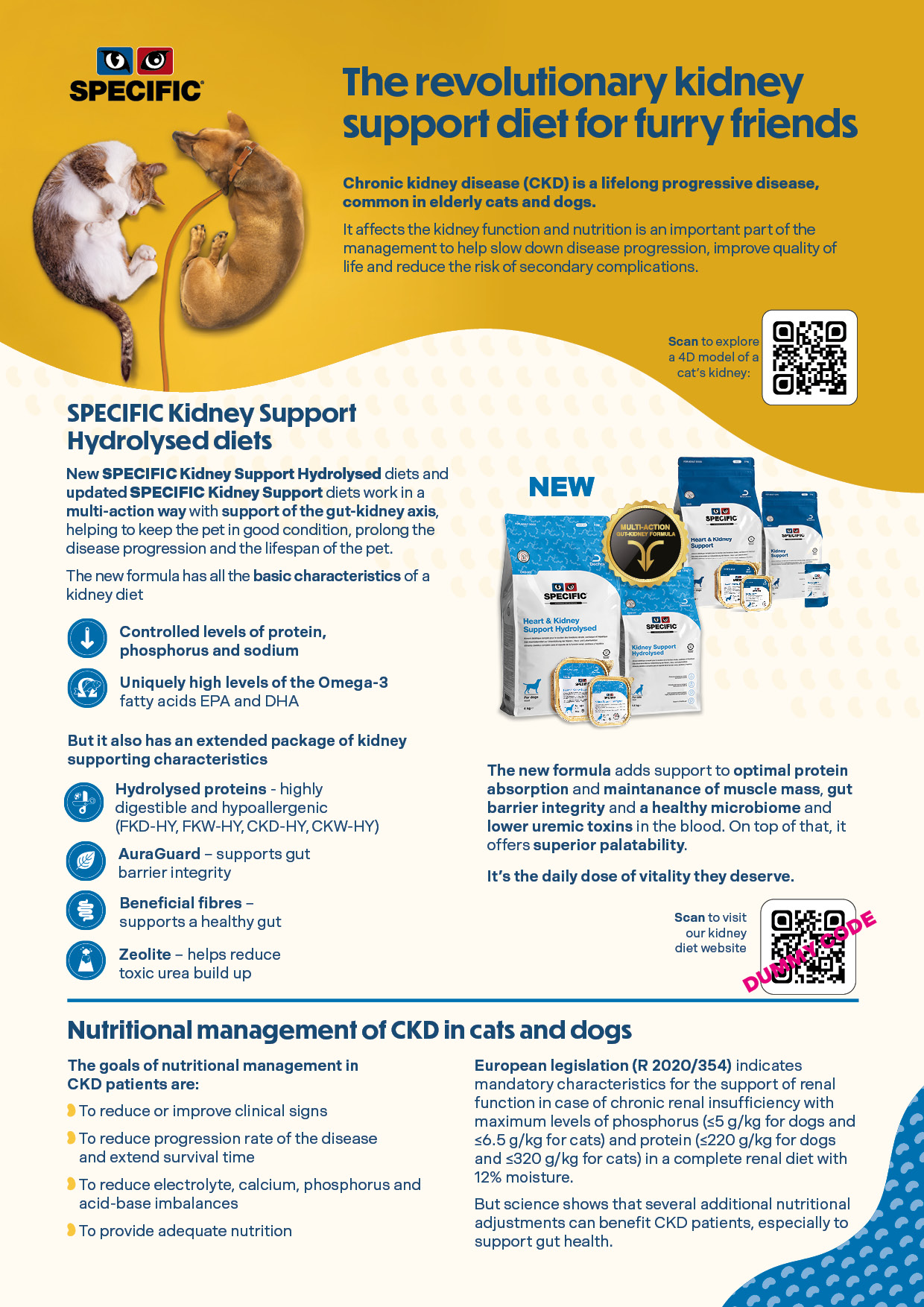
Managing kidney disease in dogs primarily revolves around implementing a special kidney diet, a cornerstone of comprehensive care. This dietary modification aims to reduce the workload on the kidneys, mitigate the accumulation of waste products, and maintain the dog’s nutritional status.
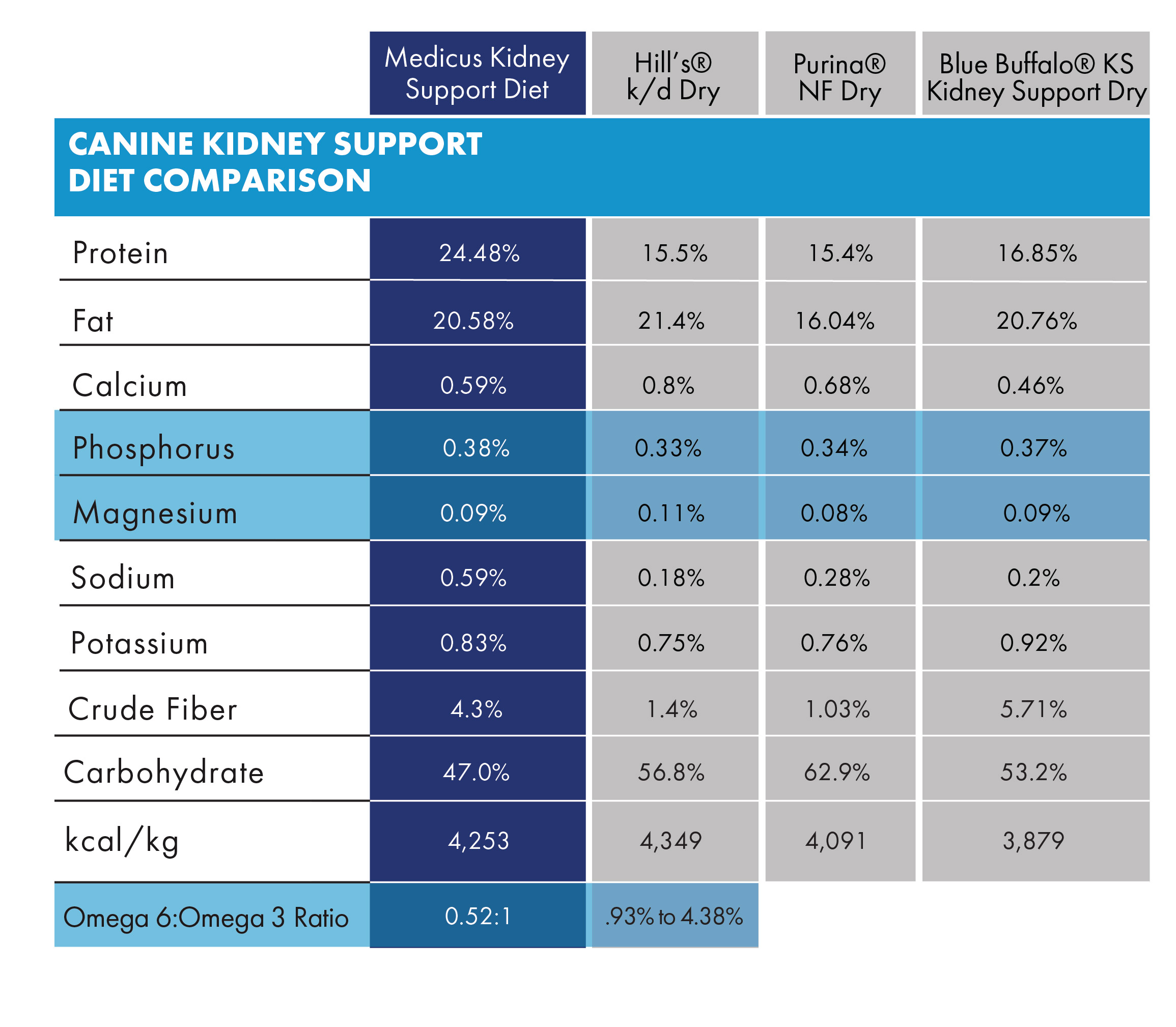
The key components of a renal diet include carefully controlled levels of phosphorus, protein, and sodium. Phosphorus restriction is crucial for slowing the progression of kidney damage and preventing secondary complications. Protein levels are reduced but not eliminated, ensuring that a dog receives adequate high-quality protein to prevent muscle wasting without overwhelming the kidneys with excessive waste products. Sodium content is typically lowered to help manage blood pressure and reduce fluid retention.
Beyond these core adjustments, kidney diets often incorporate increased levels of omega-3 fatty acids, known for their anti-inflammatory properties that can benefit kidney health. B vitamins, which are often lost through increased urination in dogs with kidney disease, are usually supplemented to prevent deficiencies. In some cases, potassium supplementation may be necessary if blood tests indicate low levels, as kidneys struggle to regulate electrolyte balance. Ensuring consistent access to fresh water is also paramount to encourage adequate hydration.
Transitioning a dog to a new special kidney diet should always be done gradually over several days to avoid digestive upset. Regular veterinary monitoring, including blood and urine tests, is essential to assess kidney function and adjust the diet or add medications as needed. Alongside diet, a low-stress home environment and a consistent routine can further support a dog’s overall well-being during management of this condition.
When Professional Help May Be Needed
The diagnosis and ongoing management of kidney disease, including the prescription of a special kidney diet for dogs, invariably require professional veterinary expertise. While careful observation at home is invaluable for identifying potential issues, only a qualified veterinarian can accurately diagnose kidney conditions and formulate an appropriate treatment plan.
Veterinary consultation is essential from the first suspicion of kidney problems, often prompted by observing symptoms such as increased thirst and urination, decreased appetite, or lethargy. Diagnostic tests, including blood work (to measure creatinine, BUN, and phosphorus levels) and urinalysis (to assess specific gravity and protein levels), are crucial for confirming a diagnosis and determining the stage of kidney disease.
Professional guidance is also critical for selecting the most appropriate special kidney diet. Many therapeutic renal diets are prescription-only, formulated with precise nutrient ratios that cannot be replicated with general over-the-counter dog foods. A veterinarian will consider a dog’s specific health status, the stage of kidney disease, and any co-existing conditions when recommending a diet.
Furthermore, ongoing veterinary supervision is necessary to monitor a dog’s response to the diet and make adjustments as the disease progresses. This includes regular recheck appointments, blood pressure measurements, and laboratory tests. A veterinarian can also prescribe additional medications, such as phosphate binders, blood pressure medications, or anti-nausea drugs, to manage specific symptoms and further support kidney function. Prompt professional attention is always recommended if a dogs symptoms suddenly worsen or if there is a complete refusal to eat.
Conclusion
A special kidney diet for dogs stands as a cornerstone in the comprehensive management of canine kidney disease. This tailored nutritional approach is vital for supporting compromised kidney function, mitigating the accumulation of harmful waste products, and significantly enhancing a dogs overall quality of life. Understanding the critical role of controlled phosphorus, appropriate protein, and balanced nutrients within such a diet empowers caregivers to proactively address this challenging health condition. The journey involves a partnership with veterinary professionals, from initial diagnosis and diet prescription to ongoing monitoring and adjustments. Through consistent adherence to a specialized diet and regular veterinary care, the progression of kidney disease can often be slowed, enabling dogs to enjoy more comfortable and extended lives. A commitment to this dedicated nutritional strategy truly exemplifies devoted canine care.
Pet Care & Wellness Overview Table
| Life Stage | Daily Activity Level | Key Nutrition / Care Focus |
|---|---|---|
| Puppy / Kitten | High (frequent short bursts) | High-protein growth diet & early socialization |
| Adult Companion | Moderate (30–60 mins daily) | Balanced maintenance nutrition & dental hygiene |
| Senior Pets | Low to Gentle (mindful walks) | Joint support (Glucosamine) & routine vet checks |
Images References






For more expert pet care tips and advice, check out our dedicated Dog Nutrition guides to keep your companions healthy and happy.




