Introduction
The initial weeks of a puppy’s life are critical for healthy development, with adequate nutrition playing the most pivotal role. While a mother dog’s milk is typically the ideal source of sustenance for newborn puppies, situations can arise where the natural supply is insufficient or unavailable. This is where the practice of “supplement feeding puppies” becomes essential. Supplement feeding refers to providing additional nutritional support, often in the form of a specially formulated milk replacer, to puppies who are not receiving enough nourishment from their mother. Understanding when and how to appropriately implement supplement feeding can be life-saving for vulnerable puppies, ensuring they receive the vital nutrients needed to grow strong, develop properly, and transition successfully into their next developmental stages. Recognizing the necessity and correct application of this care can significantly improve a puppys overall well-being and health outcomes. Explore more in our Dog Nutrition collection.
💡 Pet Care Key Takeaways:
- Core Focus: Practical health, nutrition, and wellness guidelines for Supplement Feeding Puppies.
- Target Scope: Pet owners, animal caregivers, and veterinary support staff.
- Best Recommendation: Maintain consistent daily routines and consult an accredited veterinarian before introducing major diet or medical changes.
Common Causes and Key Factors
Several factors can necessitate the introduction of supplement feeding for puppies. Primary among these are maternal issues. A mother dog might not produce enough milk due to health problems such as mastitis, poor nutrition, stress, or a general inability to lactate sufficiently, especially common in first-time mothers or certain breeds. Large litter sizes can also overwhelm a mothers milk supply, making it challenging for all puppies to get adequate nutrition. Some puppies are born weaker or with congenital defects that prevent them from suckling effectively, even when milk is available. For more related activities, check out our Natural Balance Puppy Food Quantity Chart.
Orphaned puppies, whose mother is absent or unable to care for them, inherently require full supplementary feeding. Environmental factors, such as a cold environment, can also impact a puppys ability to thrive, increasing their energy expenditure and, consequently, their nutritional needs. Additionally, puppies might face internal health issues or infections that increase their metabolic demands, necessitating extra caloric and nutrient intake beyond what the mother can provide. Early recognition of these underlying causes is crucial for determining the appropriate course of action. Discover more free resources across our collection library.
Signs and Symptoms to Observe
Observing puppies closely can reveal signs indicating a need for supplementary feeding. Puppies who are not receiving enough milk often exhibit excessive crying or restlessness, appearing constantly hungry. A key indicator is a lack of steady weight gain; healthy puppies typically gain weight daily. Monitoring individual puppy weights regularly, preferably at the same time each day, provides objective data on their progress.
Physical signs of undernourishment or dehydration include sunken flanks, poor skin elasticity when gently pinched, and a generally weak or lethargic demeanor. Puppies may appear cool to the touch, as they struggle to maintain their body temperature without sufficient energy. They might also fail to actively compete for nipples or seem too weak to latch onto the mother effectively. Comparison with littermates can be useful; if one or more puppies consistently appear smaller, less active, or more vocal than their siblings, it often signals a nutritional deficit.
Practical Solutions and Management Strategies
When supplement feeding puppies becomes necessary, a structured approach is vital for success. The first and most critical step involves immediate consultation with a veterinarian to confirm the need and receive guidance on the most appropriate feeding plan. Commercial puppy milk replacers (PMRs) are specifically formulated to mimic a mother dog’s milk and are the only safe and effective option; cow’s milk or other dairy products are not suitable due to lactosuria and inadequate nutritional profiles.
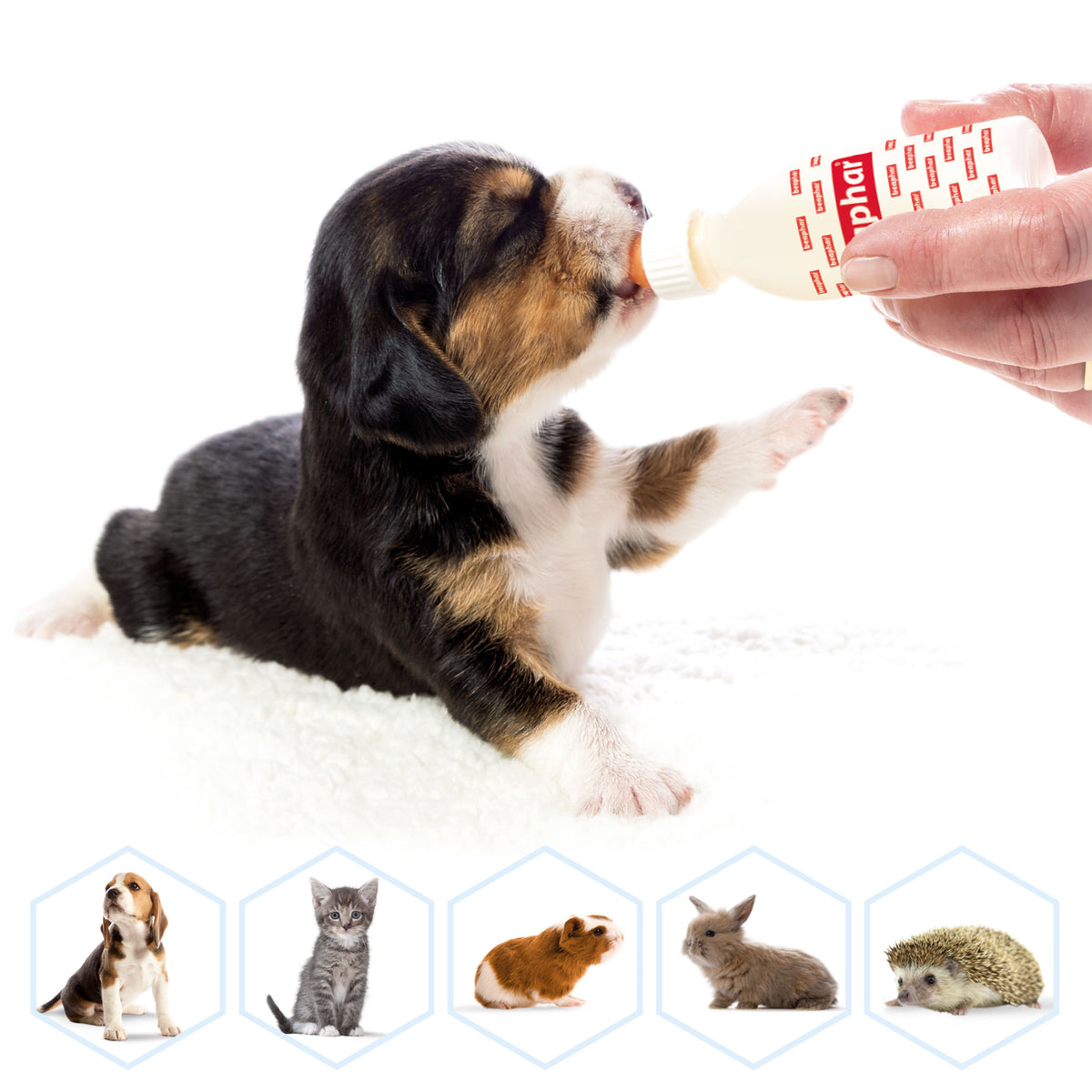
Feeding methods vary depending on the puppys strength. For stronger puppies, specially designed bottles with appropriate nipples can be used. Weaker puppies may require syringe feeding or, under veterinary instruction, tube feeding. It is imperative to maintain strict hygiene by sterilizing all feeding equipment before and after each use to prevent bacterial contamination. Puppies should be fed small, frequent meals according to the PMR instructions, as their tiny stomachs cannot handle large volumes. After each feeding, it is important to gently stimulate the puppy’s perineal area with a warm, damp cloth to encourage urination and defecation, mimicking the mother’s natural instincts. Ensuring a warm environment for the puppies is also crucial, as their ability to regulate body temperature is limited, and feeding expends energy. As puppies mature, typically around three to four weeks of age, a gradual transition to a high-quality puppy gruel can begin, leading to full weaning onto solid food.
When Professional Help May Be Needed
While supplement feeding can be a rewarding and life-saving endeavor, certain situations undeniably warrant professional veterinary intervention. Any puppy exhibiting severe weakness, persistent lethargy, signs of dehydration (such as very pale gums or extreme skin tenting), or continuous failure to thrive despite supplementary feeding requires immediate veterinary attention. Concerns about the mother’s health, including signs of infection, pain, or significant illness that prevents her from caring for her litter, also necessitate a professional medical assessment.
If puppies are unable to latch or swallow effectively, if there is a risk of aspiration (inhaling milk into the lungs), or if tube feeding is being considered, veterinary guidance is non-negotiable. A veterinarian can accurately diagnose underlying issues, provide specialized feeding techniques, prescribe necessary medications, and offer crucial advice on maintaining puppy health in complex situations. Early and proactive engagement with veterinary professionals can significantly improve the survival rates and long-term health of vulnerable puppies.
Conclusion
Supplement feeding puppies represents a vital intervention that can dramatically influence the survival and robust development of young canines. It is a practice born out of necessity, driven by circumstances ranging from maternal health challenges to the individual needs of vulnerable puppies. Through attentive observation for signs of insufficient nourishment, and by implementing appropriate feeding strategies with specially formulated milk replacers, caregivers can bridge critical nutritional gaps. The importance of veterinary consultation cannot be overstated, as professional guidance ensures the correct diagnosis of underlying issues and the safe, effective application of supplementary care. By embracing awareness, consistent care, and expert advice, pet enthusiasts can provide a strong foundation for a puppy’s healthy start in life, reinforcing the commitment to responsible and compassionate pet ownership that petsanimalsworld.com advocates.
Pet Care & Wellness Overview Table
| Life Stage | Daily Activity Level | Key Nutrition / Care Focus |
|---|---|---|
| Puppy / Kitten | High (frequent short bursts) | High-protein growth diet & early socialization |
| Adult Companion | Moderate (30–60 mins daily) | Balanced maintenance nutrition & dental hygiene |
| Senior Pets | Low to Gentle (mindful walks) | Joint support (Glucosamine) & routine vet checks |
Images References