
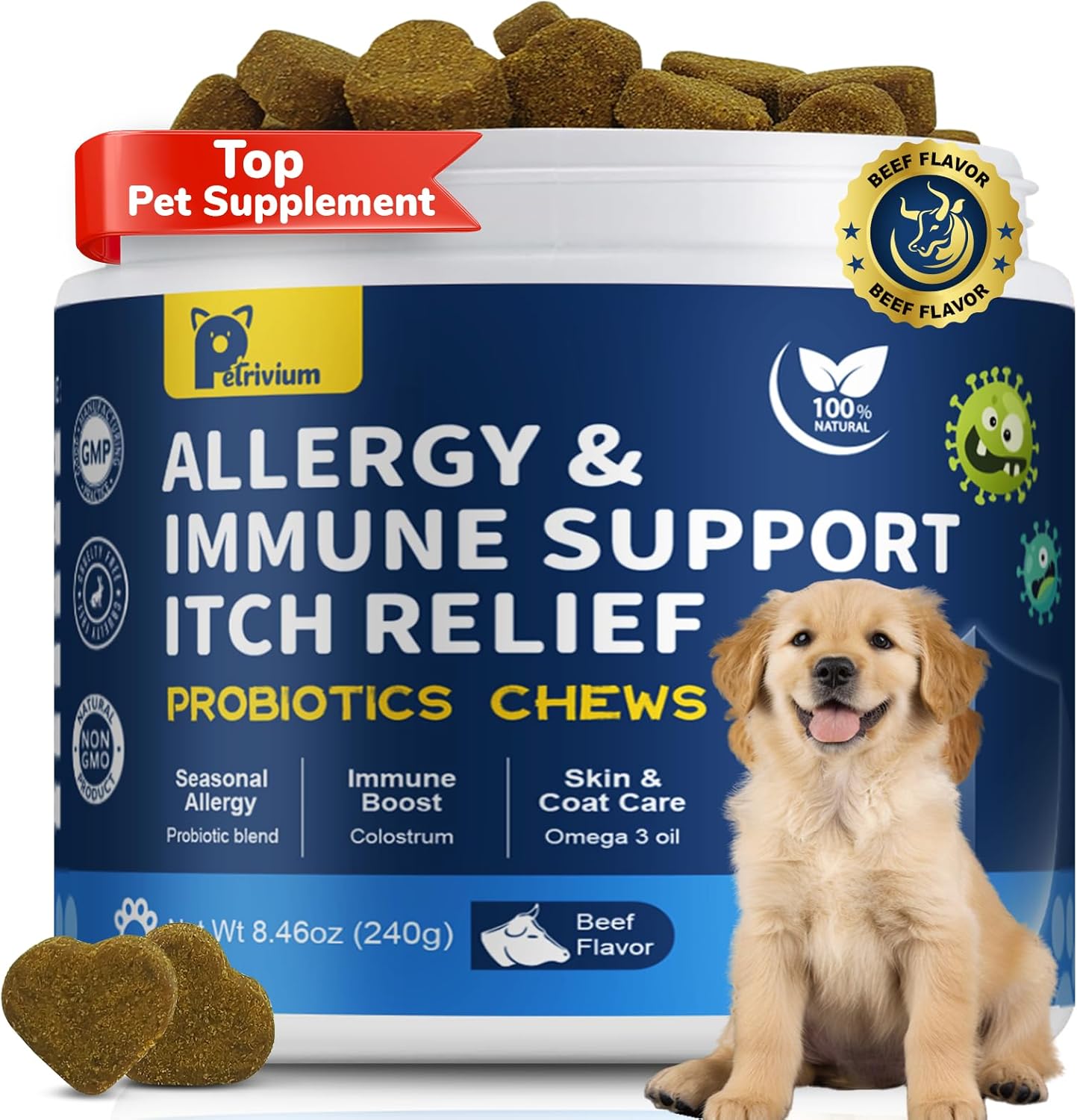
Introduction
The sight of a beloved canine companion incessantly scratching, licking, or chewing at their skin can be deeply concerning for any dog owner. Itchy skin, medically known as pruritus, is a remarkably common issue among dogs, leading to discomfort, distress, and a potential decline in overall well-being. While various factors can contribute to skin irritation, many owners seek effective ways to provide relief and support their dog’s dermatological health. This often leads to exploring targeted nutritional support, with a focus on a “supplement for dogs with itchy skin.” Understanding the role of specific supplements can be a crucial step in managing this pervasive problem, helping to soothe irritation, strengthen the skin barrier, and significantly improve a dogs comfort and quality of life.
💡 Pet Care Key Takeaways:
- Core Focus: Practical health, nutrition, and wellness guidelines for Supplement For Dogs With Itchy Skin.
- Target Scope: Pet owners, animal caregivers, and veterinary support staff.
- Best Recommendation: Maintain consistent daily routines and consult an accredited veterinarian before introducing major diet or medical changes.
Common Causes and Key Factors
Before considering a supplement for dogs with itchy skin, it is important to understand the diverse range of factors that can trigger skin irritation. Identifying the root cause is paramount for effective management. One of the most prevalent causes is allergies, which can be environmental (atopic dermatitis caused by pollen, dust mites, molds), food-related (reactions to specific protein sources), or flea allergy dermatitis. These allergic reactions often manifest as intense itching, redness, and inflammation. For more related activities, check out our Natural Balance Puppy Food Quantity Chart.
Parasites, such as fleas, ticks, and mites (e.g., Sarcoptes, Demodex), are another significant contributor to skin issues, causing severe itching and secondary infections. Bacterial and fungal infections (like yeast infections) can also arise from a compromised skin barrier or excessive scratching, further exacerbating the discomfort. Additionally, dry skin, often due to low humidity, harsh shampoos, or nutritional deficiencies, can lead to flakiness and itching. Underlying conditions such as hormonal imbalances (e.g., hypothyroidism) or autoimmune diseases can also present with skin problems, making a comprehensive diagnostic approach essential.
Signs and Symptoms to Observe
Recognizing the signs and symptoms of itchy skin is the first step toward providing appropriate care. The most obvious indicator is excessive scratching, but this often extends to obsessive licking, chewing, or rubbing against furniture or carpets. Affected dogs may develop “hot spots,” which are localized areas of red, inflamed, moist skin, often resulting from continuous licking and chewing. Hair loss, thinning coat, or bald patches can also be observed, particularly in areas of chronic irritation.
Other visual cues include redness of the skin, crusts, scales, dandruff, or thickening of the skin (lichenification), especially in older, chronic cases. A foul odor emanating from the skin can indicate a secondary bacterial or yeast infection. The severity and manifestation of these signs can vary depending on the dog’s age, breed, and the underlying cause of the itch. For instance, breeds prone to allergies, such as French Bulldogs, Golden Retrievers, and West Highland White Terriers, may exhibit more severe or persistent symptoms. Observing these signs carefully helps owners provide valuable information to veterinary professionals.
Practical Solutions and Management Strategies
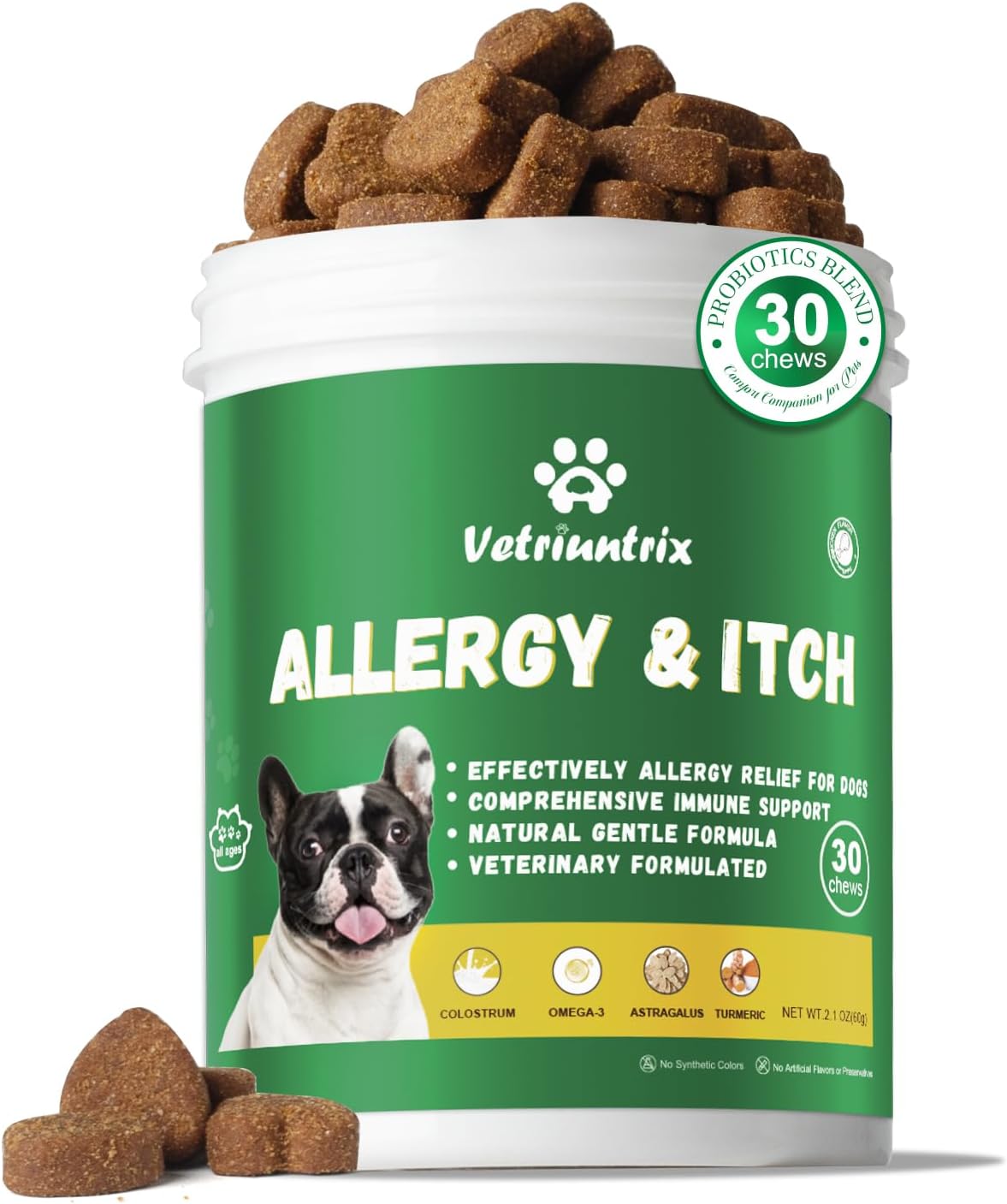
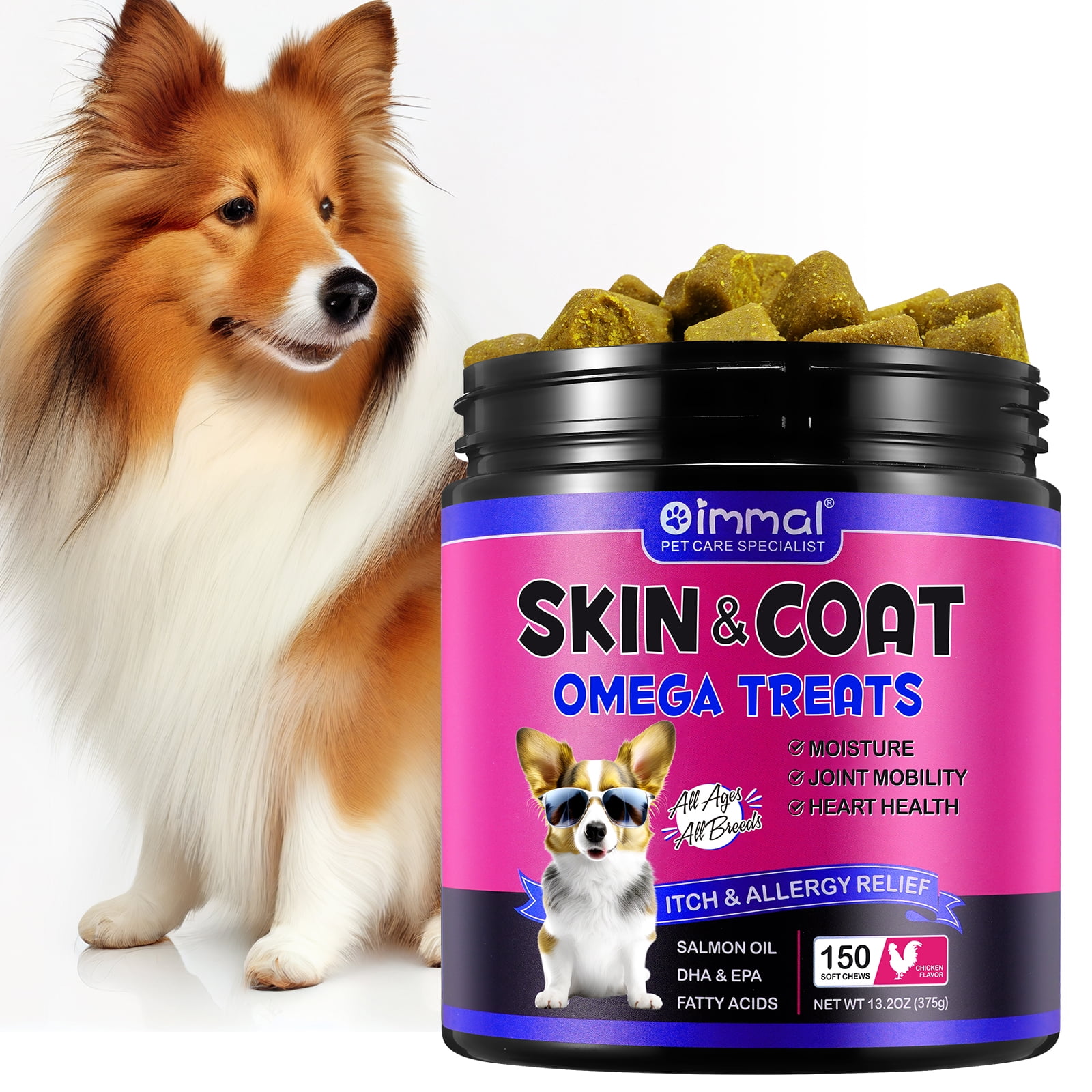
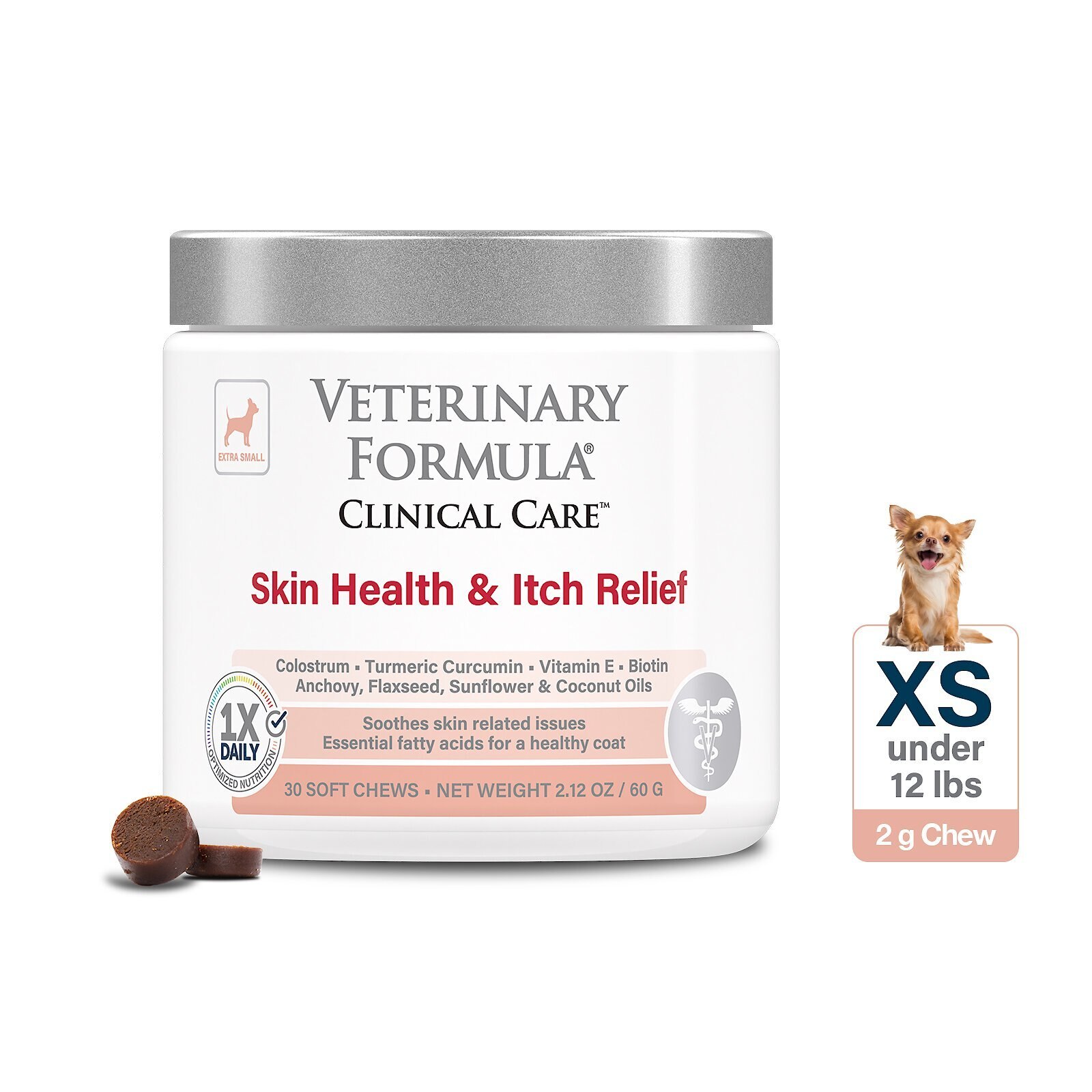
Addressing itchy skin in dogs often requires a multi-faceted approach, and targeted nutritional support, particularly a “supplement for dogs with itchy skin,” plays a significant role. These supplements are designed to bolster skin health from within, supporting the skin barrier and modulating inflammatory responses.
1. Key Supplements for Skin Health
- Omega-3 Fatty Acids (EPA & DHA): Widely recognized for their potent anti-inflammatory properties, omega-3s are paramount. Sourced primarily from fish oil (salmon, sardine, anchovy) or krill oil, EPA and DHA help to reduce the inflammation associated with allergies and other skin irritations. They also contribute to a healthier skin barrier, making it more resilient against environmental aggressors.
- Probiotics: Emerging research highlights the “gut-skin axis,” suggesting a strong connection between gut health and skin condition. Probiotics help to maintain a balanced gut microbiome, which can positively influence immune responses and reduce systemic inflammation, thereby potentially alleviating skin issues.
- Antioxidants (Vitamin E, C, Zinc, Selenium): These nutrients combat oxidative stress, which can damage skin cells and exacerbate inflammation. Vitamin E is particularly beneficial for skin health, supporting cell function and offering protective effects. Zinc is crucial for cell division, wound healing, and maintaining skin integrity.
- Biotin (Vitamin B7): A B-vitamin essential for healthy skin, coat, and nails. Biotin aids in the production of keratin, the primary protein component of skin and hair, supporting a strong skin barrier and reducing dryness.
- Other Beneficial Ingredients: Some supplements may include ingredients like quercetin, a natural antihistamine, or specific herbal extracts (e.g., burdock root, dandelion) known for their skin-supporting properties.
Beyond supplements, general management strategies are crucial. This includes regular bathing with veterinary-approved hypoallergenic shampoos to remove allergens and soothe the skin, consistent parasite prevention, and environmental controls (e.g., frequent vacuuming, air purifiers) for dogs with environmental allergies. Dietary changes, such as novel protein diets or hydrolyzed protein diets, are often implemented for dogs with suspected food allergies.
When Professional Help May Be Needed
While a “supplement for dogs with itchy skin” can provide significant support and relief, it is crucial to recognize that these products are not a substitute for professional veterinary diagnosis and treatment. If a dog’s itching is persistent, severe, accompanied by open sores, significant hair loss, skin thickening, or a noticeable change in behavior (e.g., lethargy, aggression due to discomfort), immediate veterinary attention is warranted.
A veterinarian can perform diagnostic tests, such as skin scrapings, cytology, blood tests, or allergy tests, to pinpoint the exact cause of the pruritus. They can then prescribe targeted treatments, which might include antibiotics for bacterial infections, antifungals for yeast, corticosteroids or antihistamines for severe allergic reactions, or specialized diets. Owners should always consult with a veterinary professional before introducing any new supplement to their dogs regimen, especially if the dog has pre-existing health conditions or is on other medications, to ensure safety and efficacy.
Conclusion
Managing itchy skin in dogs is a journey that often requires patience, vigilance, and a multi-pronged approach. While the causes can be varied and complex, the integration of a well-chosen “supplement for dogs with itchy skin” can play a vital supportive role in enhancing skin health and providing much-needed comfort. By understanding the common triggers, recognizing the signs, and implementing practical solutions that include targeted nutritional support, owners can significantly improve their dog’s well-being. Always remember that comprehensive care, guided by professional veterinary advice, is the most effective path to a happy, healthy, and itch-free life for a canine companion.
Pet Care & Wellness Overview Table
| Life Stage | Daily Activity Level | Key Nutrition / Care Focus |
|---|---|---|
| Puppy / Kitten | High (frequent short bursts) | High-protein growth diet & early socialization |
| Adult Companion | Moderate (30–60 mins daily) | Balanced maintenance nutrition & dental hygiene |
| Senior Pets | Low to Gentle (mindful walks) | Joint support (Glucosamine) & routine vet checks |
Images References






For more expert pet care tips and advice, check out our dedicated Dog Nutrition guides to keep your companions healthy and happy.




