

Introduction
The journey of canine pregnancy represents a significant physiological undertaking for a female dog, requiring meticulous attention to her health and nutritional needs. The term “supplement for pregnant dog” refers to the specific nutritional additives administered to support the dam’s well-being and the healthy development of her litter throughout gestation and into lactation. Understanding the critical role of these specialized nutrients is paramount for any responsible dog owner or breeder. Pregnancy places immense demands on a dog’s body, increasing requirements for calories, protein, vitamins, and minerals far beyond those of a non-pregnant adult. By carefully considering and providing appropriate supplementation, owners can significantly contribute to better health outcomes for both the mother and her puppies, ensuring a smoother pregnancy, healthier birth, and robust start to life for the new litter.
💡 Pet Care Key Takeaways:
- Core Focus: Practical health, nutrition, and wellness guidelines for Supplement For Pregnant Dog.
- Target Scope: Pet owners, animal caregivers, and veterinary support staff.
- Best Recommendation: Maintain consistent daily routines and consult an accredited veterinarian before introducing major diet or medical changes.
Common Causes and Key Factors
The necessity for supplements during canine pregnancy stems from several key factors that elevate a dam’s nutritional requirements. Firstly, the fundamental metabolic shift during gestation significantly increases the need for energy and building blocks to support fetal growth and maternal tissue changes. Standard adult maintenance diets, while adequate for a non-pregnant dog, typically lack the concentrated nutrient profile required to meet these heightened demands. For more related activities, check out our Ol Roy Ingredients List.
Secondly, specific micronutrient deficiencies can arise. For instance, adequate levels of folic acid are crucial for preventing neural tube defects in developing puppies. Omega-3 fatty acids, particularly DHA, play a vital role in the neurological and visual development of the fetuses. Calcium and phosphorus are essential for skeletal formation in puppies and for the dam’s bone health, especially as she prepares for milk production. Iron requirements also increase to support the expanded blood volume of the pregnant dog and prevent anemia.
Breed size and anticipated litter size also influence nutritional demands. Larger breeds or those expected to carry substantial litters will naturally require a greater intake of nutrients. Furthermore, a dam’s pre-existing health status and her nutritional condition prior to conception can impact the extent of supplementation needed. A dog entering pregnancy with suboptimal nutrient reserves will likely require more intensive dietary support.
Signs and Symptoms to Observe
While the need for supplements is often prophylactic, certain observable signs and symptoms can indicate potential nutritional shortfalls or the onset of related complications during pregnancy. Persistent lethargy, beyond the expected increase in rest, or a noticeable decline in overall energy levels, might signal inadequate caloric or nutrient intake. A dull, dry coat or poor skin condition, despite regular grooming, can also be a subtle indicator of nutritional deficiencies.
A pregnant dog struggling to maintain her body condition, showing excessive weight loss despite seemingly adequate food consumption, suggests her nutritional intake is not meeting the demands of gestation. Conversely, excessive, unhealthy weight gain can also be problematic. In more severe cases, particularly towards late pregnancy or during lactation, signs such as muscle tremors, stiffness, disorientation, or seizures can be indicative of eclampsia, a life-threatening condition caused by severe calcium depletion. Low birth weights in puppies or a higher incidence of stillbirths can also be tragic outcomes of insufficient maternal nutrition. Observing any of these signs warrants immediate veterinary attention to assess the underlying cause and adjust the nutritional plan accordingly.
Practical Solutions and Management Strategies
The cornerstone of managing nutrition for a pregnant dog is a proactive approach, with veterinary guidance as the primary resource. The first and most crucial step involves a consultation with a veterinarian to develop a tailored nutritional plan. This plan typically begins with transitioning the dam to a high-quality, complete, and balanced diet specifically formulated for pregnant and lactating dogs, or for puppies (which have higher nutrient density). Such specialized foods are often fortified to address the increased demands of gestation.
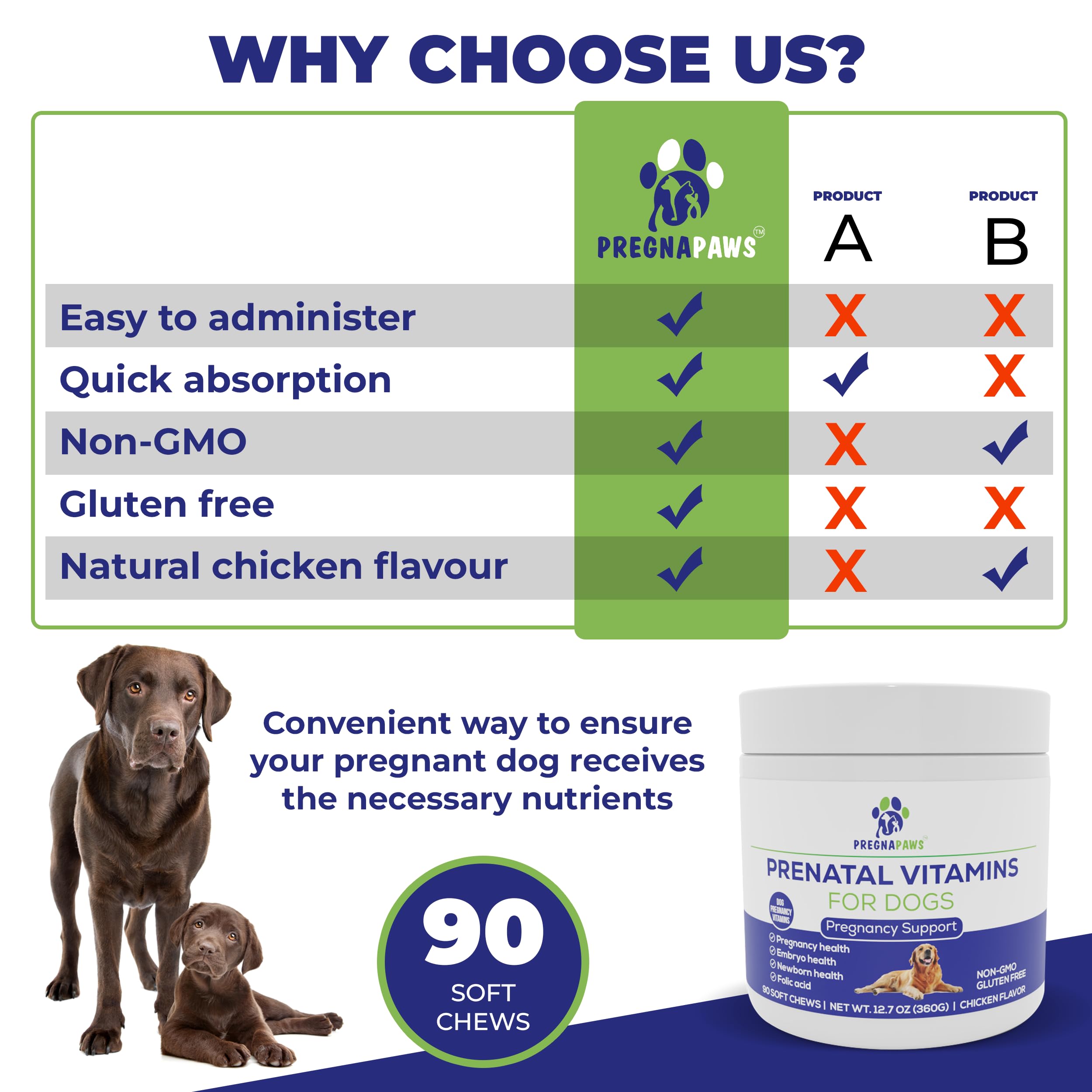
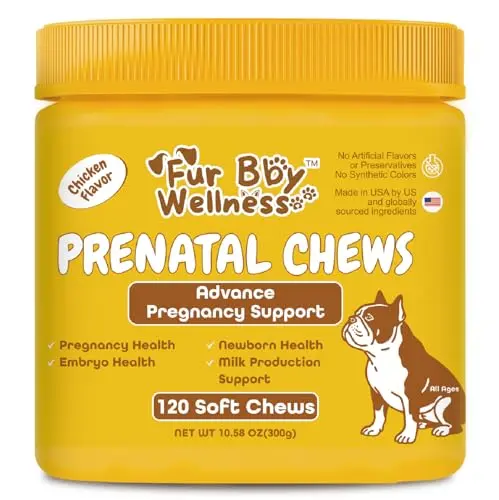
Beyond specialized diets, targeted supplementation may be necessary. Common supplements recommended by veterinarians include folic acid, often started before breeding, to support early fetal development. Omega-3 fatty acids, particularly DHA, are beneficial for the neural and retinal development of puppies. Calcium and phosphorus supplementation requires careful monitoring; while essential, excessive calcium before whelping can predispose a dam to eclampsia. Iron may be recommended to prevent anemia, and a general canine prenatal multivitamin formulated by a reputable manufacturer can help cover a broad spectrum of nutrient needs.
It is vital to adhere strictly to veterinary recommendations regarding the type, dosage, and duration of any supplement. Human supplements are not appropriate for dogs due to differing metabolic needs and potential toxicity risks. Regular monitoring of the dam’s weight and body condition throughout pregnancy is essential to ensure she is gaining weight appropriately and maintaining optimal health. Adjustments to food quantity or supplement regimen can be made based on these assessments.
When Professional Help May Be Needed
Professional veterinary intervention is not merely for emergencies during canine pregnancy; it is an essential component of responsible care from conception planning through lactation. A consultation with a veterinarian should be scheduled even before breeding to ensure the dam is in optimal health and to discuss a pre-conception nutritional strategy, including any initial supplementation.
Once pregnancy is confirmed, regular veterinary check-ups become critical. These visits allow for monitoring the dam’s health, tracking fetal development, and most importantly, establishing and adjusting a precise dietary and supplementation plan. Any questions or concerns regarding specific supplements, their dosages, or the timing of administration should always be directed to a veterinarian.
Immediate veterinary attention is warranted if a pregnant dog exhibits any signs of illness, such as persistent lethargy, vomiting, diarrhea, loss of appetite, unusual vaginal discharge, excessive panting, or difficulty breathing. Concerns about the dam’s weight whether she is losing weight or gaining too much too rapidly also necessitate professional assessment. Furthermore, during the whelping process or in the weeks following birth, if the dam shows signs of eclampsia (tremors, stiffness, disorientation) or struggles with milk production, emergency veterinary care is crucial. Proactive engagement with veterinary professionals ensures the highest standard of care for the pregnant dog and her developing litter.
Conclusion
The topic of “supplement for pregnant dog” underscores the profound commitment involved in canine breeding and responsible pet ownership. Providing optimal nutrition, often including targeted supplementation, is not merely beneficial but a fundamental aspect of ensuring the health and vitality of both the dam and her future puppies. A successful pregnancy hinges on a meticulous approach to dietary management, supported by informed decisions regarding nutritional supplements. Consistent observation for any signs of distress or deficiency, coupled with a proactive partnership with a veterinarian, forms the bedrock of this care. By prioritizing tailored nutrition and professional guidance, owners can empower their pregnant dogs to navigate this demanding period with strength, ultimately leading to the birth of healthy, thriving litters and enhancing the overall well-being of the entire canine family.
Pet Care & Wellness Overview Table
| Life Stage | Daily Activity Level | Key Nutrition / Care Focus |
|---|---|---|
| Puppy / Kitten | High (frequent short bursts) | High-protein growth diet & early socialization |
| Adult Companion | Moderate (30–60 mins daily) | Balanced maintenance nutrition & dental hygiene |
| Senior Pets | Low to Gentle (mindful walks) | Joint support (Glucosamine) & routine vet checks |
Images References





For more expert pet care tips and advice, check out our dedicated Dog Nutrition guides to keep your companions healthy and happy.




