

Introduction
Arthritis, also known as osteoarthritis or degenerative joint disease, is a common and often debilitating condition that affects millions of dogs globally. This progressive inflammation of the joints can significantly impact a dogs mobility, comfort, and overall quality of life. Understanding the nuances of canine arthritis is crucial for devoted pet owners aiming to alleviate discomfort and improve their companion’s well-being. While conventional veterinary treatments play a vital role, many owners explore additional avenues to support joint health. This article delves into the world of supplements for arthritis in dogs, explaining what these products entail, their potential benefits, and how they can be integrated into a comprehensive management plan to help a dog move more comfortably and live a fuller life.
💡 Pet Care Key Takeaways:
- Core Focus: Practical health, nutrition, and wellness guidelines for Supplements For Arthritis In Dogs.
- Target Scope: Pet owners, animal caregivers, and veterinary support staff.
- Best Recommendation: Maintain consistent daily routines and consult an accredited veterinarian before introducing major diet or medical changes.
Common Causes and Key Factors
Canine arthritis often develops due to a combination of genetic predispositions, age, and lifestyle factors. As dogs age, the cartilage cushioning their joints naturally wears down, leading to bone-on-bone friction, inflammation, and pain. Large and giant breeds, such as German Shepherds, Labradors, and Golden Retrievers, are particularly prone due to their rapid growth rates and the stress placed on their joints. For more related activities, check out our Natural Balance Puppy Food Quantity Chart.
Other significant contributing factors include previous joint injuries, such as fractures or ligament tears, which can accelerate degenerative changes. Obesity is another major culprit, as excess weight places undue strain on joints, exacerbating wear and tear and inflammation. Certain conformational abnormalities, like hip or elbow dysplasia, are also strong predispositions, with these conditions often leading to early onset arthritis. A dog’s activity level, diet, and even past surgical interventions can also play a role in the progression and severity of this chronic condition.
Signs and Symptoms to Observe
Recognizing the signs of arthritis early allows for timely intervention, potentially slowing its progression and managing pain effectively. Dogs, being stoic creatures, often hide their discomfort, making careful observation essential. Common indicators include a noticeable reluctance to jump, climb stairs, or engage in previously enjoyed activities like running or playing fetch.
Owners might observe a subtle lameness, stiffness, especially after resting or waking up, or difficulty getting up from a lying position. A dog’s gait might change, appearing stiff or uneven. Behavioral shifts, such as increased irritability, withdrawn behavior, or a decreased desire for interaction, can also signal underlying pain. Licking, chewing, or biting at specific joints, muscle atrophy in affected limbs, or even subtle changes in posture can also be indicative. These signs can vary in intensity depending on a dogs age, breed, and the severity of the arthritis, but any persistent change in mobility or behavior warrants attention.
Practical Solutions and Management Strategies
Managing arthritis in dogs requires a multifaceted approach focused on pain relief, reducing inflammation, and preserving joint function. Lifestyle adjustments are paramount; maintaining a healthy weight through a balanced diet is critical to lessen joint strain. Regular, low-impact exercise, such as short walks or swimming, can help maintain muscle strength and joint flexibility without causing excessive stress.
Environmental modifications at home can also significantly improve a dog’s comfort. Providing orthopedic beds, using ramps for access to furniture or vehicles, and ensuring non-slip flooring can prevent painful slips and falls. Warmth can also be beneficial, so providing a cozy, draft-free sleeping area is helpful.
1. The Role of Supplements for Arthritis in Dogs
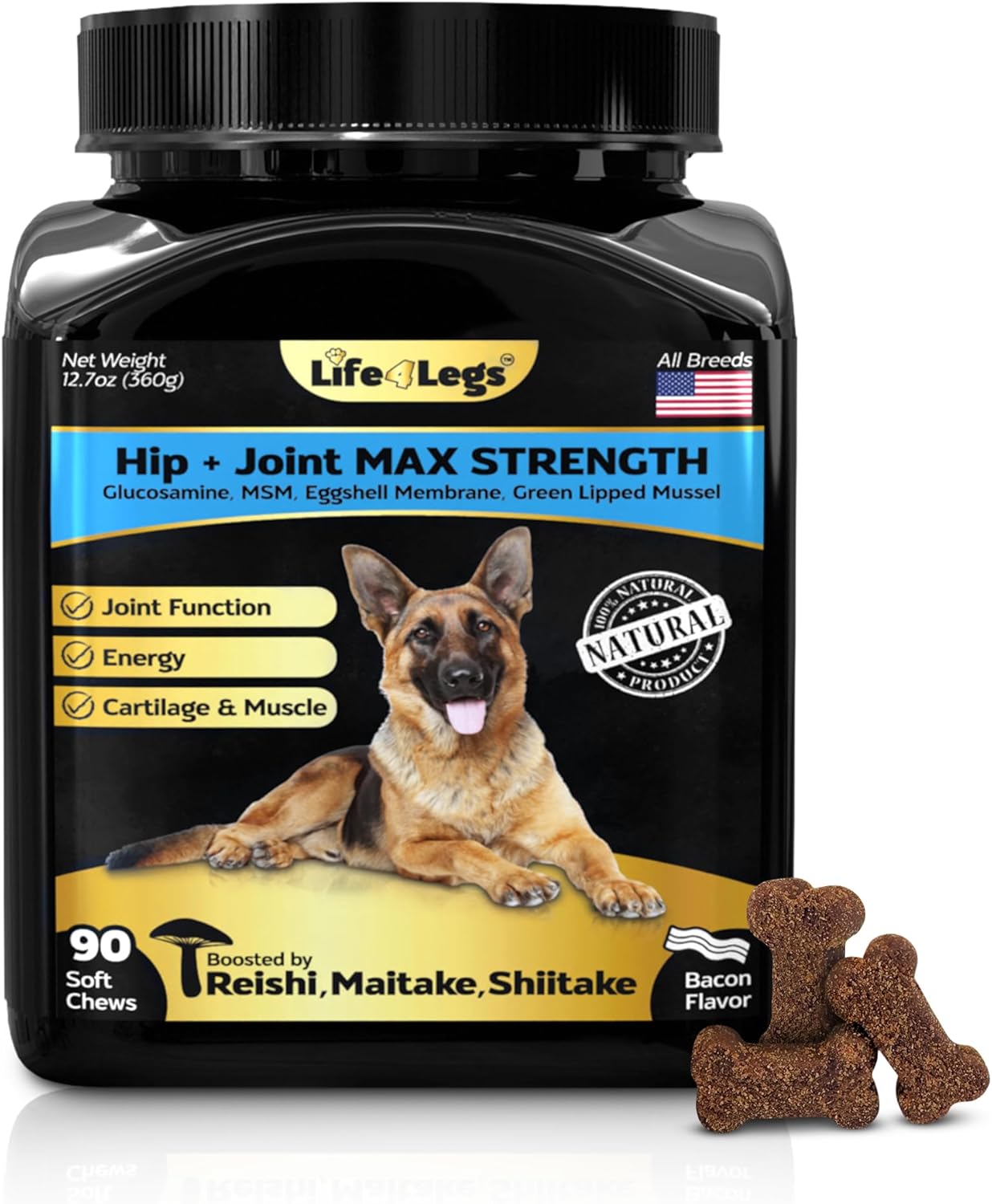
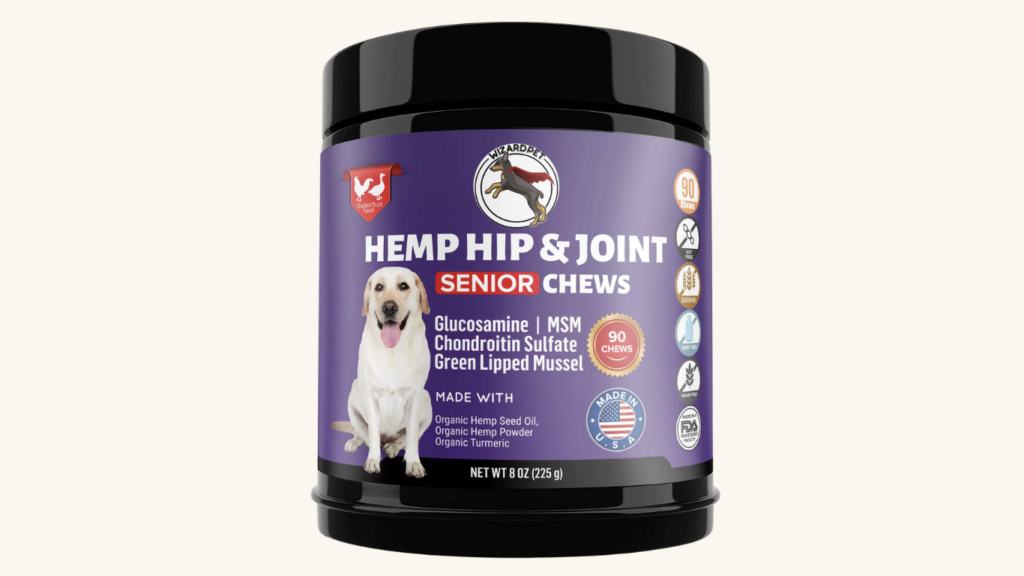
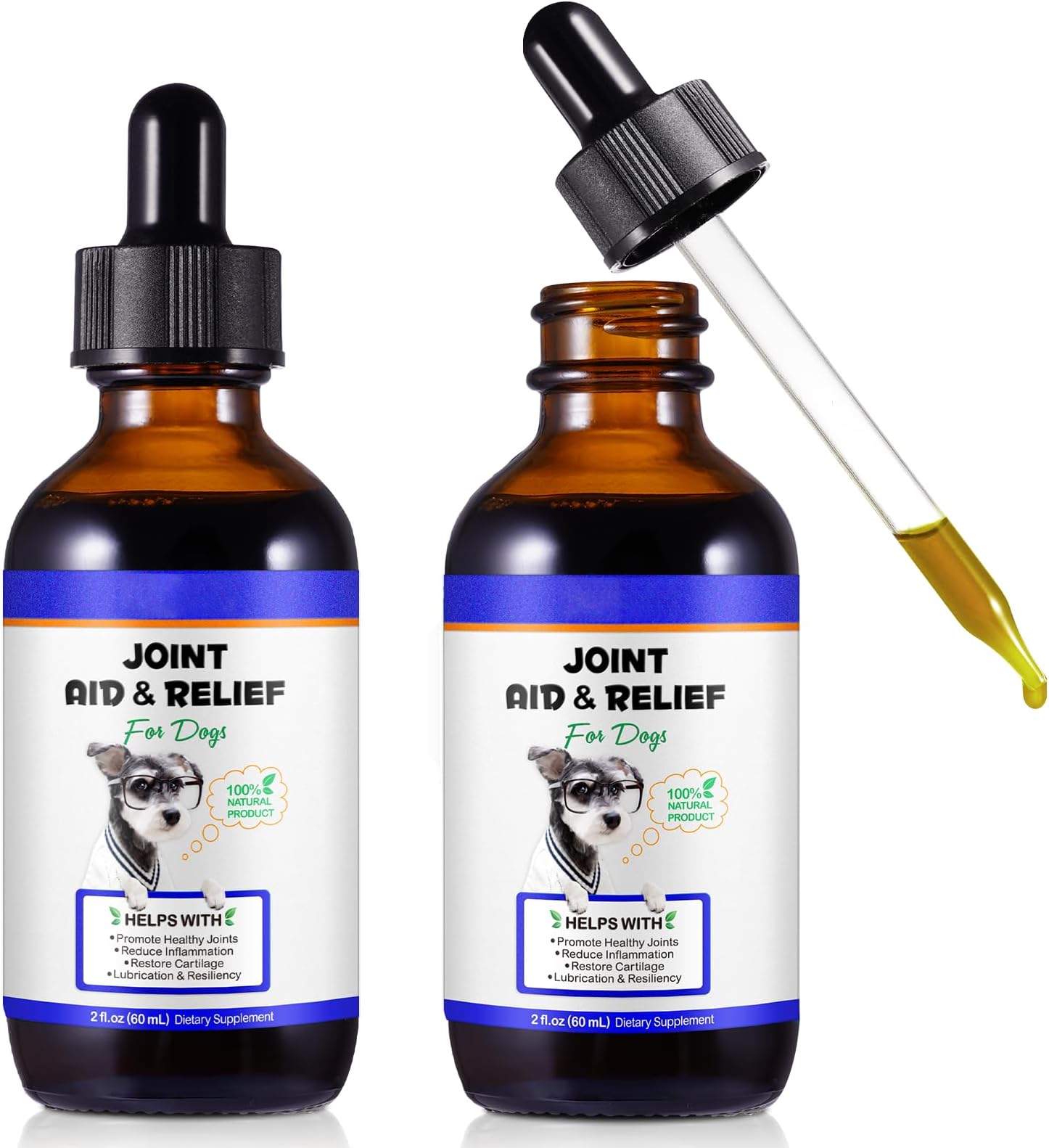
Beyond these foundational strategies, supplements for arthritis in dogs are often considered a valuable supportive therapy. These products are not a cure, but they can provide essential nutrients believed to support cartilage health, reduce inflammation, and enhance joint lubrication.
- Glucosamine and Chondroitin: These are perhaps the most well-known joint supplements. Glucosamine is a building block for cartilage, while chondroitin helps maintain cartilage elasticity and inhibits enzymes that break down cartilage. Their combined use is thought to promote cartilage repair and reduce pain.
- Omega-3 Fatty Acids (EPA and DHA): Derived from fish oil, these fatty acids possess powerful anti-inflammatory properties. They can help reduce joint inflammation, thereby alleviating pain and improving mobility.
- MSM (Methylsulfonylmethane): An organic sulfur compound, MSM is often included in joint formulas for its purported anti-inflammatory and pain-relieving effects. It may also support connective tissue health.
- Green-Lipped Mussel (GLM): Sourced from New Zealand, GLM contains a unique combination of omega-3s, glycosaminoglycans, and antioxidants, all of which contribute to its anti-inflammatory and joint-protective benefits.
- Turmeric/Curcumin: This spice is recognized for its potent anti-inflammatory and antioxidant properties. When formulated for dogs, curcumin can help reduce pain and swelling associated with arthritis.
- Hyaluronic Acid: A component of joint fluid, hyaluronic acid helps lubricate joints and absorb shock. Supplementing with it can enhance joint fluid viscosity, improving mobility.
It is important to remember that the efficacy of these supplements can vary between individual dogs, and their benefits typically become noticeable over several weeks or months of consistent use.
When Professional Help May Be Needed
While supplements for arthritis in dogs can be beneficial, they are best used as part of a veterinarian-guided treatment plan. Professional consultation is essential for an accurate diagnosis, to rule out other conditions, and to establish the severity of the arthritis. A veterinarian can recommend appropriate diagnostic tests, such as X-rays, and advise on the most effective management strategies.
If a dog exhibits acute pain, sudden lameness, a refusal to bear weight on a limb, or if existing symptoms worsen despite current management efforts, immediate veterinary attention is crucial. Furthermore, a veterinarian can provide guidance on prescription medications, such as non-steroidal anti-inflammatory drugs (NSAIDs) or other pain relievers, which may be necessary to manage severe pain. They can also discuss advanced treatments like physical therapy, acupuncture, or even surgical options when appropriate.
Conclusion
Arthritis presents a significant challenge for many dogs and their owners, but proactive management can make a profound difference in a dog’s comfort and happiness. Understanding the causes and recognizing the subtle signs of joint pain are the first steps toward providing effective care. A comprehensive approach that includes weight management, appropriate exercise, environmental modifications, and carefully selected supplements for arthritis in dogs can offer substantial support. Always consulting with a veterinarian ensures that any supplement regimen is safe, appropriate, and complementary to a dogs overall health plan. With informed care and consistent attention, pet owners can help their canine companions navigate the challenges of arthritis, allowing them to enjoy their golden years with greater comfort and mobility.
Pet Care & Wellness Overview Table
| Life Stage | Daily Activity Level | Key Nutrition / Care Focus |
|---|---|---|
| Puppy / Kitten | High (frequent short bursts) | High-protein growth diet & early socialization |
| Adult Companion | Moderate (30–60 mins daily) | Balanced maintenance nutrition & dental hygiene |
| Senior Pets | Low to Gentle (mindful walks) | Joint support (Glucosamine) & routine vet checks |
Images References





For more expert pet care tips and advice, check out our dedicated Dog Nutrition guides to keep your companions healthy and happy.




