

Introduction
A dogs coat is often a vibrant indicator of its overall health and well-being. A glossy, soft, and thick coat not only enhances a dog’s appearance but also serves as a crucial protective barrier against environmental elements, regulating body temperature and safeguarding the skin. When a dog’s coat appears dull, dry, brittle, or experiences excessive shedding, dog owners naturally seek solutions to restore its vitality. This quest frequently leads to an exploration of supplements for dogs coat, a topic of significant interest for pet enthusiasts aiming to provide optimal care. Understanding how nutrition, including targeted supplementation, impacts coat health is fundamental to improving a dogs comfort, appearance, and general quality of life.
💡 Pet Care Key Takeaways:
- Core Focus: Practical health, nutrition, and wellness guidelines for Supplements For Dogs Coat.
- Target Scope: Pet owners, animal caregivers, and veterinary support staff.
- Best Recommendation: Maintain consistent daily routines and consult an accredited veterinarian before introducing major diet or medical changes.
Common Causes and Key Factors
Various factors can contribute to a less-than-ideal coat condition, prompting consideration of supplements for dogs coat. At the forefront are dietary deficiencies. A diet lacking essential fatty acids, high-quality protein, or vital vitamins and minerals can directly manifest in a poor coat. For instance, insufficient omega-3 and omega-6 fatty acids are a primary culprit behind dry, flaky skin and dull fur. For more related activities, check out our “Fortiflora” And “Gut Health”.
Environmental elements also play a role. Dry climates or prolonged exposure to harsh weather can strip the coat of its natural oils, leading to dryness and brittleness. Furthermore, the use of inappropriate or harsh grooming products can irritate the skin and damage hair follicles over time.
Underlying health issues represent another significant category. Conditions such as allergies (environmental or food-related), parasitic infestations (fleas, mites), bacterial or fungal infections, and hormonal imbalances (e.g., hypothyroidism) can severely impact coat quality. Certain breeds, due to their genetic predispositions, and older dogs, with their altered metabolic processes, may also have specific nutritional requirements that, if unmet, lead to coat issues. Even stress can negatively affect a dog’s skin and coat health.
Signs and Symptoms to Observe
Observing a dogs coat and skin provides valuable clues regarding its health. Several common signs indicate that a dog’s coat may benefit from targeted support or a reevaluation of its care regimen, possibly including supplements for dogs coat.
A primary indicator is a dull, dry, or brittle appearance of the fur. Instead of a healthy sheen, the coat might look lifeless and feel coarse to the touch. Excessive shedding, beyond normal seasonal changes, can also be a symptom of underlying issues. Flaky skin or visible dandruff, along with persistent itching or scratching, suggests skin irritation or dryness.
Other concerning signs include redness, bumps, or sores on the skin, which could point to allergies, infections, or parasites. Patchy hair loss or thinning fur, especially when accompanied by other symptoms, warrants close attention. The overall texture of the coat can also change, becoming greasy, overly rough, or noticeably thinner than typical for the breed and age. These observable symptoms serve as a prompt for owners to explore potential solutions for enhancing coat health.
Practical Solutions and Management Strategies
Addressing coat health issues often requires a multi-faceted approach, with supplements for dogs coat playing a vital role alongside other management strategies. The foundation of a healthy coat begins with a high-quality, complete, and balanced dog food that meets all nutritional requirements.
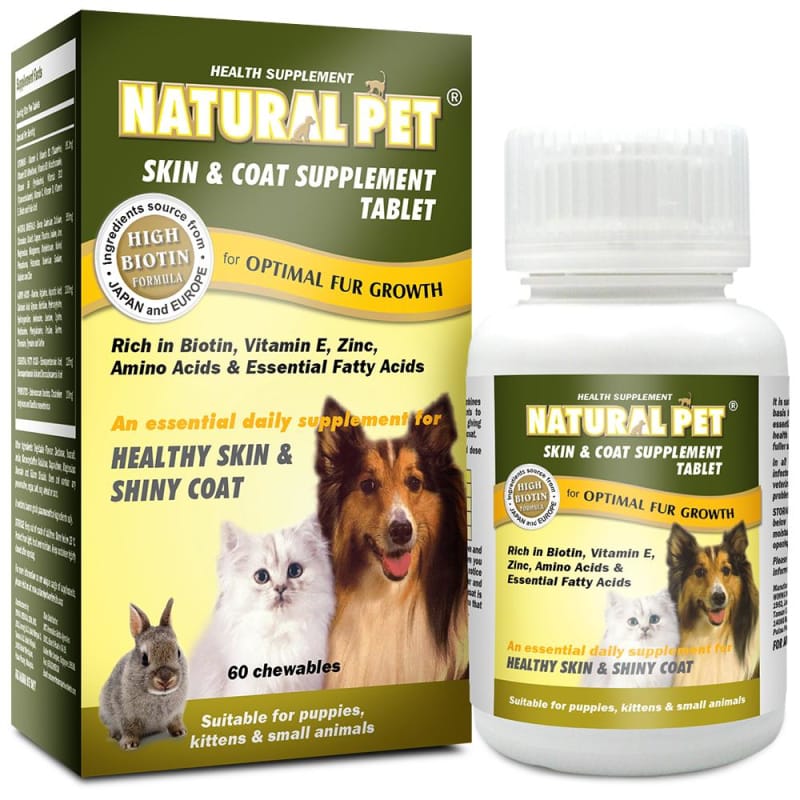
For specific coat enhancement, supplements are frequently considered. Omega-3 fatty acids, particularly EPA and DHA derived from fish oil, are widely recognized for their anti-inflammatory properties and their ability to support skin barrier function and coat luster. Omega-6 fatty acids, such as linoleic acid, also contribute to skin hydration and coat softness. Biotin, a B-vitamin, plays a crucial role in keratin production, which is essential for healthy hair and nails. Zinc is another mineral vital for skin integrity and immune function, and deficiencies can lead to poor coat quality and skin lesions. Vitamins E and A also support skin health and act as antioxidants. These supplements are often available in various forms, including oils, chews, or powders.
Beyond diet, consistent and appropriate grooming is essential. Regular brushing helps distribute natural skin oils, remove loose fur, and stimulate circulation. Using dog-specific shampoos and conditioners that are gentle and moisturizing, and avoiding harsh chemicals, can prevent skin irritation. Ensuring a dog has access to fresh, clean water at all times supports overall hydration, which is also crucial for skin and coat health. In dry environments, humidifiers can help add moisture to the air. Regular parasite control is also paramount to prevent external irritants from damaging the skin and coat.
When Professional Help May Be Needed
While many coat issues can be managed with improved nutrition and consistent care, there are situations where professional veterinary consultation is indispensable. If a dog’s coat problems persist or worsen despite diligent at-home care and the introduction of supplements for dogs coat, a deeper underlying issue may be present.
A veterinarian should be consulted if a dog exhibits severe itching, discomfort, or significant hair loss, particularly when accompanied by skin lesions, redness, or signs of infection. Sudden changes in coat quality, the appearance of unusual bumps or scabs on the skin, or if a dog seems unwell in conjunction with its coat issues, all warrant immediate veterinary attention. A professional can accurately diagnose conditions such as allergies, parasitic infestations, bacterial or fungal infections, hormonal imbalances, or other systemic diseases that might be manifesting through poor coat health. Based on a thorough examination and diagnostic tests, a veterinarian can recommend appropriate medical treatments, prescribe specialized diets, or suggest specific, targeted supplements that address the root cause of the problem.
Conclusion
A healthy, vibrant coat is much more than just an aesthetic feature; it is a strong indicator of a dogs internal health and a vital component of its physical protection. Understanding the common causes of poor coat conditionranging from nutritional gaps and environmental factors to underlying health issuesempowers dog owners to take proactive steps. While a high-quality diet and consistent grooming practices form the bedrock of coat care, supplements for dogs coat, particularly those rich in essential fatty acids, biotin, and vital minerals, can provide targeted support to enhance skin integrity and coat luster. Continuous observation and an attentive approach to a dog’s well-being are crucial. By recognizing the signs of a compromised coat and seeking professional veterinary guidance when necessary, owners can ensure their beloved companions enjoy optimal health, characterized by a truly magnificent coat.
Pet Care & Wellness Overview Table
| Life Stage | Daily Activity Level | Key Nutrition / Care Focus |
|---|---|---|
| Puppy / Kitten | High (frequent short bursts) | High-protein growth diet & early socialization |
| Adult Companion | Moderate (30–60 mins daily) | Balanced maintenance nutrition & dental hygiene |
| Senior Pets | Low to Gentle (mindful walks) | Joint support (Glucosamine) & routine vet checks |
Images References




For more expert pet care tips and advice, check out our dedicated Dog Nutrition guides to keep your companions healthy and happy.




