

Introduction
Understanding the nuances of canine health is a cornerstone of responsible pet ownership. Among the various health challenges dogs can face, yeast overgrowth, often referred to as a yeast infection, stands as a common and sometimes persistent issue. This condition can lead to significant discomfort and negatively impact a dog’s overall quality of life. While veterinary intervention is crucial for diagnosis and primary treatment, many pet owners explore the role of supplements for yeast in dogs as a supportive measure. These supplements aim to address underlying imbalances, bolster the immune system, and foster a healthier internal and external environment, thereby helping to manage and prevent yeast-related problems. Recognizing the signs and understanding the available supportive options can significantly contribute to a dog’s well-being and alleviate their distress.
💡 Pet Care Key Takeaways:
- Core Focus: Practical health, nutrition, and wellness guidelines for Supplements For Yeast In Dogs.
- Target Scope: Pet owners, animal caregivers, and veterinary support staff.
- Best Recommendation: Maintain consistent daily routines and consult an accredited veterinarian before introducing major diet or medical changes.
Common Causes and Key Factors
Yeast overgrowth in dogs, primarily caused by the fungus Malassezia pachydermatis, is rarely a standalone issue. Instead, it typically arises as a secondary problem, flourishing when underlying conditions compromise the dog’s natural defenses. Several key factors contribute to its development. For more related activities, check out our Pitbullnutrition.
Biological Factors: A significant contributor is a compromised immune system, often linked to allergies. Environmental allergies (atopy) to pollens, dust mites, or molds, and food allergies or sensitivities, can lead to inflamed skin, which creates a prime environment for yeast proliferation. Hormonal imbalances, such as hypothyroidism, can also weaken the skin barrier and immune response. Furthermore, the use of certain medications like antibiotics and corticosteroids can disrupt the natural balance of microorganisms in the gut and on the skin, allowing yeast to multiply unchecked. Some breeds, including Basset Hounds, Cocker Spaniels, and Bulldogs, possess genetic predispositions due to their skin folds, floppy ears, or oily skin, which provide moist, warm environments conducive to yeast growth.
Environmental Factors: High humidity and moisture are significant environmental triggers. Areas of a dog’s body that remain damp, such as ears, paw pads, and skin folds, become ideal breeding grounds for yeast. Insufficient drying after baths or swimming can exacerbate this.
Dietary Factors: The relationship between diet and yeast is complex. Diets high in carbohydrates or certain sugars can potentially feed yeast populations, especially within the gut, leading to an imbalance in the microbiome (dysbiosis). A lack of essential nutrients or an inflammatory diet can also weaken a dog’s overall health and immune function, making them more susceptible to opportunistic infections like yeast.
Signs and Symptoms to Observe
Identifying a yeast infection early is key to effective management. The signs can vary in severity and location but generally involve skin and ear irritation. Owners should be vigilant for any changes in their dog’s coat, skin, or behavior.
Skin-Related Symptoms: Persistent itching is a primary indicator. Dogs may frequently scratch, lick, or chew at affected areas. The skin often appears red, inflamed, or greasy, and can develop a flaky or scaly texture. A distinctive, often unpleasant odor, sometimes described as “corn chip-like” or “rancid,” is a hallmark of yeast overgrowth. In chronic cases, the skin may thicken (known as “elephant skin”) and become hyperpigmented, appearing dark or black. Hair loss can also occur in affected areas due to inflammation and scratching.
Ear-Related Symptoms: Yeast infections commonly affect the ears, particularly in breeds with floppy ears. Observable signs include head shaking, persistent ear scratching, and a dark, waxy discharge that may also have a strong odor. The ear canal might appear red and swollen, indicating inflammation.
Paw-Related Symptoms: Dogs with yeast on their paws tend to lick and chew excessively at their feet. The paw pads and the skin between the toes may become red, swollen, and itchy. A brownish or reddish-brown staining of the fur between the paw pads can also be present, resulting from yeast metabolites.
These symptoms can vary depending on the dog’s age, breed, and the duration of the infection. Consistent observation allows owners to detect problems promptly.
Practical Solutions and Management Strategies
Managing yeast overgrowth in dogs requires a multi-faceted approach, with supplements for yeast in dogs playing a supportive role alongside veterinary-prescribed treatments and lifestyle adjustments. The goal is to reduce the yeast population and address underlying factors.
Dietary Adjustments: A foundational strategy involves reviewing a dog’s diet. Many experts suggest transitioning to a high-quality, balanced diet that minimizes processed ingredients and excessive carbohydrates, which can potentially feed yeast. Focus on whole, species-appropriate foods rich in protein and healthy fats.
Key Supplements for Yeast in Dogs:
- Probiotics: These beneficial bacteria help restore and maintain a healthy gut microbiome. A balanced gut is crucial for a robust immune system and can help crowd out opportunistic yeast. Look for multi-strain probiotics specifically formulated for dogs.
- Omega-3 Fatty Acids (EPA & DHA): Found in fish oil, these fatty acids possess potent anti-inflammatory properties. They can help reduce skin inflammation and strengthen the skin barrier, making it less hospitable for yeast and improving overall skin health.
- Caprylic Acid/Coconut Oil: Caprylic acid, a medium-chain triglyceride (MCT) found in coconut oil, is known for its antifungal properties. It can be administered orally or applied topically (in diluted forms or as part of a product) to help combat yeast. When using coconut oil internally, a gradual introduction is advised.
- Digestive Enzymes: Supplementing with digestive enzymes can improve nutrient absorption and reduce the amount of undigested food in the gut, which might otherwise feed yeast. This can support overall digestive health.
- Immune Boosters: Nutrients like Zinc, Vitamin C, and Vitamin E, along with medicinal mushrooms (e.g., reishi, turkey tail) containing beta-glucans, can help fortify the immune system, enabling the body to better combat infections.
Topical Support: While internal supplements work from within, topical treatments like medicated shampoos, conditioners, and wipes containing antifungal ingredients (e.g., chlorhexidine, miconazole) are often used synergistically to directly address skin-surface yeast. Regular bathing and proper drying, especially in skin folds, are essential.
Environmental Control: Ensuring a dog’s living environment is clean and dry helps prevent yeast proliferation. This includes regular grooming, particularly for breeds prone to skin folds or dense coats, and thoroughly drying a dog after baths or exposure to moisture.
When Professional Help May Be Needed
While exploring supplements for yeast in dogs and implementing supportive strategies is beneficial, it is vital to recognize the importance of professional veterinary care. Supplements are best viewed as complementary tools, not as primary treatments for severe or persistent yeast infections.
A veterinary consultation is crucial for an accurate diagnosis. A veterinarian can differentiate a yeast infection from other skin conditions that present with similar symptoms, such as bacterial infections, mites, or allergies. They can perform diagnostic tests, such as skin scrapings or cytology, to confirm the presence of yeast and rule out other underlying health issues like hypothyroidism or severe allergies, which necessitate specific treatments.
Professional help is particularly needed when:
- Symptoms are severe, rapidly worsening, or causing significant discomfort to the dog.
- The infection is widespread or does not respond to initial home care attempts.
- A dog exhibits lethargy, loss of appetite, or other systemic signs of illness.
- The yeast infection is recurrent, suggesting a deeper, unaddressed underlying cause.
- A dog is already on other medications, as supplements could interact with prescribed drugs.
A veterinarian can prescribe appropriate antifungal medications, whether topical or oral, and develop a comprehensive treatment plan that addresses both the yeast infection and its root cause, ensuring the most effective and safest recovery for the dog.
Conclusion
Yeast overgrowth in dogs represents a common and often uncomfortable challenge for canine companions. Effectively managing this condition hinges on a thorough understanding of its causes, diligent observation of symptoms, and a holistic approach to care. While professional veterinary diagnosis and treatment form the bedrock of recovery, the thoughtful integration of supplements for yeast in dogs can play a significant supportive role. By enhancing immune function, balancing the gut microbiome, and promoting skin health, these supplements contribute to a dog’s overall well-being. Consistent awareness, proactive dietary and environmental management, and a willingness to seek expert veterinary guidance are paramount. Through a combined effort, owners can significantly improve their dog’s comfort and foster a healthier, happier life for their beloved companion.
Pet Care & Wellness Overview Table
| Life Stage | Daily Activity Level | Key Nutrition / Care Focus |
|---|---|---|
| Puppy / Kitten | High (frequent short bursts) | High-protein growth diet & early socialization |
| Adult Companion | Moderate (30–60 mins daily) | Balanced maintenance nutrition & dental hygiene |
| Senior Pets | Low to Gentle (mindful walks) | Joint support (Glucosamine) & routine vet checks |
Images References


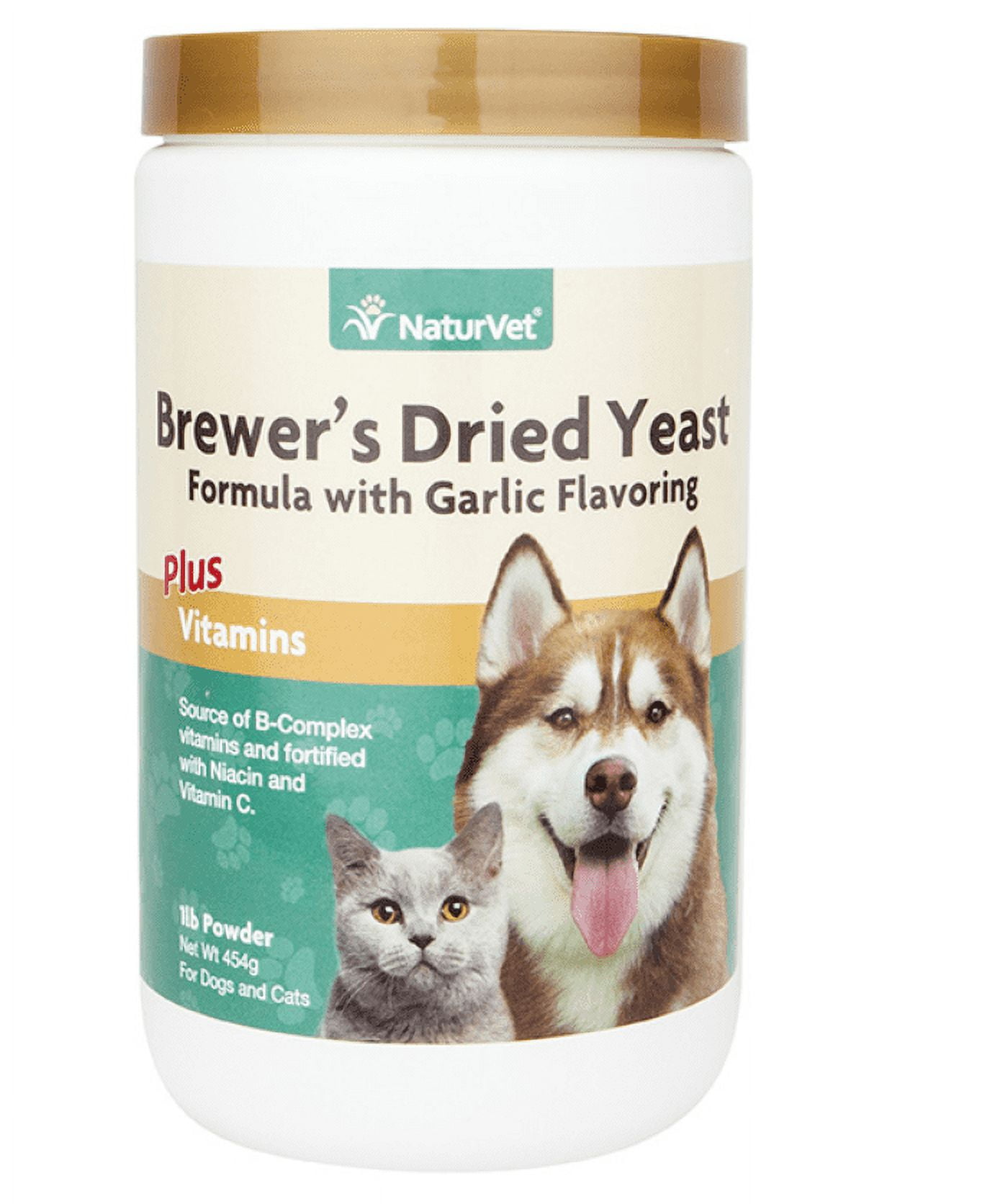


For more expert pet care tips and advice, check out our dedicated Dog Nutrition guides to keep your companions healthy and happy.




