

Introduction
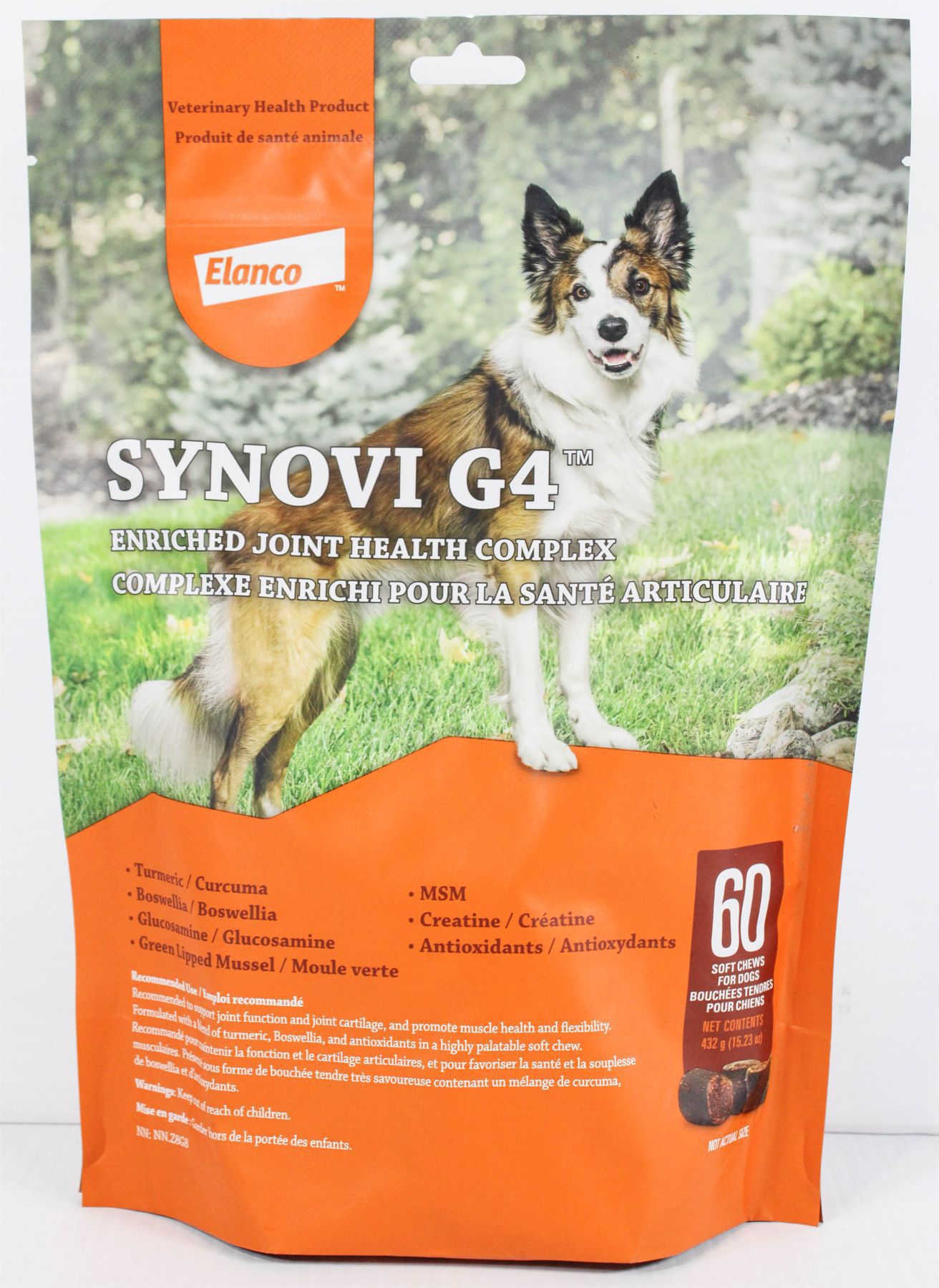
Maintaining a dog’s health and vitality involves understanding various aspects of their physical well-being. Among the critical areas of focus for many dog owners is joint health, especially as dogs age or if they belong to breeds predisposed to orthopedic concerns. In this context, products designed to support joint function often become a topic of discussion. One such name encountered in the realm of canine supplements is Synovi G4. This article aims to demystify Synovi G4, explaining its purpose, the conditions it addresses, and its role within a comprehensive approach to canine mobility and comfort. Understanding how such supplements contribute to a dog’s joint health can significantly improve their quality of life, allowing for continued activity and reducing discomfort associated with everyday movement.
💡 Pet Care Key Takeaways:
- Core Focus: Practical health, nutrition, and wellness guidelines for Synovi G4.
- Target Scope: Pet owners, animal caregivers, and veterinary support staff.
- Best Recommendation: Maintain consistent daily routines and consult an accredited veterinarian before introducing major diet or medical changes.
Common Causes and Key Factors
Joint issues in dogs, which supplements like Synovi G4 aim to support, can stem from a variety of factors. Age is a primary contributor, as the natural wear and tear on joints over a dogs lifetime can lead to conditions such as osteoarthritis. Older dogs often experience a decrease in cartilage integrity and synovial fluid production, resulting in stiffness and pain. For more related activities, check out our Signs Of A Deaf Dog Behavior Problems And Solutions.
Breed predisposition also plays a significant role. Large and giant breeds, as well as certain purebreds like German Shepherds, Labrador Retrievers, Golden Retrievers, and Rottweilers, are genetically prone to conditions such as hip and elbow dysplasia. These developmental abnormalities can lead to chronic joint instability and degenerative changes.
Beyond genetics and age, lifestyle factors contribute significantly. Excessive weight places undue stress on a dogs joints, accelerating cartilage breakdown and increasing the risk of inflammation. High-impact activities, repetitive motions, or past injuries can also predispose a dog to joint problems. Conversely, a lack of appropriate exercise can lead to muscle weakness, which in turn reduces joint support and stability. A balanced and nutritious diet is crucial for overall skeletal health, but deficiencies or imbalances can sometimes impact joint resilience.
Signs and Symptoms to Observe
Recognizing the signs of joint discomfort is crucial for early intervention and effective management. Subtle changes in a dogs behavior or movement patterns often indicate underlying joint issues. A common sign is a reluctance to perform activities once enjoyed, such as jumping onto furniture, climbing stairs, or engaging in prolonged play sessions.
Observing a dogs gait can also provide clues. Limping, stiffness, or lameness, particularly after periods of rest or in cold weather, are strong indicators. Dogs might exhibit difficulty getting up from a lying position, or they may move more slowly and cautiously during walks. In some cases, a “bunny hop” gait, where both hind legs move together, can suggest hip discomfort.
Other observable symptoms include licking, chewing, or biting at a specific joint, indicating localized pain or irritation. There may also be audible clicks or cracks from joints during movement. Behavioral changes such as increased irritability, withdrawn behavior, or vocalization (whining or yelping) when touched or attempting to move can also signal chronic pain. These signs can vary in intensity depending on the dog’s age, breed, and the severity of the joint condition.
Practical Solutions and Management Strategies
Addressing canine joint health involves a multi-faceted approach, often integrating various strategies to support mobility and alleviate discomfort. Dietary support, including joint supplements, forms a key pillar of this strategy. Products like Synovi G4 are formulated with ingredients known to support joint cartilage and fluid. Commonly found components in such supplements include glucosamine, which helps maintain cartilage structure; chondroitin, which aids in water retention and elasticity of cartilage; and MSM (Methylsulfonylmethane), often included for its anti-inflammatory properties. Antioxidants are also frequently incorporated to combat oxidative stress in joint tissues.
Weight management is paramount; maintaining a lean body condition significantly reduces the load on joints, mitigating stress and slowing the progression of degenerative conditions. A balanced, high-quality diet provides essential nutrients for overall musculoskeletal health.
Modifying exercise routines can also be highly beneficial. Instead of high-impact activities, focus on low-impact exercises like swimming, controlled leash walks, or hydrotherapy. These activities help maintain muscle mass without putting excessive strain on the joints. Short, frequent walks are generally preferable to long, strenuous outings for dogs with joint concerns.
Environmental adjustments within the home can also make a significant difference. Providing orthopedic beds offers better cushioning and support. Ramps or pet steps can help dogs access elevated surfaces like couches or cars without painful jumping. Non-slip rugs on slick floor surfaces prevent slips and falls, which can further aggravate joint conditions. Keeping dogs warm, especially in colder climates, can also help reduce joint stiffness.
When Professional Help May Be Needed
While diligent observation and proactive home management are vital, there are specific situations where professional veterinary intervention becomes essential. If a dog exhibits persistent lameness, an inability to bear weight on a limb, or sudden, severe pain, immediate veterinary attention is warranted. These symptoms could indicate an acute injury, a worsening underlying condition, or even a different health issue requiring diagnosis.
Furthermore, before initiating any new supplement regimen, including products like Synovi G4, a veterinary consultation is strongly recommended. A veterinarian can accurately diagnose the underlying cause of joint issues, rule out other medical conditions, and determine if a joint supplement is appropriate for the individual dogs specific needs and health status. They can also advise on the correct dosage and potential interactions with other medications.
For dogs diagnosed with specific joint diseases such as advanced arthritis, hip dysplasia, or torn ligaments, veterinary professionals can offer a range of treatment options beyond supplements. These may include prescription anti-inflammatory medications, pain relievers, physical therapy, laser therapy, acupuncture, or in some cases, surgical interventions to correct structural abnormalities or repair damaged tissues. Regular check-ups allow for ongoing assessment of a dog’s joint health and adjustment of management strategies as needed.
Conclusion
A dog’s ability to move freely and comfortably is integral to their overall happiness and quality of life. Understanding the factors that influence joint health, recognizing the subtle signs of discomfort, and implementing proactive strategies are fundamental aspects of responsible pet ownership. Joint supplements like Synovi G4 represent one valuable component within a comprehensive approach to canine mobility, providing targeted nutritional support for cartilage and joint function. However, their efficacy is maximized when integrated with a balanced diet, appropriate exercise, environmental modifications, and, most importantly, consistent veterinary oversight. Prioritizing a dog’s joint health through awareness, careful observation, and professional guidance ensures that these cherished companions can enjoy an active and fulfilling life for as long as possible.
Pet Care & Wellness Overview Table
| Life Stage | Daily Activity Level | Key Nutrition / Care Focus |
|---|---|---|
| Puppy / Kitten | High (frequent short bursts) | High-protein growth diet & early socialization |
| Adult Companion | Moderate (30–60 mins daily) | Balanced maintenance nutrition & dental hygiene |
| Senior Pets | Low to Gentle (mindful walks) | Joint support (Glucosamine) & routine vet checks |
Images References





For more expert pet care tips and advice, check out our dedicated Dog Health guides to keep your companions healthy and happy.


