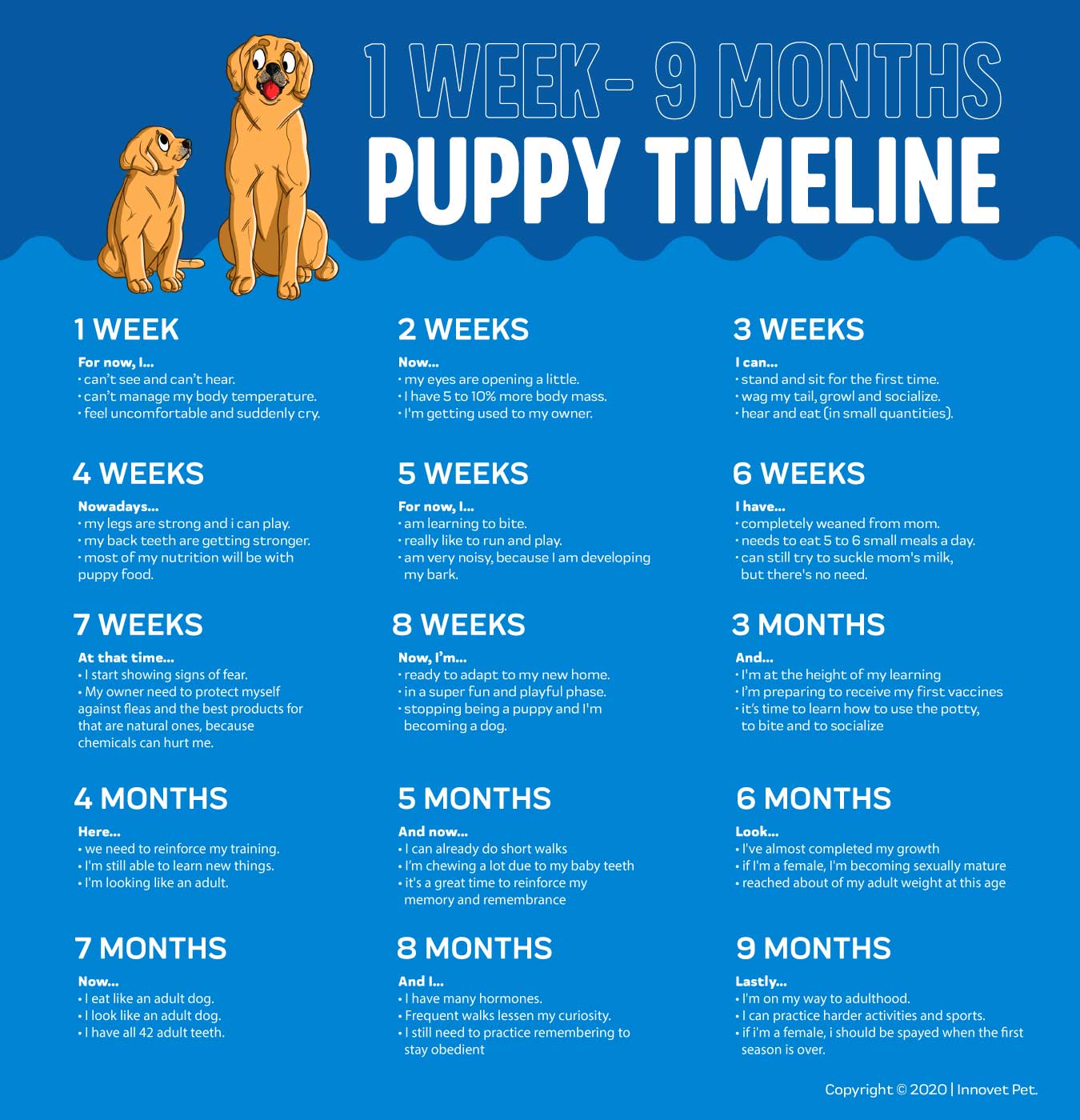
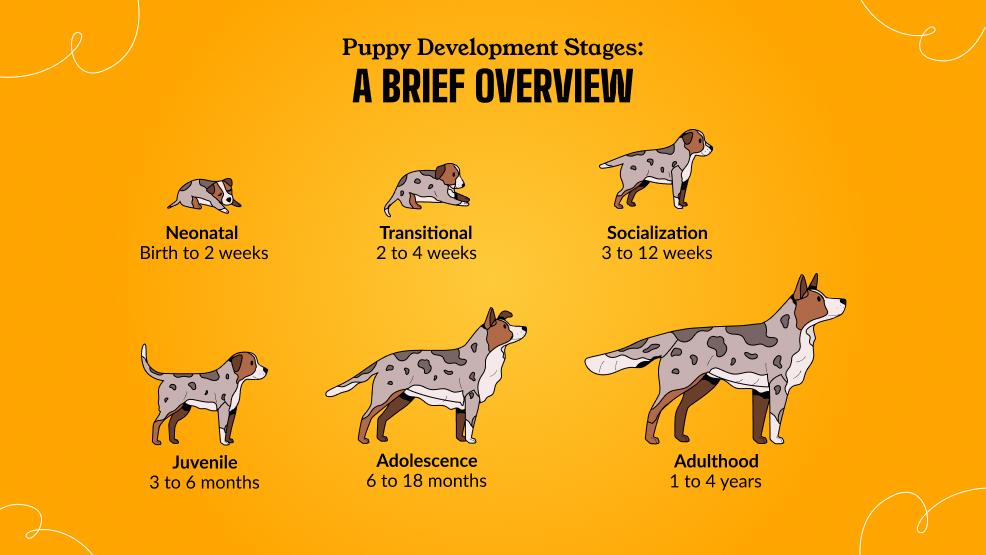
According to the American Society for the Prevention of Cruelty to Animals (ASPCA), the adolescent stage of canine development frequently presents significant behavioral challenges that test the patience of even the most dedicated caregivers. Navigating the delicate transition from a manageable puppy to an adult dog involves understanding a complex phase of neurological and physical shifts. Many households suddenly find themselves dealing with an animal that seems to have forgotten every command learned in early obedience classes. Certified professional dog trainers often field frantic inquiries during this exact window, as the cute puppy antics of earlier months give way to intense adolescent testing.
💡 Pet Care Key Takeaways:
- Core Focus: Practical health, nutrition, and wellness guidelines for Ten Month Puppy Behaviour.
- Target Scope: Pet owners, animal caregivers, and veterinary support staff.
- Best Recommendation: Maintain consistent daily routines and consult an accredited veterinarian before introducing major diet or medical changes.
Ten month puppy behaviour represents the peak of canine adolescence driven by a surge in developmental hormones and brain rewiring.
Adolescent canine development involves profound neurological restructuring, similar to human teenage years, which directly impacts impulse control and decision-making processes. During this period, the prefrontal cortex—the area of the brain responsible for problem-solving, emotional regulation, and self-control—undergoes significant remodeling. Consequently, a ten-month-old canine may display sudden bouts of selective deafness, heightened reactivity to environmental stimuli, and an increased drive to explore boundaries. Working closely with hundreds of adolescent dogs in a training facility reveals a common pattern where previously reliable house-training or leash manners temporarily deteriorate as these internal shifts take place. For more related activities, check out our Dog Care Edge Ultrasonic Dog Trainer.
Managing ten month puppy behaviour requires a structured approach focusing on consistent reinforcement, mental enrichment, and clear boundaries.
Addressing these developmental changes effectively means shifting away from reactive discipline and instead prioritizing proactive management and positive reinforcement techniques. When an adolescent dog suddenly starts pulling on the leash or jumping on visitors, reinforcing alternative incompatible behaviors—such as sitting for attention—yields much better long-term results than punishment. Furthermore, incorporating scent work, puzzle toys, and advanced obedience games helps channel excess physical and mental energy into productive outlets. Establishing predictable daily routines reduces anxiety and provides the structural framework young dogs desperately crave while their internal chemistry fluctuates wildly.
Adolescence is a primary risk factor for relinquishment to shelters if behavioral needs go unmet — American Society for the Prevention of Cruelty to Animals (ASPCA)
Consistency and patience remain the foundational pillars for successfully guiding a dog through the teenage months.
Common pitfalls during this stage include relaxing household rules prematurely or using punitive correction methods that often exacerbate fear and reactivity. In professional practice, observing handlers resort to dominance-based techniques almost invariably leads to a breakdown in trust and an escalation of defensive responses. Instead, maintaining clear, compassionate boundaries while rewarding calm demeanor accelerates emotional maturity. Environmental management also plays a crucial role; preventing rehearsal of unwanted habits, such as counter-surfing or excessive barking, stops those behaviors from becoming deeply ingrained adult patterns.
Positive reinforcement training methods build stronger long-term bonds and reduce stress-related behaviors in growing dogs — American Kennel Club (AKC)
Breed size and individual temperament heavily influence how intensely ten month puppy behaviour manifests in daily life.
Larger guardian breeds, such as Mastiffs or German Shepherds, may exhibit more physically imposing challenges due to their rapid weight gain and sheer strength before their brains catch up to their bodies. Conversely, smaller toy breeds might display intensified vocalization or territorial tendencies as they test their independence within the household environment. Understanding specific breed history provides valuable context for predicting which behavioral traits, whether herding, guarding, or retrieving drives, will peak during adolescence. Tailoring management strategies to suit the unique physical and psychological profile of the individual dog ensures a smoother journey through maturity.
Consulting a certified professional or veterinarian becomes essential when ten month puppy behaviour escalates into severe fear, aggression, or self-harm.
While standard adolescent testing is a normal phase of growth, persistent signs of intense fear, unprovoked aggression, or compulsive actions warrant immediate expert evaluation. Medical conditions, ranging from underlying painful joint conditions to hormonal imbalances, frequently manifest as sudden behavioral changes in growing animals. A thorough physical examination by a licensed veterinarian helps rule out medical contributors before a certified animal behaviorist designs a customized behavior modification plan. Never attempt to handle severe aggression without professional guidance, as punitive measures will worsen the underlying emotional state.
Supporting canine development through adolescence creates a foundation for lifelong harmony and balanced companionship.
Guiding an adolescent dog through this challenging window demands immense dedication, yet the rewards of a well-adjusted adult companion make the effort worthwhile. Exploring resources dedicated to Dog Training and understanding foundational Dog Behavior principles can significantly ease daily frustrations. Prioritizing proper Dog Care ensures physical health remains optimal while the body matures. Discover more expert guidance and practical tips for every stage of pet parenthood by visiting PetsAnimalsWorld.com today.
Pet Care & Wellness Overview Table
| Life Stage | Daily Activity Level | Key Nutrition / Care Focus |
|---|---|---|
| Puppy / Kitten | High (frequent short bursts) | High-protein growth diet & early socialization |
| Adult Companion | Moderate (30–60 mins daily) | Balanced maintenance nutrition & dental hygiene |
| Senior Pets | Low to Gentle (mindful walks) | Joint support (Glucosamine) & routine vet checks |
Images References