

Introduction
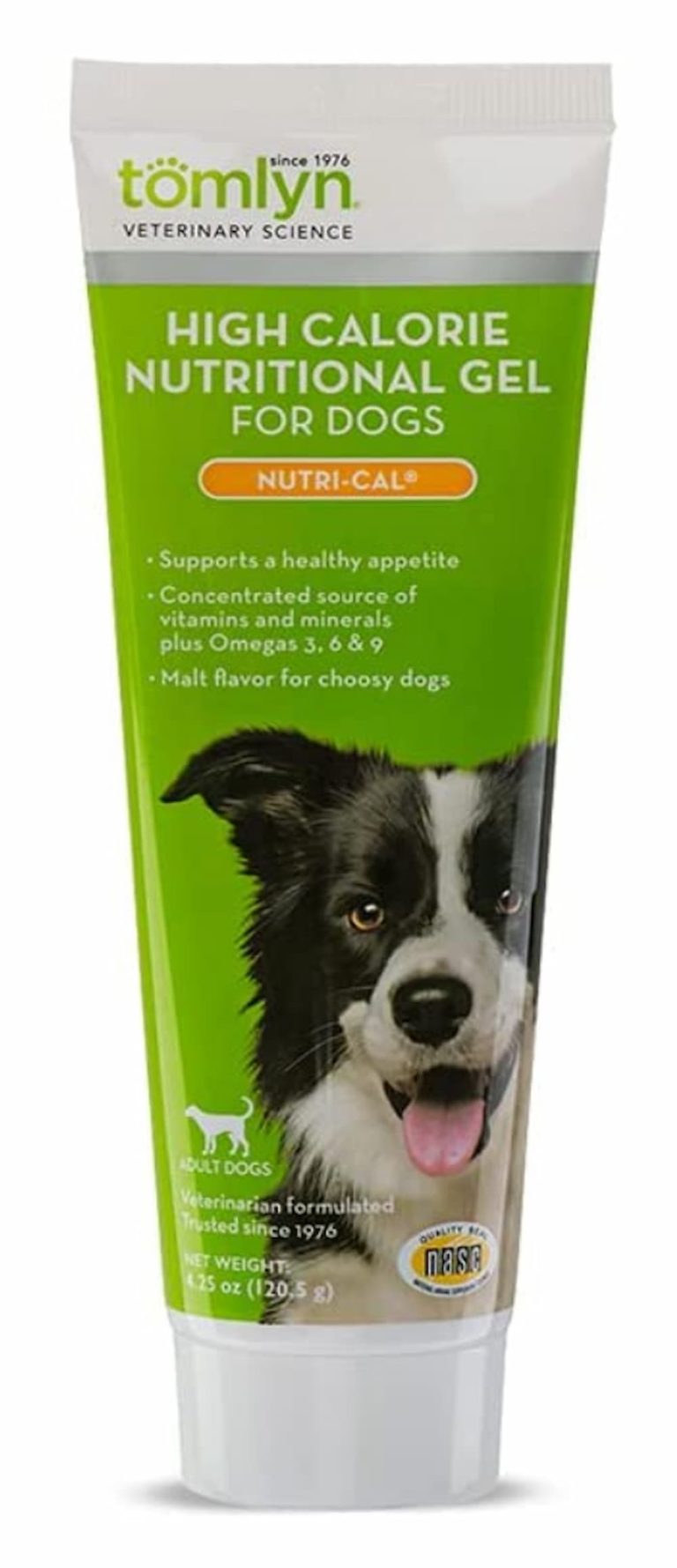
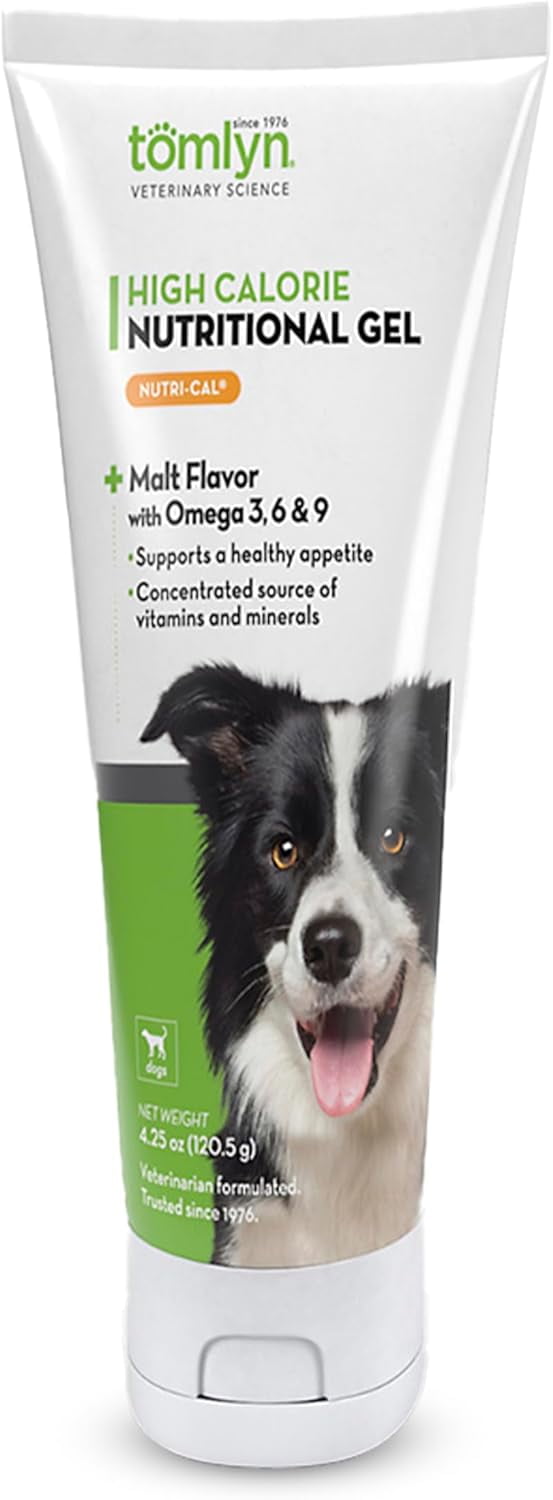
Maintaining optimal health and energy levels is a continuous priority for dedicated dog owners. Sometimes, however, a dog’s regular diet may not be enough to meet its full nutritional demands, especially during periods of stress, recovery, or rapid growth. This is where specialized nutritional support becomes invaluable. Tomlyn Nutri-Cal for dogs represents a widely recognized high-calorie nutritional supplement formulated to provide concentrated energy, essential vitamins, and vital minerals. Understanding when and why this supplement can be beneficial offers a proactive approach to canine wellness, helping to support a dogs vitality, aid recovery, and ensure proper nutrient intake when it is most needed.
💡 Pet Care Key Takeaways:
- Core Focus: Practical health, nutrition, and wellness guidelines for Tomlyn Nutri Cal For Dogs.
- Target Scope: Pet owners, animal caregivers, and veterinary support staff.
- Best Recommendation: Maintain consistent daily routines and consult an accredited veterinarian before introducing major diet or medical changes.
Common Causes and Key Factors
Various situations can necessitate supplemental caloric and nutritional support for a dog. Identifying these key factors helps owners understand when a product like Tomlyn Nutri-Cal for dogs might be appropriate. For more related activities, check out our “Fortiflora” And “Gut Health”.
- Underweight and Poor Appetite: Dogs experiencing a diminished appetite due to illness, recovery from surgery, or being naturally finicky eaters can struggle to consume enough calories to maintain a healthy weight. Nutritional gels offer a palatable and concentrated source of energy.
- High Energy Demands: Active dogs, working breeds, sporting canines, and pregnant or nursing mothers require significantly more calories and nutrients than typical pets. Growing puppies also have intense energy needs to support their rapid development.
- Stress and Recovery: Periods of stress, such as travel, environmental changes, or post-surgical recuperation, can suppress appetite and increase metabolic demands. Similarly, dogs recovering from illness, particularly those with gastrointestinal upset, may need easily digestible and potent nutrient sources.
- Senior Dogs: As dogs age, their metabolism can change, and some may develop reduced appetites or issues with nutrient absorption, making it challenging to maintain an ideal body condition.
- Hypoglycemia Risk: Small breed puppies and certain toy breeds are prone to hypoglycemia (low blood sugar) if they miss meals or exert too much energy. A quick source of glucose can be critical in preventing or managing these episodes.
- Nutritional Gaps: Even with a high-quality diet, specific life stages or health challenges can create temporary nutritional gaps that require focused supplementation.
Signs and Symptoms to Observe
Recognizing the indicators that a dog might benefit from supplemental nutrition is crucial for timely intervention. Careful observation of a dogs physical condition and behavior can provide valuable clues.
- Weight Loss or Being Underweight: Visible ribs, hip bones, or vertebrae, along with a lack of muscle mass, are clear signs of being underweight.
- Lethargy and Low Energy: A noticeable decrease in activity levels, excessive sleeping, reluctance to play, or general sluggishness often points to insufficient energy intake.
- Poor Coat Condition: A dull, dry, brittle, or shedding coat can sometimes indicate underlying nutritional deficiencies.
- Picky Eating or Food Aversion: Consistently turning away from regular meals, eating only small amounts, or showing disinterest in food are strong signals.
- Slow or Difficult Recovery: A prolonged healing process after injury or illness, or a general lack of vigor during convalescence, can suggest a need for enhanced nutritional support.
- Symptoms of Hypoglycemia: In severe cases, particularly in small puppies, signs such as weakness, disorientation, trembling, staggering, or even seizures warrant immediate veterinary attention. Timely intervention with a fast-acting glucose source can be life-saving.
- Failure to Thrive in Puppies: Puppies that are noticeably smaller than their littermates, show poor growth, or lack the typical energy and inquisitiveness of healthy young dogs may require extra support.
Practical Solutions and Management Strategies
When considering the use of Tomlyn Nutri-Cal for dogs, a structured approach ensures its safe and effective application to support canine health.
- Veterinary Consultation: Always consult with a veterinarian before introducing any new supplement. This ensures that the product is appropriate for the dog’s specific health needs and addresses any underlying medical conditions.
- Adhere to Dosage Guidelines: Carefully follow the manufacturer’s recommended dosage instructions, which are typically based on the dogs weight and condition. Over-supplementation can be as detrimental as under-supplementation.
- Proper Administration: The gel formulation of Nutri-Cal makes it easy to administer directly into a dog’s mouth or mix with a small amount of food. Introducing it slowly can help a dog adjust to the taste and texture.
- Complement a Balanced Diet: Nutri-Cal is a supplement, not a complete food. It is designed to complement a high-quality, balanced diet, providing concentrated calories and nutrients without replacing the primary food source.
- Monitor Progress: Regularly observe the dog’s weight, energy levels, appetite, and overall demeanor. Improvements in these areas indicate the supplement is working effectively. Adjustments to the administration schedule or dosage should only be made under veterinary guidance.
- Appropriate Storage: Store the product as directed by the manufacturer to maintain its efficacy and shelf life.
When Professional Help May Be Needed
While Tomlyn Nutri-Cal for dogs can be a beneficial supplement, it is important to recognize when a dogs condition warrants professional veterinary intervention. Supplements support health; they do not diagnose or cure serious medical issues.
- Persistent Weight Loss: If a dog continues to lose weight or fails to gain weight despite appropriate supplementation, a deeper medical investigation is necessary to identify underlying causes.
- Undiagnosed Illness: Poor appetite, lethargy, or weight loss could be symptoms of a serious illness that requires specific veterinary diagnosis and treatment.
- Severe Hypoglycemia: Episodes of severe weakness, collapse, seizures, or unresponsiveness due to low blood sugar require immediate emergency veterinary care. While Nutri-Cal can help prevent such episodes, a crisis demands professional medical attention.
- Lack of Improvement: If a dog’s condition does not improve within a reasonable timeframe after starting the supplement, or if symptoms worsen, veterinary reassessment is essential.
- Adverse Reactions: Any unusual symptoms or allergic reactions observed after administering the supplement should prompt immediate discontinuation and veterinary consultation.
- Uncertainty Regarding Usage: When questions arise about the correct dosage, duration of use, or suitability of the supplement for a dog with pre-existing conditions, a veterinarian can provide clear guidance.
Conclusion
Tomlyn Nutri-Cal for dogs serves as a valuable tool for supporting canines facing specific nutritional challenges. Whether aiding recovery, boosting energy for highly active pets, or providing critical calories for underweight animals, its concentrated formula offers a practical solution. However, its optimal use always involves a partnership between the owner and a veterinary professional. By understanding the circumstances that call for supplemental nutrition, observing a dog’s health indicators, and following expert advice, owners can effectively leverage products like Nutri-Cal to promote their dog’s vitality, hasten recovery, and ensure a robust quality of life. Proactive and informed care remains the cornerstone of canine well-being.
Pet Care & Wellness Overview Table
| Life Stage | Daily Activity Level | Key Nutrition / Care Focus |
|---|---|---|
| Puppy / Kitten | High (frequent short bursts) | High-protein growth diet & early socialization |
| Adult Companion | Moderate (30–60 mins daily) | Balanced maintenance nutrition & dental hygiene |
| Senior Pets | Low to Gentle (mindful walks) | Joint support (Glucosamine) & routine vet checks |
Images References







For more expert pet care tips and advice, check out our dedicated Dog Nutrition guides to keep your companions healthy and happy.




