Introduction
The bond between a dog and its human companion is often strengthened through shared moments, including the joy of offering treats. While treats serve as invaluable tools for training, enrichment, and expressing affection, their nutritional quality holds significant importance for a dogs overall health and longevity. Understanding the “top 10 healthy dog treats” is crucial for pet owners seeking to provide optimal care. This topic focuses on identifying safe, beneficial, and low-risk options that can contribute positively to a dog’s diet rather than simply being empty calories. The integration of healthy treats can significantly enhance a dogs well-being by supporting ideal weight, promoting dental hygiene, providing essential nutrients, and preventing diet-related health issues, ultimately improving their behavior and quality of life. Explore more in our Dog Health collection.
💡 Pet Care Key Takeaways:
- Core Focus: Practical health, nutrition, and wellness guidelines for Top 10 Healthy Dog Treats.
- Target Scope: Pet owners, animal caregivers, and veterinary support staff.
- Best Recommendation: Maintain consistent daily routines and consult an accredited veterinarian before introducing major diet or medical changes.
Common Causes and Key Factors
The reliance on unhealthy treats stems from various factors, often including convenience, lack of awareness regarding ingredients, and misleading marketing. Many commercial dog treats are laden with artificial colors, preservatives, excessive sugars, and unhealthy fats, which offer little nutritional value and can contribute to a range of health problems. The primary concern with such treats is their potential to lead to canine obesity, a pervasive issue that can exacerbate joint problems, heart disease, diabetes, and reduce overall lifespan. For more related activities, check out our Signs Of A Deaf Dog Behavior Problems And Solutions.
Key factors influencing the choice of healthy dog treats include ingredient quality, caloric content, and the presence of beneficial nutrients. High-quality treats prioritize whole, natural ingredients, often single-source proteins or vegetables. Low caloric density is important to prevent weight gain, especially when treats are given frequently. Furthermore, healthy treats can contribute essential vitamins, minerals, fiber, and antioxidants, supporting digestive health, immune function, and a shiny coat. Avoiding common allergens and potentially toxic ingredients, such as xylitol, is paramount in selecting safe options for dogs. Discover more free resources across our collection library.
Signs and Symptoms to Observe
Observing a dogs physical condition and behavior can provide vital clues about the impact of its diet, including the treats it consumes. Dogs consistently given unhealthy, high-calorie treats may exhibit several concerning signs. These include noticeable weight gain, reduced energy levels, a dull or dry coat, and dental problems like tartar buildup or bad breath. Digestive issues, such as loose stools, constipation, or frequent gas, can also indicate a diet lacking in appropriate fiber or containing irritant ingredients.
Conversely, a dog receiving a balanced diet complemented by appropriate healthy treats typically displays indicators of good health. These include maintaining an ideal body weight, possessing a vibrant and glossy coat, exhibiting consistent energy levels, and demonstrating healthy digestive function. Clear eyes, strong teeth, and fresh breath are also positive signs. Variations in these signs may occur depending on a dogs age, breed, and activity level, underscoring the importance of individual observation and tailoring dietary choices accordingly.
Practical Solutions and Management Strategies
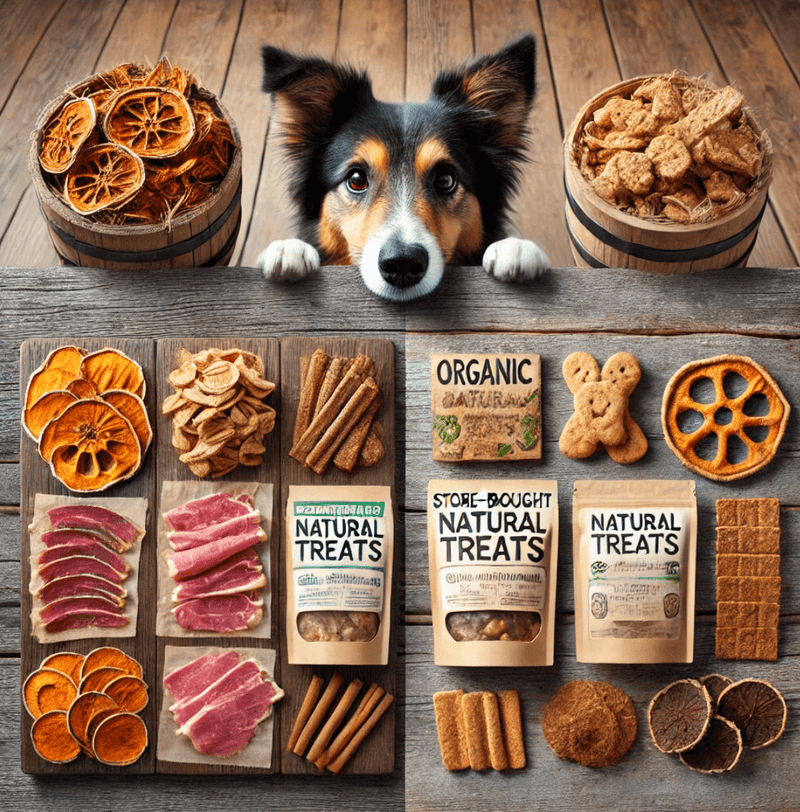
Incorporating healthy treats into a dog’s routine involves careful selection and mindful portion control. The following “top 10 healthy dog treats” offer nutritious alternatives to many commercial options, supporting a dog’s health and well-being:
- Carrot Sticks: Raw carrot sticks are excellent for dental health, acting as a natural toothbrush while providing vitamins and fiber. Their low calorie count makes them an ideal daily snack.
- Green Beans: Steamed or raw, green beans are very low in calories and fat, rich in vitamins K, C, and A, and provide dietary fiber, making them a superb option for weight management.
- Blueberries: These small berries are packed with antioxidants, fiber, and vitamins C and K. They should be offered in moderation due to their natural sugar content.
- Apple Slices (Seedless): Apple slices, with the core and seeds removed (as seeds contain cyanide), provide fiber, vitamin A, and vitamin C. They offer a satisfying crunch without excessive calories.
- Plain Cooked Chicken or Turkey (Unseasoned): Lean protein sources like boiled or baked chicken or turkey breast, without any seasonings, skin, or bones, are excellent high-value treats for training or special rewards.
- Sweet Potato Chews (Dehydrated, Single-Ingredient): Commercially available dehydrated sweet potato chews made from a single ingredient offer fiber, vitamins, and a satisfying chew, promoting dental health.
- Pumpkin Puree (Unsweetened): A small spoonful of plain, unsweetened pumpkin puree (not pumpkin pie filling) is an excellent source of fiber, aiding in digestion and firming up stools.
- Peanut Butter (Xylitol-Free, in Moderation): A small amount of natural, unsweetened peanut butter that is explicitly free of xylitol (a sugar substitute toxic to dogs) can be a great motivator or treat, offering protein and healthy fats.
- Plain Greek Yogurt (Small Amounts, Unsweetened): For dogs without lactose intolerance, a small dollop of plain, unsweetened Greek yogurt can provide probiotics and calcium. It should be given sparingly.
- Cooked Salmon (Skinless, Boneless, Unseasoned): Flakes of cooked, unseasoned salmon are rich in omega-3 fatty acids, beneficial for skin, coat, and joint health. It should be given in small, infrequent portions.
When introducing any new treat, it is advisable to start with small quantities to monitor for any adverse reactions. Treats should never constitute more than 10% of a dog’s daily caloric intake, ensuring that the primary nutrition comes from a balanced dog food. Proper preparation, such as washing fruits and vegetables, and removing any toxic parts, is also essential.
When Professional Help May Be Needed
While the integration of healthy treats is generally beneficial, certain circumstances warrant professional veterinary consultation. If a dog exhibits signs of allergies, such as itching, skin rashes, or digestive upset, after consuming specific treats, a veterinarian can help identify the allergen and suggest appropriate dietary modifications. For dogs with pre-existing health conditions like diabetes, kidney disease, or pancreatitis, specific dietary restrictions may apply, and a veterinarian can provide tailored recommendations for safe and beneficial treats.
Furthermore, if a dog experiences persistent digestive issues, unexplained weight loss or gain, or a sudden change in appetite despite dietary adjustments, veterinary attention is crucial. Professional guidance ensures that treat choices complement a dog’s unique health needs and contribute positively to their overall therapeutic plan, rather than inadvertently causing harm.
Conclusion
Choosing the “top 10 healthy dog treats” is a fundamental aspect of responsible dog ownership, profoundly impacting a dogs health, behavior, and quality of life. By prioritizing natural, nutritious, and safe options, owners can transform treat time into an opportunity for supplementary nutrition and enhanced well-being. Consistent awareness of ingredient lists, portion control, and individual dietary needs remains paramount. Observing a dog’s response to different treats and consulting with veterinary professionals when uncertainties arise empowers owners to make informed decisions. Embracing a mindful approach to treats ensures that these small gestures of affection contribute positively to a dog’s long-term vitality and happiness, aligning perfectly with the mission of petsanimalsworld.com to support thriving pet companions.
Pet Care & Wellness Overview Table
| Life Stage | Daily Activity Level | Key Nutrition / Care Focus |
|---|---|---|
| Puppy / Kitten | High (frequent short bursts) | High-protein growth diet & early socialization |
| Adult Companion | Moderate (30–60 mins daily) | Balanced maintenance nutrition & dental hygiene |
| Senior Pets | Low to Gentle (mindful walks) | Joint support (Glucosamine) & routine vet checks |
Images References