

Introduction
Maintaining a dog’s optimal weight is a critical aspect of responsible pet ownership, directly impacting their health, mobility, and longevity. The term “treats for dogs on a diet” refers to the selection and appropriate use of supplementary food items for canines requiring calorie restriction, often due to obesity, specific medical conditions, or a general need for weight management. This topic is particularly important for dog owners facing the challenge of reducing their pet’s caloric intake without sacrificing opportunities for reward, training, and bonding. Understanding how to choose and administer suitable treats for dogs on a diet can significantly contribute to a dogs well-being, aid in effective behavior modification, and ultimately enhance their overall quality of life. The careful integration of diet-appropriate treats ensures that a pet’s health goals are met without compromising their happiness or the owner-pet relationship.
💡 Pet Care Key Takeaways:
- Core Focus: Practical health, nutrition, and wellness guidelines for Treats For Dogs On A Diet.
- Target Scope: Pet owners, animal caregivers, and veterinary support staff.
- Best Recommendation: Maintain consistent daily routines and consult an accredited veterinarian before introducing major diet or medical changes.
Common Causes and Key Factors
The necessity for “treats for dogs on a diet” often stems from a dog carrying excess weight, which can arise from several contributing factors. A primary cause is an imbalance between caloric intake and energy expenditure; simply put, consuming more calories than are burned. This can be exacerbated by overfeeding during regular meals, but also significantly by the daily allowance of high-calorie, inappropriate treats. Many commercial dog treats are dense in calories, fats, and sugars, making them counterproductive to a weight management plan if not chosen carefully. For more related activities, check out our Pitbullnutrition.
Key factors contributing to a dog’s weight gain include a sedentary lifestyle, where insufficient exercise fails to burn off ingested calories. Genetic predisposition also plays a role, with certain breeds being more prone to obesity. Age can be a factor, as older dogs typically have lower metabolic rates. Neutering or spaying can also impact metabolism, potentially leading to weight gain if dietary adjustments are not made. Medical conditions, such as hypothyroidism or Cushing’s disease, can also contribute to weight gain, making veterinary consultation essential when a dog struggles with its weight. Ignoring these factors and continuing to offer high-calorie snacks can quickly derail a dog’s progress on a diet.
Signs and Symptoms to Observe
Recognizing the need for a dog to be on a diet, and consequently to use appropriate treats for dogs on a diet, involves observing specific physical and behavioral signs. Physically, a dog carrying excess weight may exhibit a loss of a discernible waistline when viewed from above, and the ribs may be difficult or impossible to feel without significant pressure. A pendulous abdomen or excessive fat deposits over the hips and base of the tail are also common indicators.
Behavioral changes can include decreased stamina during walks or play, general lethargy, and an increased tendency to pant, even with minimal exertion. Difficulty jumping, climbing stairs, or a reluctance to move can also signal joint stress due to extra weight. For dogs already on a diet, continued begging or food-seeking behaviors, despite regular meals, might indicate that current treats are either too infrequent, too small, or that the dog is not feeling satiated. Conversely, if weight loss is not progressing as expected, the type or quantity of treats being offered, even those considered diet-friendly, may need re-evaluation. These signs are important cues for dog owners to assess their pet’s current health status and dietary regimen.
Practical Solutions and Management Strategies
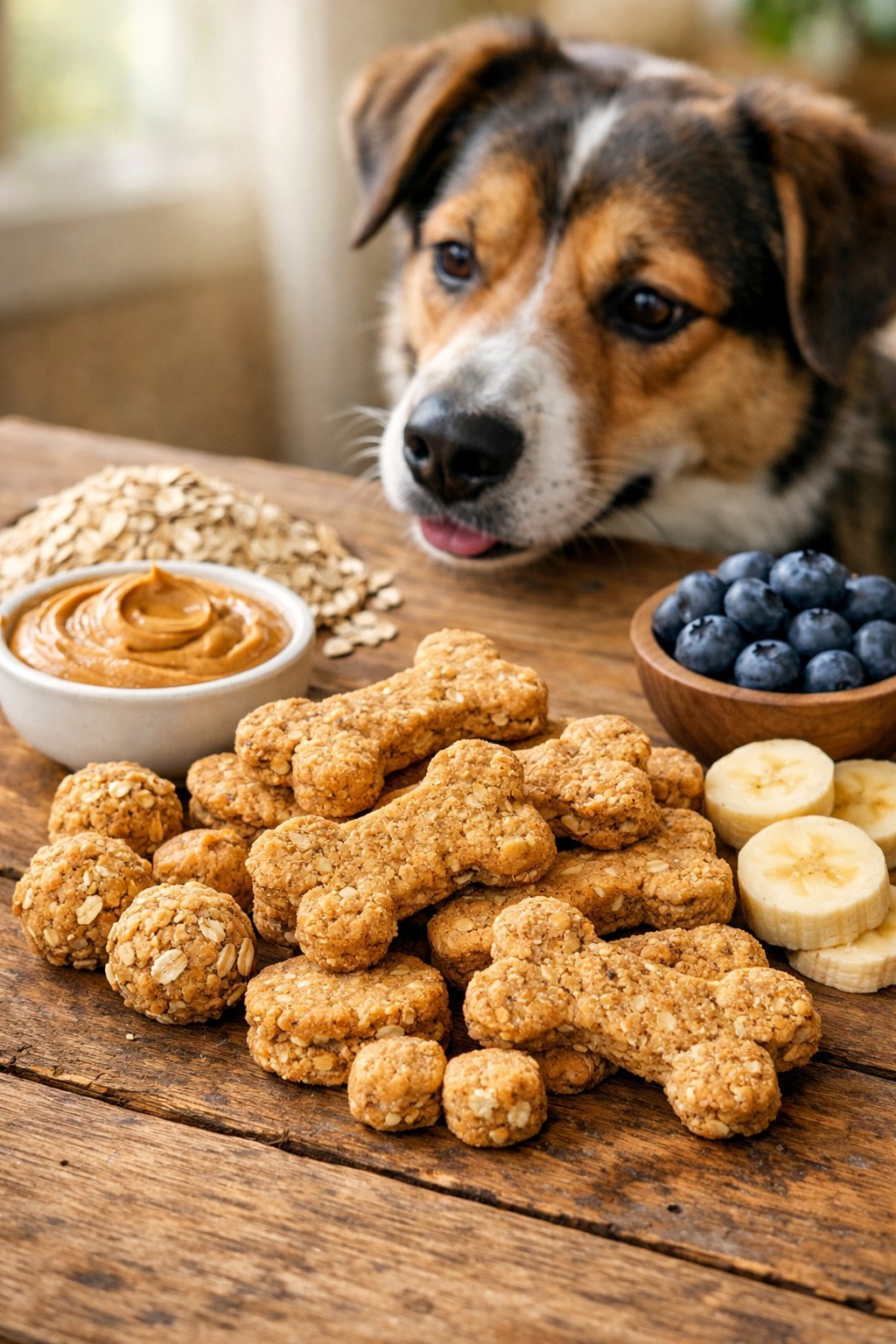
Implementing practical solutions for “treats for dogs on a diet” involves thoughtful selection and strategic administration. The cornerstone of this approach is choosing low-calorie, nutrient-dense options. Many vegetables make excellent, healthy treats; options like raw carrots, green beans, cucumber slices, or bell pepper strips offer satisfying crunch and fiber without a high caloric load. Certain fruits, such as apple slices (seeds removed) or blueberries, can also be given in moderation. It is crucial to ensure all human foods are safe for canine consumption before offering them.
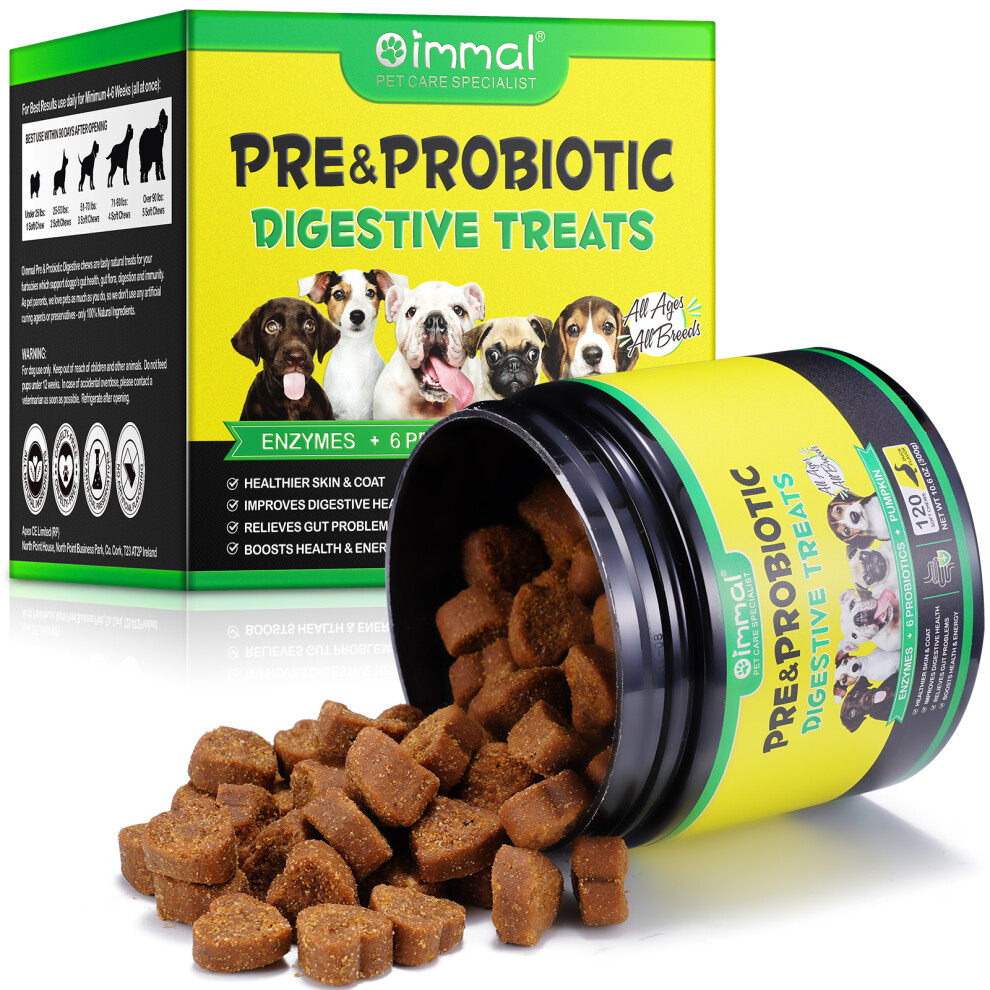
Commercially available diet-specific dog treats are also an option, often formulated with reduced calories, fat, and specific ingredients to support weight management. When using these, it is imperative to adhere to the manufacturer’s feeding guidelines and to factor their caloric content into the dog’s daily allowance. Breaking larger treats into smaller pieces can create the perception of more rewards without increasing calorie intake.
Beyond edible treats, consider alternative rewards such as verbal praise, petting, a favorite toy, or a short play session. These non-food rewards can be highly motivating and reinforce positive behaviors without adding calories. For training purposes, a portion of the dog’s daily kibble allowance can be set aside and used as training rewards, ensuring that treats do not become an extra addition to their diet. Consistency among all household members regarding treat giving is vital to avoid accidental overfeeding. Regular physical activity, tailored to the dogs current health and mobility, complements dietary adjustments by increasing caloric expenditure and building lean muscle mass.
When Professional Help May Be Needed
While many dog owners can successfully manage a pet’s diet with careful attention to “treats for dogs on a diet” and overall caloric intake, there are situations where professional help becomes indispensable. If a dog struggles to lose weight despite consistent efforts with diet and exercise, a veterinary consultation is strongly advised. There may be underlying medical conditions, such as hormonal imbalances or metabolic disorders, that are hindering weight loss and require specific medical intervention.
A veterinarian can perform a thorough physical examination, conduct diagnostic tests, and develop a tailored weight loss plan. This plan might include prescription weight management diets specifically formulated to promote satiety while reducing calories. A veterinarian or a certified veterinary nutritionist can also provide precise guidance on calorie requirements, recommend appropriate treat alternatives, and monitor progress to ensure healthy and sustainable weight loss. For behavioral issues related to food or if a dog exhibits excessive food guarding or anxiety around meals, a professional dog trainer or a veterinary behaviorist can offer specialized strategies to manage these challenges effectively.
Conclusion
The thoughtful management of “treats for dogs on a diet” is a cornerstone of effective weight management and overall canine health. It is not about eliminating treats entirely but rather about making informed choices that align with a dogs dietary needs. By selecting low-calorie, healthy options, utilizing treats strategically for training, and incorporating non-food rewards, dog owners can maintain a strong bond with their pets while supporting their journey to a healthier weight. Awareness of the causes of weight gain, diligent observation of a dogs physical and behavioral cues, and the proactive implementation of practical solutions are essential. When challenges arise or progress stalls, seeking professional veterinary or nutritional guidance ensures that every dog receives the specialized care required for a vibrant, healthy life. Prioritizing appropriate treats demonstrates a commitment to a pet’s long-term well-being, fostering a happier and healthier companion.
Pet Care & Wellness Overview Table
| Life Stage | Daily Activity Level | Key Nutrition / Care Focus |
|---|---|---|
| Puppy / Kitten | High (frequent short bursts) | High-protein growth diet & early socialization |
| Adult Companion | Moderate (30–60 mins daily) | Balanced maintenance nutrition & dental hygiene |
| Senior Pets | Low to Gentle (mindful walks) | Joint support (Glucosamine) & routine vet checks |
Images References




For more expert pet care tips and advice, check out our dedicated Dog Nutrition guides to keep your companions healthy and happy.




