

Introduction
Ensuring a dog receives adequate nutrition is paramount for a long, healthy, and happy life. While a complete and balanced diet forms the cornerstone of canine health, discussions surrounding vitamin and mineral supplements for dogs are increasingly common among pet owners. This topic explores the role these supplementary nutrients can play, the circumstances under which they might be considered, and the potential benefits or pitfalls associated with their use. Understanding when and why a dog might require additional vitamins and minerals can empower owners to make informed decisions, ultimately contributing significantly to a dogs overall well-being and vitality.
💡 Pet Care Key Takeaways:
- Core Focus: Practical health, nutrition, and wellness guidelines for Vitamin And Mineral Supplements For Dogs.
- Target Scope: Pet owners, animal caregivers, and veterinary support staff.
- Best Recommendation: Maintain consistent daily routines and consult an accredited veterinarian before introducing major diet or medical changes.
Common Causes and Key Factors
The need for vitamin and mineral supplements for dogs often arises from various factors that can affect a dog’s nutritional intake or absorption. A primary cause is feeding a homemade diet that has not been professionally formulated by a veterinary nutritionist. Such diets, if not carefully balanced, frequently lack essential vitamins and minerals or provide them in incorrect ratios, leading to deficiencies over time. For more related activities, check out our Purina One Xxl 10Kg Feeding Guide 20Kg Dog.
Even with commercial diets, specific situations can warrant consideration of supplementation. For instance, dogs fed low-quality commercial kibble, though technically “complete,” may not absorb nutrients optimally due to poor ingredient quality. Additionally, dogs with particular health conditions, such as gastrointestinal diseases, kidney disease, or certain metabolic disorders, may have impaired nutrient absorption or increased nutrient requirements that a standard diet cannot meet.
Life stages also play a significant role. Growing puppies have intense nutritional demands for bone and muscle development, while senior dogs may experience reduced digestive efficiency and increased needs for joint or cognitive support. Pregnant or lactating dogs require significantly elevated nutrient levels to support both their own health and the development of their offspring. Highly active working or athletic dogs might also benefit from targeted supplements to support energy production and recovery.
Signs and Symptoms to Observe
Recognizing signs that a dog might be experiencing a nutritional deficiency or could benefit from vitamin and mineral supplements for dogs requires careful observation. Visible indicators often manifest in a dog’s physical appearance and energy levels. A dull, dry, or brittle coat, excessive shedding, or dry, flaky skin can suggest a lack of essential fatty acids, B vitamins, or certain minerals.
Changes in energy and demeanor are also important clues. Lethargy, decreased stamina during exercise, or a general lack of enthusiasm for activities previously enjoyed could signal insufficient energy-producing nutrients like B vitamins or iron. Puppies showing stunted growth or abnormal bone development might be deficient in calcium, phosphorus, or Vitamin D.
More subtle signs include a decreased appetite, selective eating, or, conversely, pica the consumption of non-food items like dirt or feces, which can sometimes indicate a mineral deficiency. Persistent digestive upset, a weakened immune response leading to frequent infections, or even unexplained behavioral changes can, in some cases, be linked to underlying nutritional imbalances. It is crucial to remember that these signs are general and can point to numerous health issues, necessitating veterinary evaluation rather than immediate self-supplementation.
Practical Solutions and Management Strategies
Managing a dog’s nutritional needs and determining the appropriate use of vitamin and mineral supplements for dogs begins with a thorough veterinary consultation. This initial step is indispensable for accurately assessing a dogs current health status, diet, and potential deficiencies through physical examination, blood tests, or other diagnostic tools.
For dogs on homemade diets, the most effective strategy is to work with a board-certified veterinary nutritionist. They can formulate a balanced diet specifically tailored to the dog’s individual needs, ensuring all essential vitamins and minerals are provided in appropriate amounts without the need for additional supplementation, or recommending specific supplements to bridge any gaps. For those feeding commercial diets, opting for a high-quality, reputable brand that meets AAFCO (Association of American Feed Control Officials) nutritional guidelines is crucial.
When supplements are deemed necessary by a veterinarian, selecting the right type and dosage is critical. Supplements designed for humans are often inappropriate for dogs due to differing metabolic needs and potential toxicity at human dosages. Opt for veterinary-specific products from reputable manufacturers. Targeted supplementation, such as a calcium supplement for a nursing mother or a joint supplement for an older dog, is generally preferred over broad-spectrum multivitamins unless a general deficiency is confirmed. Consistent monitoring of the dog’s health and symptoms throughout the supplementation period allows for adjustments as needed, always under veterinary guidance.
When Professional Help May Be Needed
The decision to introduce vitamin and mineral supplements for dogs should always be made in consultation with a qualified veterinary professional. Professional help is not merely advisable but often essential in several key situations. Any time a dog exhibits signs of illness, changes in appetite, energy levels, coat quality, or digestive issues, a veterinarian should be consulted immediately. These symptoms could indicate underlying medical conditions that require specific treatment beyond supplementation.
Professional guidance is particularly crucial when considering supplements for dogs on homemade diets, as nutrient imbalances can be subtle and harmful. A veterinary nutritionist can ensure the diet is complete and balanced, avoiding both deficiencies and dangerous excesses. Furthermore, for dogs with chronic diseases such as kidney disease, liver conditions, or malabsorption syndromes, specific dietary and supplemental protocols are often required, which only a veterinarian can safely prescribe and monitor. Self-prescribing supplements can mask serious conditions, interfere with medications, or lead to toxicity, making professional involvement paramount for the dog’s safety and well-being.
Conclusion
Navigating the world of vitamin and mineral supplements for dogs requires a balanced and informed approach. While a well-formulated, complete, and balanced diet remains the foundation of canine health, targeted supplementation can play a vital supportive role in specific circumstances. Understanding the common factors that might lead to nutritional gaps, recognizing subtle signs of potential deficiencies, and implementing practical, veterinary-guided strategies are all crucial steps for responsible pet ownership. Prioritizing professional veterinary advice ensures that any supplementary regimen is both safe and effective, contributing meaningfully to a dogs overall health and vitality. By partnering with veterinarians, owners can confidently make the best nutritional choices for their cherished companions, promoting optimal well-being for years to come.
Pet Care & Wellness Overview Table
| Life Stage | Daily Activity Level | Key Nutrition / Care Focus |
|---|---|---|
| Puppy / Kitten | High (frequent short bursts) | High-protein growth diet & early socialization |
| Adult Companion | Moderate (30–60 mins daily) | Balanced maintenance nutrition & dental hygiene |
| Senior Pets | Low to Gentle (mindful walks) | Joint support (Glucosamine) & routine vet checks |
Images References


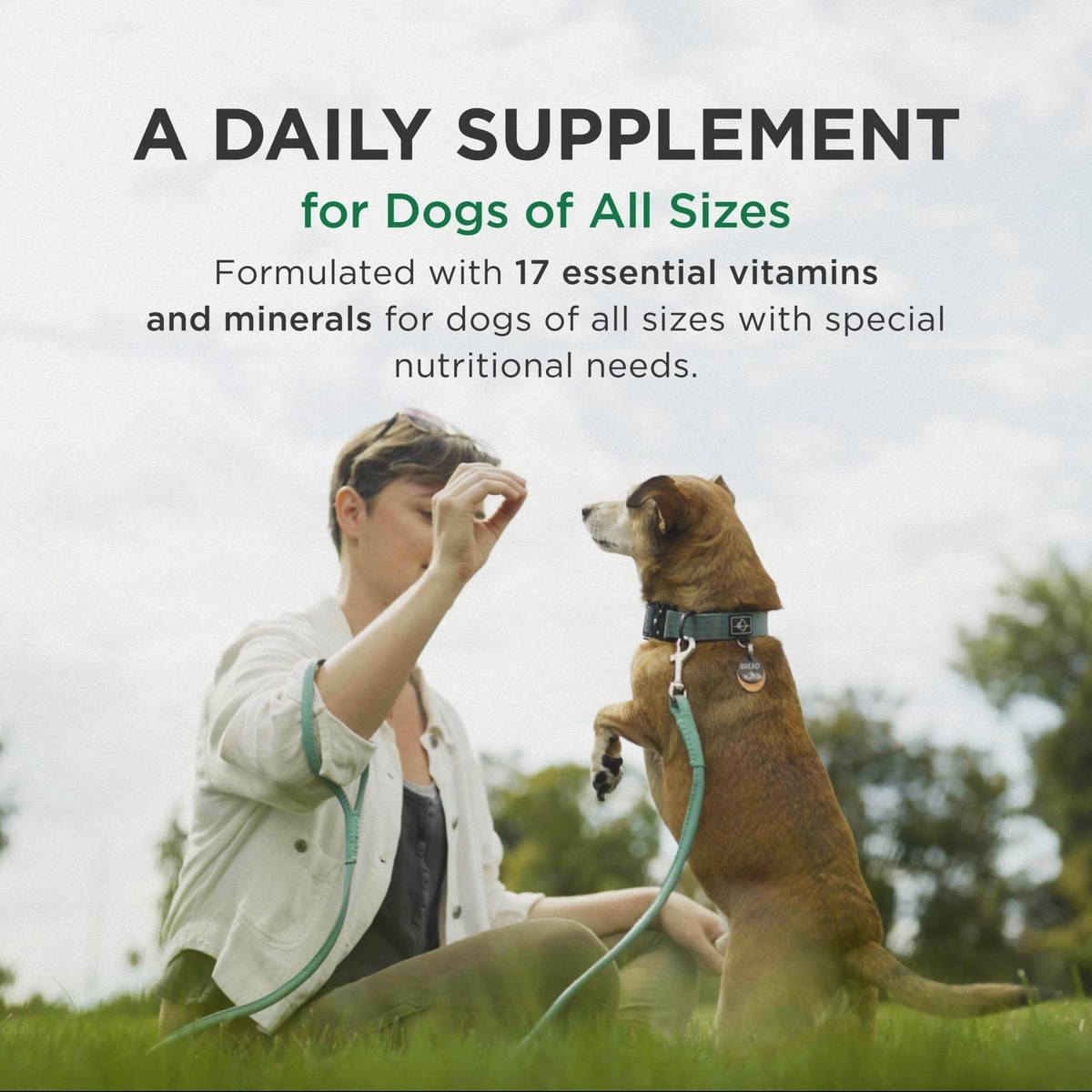
For more expert pet care tips and advice, check out our dedicated Dog Nutrition guides to keep your companions healthy and happy.




