

Introduction
Ensuring optimal health for canine companions often leads owners to explore various aspects of pet care, with nutrition being a cornerstone. The concept of a vitamin mineral supplement for dogs refers to a product designed to provide essential micronutrients that might be lacking in a dog’s regular diet or to support specific physiological functions. These supplements bridge potential nutritional gaps, contributing to overall well-being, energy levels, and even behavioral stability. Understanding when and why these supplements might be beneficial is crucial, as their judicious use can significantly enhance a dogs health, vitality, and overall quality of life. This exploration will delve into the complexities of canine nutritional needs and the role supplements play in meeting them.
💡 Pet Care Key Takeaways:
- Core Focus: Practical health, nutrition, and wellness guidelines for Vitamin Mineral Supplement For Dogs.
- Target Scope: Pet owners, animal caregivers, and veterinary support staff.
- Best Recommendation: Maintain consistent daily routines and consult an accredited veterinarian before introducing major diet or medical changes.
Common Causes and Key Factors
The necessity for a vitamin mineral supplement for dogs often stems from several key factors, ranging from dietary choices to specific life stages and health conditions. One primary cause involves homemade diets, which, despite best intentions, can frequently be unbalanced. Without precise formulation by a veterinary nutritionist, homemade meals can lack crucial vitamins and minerals, leading to long-term deficiencies. For more related activities, check out our Natural Balance Puppy Food Quantity Chart.
Certain life stages also present unique nutritional demands. Growing puppies, for instance, require higher levels of specific nutrients for bone and tissue development. Similarly, senior dogs may experience decreased nutrient absorption or have increased needs for joint support and cognitive function. Pregnant or lactating dogs have significantly elevated nutritional requirements to support both their own health and the development or feeding of their offspring.
Underlying health conditions can further necessitate supplementation. Dogs suffering from chronic illnesses, malabsorption issues (such as inflammatory bowel disease), or those recovering from surgery may have compromised nutrient utilization or increased metabolic demands. Stress, vigorous activity, or environmental factors can also influence a dog’s nutritional status, potentially creating a need for targeted support. Breed-specific predispositions to certain health issues, such as joint problems in large breeds, sometimes warrant proactive supplementation.
Signs and Symptoms to Observe
Observing subtle changes in a dog’s appearance or behavior can provide important clues regarding potential nutritional deficiencies that a vitamin mineral supplement for dogs might address. General signs of suboptimal health due to nutrient imbalance include a dull, dry, or excessively shedding coat, poor skin condition, and brittle nails. Lethargy, decreased energy levels, and a general lack of enthusiasm for activities typically enjoyed by the dog can also be indicative.
More specific signs might manifest depending on the particular deficiency. For instance, skeletal abnormalities, lameness, or a reluctance to move are concerning, especially in growing puppies or older dogs, suggesting potential issues with calcium, phosphorus, or Vitamin D. Digestive upset, such as chronic diarrhea or changes in appetite, can sometimes be linked to deficiencies in B vitamins or other micronutrients essential for digestive health. A weakened immune system, characterized by frequent infections or slow wound healing, may also point towards a lack of crucial vitamins like Vitamin C or E, and certain minerals like zinc. While severe neurological symptoms like tremors or uncoordinated movements are rare, they underscore the critical role of micronutrients in nervous system function. These signs can vary based on age, breed, and the duration and severity of the deficiency.
Practical Solutions and Management Strategies
Addressing potential nutritional gaps with a vitamin mineral supplement for dogs requires a thoughtful and informed approach. The first and most crucial step involves a thorough evaluation of the dogs current diet. For those feeding homemade meals, consulting with a board-certified veterinary nutritionist to create a balanced recipe is paramount. For dogs on commercial diets, ensuring the food is a high-quality, complete, and balanced formulation from a reputable brand is important.
When considering supplementation, several practical strategies come into play. Selecting a high-quality supplement designed specifically for dogs is essential. These products are formulated with appropriate nutrient ratios and bioavailability for canines, unlike human supplements which can contain ingredients harmful to dogs or inappropriate dosages. Supplements can range from general multivitamins to targeted support for joints (e.g., glucosamine, chondroitin), skin and coat (e.g., omega-3 fatty acids), or digestive health (e.g., probiotics).
Adhering strictly to the recommended dosage provided by the manufacturer or, ideally, by a veterinarian, is critical to avoid toxicity or imbalances. Over-supplementation can be just as detrimental as deficiency. Monitoring a dog closely for any positive changes or adverse reactions after starting a supplement is also important. Integrating supplements as part of a holistic wellness plan, which includes a balanced diet, regular exercise, and consistent veterinary care, typically yields the best results for a dogs long-term health.
When Professional Help May Be Needed
While the use of a vitamin mineral supplement for dogs can be beneficial in certain situations, recognizing when professional veterinary help is necessary is crucial for responsible pet ownership. A veterinary consultation is always recommended before introducing any new supplement into a dog’s regimen. A veterinarian can accurately assess a dog’s individual needs, considering age, breed, lifestyle, and existing health conditions, and can perform diagnostic tests to identify specific deficiencies.
Professional guidance is particularly important if a dog exhibits persistent or worsening symptoms of illness, despite dietary adjustments or initial attempts at supplementation. These signs may indicate an underlying medical condition that requires specific diagnosis and treatment beyond what supplements can provide. Similarly, if there are concerns about accidental overdose of a supplement, immediate veterinary attention is warranted. For dogs with chronic diseases or those on prescription medications, a veterinarian can advise on potential interactions between supplements and existing treatments, ensuring safety and efficacy. Relying on professional expertise helps to avoid inappropriate supplementation and ensures that a dog receives the most appropriate and effective care for their specific health requirements.
Conclusion
The topic of vitamin mineral supplement for dogs is multifaceted, highlighting the intricate relationship between nutrition and overall canine health. These products serve as valuable tools for addressing specific nutritional gaps, supporting various life stages, and aiding in the management of certain health conditions. However, their use must be approached with informed decision-making, emphasizing that supplements are intended to complement, not replace, a high-quality, balanced diet. Awareness of a dogs needs, careful observation of their health and behavior, and consistent collaboration with a veterinarian are essential components of responsible pet care. By understanding the judicious role of supplements, dog owners can make well-informed choices that contribute significantly to their cherished companions’ vitality, longevity, and overall quality of life.
Pet Care & Wellness Overview Table
| Life Stage | Daily Activity Level | Key Nutrition / Care Focus |
|---|---|---|
| Puppy / Kitten | High (frequent short bursts) | High-protein growth diet & early socialization |
| Adult Companion | Moderate (30–60 mins daily) | Balanced maintenance nutrition & dental hygiene |
| Senior Pets | Low to Gentle (mindful walks) | Joint support (Glucosamine) & routine vet checks |
Images References


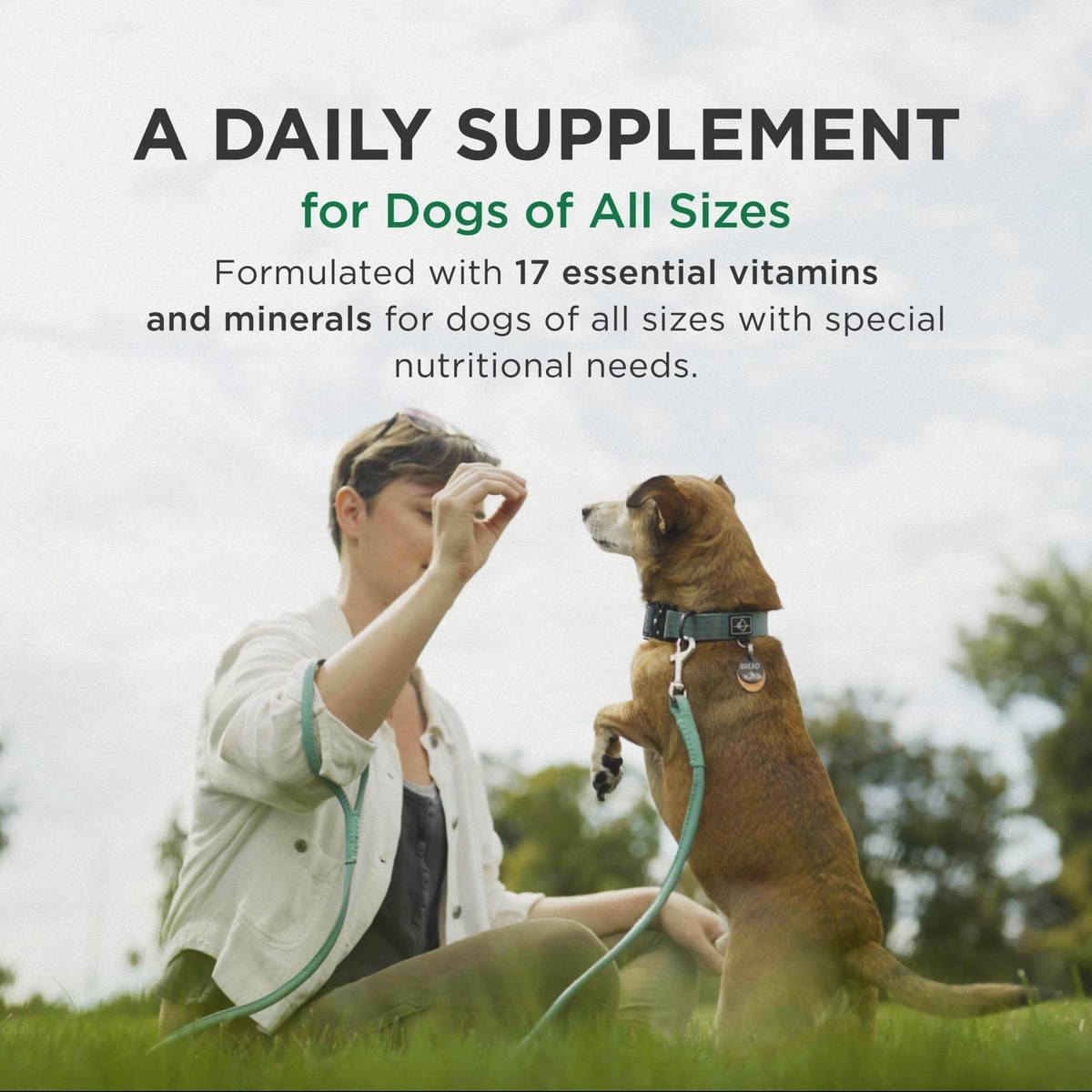


For more expert pet care tips and advice, check out our dedicated Dog Nutrition guides to keep your companions healthy and happy.




