

Introduction
The growing trend of preparing homemade meals for canine companions reflects a commendable dedication to pet welfare. Many dog owners embrace this approach to control ingredients, avoid common allergens, or provide a fresh, palatable diet. While homemade dog food offers numerous benefits, a significant challenge lies in ensuring complete nutritional balance. This is where the critical role of a vitamin supplement for homemade dog food becomes apparent. These specialized supplements are essential additions, designed to bridge potential nutritional gaps that often arise in home-prepared diets. Understanding the necessity and proper application of these supplements is paramount for maintaining a dog’s health, vitality, and long-term well-being, preventing the subtle onset of deficiencies that could compromise their quality of life.
💡 Pet Care Key Takeaways:
- Core Focus: Practical health, nutrition, and wellness guidelines for Vitamin Supplement For Homemade Dog Food.
- Target Scope: Pet owners, animal caregivers, and veterinary support staff.
- Best Recommendation: Maintain consistent daily routines and consult an accredited veterinarian before introducing major diet or medical changes.
Common Causes and Key Factors
The need for a vitamin supplement in homemade dog food stems from several fundamental factors. Canine nutritional requirements are complex and highly specific, encompassing a precise balance of macronutrients (proteins, fats, carbohydrates) and micronutrients (vitamins and minerals). Unlike commercially produced dog foods, which are formulated to meet AAFCO (Association of American Feed Control Officials) or FEDIAF (European Pet Food Industry Federation) standards for complete and balanced nutrition, homemade diets rarely achieve this balance without meticulous planning. For more related activities, check out our Purina One Xxl 10Kg Feeding Guide 20Kg Dog.
A common cause of nutritional inadequacy in home-prepared meals is the lack of comprehensive nutritional knowledge among owners. Human diets differ significantly from canine diets, and simply feeding human food scraps or intuitively chosen ingredients will almost invariably lead to deficiencies or excesses over time. Ingredient variability also plays a role; the nutrient content of meats, vegetables, and grains can fluctuate based on sourcing, season, and preparation methods. Furthermore, many essential vitamins and minerals, such as calcium, phosphorus, certain B vitamins, and trace minerals, are not abundant enough in typical kitchen staples to meet a dog’s daily needs, especially if cooked without specific consideration for nutrient retention. Without a carefully formulated recipe, often developed by a veterinary nutritionist, a homemade diet, no matter how well-intentioned, inherently risks being imbalanced.
Signs and Symptoms to Observe
Detecting nutritional deficiencies resulting from an unbalanced homemade diet can sometimes be challenging, as symptoms may develop gradually. However, vigilant observation of a dog’s physical condition and behavior can reveal important clues.
One of the most noticeable indicators relates to the dog’s coat and skin health. A dull, dry, brittle coat, excessive shedding beyond normal seasonal patterns, or flaky, irritated skin can signal deficiencies in essential fatty acids, B vitamins, or zinc. Changes in energy levels are another common symptom; a dog experiencing nutritional inadequacies might display unusual lethargy, reduced enthusiasm for play, or general weakness, indicating a lack of energy-producing nutrients or essential vitamins involved in metabolic processes.
Immune system compromise can manifest as frequent infections, slow wound healing, or a general susceptibility to illness. Skeletal and joint issues, such as lameness, reluctance to move, or, in severe cases, stunted growth in puppies, can point to imbalances in calcium, phosphorus, or vitamin D. Digestive problems like chronic diarrhea, constipation, or poor appetite, while often multifactorial, can also be exacerbated by a nutritionally incomplete diet. Even subtle behavioral shifts, such as irritability, anxiety, or unusual eating behaviors like pica (eating non-food items), might be linked to underlying nutritional imbalances. The specific presentation of these signs can vary depending on the dog’s age, breed, and the severity and duration of the deficiency.
Practical Solutions and Management Strategies
Ensuring the nutritional completeness of homemade dog food requires a strategic approach, with the integration of a vitamin supplement being a cornerstone. The most effective first step involves consulting with a veterinary nutritionist. These professionals can formulate tailored recipes that consider a dog’s age, breed, activity level, and any existing health conditions, meticulously balancing macro- and micronutrients.
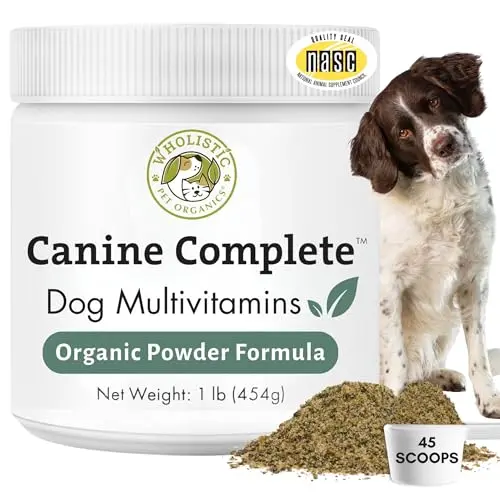
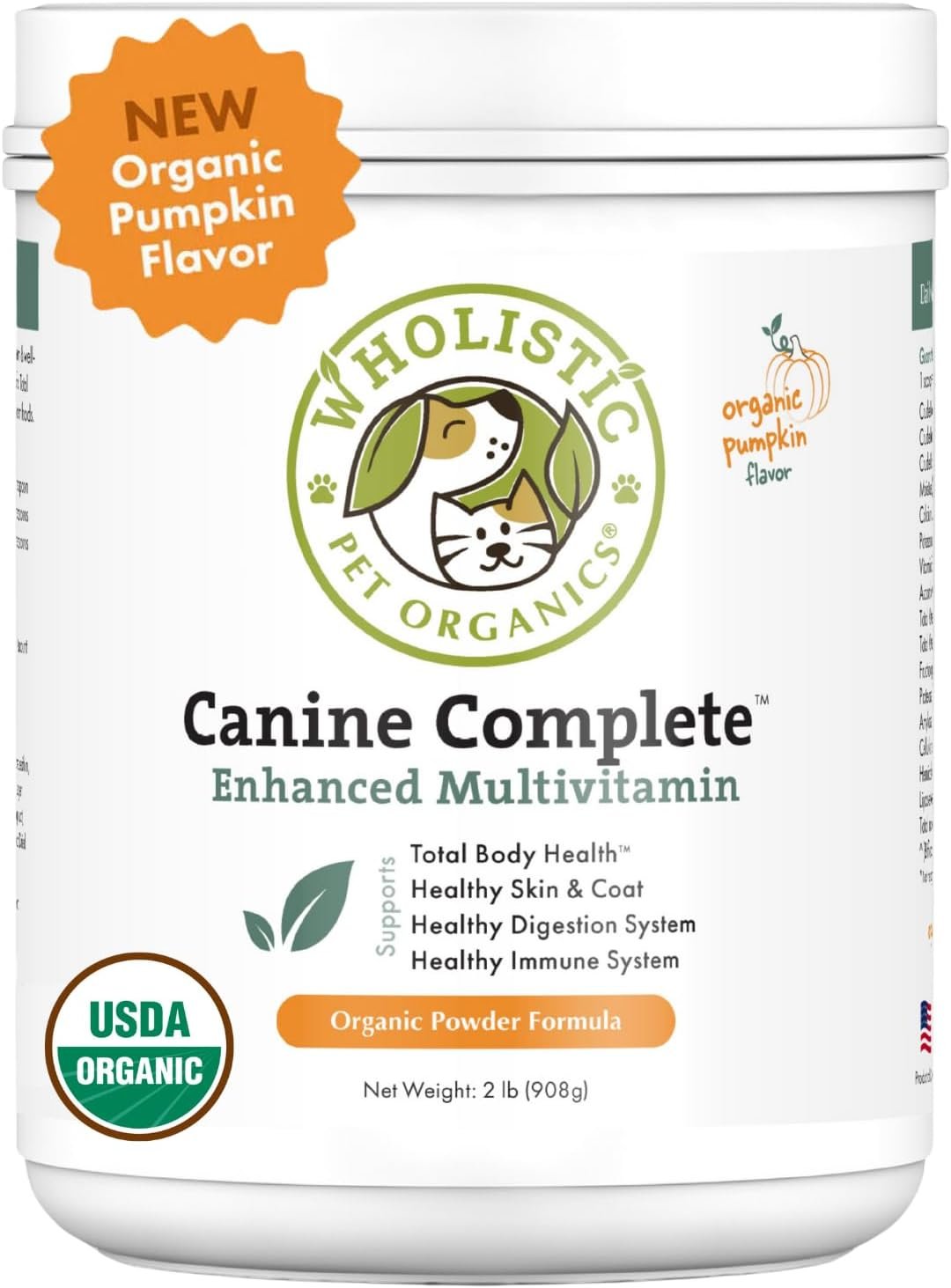
Once a balanced recipe is established, the selection and proper administration of a vitamin supplement for homemade dog food become crucial. Not all supplements are created equal; it is important to choose high-quality products specifically designed for canine use and recommended by a veterinarian. These supplements typically contain a broad spectrum of essential vitamins (e.g., A, D, E, K, B-complex) and minerals (e.g., calcium, phosphorus, zinc, iron, selenium) in bioavailable forms and appropriate ratios. Over-supplementation can be just as harmful as deficiency, so strict adherence to dosage instructions is vital.
Beyond supplementation, careful adherence to the chosen recipe is essential. Varying ingredients or preparation methods without professional guidance can disrupt the delicate nutritional balance. Proper cooking techniques that minimize nutrient loss, such as steaming rather than boiling vegetables, also contribute to the overall nutritional value of the meal. Regular monitoring of a dog’s health and weight, alongside periodic veterinary check-ups and blood tests, allows for adjustments to the diet and supplement regimen as the dog’s needs evolve.
When Professional Help May Be Needed
While the concept of providing a vitamin supplement for homemade dog food is straightforward, knowing when to seek professional veterinary or nutritional guidance is paramount. The journey into homemade dog food should ideally begin with a professional consultation, not after problems arise. A veterinarian or board-certified veterinary nutritionist can provide invaluable assistance in formulating an appropriate diet plan from the outset, preventing deficiencies before they occur.
Professional help is particularly crucial if a dog exhibits any persistent or concerning signs of ill health despite dietary adjustments and supplementation. Symptoms like chronic digestive upset, unexplained weight loss or gain, persistent skin or coat issues, or any changes in mobility or behavior warrant immediate veterinary attention. These signs could indicate underlying health conditions exacerbated by nutritional imbalances or may point to a need for a more specialized diet.
Furthermore, dogs in specific life stages or with pre-existing medical conditions have unique nutritional requirements. Puppies, senior dogs, and pregnant or lactating females require carefully calibrated diets to support growth, maintain health, or sustain offspring. Dogs with conditions such as kidney disease, pancreatitis, diabetes, or severe allergies require therapeutic diets that must be precisely balanced. In these complex scenarios, professional expertise ensures that the homemade diet, inclusive of its vitamin supplement, supports health without compromising treatment.
Conclusion
The decision to feed homemade dog food is a significant commitment that, when executed correctly, can greatly benefit a dog’s health and happiness. However, the path to a nutritionally complete homemade diet is paved with careful planning and an understanding of canine dietary needs. The indispensable role of a vitamin supplement for homemade dog food cannot be overstated; it serves as a vital safeguard against potential nutritional deficiencies that could undermine a dog’s well-being. By prioritizing meticulous recipe formulation, selecting appropriate, high-quality supplements, and maintaining ongoing collaboration with veterinary professionals, dog owners can confidently provide a diet that supports optimal health and vitality. A proactive, informed approach ensures that the love poured into preparing homemade meals translates into comprehensive and balanced nutrition for cherished canine companions.
Pet Care & Wellness Overview Table
| Life Stage | Daily Activity Level | Key Nutrition / Care Focus |
|---|---|---|
| Puppy / Kitten | High (frequent short bursts) | High-protein growth diet & early socialization |
| Adult Companion | Moderate (30–60 mins daily) | Balanced maintenance nutrition & dental hygiene |
| Senior Pets | Low to Gentle (mindful walks) | Joint support (Glucosamine) & routine vet checks |
Images References







For more expert pet care tips and advice, check out our dedicated Dog Nutrition guides to keep your companions healthy and happy.




