
Introduction
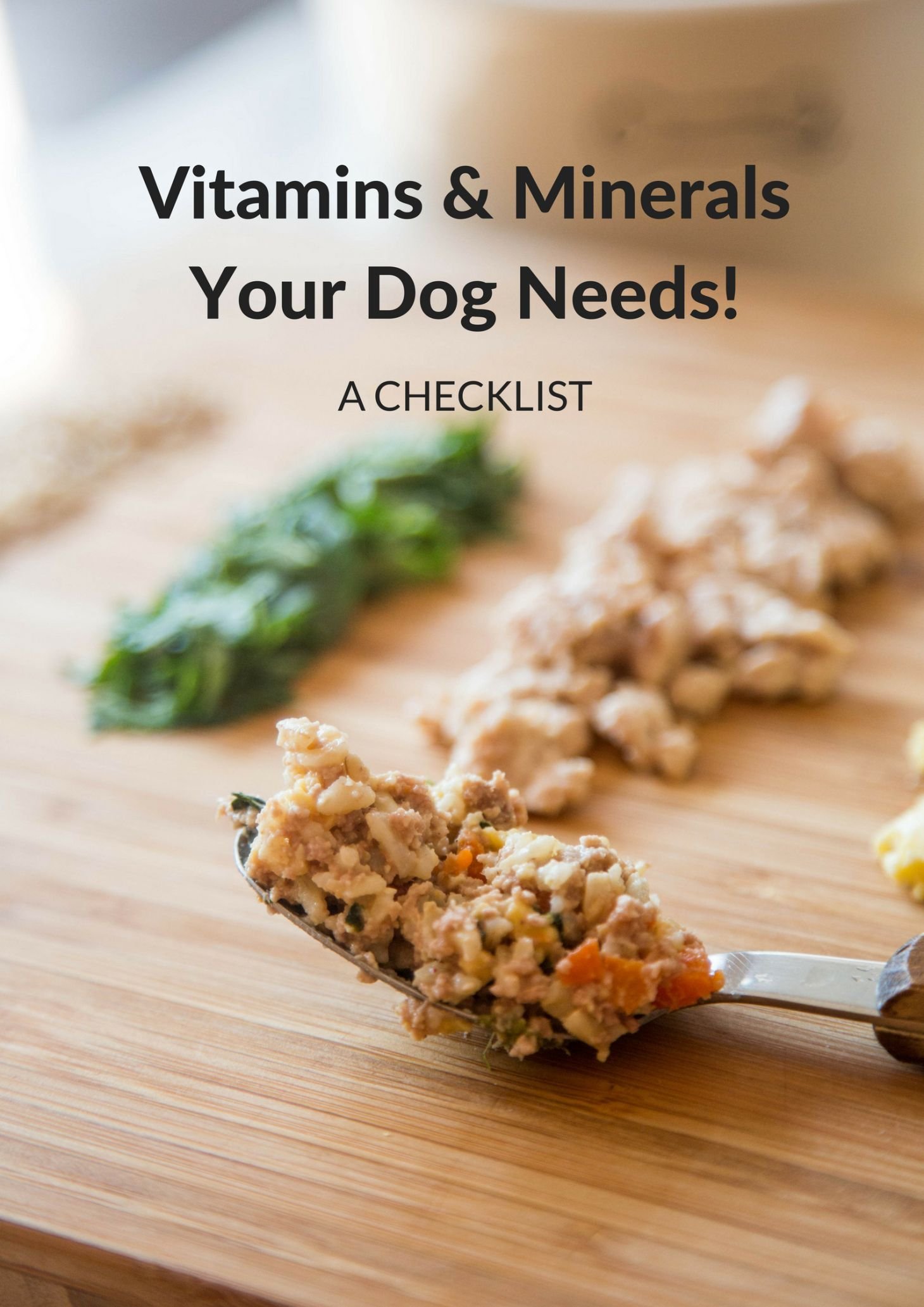
Embarking on the journey of preparing homemade dog food for a canine companion is a commendable act of love and care. Owners often seek to provide the freshest ingredients and avoid certain additives found in commercial kibble, aiming for a more natural and wholesome diet. However, this transition comes with a crucial responsibility: ensuring complete nutritional balance. A common oversight in many homemade diets is the precise fulfillment of a dog’s complex vitamin and mineral requirements. This is where the topic of vitamin supplements for dogs on homemade dog food becomes paramount. Understanding the vital role these supplements play in preventing deficiencies and promoting overall health is essential for any owner committed to a homemade feeding regimen. Properly addressing this aspect of canine nutrition directly impacts a dogs well-being, energy levels, and long-term health, contributing significantly to a higher quality of life.
💡 Pet Care Key Takeaways:
- Core Focus: Practical health, nutrition, and wellness guidelines for Vitamin Supplements For Dogs On Homemade Dog Food.
- Target Scope: Pet owners, animal caregivers, and veterinary support staff.
- Best Recommendation: Maintain consistent daily routines and consult an accredited veterinarian before introducing major diet or medical changes.
Common Causes and Key Factors
The primary reason for the necessity of vitamin supplements for dogs on homemade dog food stems from the inherent difficulty in consistently balancing all essential nutrients through food alone. Unlike commercial dog foods, which are formulated to meet AAFCO (Association of American Feed Control Officials) nutritional standards, homemade recipes often lack the necessary breadth and precision. For more related activities, check out our Natural Balance Puppy Food Quantity Chart.
Many online recipes, while well-intentioned, are not developed by veterinary nutritionists and therefore do not provide a complete and balanced nutrient profile. These recipes may focus on macronutrients like protein and fat but overlook critical micronutrientsvitamins and mineralsthat are vital for every bodily function, from bone health to immune response.
Furthermore, the nutritional content of raw ingredients can vary significantly based on soil quality, growing conditions, and processing. Cooking methods can also degrade certain heat-sensitive vitamins, making it even harder to guarantee adequate levels in the final meal.
Another key factor is the individual dog’s specific needs. A growing puppy, an active adult, a senior dog, or a dog with a specific health condition will have differing nutritional requirements. Without professional guidance, tailoring a homemade diet to these nuanced demands is exceptionally challenging, often leading to either deficiencies or, less commonly, excesses of certain nutrients, both of which can be detrimental. Without careful planning and supplementation, even a diet rich in fresh whole foods can fall short of a dog’s complete nutritional needs.
Signs and Symptoms to Observe
Monitoring a dog’s health and behavior provides crucial insights into the effectiveness of a homemade diet and the potential need for or inadequacy of vitamin supplements for dogs on homemade dog food. Signs of nutritional deficiencies can manifest gradually, making early detection vital.
Observable indicators of an imbalanced diet might include a dull, dry, or flaky coat, which often signifies deficiencies in essential fatty acids or certain B vitamins. Lethargy, decreased activity levels, or a general lack of enthusiasm could point to a broader nutrient deficiency impacting energy production. Changes in appetite, such as pickiness or a reduced desire to eat, may also signal a dietary imbalance.
More specific symptoms can arise from particular vitamin or mineral shortfalls. For instance, skeletal abnormalities, lameness, or a reluctance to move might suggest issues with calcium, phosphorus, or vitamin D absorption. Weakness, muscle tremors, or even neurological symptoms could be linked to severe B vitamin deficiencies. Chronic digestive issues like diarrhea, constipation, or poor stool quality can also be an indirect sign of an improperly balanced diet affecting gut health.
These signs can vary depending on a dogs age, breed, and activity level. Puppies, with their rapid growth, are particularly vulnerable to deficiencies and may exhibit stunted growth or developmental abnormalities. Senior dogs, with potentially reduced nutrient absorption, might show signs more subtly or in conjunction with age-related conditions. Any persistent changes in a dog’s physical condition or behavior warrant close attention.
Practical Solutions and Management Strategies
Ensuring a complete and balanced homemade diet requires a proactive and informed approach. The cornerstone of effective management involves professional consultation. Engaging with a board-certified veterinary nutritionist is the most crucial step. These experts can formulate bespoke recipes tailored to a dog’s individual needs, factoring in age, breed, activity level, and any existing health conditions.
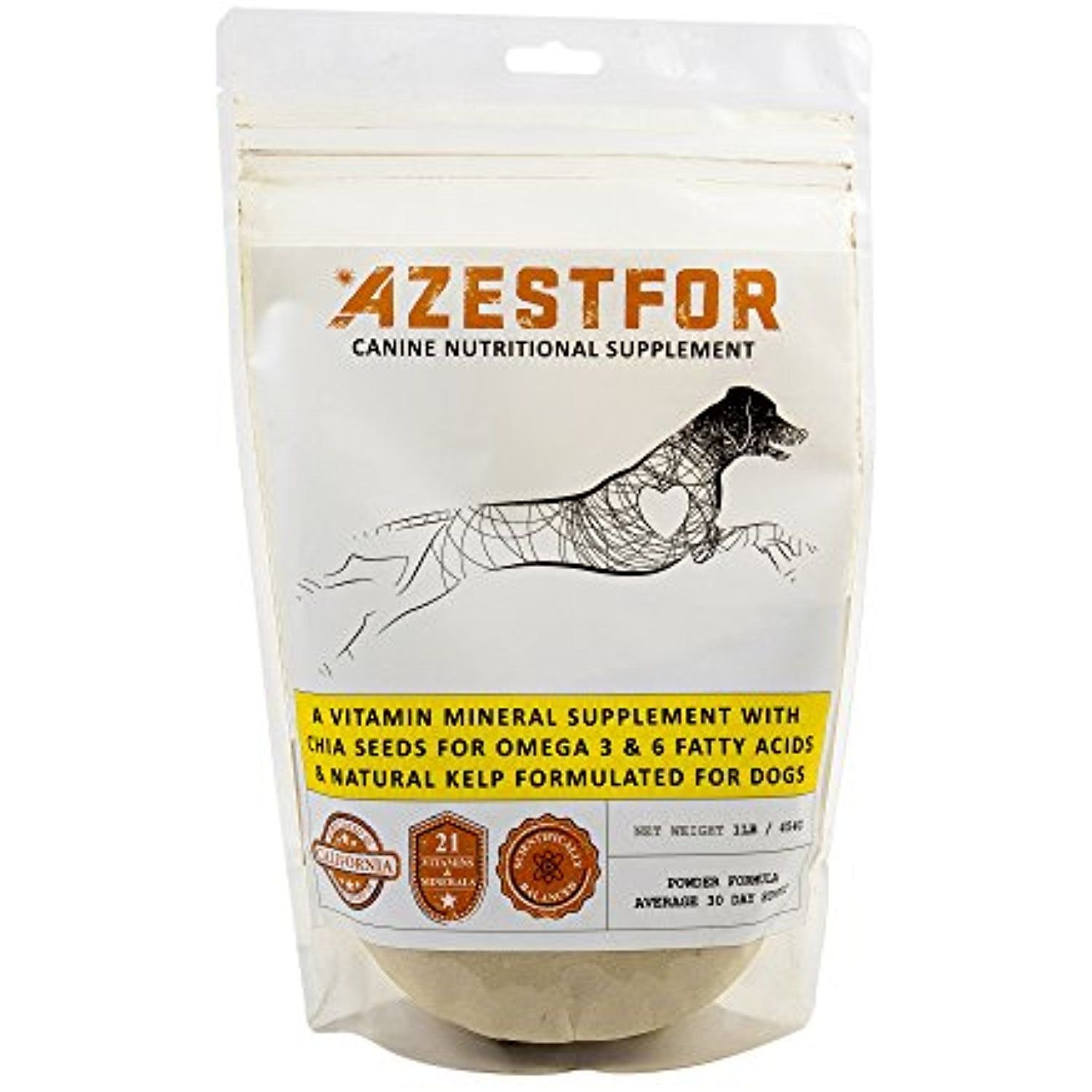
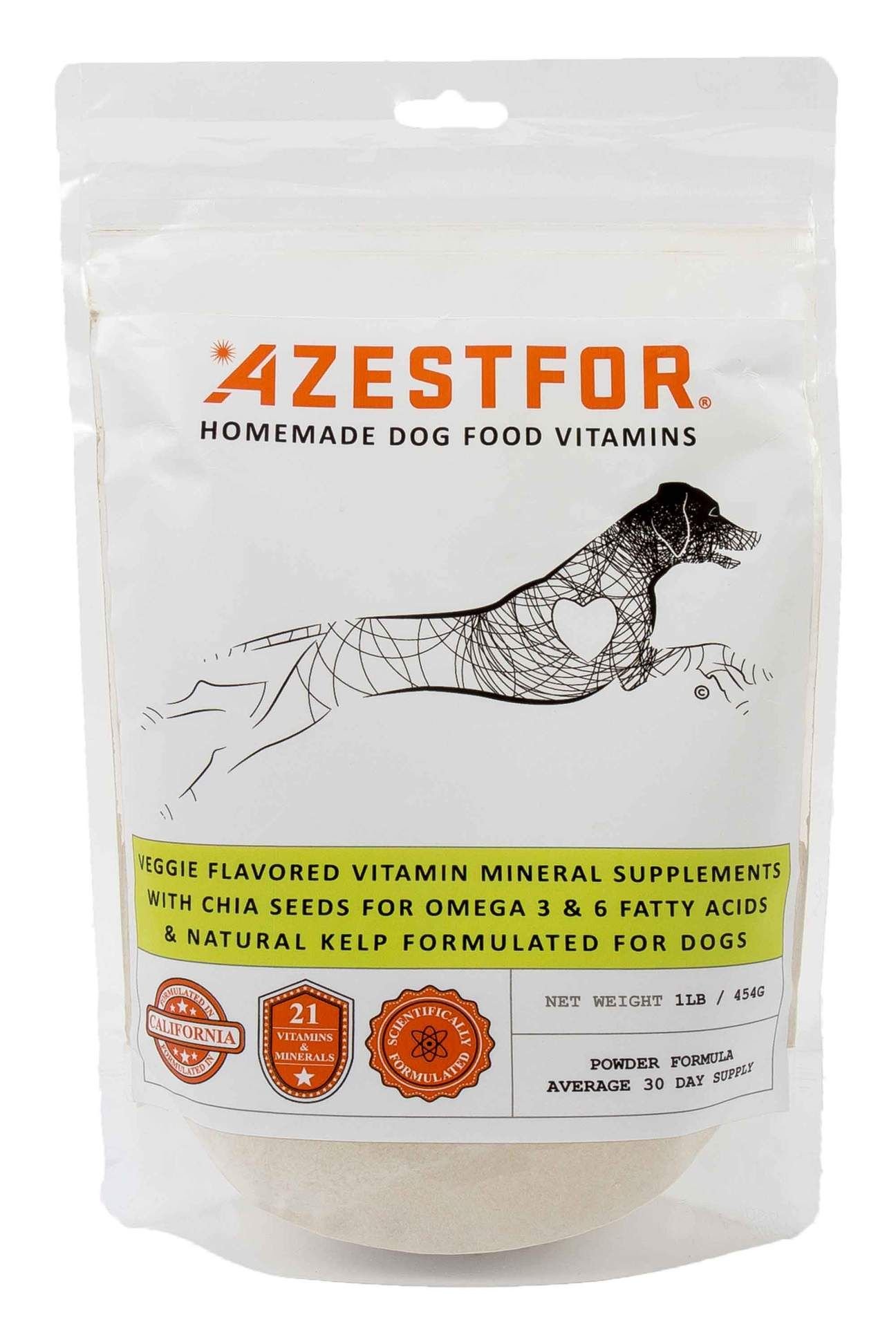
Once a nutritionally sound homemade diet is established, the consistent and correct application of vitamin supplements for dogs on homemade dog food becomes paramount. These supplements are specifically designed to bridge the nutritional gaps that even the most carefully prepared whole food diet might present. It is important to choose supplements that are vet-approved and formulated for canine use, as human supplements may not have the correct ratios or forms of nutrients for dogs. Over-supplementation can be just as harmful as deficiency, highlighting the need for precise dosage as prescribed by a nutritionist.
Adhering strictly to the nutritionist’s recipe, including cooking methods and ingredient measurements, is essential to maintain balance. Any substitutions or alterations without expert guidance could inadvertently disrupt the nutritional profile. Regular monitoring of the dogs weight, coat condition, energy levels, and stool quality offers ongoing feedback on the diets effectiveness. Periodic blood tests, as recommended by a veterinarian, can also help assess nutrient levels and detect any imbalances before visible symptoms appear.
When Professional Help May Be Needed
The journey of feeding a dog a homemade diet inherently requires a strong partnership with veterinary professionals. Prior to initiating any homemade feeding plan, a consultation with a veterinarian or, ideally, a board-certified veterinary nutritionist is indispensable. This proactive step helps establish a solid nutritional foundation, preventing potential deficiencies from the outset.
Professional help becomes immediately necessary if a dog exhibits any of the previously mentioned signs or symptoms of nutritional deficiency, such as persistent lethargy, unexplained weight loss, changes in coat quality, digestive issues, or behavioral shifts. These symptoms require prompt veterinary assessment to diagnose the underlying cause, which could range from dietary imbalance to an unrelated medical condition. A veterinarian can conduct appropriate diagnostic tests and recommend a course of action, which may include dietary adjustments, specific supplementation, or medical treatment.
Furthermore, ongoing professional guidance is advisable for dogs on homemade diets, especially during significant life changes. Puppies require careful monitoring during their rapid growth phase, while senior dogs or those with chronic health conditions may need their diets and supplementation adjusted regularly to accommodate changing metabolic and physiological needs. Regular veterinary check-ups allow for continuous assessment of a dogs overall health and the efficacy of their diet, ensuring that the homemade food, supported by appropriate vitamin supplements for dogs on homemade dog food, continues to meet their evolving nutritional requirements.
Conclusion
Feeding a dog a homemade diet reflects a deep commitment to their health and happiness. While offering numerous benefits in terms of ingredient quality and freshness, it also carries the significant responsibility of ensuring complete nutritional adequacy. The critical role of vitamin supplements for dogs on homemade dog food cannot be overstated; they are not merely an add-on but an essential component in bridging the gap between whole food ingredients and a dog’s complex dietary requirements. Relying solely on homemade recipes without expert nutritional formulation and supplementation often leads to deficiencies that can severely impact a dog’s health and well-being. Prioritizing professional guidance from a veterinary nutritionist, coupled with the consistent use of appropriate, vet-approved supplements, ensures that a dog receives all the essential vitamins and minerals needed to thrive. Through informed decisions, careful planning, and continuous monitoring, owners can confidently provide a homemade diet that truly supports a healthy, vibrant life for their canine companion.
Pet Care & Wellness Overview Table
| Life Stage | Daily Activity Level | Key Nutrition / Care Focus |
|---|---|---|
| Puppy / Kitten | High (frequent short bursts) | High-protein growth diet & early socialization |
| Adult Companion | Moderate (30–60 mins daily) | Balanced maintenance nutrition & dental hygiene |
| Senior Pets | Low to Gentle (mindful walks) | Joint support (Glucosamine) & routine vet checks |
Images References



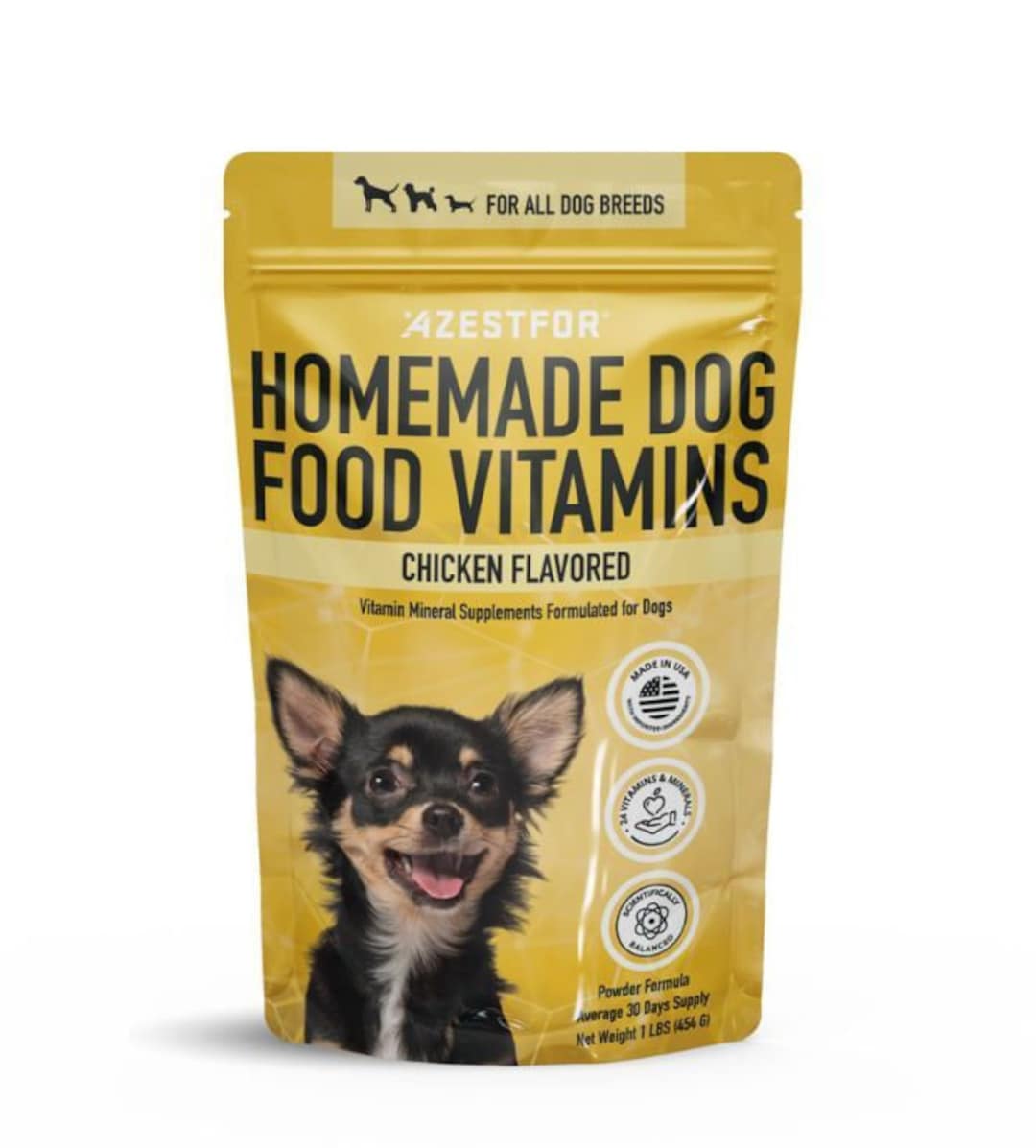


For more expert pet care tips and advice, check out our dedicated Dog Nutrition guides to keep your companions healthy and happy.




