
Introduction
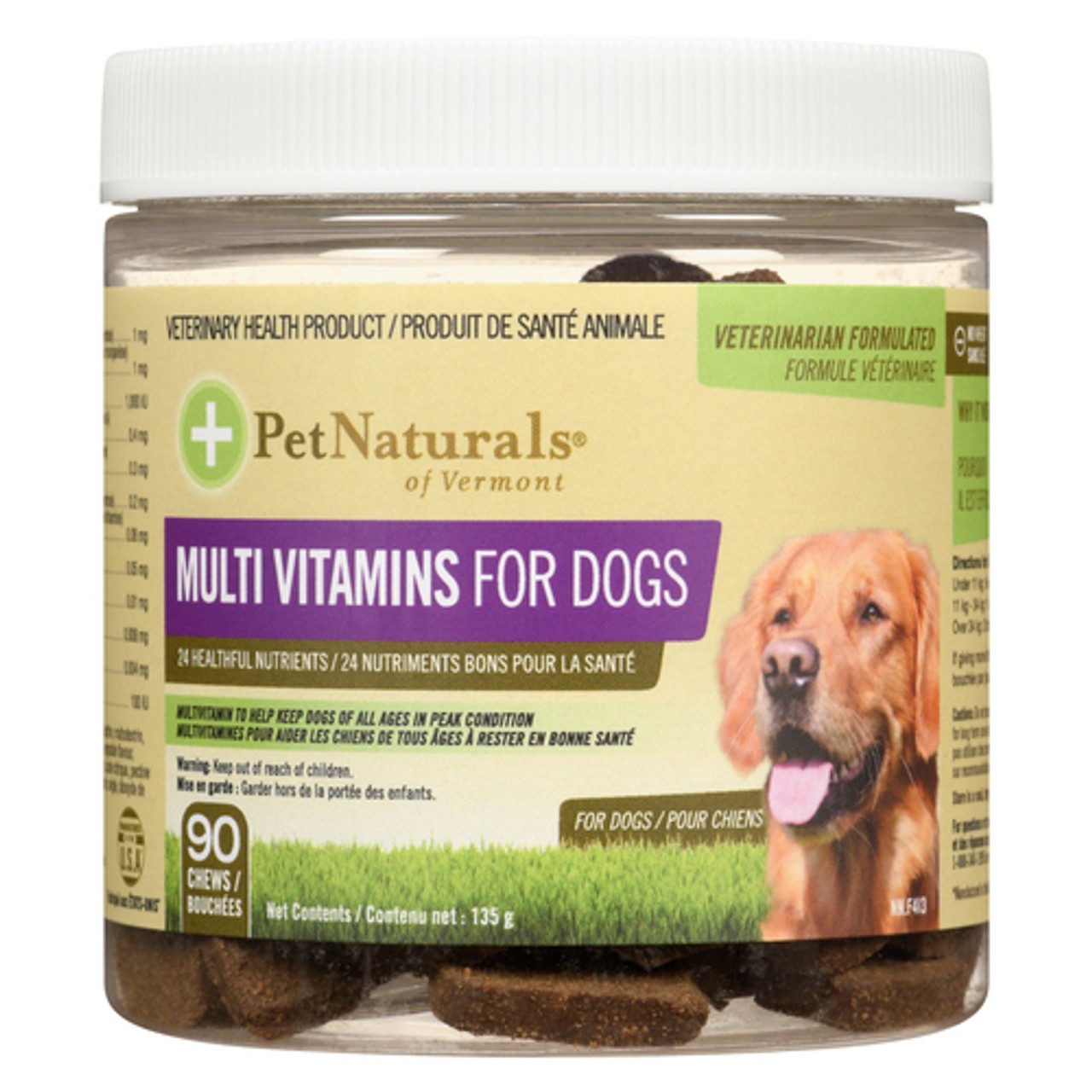
The discussion around optimal canine nutrition often centers on protein, fats, and carbohydrates, yet a crucial component frequently warrants closer examination: the precise role of vitamins for dog food. These vital micronutrients, while needed in smaller quantities compared to macronutrients, are indispensable for virtually every bodily function a dog performs. Understanding their significance is not merely an academic exercise; it is a foundational aspect of responsible pet ownership that directly impacts a dog’s health, energy levels, and overall quality of life. Without the correct balance of vitamins, a dog can experience a range of health issues, from subtle behavioral changes to serious medical conditions. This article aims to illuminate the critical importance of these dietary elements, empowering dog owners with the knowledge to ensure their companions thrive.
💡 Pet Care Key Takeaways:
- Core Focus: Practical health, nutrition, and wellness guidelines for Vitamins For Dog Food.
- Target Scope: Pet owners, animal caregivers, and veterinary support staff.
- Best Recommendation: Maintain consistent daily routines and consult an accredited veterinarian before introducing major diet or medical changes.
Common Causes and Key Factors
Ensuring adequate and balanced vitamins for dog food involves navigating several key factors, as both deficiencies and excesses can lead to health complications. One primary cause of concern stems from the type of diet provided. While high-quality commercial dog foods are typically formulated to meet the nutritional standards set by bodies like the Association of American Feed Control Officials (AAFCO), not all products are created equal. Lower-quality foods may use ingredients with reduced nutrient bioavailability or may have vitamins degraded during processing. For more related activities, check out our “Fortiflora” And “Gut Health”.
Homemade diets, when not carefully balanced by a veterinary nutritionist, represent another significant risk factor. It is exceptionally challenging to formulate a nutritionally complete and balanced diet from scratch without expert guidance, often leading to unintentional vitamin deficiencies or imbalances. A dog’s specific life stage and activity level also profoundly influence their vitamin requirements. Growing puppies, senior dogs, pregnant or lactating females, and highly active working dogs all have distinct nutritional needs that demand careful consideration.
Furthermore, underlying health conditions can impede a dog’s ability to absorb or utilize vitamins effectively. Gastrointestinal diseases, liver or kidney disorders, and certain medications can interfere with nutrient metabolism. Improper supplementation, paradoxically, can also be a cause for concern. Adding too many supplements, especially fat-soluble vitamins (A, D, E, K), without veterinary advice can lead to toxic accumulation, which can be as detrimental as a deficiency. Finally, the way dog food is stored and prepared can affect vitamin integrity. Exposure to heat, light, and air can degrade these sensitive compounds over time, reducing their potency before consumption.
Signs and Symptoms to Observe
Recognizing the signs and symptoms associated with imbalances in vitamins for dog food is crucial for early intervention. The observable indicators can range from subtle changes in demeanor to pronounced physical ailments, often depending on the specific vitamin involved, the severity of the imbalance, and the dog’s individual physiology.
Common signs of vitamin deficiency include a dull, dry, or brittle coat, excessive shedding, and flaky skin, reflecting poor skin and coat health. A decrease in energy levels, increased lethargy, or unusual weakness can signal an underlying nutritional shortfall. Digestive disturbances such as intermittent vomiting or diarrhea may also suggest that the digestive system is not functioning optimally due to a lack of certain vitamins. Impaired immune function, leading to frequent infections or slow wound healing, often points to a compromised nutritional status. In more severe cases, specific deficiencies can manifest as neurological issues, skeletal abnormalities, or vision problems. For example, a lack of certain B vitamins can affect nerve function, while insufficient Vitamin D can impact bone health.
Conversely, an excess of certain vitamins, particularly fat-soluble ones, can also produce noticeable symptoms. Vitamin A toxicity, for instance, can lead to skeletal deformities, joint pain, and lethargy. Vitamin D overdose is particularly dangerous, potentially causing hypercalcemia, which can result in kidney damage and calcification of soft tissues. The manifestation of these signs can vary significantly based on the dog’s age, breed predispositions, and environmental factors, making keen observation and professional consultation invaluable.
Practical Solutions and Management Strategies
Implementing practical solutions to ensure appropriate vitamins for dog food is fundamental to maintaining canine health. The most effective strategy begins with providing a high-quality, complete, and balanced commercial dog food. These diets are meticulously formulated to meet the specific nutritional requirements for a dog’s life stage, incorporating the necessary vitamins in appropriate ratios. Dog owners should look for foods that state they meet AAFCO nutritional adequacy standards for their dog’s particular life stage.
For those who prefer to feed homemade diets, it is imperative to consult with a board-certified veterinary nutritionist. These professionals can formulate recipes that are precisely balanced with all essential nutrients, including vitamins, tailored to an individual dog’s needs. Attempting to create a homemade diet without expert guidance frequently results in nutrient imbalances.
When considering vitamin supplementation, it is crucial to proceed with caution and only under the direct guidance of a veterinarian. Unnecessary or incorrect supplementation can lead to toxicities, particularly with fat-soluble vitamins. A veterinarian can assess if a supplement is genuinely needed based on a dog’s diet, health status, and any diagnosed deficiencies. Furthermore, proper storage of dog food is essential to preserve vitamin content. Keeping food in cool, dry conditions, away from direct sunlight, and in airtight containers helps prevent the degradation of heat- and light-sensitive vitamins. Regularly checking the food’s expiration date also ensures its nutritional integrity. Adjusting the diet as a dog transitions through different life stagesfrom puppyhood to adulthood and senior yearsis another key strategy to meet changing vitamin requirements.
When Professional Help May Be Needed
While diligent observation and responsible feeding practices form the cornerstone of canine care, there are specific circumstances where professional veterinary intervention becomes indispensable regarding vitamins for dog food. Any persistent or concerning signs of illness, such as chronic lethargy, unexplained weight loss, recurring digestive issues, or unusual skin and coat problems, warrant immediate veterinary attention. These symptoms could indicate underlying vitamin deficiencies or excesses that require precise diagnostic testing and a targeted treatment plan.
Veterinary consultation is also crucial before making significant changes to a dog’s diet, especially when transitioning to a homemade diet or considering the introduction of any new vitamin supplements. A veterinarian can assess a dogs overall health, existing diet, and potential nutrient interactions, providing guidance that prevents accidental imbalances. Dogs with chronic medical conditions, such as kidney disease, liver disease, or malabsorption syndromes, often have altered vitamin requirements or impaired absorption capabilities. In these cases, a veterinarian can devise a specialized dietary plan that accounts for these unique needs. Furthermore, if a dog is suspected of having a specific vitamin toxicity or deficiency, a veterinarian can conduct appropriate blood tests or other diagnostics to confirm the issue and prescribe the correct course of action, which may include therapeutic supplementation or dietary modifications. Engaging with a qualified professional ensures that any nutritional adjustments are safe, effective, and tailored to the individual dog’s health profile.
Conclusion
The importance of vitamins for dog food cannot be overstated. These tiny yet mighty micronutrients are fundamental to a dog’s robust health, influencing everything from immune function and energy levels to skin integrity and bone strength. Understanding the nuances of vitamin requirements, recognizing the signs of imbalance, and implementing proactive management strategies are essential responsibilities for every dog owner. By opting for high-quality, complete commercial diets, seeking professional guidance for homemade meal plans or supplementation, and observing canine companions closely for any changes, owners can significantly contribute to their dog’s well-being. Ensuring optimal vitamin intake is a cornerstone of responsible pet care, directly supporting a long, healthy, and happy life for cherished canine family members.
Pet Care & Wellness Overview Table
| Life Stage | Daily Activity Level | Key Nutrition / Care Focus |
|---|---|---|
| Puppy / Kitten | High (frequent short bursts) | High-protein growth diet & early socialization |
| Adult Companion | Moderate (30–60 mins daily) | Balanced maintenance nutrition & dental hygiene |
| Senior Pets | Low to Gentle (mindful walks) | Joint support (Glucosamine) & routine vet checks |
Images References




For more expert pet care tips and advice, check out our dedicated Dog Nutrition guides to keep your companions healthy and happy.




