

Introduction
Crafting homemade meals for a canine companion offers the appeal of knowing every ingredient that goes into a dog’s bowl. However, the seemingly simple act of preparing food at home can inadvertently lead to significant nutritional gaps if not carefully managed. A common oversight in this endeavor involves the essential micronutrients, specifically vitamins to add to homemade dog food. Understanding what these vital organic compounds are, why they are crucial, and how to properly incorporate them is paramount. Without a balanced profile of vitamins and minerals, a homemade diet, no matter how lovingly prepared, can fall short of meeting a dogs complete dietary requirements, potentially impacting its long-term health, vitality, and overall well-being. This article aims to illuminate the critical role of these nutritional additions, helping dog owners ensure their canine companions receive a truly complete and nourishing diet.
💡 Pet Care Key Takeaways:
- Core Focus: Practical health, nutrition, and wellness guidelines for Vitamins To Add To Homemade Dog Food.
- Target Scope: Pet owners, animal caregivers, and veterinary support staff.
- Best Recommendation: Maintain consistent daily routines and consult an accredited veterinarian before introducing major diet or medical changes.
Common Causes and Key Factors
Several factors contribute to the necessity of adding specific homemade dog food supplements, particularly vitamins, to home-prepared meals. A primary reason is the inherent complexity of canine nutrition. Unlike commercial dog foods, which are formulated to be complete and balanced according to established nutritional profiles, homemade diets often lack this intrinsic balance without deliberate fortification. For more related activities, check out our “Fortiflora” And “Gut Health”.
One key factor is the limited nutritional knowledge of many dog owners. While a general understanding of protein, fats, and carbohydrates is common, the intricate requirements for specific vitamins (such as A, D, E, K, and the B-complex vitamins) and their optimal ratios are often underestimated. Ingredients that appear healthy, like chicken and rice, do not by themselves constitute a balanced homemade dog food.
Ingredient variability also plays a significant role. The nutrient content of whole foods can fluctuate based on soil quality, farming practices, storage, and freshness. This makes it challenging to consistently provide precise levels of all essential dog vitamins through raw ingredients alone.
Furthermore, cooking processes can degrade certain heat-sensitive vitamins, such as some B vitamins and vitamin C. Even if ingredients are initially rich in these nutrients, high temperatures during preparation can significantly reduce their availability.
Finally, individual dog needs vary considerably. Factors like age (puppies, seniors), activity level, breed-specific predispositions, and existing health conditions all influence a dog’s vitamin requirements. A growing puppy, for instance, has vastly different nutritional demands than a sedentary adult or a dog recovering from illness. Addressing these specific needs requires a precise approach to dog nutrition homemade.
Signs and Symptoms to Observe
Recognizing the signs of vitamin deficiencies in dogs fed a homemade diet is crucial for timely intervention. While many symptoms can be indicative of various health issues, persistent or recurring patterns might signal an incomplete nutritional profile, specifically regarding dog homemade food vitamins.
Coat and Skin Issues: A dull, dry, or brittle coat, excessive shedding, flaky skin, or unexplained skin irritation can point to deficiencies in vitamins A, E, or B-complex vitamins. These nutrients are vital for skin integrity and coat health.
Reduced Energy Levels and Lethargy: Persistent tiredness, lack of enthusiasm for activities, or a general decrease in stamina might suggest insufficient B vitamins, which are crucial for energy metabolism.
Weakened Immune Response: Frequent infections, slow healing of wounds, or a general susceptibility to illness can be indicative of inadequate intake of vitamins C and E, both powerful antioxidants that support immune function.
Digestive Upset: While many factors contribute to digestive issues, chronic diarrhea or poor appetite can sometimes be linked to deficiencies that affect gut health and nutrient absorption.
Musculoskeletal Problems: Lameness, joint stiffness, or poor bone development, especially in growing puppies, could be a serious indicator of vitamin D deficiency, which is essential for calcium absorption and bone mineralization.
Vision Impairment: Night blindness or other vision problems may arise from a lack of vitamin A, a nutrient critical for maintaining healthy eyesight.
Observing these signs, particularly when a dog is on a homemade dog diet, should prompt careful consideration of the diet’s completeness.
Practical Solutions and Management Strategies
Ensuring a homemade diet provides all necessary vitamins to add to homemade dog food requires a proactive and informed approach. The goal is to move beyond simply cooking for a dog and embrace the science of canine nutrition.
Consult a Veterinary Nutritionist: This is arguably the most crucial step. A board-certified canine nutrition expert or a veterinarian with a strong interest in nutrition can formulate a complete and balanced homemade diet tailored to a dogs specific needs. They can provide precise recipes that include appropriate vitamin supplementation.
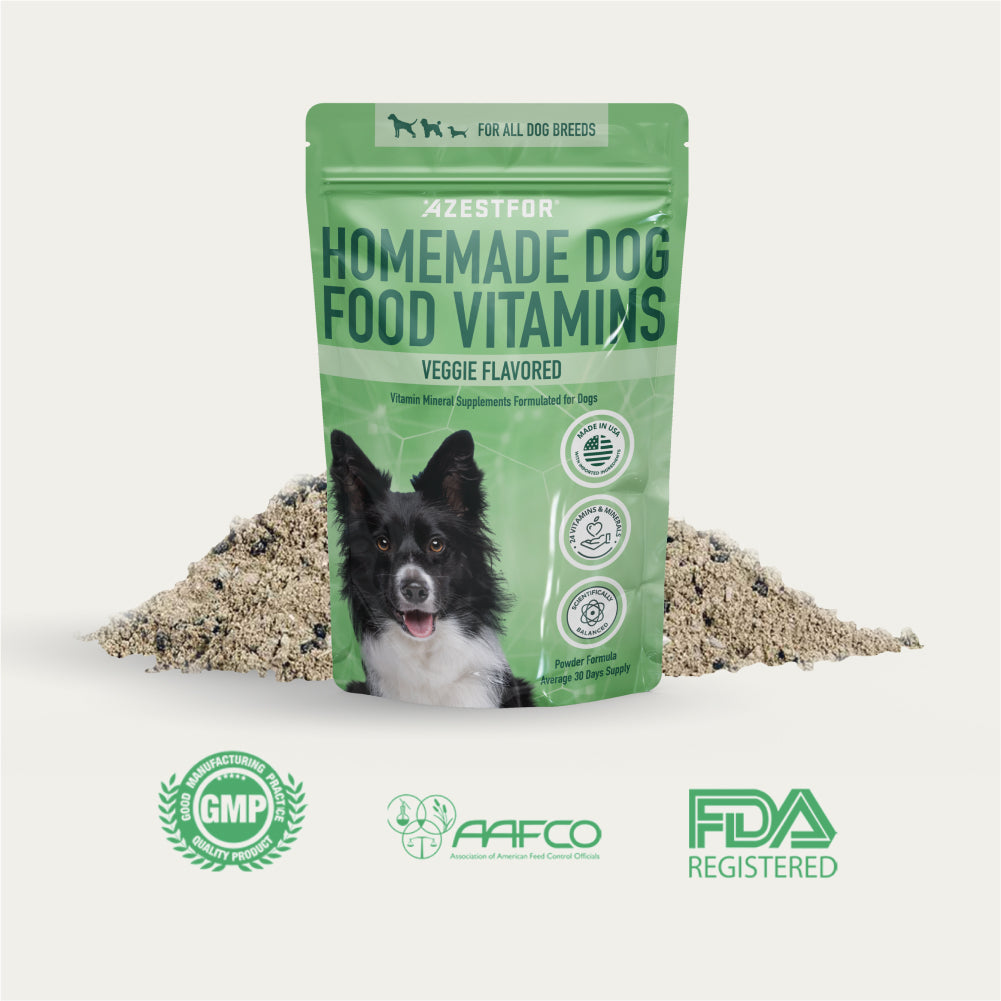
Utilize Commercial Supplements Designed for Homemade Diets: Several reputable brands offer vitamin and mineral supplements specifically formulated to balance home-prepared meals. These products typically contain a comprehensive array of essential vitamins and minerals in the correct ratios, taking the guesswork out of supplementation. It is important to choose supplements specifically made for dogs and to follow dosage instructions carefully.
Incorporate Nutrient-Dense Whole Foods Judiciously: While supplements are vital, including a variety of vitamin-rich whole foods can also contribute. Examples include certain organ meats (like liver, a source of vitamin A and B vitamins), specific vegetables (e.g., leafy greens for vitamin K), and eggs (for vitamin D and B vitamins). However, relying solely on whole foods without expert guidance is generally insufficient for complete vitamin balance.
Proper Storage and Preparation Methods: To preserve the vitamin content of ingredients, store foods correctly and minimize overcooking. Steaming vegetables rather than boiling them, for instance, can help retain water-soluble vitamins.
Regular Veterinary Check-ups: Consistent monitoring of a dogs health with a veterinarian can help detect any emerging nutritional deficiencies early. Blood tests can sometimes reveal imbalances that warrant dietary adjustments.
When Professional Help May Be Needed
While the ambition to provide a dog with the best possible nutrition through homemade food is commendable, there are distinct situations where professional intervention is not just advisable, but often essential.
Presence of Deficiency Symptoms: If a dog exhibits any of the signs and symptoms of vitamin deficiency discussed previously, immediate consultation with a veterinarian is imperative. These symptoms can sometimes indicate serious underlying health conditions, and only a professional can accurately diagnose the cause and recommend appropriate treatment, which may include dietary adjustments or specific vitamin therapies.
Transitioning to a Homemade Diet: Before even beginning a homemade diet, seeking guidance from a veterinary nutritionist is strongly recommended. They can help formulate a balanced diet plan from the outset, preventing deficiencies before they occur. This initial consultation is an investment in a dog’s long-term health.
Dogs with Specific Health Conditions: Canines with pre-existing medical conditions such as kidney disease, allergies, pancreatitis, or gastrointestinal sensitivities have unique dietary needs that complicate homemade food preparation. A professional can tailor a diet that supports their health and avoids exacerbating their conditions, ensuring proper vitamins for homemade dog food are included without causing harm.
Puppies, Pregnant/Lactating Dogs, and Senior Dogs: These life stages come with elevated and highly specific nutritional requirements. Puppies need optimal nutrients for growth, pregnant and lactating dogs require extra support for themselves and their offspring, and senior dogs often need diets tailored to maintain muscle mass and joint health. Attempting to meet these needs without expert guidance carries a higher risk of nutritional imbalances.
Uncertainty Regarding Diet Formulation: If any doubt exists about the completeness or balance of a homemade diet, or about which homemade dog food supplements to use, consulting a professional is the safest course of action. It provides peace of mind and ensures the dog receives optimal nutrition.
Conclusion
The journey of feeding a dog a homemade diet is a testament to an owner’s dedication to canine welfare. However, this commitment must be paired with comprehensive knowledge, particularly regarding the critical role of vitamins to add to homemade dog food. Ensuring a diet is not only palatable but also nutritionally complete is fundamental to a dog’s health, energy, and longevity. Awareness of potential deficiencies, meticulous planning, and the judicious use of appropriate supplements are all vital components of responsible homemade feeding. Prioritizing consultation with a veterinary nutritionist provides an invaluable resource, offering tailored guidance that transforms good intentions into excellent nutritional outcomes. By embracing this informed approach, dog owners can confidently provide a diet that truly nourishes their beloved companions, contributing to a vibrant and healthy life.
Pet Care & Wellness Overview Table
| Life Stage | Daily Activity Level | Key Nutrition / Care Focus |
|---|---|---|
| Puppy / Kitten | High (frequent short bursts) | High-protein growth diet & early socialization |
| Adult Companion | Moderate (30–60 mins daily) | Balanced maintenance nutrition & dental hygiene |
| Senior Pets | Low to Gentle (mindful walks) | Joint support (Glucosamine) & routine vet checks |
Images References





For more expert pet care tips and advice, check out our dedicated Dog Nutrition guides to keep your companions healthy and happy.




