

Introduction
Exploring dietary options for canine companions is a fundamental aspect of responsible pet ownership, with the “wet food diet for dogs” representing a significant choice for many. This dietary approach involves feeding dogs food that has a high moisture content, typically packaged in cans, pouches, or trays. Unlike dry kibble, wet food offers a distinct texture, aroma, and nutritional profile that can be particularly appealing or beneficial in various circumstances. Understanding the nuances of a wet food diet is crucial for dog owners seeking to optimize their pets health, manage specific conditions, or simply enhance mealtime enjoyment. A well-informed decision about canine nutrition directly impacts a dogs energy levels, coat quality, digestive health, and overall longevity, making this a vital topic for comprehensive pet care.
💡 Pet Care Key Takeaways:
- Core Focus: Practical health, nutrition, and wellness guidelines for Wet Food Diet For Dogs.
- Target Scope: Pet owners, animal caregivers, and veterinary support staff.
- Best Recommendation: Maintain consistent daily routines and consult an accredited veterinarian before introducing major diet or medical changes.
Common Causes and Key Factors
Several factors often lead dog owners to consider or adopt a wet food diet for dogs. One primary reason is the enhanced palatability of wet food, which can stimulate the appetite of finicky eaters, senior dogs with dulled senses, or those recovering from illness. The strong aroma and softer texture are frequently more enticing than dry kibble. Another significant benefit is the high moisture content, typically ranging from 70-85%. This contributes significantly to a dogs daily hydration, which is particularly beneficial for dogs that do not drink enough water, those prone to urinary tract issues, or those living in warmer climates. For more related activities, check out our Purina One Xxl 10Kg Feeding Guide 20Kg Dog.
The digestibility of wet food is also a key factor. Many wet food formulations contain fewer carbohydrates and more easily digestible proteins and fats compared to some dry foods, which can be advantageous for dogs with sensitive stomachs or certain gastrointestinal conditions. Furthermore, portion control can be simpler with wet food, as it is often sold in pre-portioned servings, potentially aiding in weight management for dogs prone to obesity. The quality of ingredients also plays a crucial role; premium wet dog foods frequently feature whole meats, vegetables, and beneficial supplements, aligning with a desire for more natural or less processed nutrition.
Signs and Symptoms to Observe
When a dog is thriving on a wet food diet, several positive indicators can be observed. A well-hydrated dog will typically exhibit healthy skin elasticity, bright eyes, and consistent energy levels. Stool consistency should be firm and well-formed, indicating good digestion and nutrient absorption. An improved appetite and enthusiastic mealtime behavior are often evident, especially in dogs that previously showed little interest in their food. Dogs with healthy coats often display shinier fur and reduced shedding, reflecting adequate nutrient intake, particularly essential fatty acids.
Conversely, observing any negative changes necessitates attention. Signs such as loose stools or diarrhea, excessive thirst despite high moisture intake, lethargy, or unexplained weight loss could indicate an unsuitable diet or underlying health issues. Allergic reactions, though less common directly from wet food unless specific ingredients are problematic, might manifest as itching, skin redness, or digestive upset. Monitoring a dog’s general demeanor, weight stability, and waste output provides valuable insights into how well a wet food diet is meeting its individual nutritional requirements.
Practical Solutions and Management Strategies
Implementing or transitioning to a wet food diet for dogs requires thoughtful planning to ensure a smooth and beneficial experience. When introducing wet food, a gradual transition over several days is recommended. This involves mixing small amounts of the new wet food with the current dry food, slowly increasing the wet food proportion while decreasing the dry food portion. This approach helps the dogs digestive system adjust and minimizes the risk of gastrointestinal upset.
Proper storage and serving practices are essential. Opened wet food should be refrigerated promptly and consumed within 2-3 days to maintain freshness and prevent bacterial growth. Warming wet food slightly before serving can enhance its aroma and palatability, which can be particularly helpful for older or finicky eaters. For dogs requiring weight management, careful attention to calorie counts is crucial, as wet food can sometimes be more calorically dense than dry food by volume. Consulting feeding guidelines provided by the manufacturer is a good starting point, adjusting portions based on the dogs age, activity level, and metabolic rate. Combining wet food with a high-quality dry kibble can also offer a balanced approach, providing both hydration benefits and dental abrasion from the dry food.
When Professional Help May Be Needed
While a wet food diet for dogs offers numerous advantages, certain situations warrant professional veterinary consultation. If a dog experiences persistent digestive upset, such as chronic diarrhea, vomiting, or significant changes in appetite after transitioning to or while on a wet food diet, veterinary guidance is essential. Dogs with specific health conditions, including kidney disease, diabetes, or severe allergies, often require prescription wet food formulas or specific dietary recommendations from a veterinarian to ensure their nutritional needs are met without exacerbating their condition.
Furthermore, if a dog fails to thrive, exhibits unexplained weight loss or gain, or displays unusual behavioral changes, a comprehensive veterinary examination is crucial. A veterinarian can assess the dogs overall health, review its current diet, and provide tailored nutritional advice to optimize well-being. Ensuring a wet food diet is complete and balanced for a dogs life stage and health status is a critical aspect where professional expertise can provide invaluable assurance.
Conclusion
The “wet food diet for dogs” offers a compelling nutritional alternative, characterized by its high palatability, excellent hydration benefits, and often superior digestibility. Understanding the underlying reasons for choosing wet food, observing a dogs response to it, and implementing practical management strategies are all vital steps for responsible dog ownership. By being attentive to a dogs individual needs and recognizing when professional veterinary advice is warranted, owners can leverage the benefits of a wet food diet to support their canine companions health and happiness. A balanced approach to nutrition, coupled with consistent care and keen observation, remains paramount in fostering a vibrant and fulfilling life for every beloved dog.
Pet Care & Wellness Overview Table
| Life Stage | Daily Activity Level | Key Nutrition / Care Focus |
|---|---|---|
| Puppy / Kitten | High (frequent short bursts) | High-protein growth diet & early socialization |
| Adult Companion | Moderate (30–60 mins daily) | Balanced maintenance nutrition & dental hygiene |
| Senior Pets | Low to Gentle (mindful walks) | Joint support (Glucosamine) & routine vet checks |
Images References
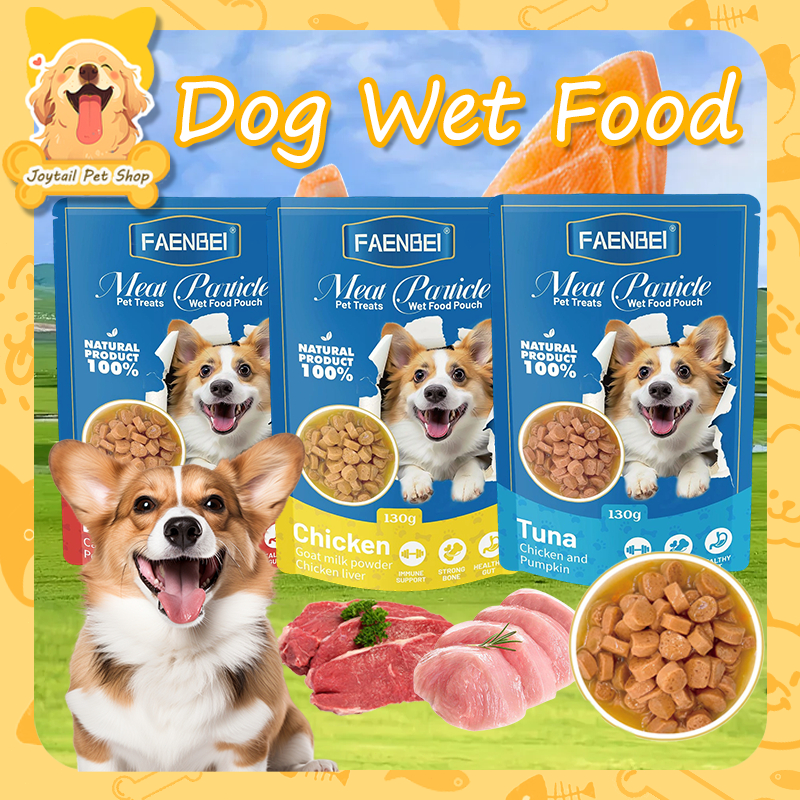


For more expert pet care tips and advice, check out our dedicated Dog Nutrition guides to keep your companions healthy and happy.




