Decoding the sudden mystery of why a young dog keeps chewing at its own fur and skin.
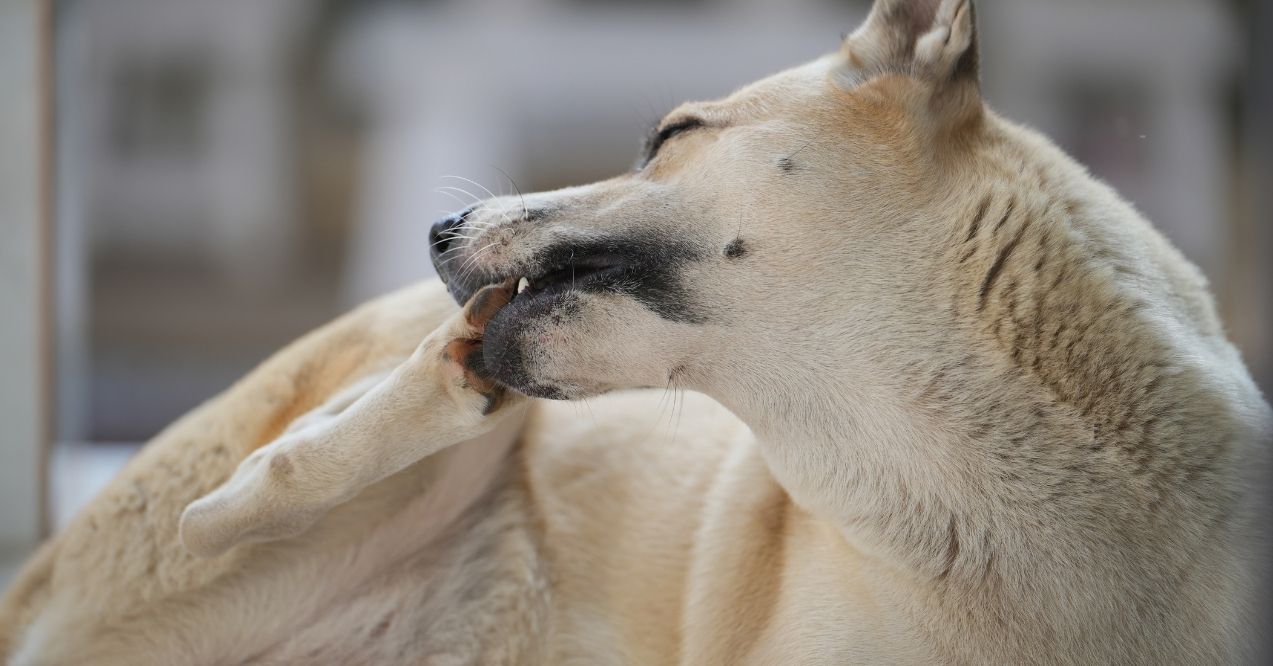
According to the American Kennel Club, excessive self-chewing and scratching are among the most common reasons pet owners seek guidance from veterinary professionals. Watching a canine companion twist around to snap at its flanks, paws, or tail can be distressing for any household. This curious and often frantic behavior rarely happens without reason. Whether the young animal is dealing with a microscopic pest or navigating a wave of boredom, understanding the underlying trigger is the first step toward bringing comfort back to the living room. Over years of clinical practice, observing a puppy suddenly freeze mid-play to violently scratch an ear or gnaw at a rear paw is a familiar sight that always signals a deeper message from the animal’s body or mind.
💡 Pet Care Key Takeaways:
- Core Focus: Practical health, nutrition, and wellness guidelines for Why Is My Puppy Biting Itself.
- Target Scope: Pet owners, animal caregivers, and veterinary support staff.
- Best Recommendation: Maintain consistent daily routines and consult an accredited veterinarian before introducing major diet or medical changes.
Pruritus, parasites, and psychological tension are the primary drivers behind why is my puppy biting itself.
Pruritus, the medical term for severe skin itching, is the most frequent catalyst for self-directed biting and chewing. When the skin becomes inflamed, dry, or hypersensitive, the natural canine response is to seek relief through whatever means are available. Beyond physical irritation, juvenile dogs frequently turn to self-soothing behaviors when experiencing stress, over-excitement, or profound under-stimulation. In many clinical cases, what appears to be an aggressive attack on the tail or legs is actually a displacement behavior—a way for the animal to vent nervous energy. Furthermore, environmental allergens, such as grass pollens or household cleaning residues, can trigger contact dermatitis, resulting in sudden flare-ups of relentless biting at the paws and belly.
Unchecked biting and chewing can quickly escalate from minor irritation to severe secondary skin infections and behavioral distress.
Leaving skin trauma unaddressed allows minor flare-ups to rapidly develop into painful hot spots, which are localized areas of acute moist dermatitis that spread through constant licking and chewing. As the protective barrier of the skin breaks down, opportunistic bacteria enter the tissue, compounding the discomfort and requiring veterinary medical intervention. In addition to physical damage, chronic discomfort heavily impacts a juvenile dog’s psychological well-being, leading to restless sleep, irritability, and a diminished capacity for learning during crucial socialization windows. Establishing proper skin and coat maintenance through regular Dog Care routines helps mitigate these risks significantly.
Acute moist dermatitis, commonly known as hot spots, can develop in a matter of hours when a dog repeatedly chews and traumatizes a localized patch of skin. — American Veterinary Medical Association
Implementing targeted relief strategies involves identifying root triggers and modifying both the environment and daily routines.
Addressing self-directed chewing requires a systematic approach that rules out medical causes before exploring behavioral adjustments. Initiating a thorough physical examination with a veterinarian helps determine whether fleas, ticks, food sensitivities, or environmental allergies are to blame for the persistent nipping. If diagnostics reveal no underlying pathology, shifting focus toward mental enrichment and structured physical exercise often resolves the habit. Providing interactive puzzle toys, scheduled obedience sessions, and safe chew items redirects the juvenile canine’s natural urge to mouth objects away from its own body.
Avoiding common pitfalls requires patience, consistency, and a firm commitment to positive reinforcement rather than punishment.
A frequent misstep among owners is shouting or scolding the animal when a chewing episode occurs, which often increases the underlying anxiety and worsens the behavior. Instead of reacting with frustration, caretakers should calmly interrupt the sequence and redirect the puppy toward an appropriate chew toy or engage it in a calming activity. Neglecting proper parasite prevention schedules or failing to maintain consistent grooming routines are additional traps that leave vulnerable skin exposed to persistent irritation. Consulting reliable resources on Dog Behavior can provide valuable insights into managing stress-related habits effectively.
Punishing a dog for anxious or stress-induced behaviors can elevate cortisol levels and intensify the underlying fear response, making the behavior more frequent. — American Society for the Prevention of Cruelty to Animals
Certain canine lineages, such as Terriers and Retrievers, possess a genetic predisposition toward sensitive skin barriers and atopic dermatitis, making them far more prone to intense scratching and biting. Puppies go through distinct developmental milestones where teething pain or adolescent growth spurts can manifest as obsessive licking of the front limbs or paws. Understanding the specific traits associated with various Dog Breeds allows caretakers to anticipate potential health challenges and provide proactive support long before chronic biting habits take root in daily life.
Professional veterinary guidance becomes essential when self-chewing leads to broken skin, hair loss, or unrelenting distress.
Determining when home management is no longer sufficient is vital for preventing long-term suffering and safeguarding overall canine wellness. If the biting behavior persists despite environmental changes, or if bald patches, open sores, and foul odors develop on the skin, scheduling a comprehensive evaluation through Dog Health professionals is imperative. Veterinarians can perform skin scrapings, allergy panels, or dietary elimination trials to pinpoint the exact source of irritation and prescribe targeted treatments that bring safe, lasting relief.
Creating a comfortable, balanced, and itch-free environment ensures a happy transition into adulthood for growing canines.
Caring for a young animal requires attentiveness, empathy, and a willingness to investigate the subtle signals they send through their actions. By addressing physical irritants promptly and supporting mental well-being through structured enrichment, households can foster an environment where puppies thrive without discomfort. Exploring expert guidance across Dog Nutrition and Dog Training further equips owners to build a strong foundation for lifelong health. Visit PetsAnimalsWorld.com today for more trusted resources and practical advice dedicated to the well-being of all cherished companions.
Pet Care & Wellness Overview Table
| Life Stage | Daily Activity Level | Key Nutrition / Care Focus |
|---|---|---|
| Puppy / Kitten | High (frequent short bursts) | High-protein growth diet & early socialization |
| Adult Companion | Moderate (30–60 mins daily) | Balanced maintenance nutrition & dental hygiene |
| Senior Pets | Low to Gentle (mindful walks) | Joint support (Glucosamine) & routine vet checks |
Images References