

Introduction
Understanding and managing canine allergies and supporting a dog’s immune system are paramount aspects of responsible pet ownership. Many dogs experience various sensitivities that can significantly impact their comfort and overall well-being. For pet enthusiasts seeking proactive solutions, products like Zesty Paws Allergy Immune Bites have emerged as a popular choice. These supplements are specifically formulated to address common allergic reactions and bolster the dogs natural defenses. The increasing prevalence of environmental and food sensitivities in canine populations makes an informed approach to immune health more crucial than ever. By comprehending the mechanisms behind canine allergies and the role of targeted nutritional support, owners can better equip their companions for a healthier, happier life, ultimately improving their dogs quality of life and comfort.
💡 Pet Care Key Takeaways:
- Core Focus: Practical health, nutrition, and wellness guidelines for Zesty Paws Allergy Immune Bites.
- Target Scope: Pet owners, animal caregivers, and veterinary support staff.
- Best Recommendation: Maintain consistent daily routines and consult an accredited veterinarian before introducing major diet or medical changes.
Common Causes and Key Factors
Canine allergies stem from an overreactive immune system responding to otherwise harmless substances, known as allergens. These can broadly be categorized into several key factors. Environmental allergens are a frequent culprit, including pollen from trees, grasses, and weeds, as well as dust mites, mold spores, and dander from other animals. Dogs can inhale or absorb these through their skin, triggering reactions. For more related activities, check out our Can Apoquel Cause Aggression In Dogs.
Food allergies or sensitivities represent another significant cause. These typically involve a dog’s immune system reacting adversely to specific protein sources, such as beef, chicken, dairy, or soy, commonly found in commercial dog foods. Unlike a food intolerance, which might manifest as digestive upset, a true food allergy involves an immune response with a broader range of symptoms.
Flea allergy dermatitis is a common allergic reaction to flea saliva. Even a single flea bite can initiate an intense, widespread itch in a sensitive dog. Genetic predisposition also plays a substantial role, with certain breeds showing higher susceptibility to allergies, suggesting an inherited component to immune system reactivity. Furthermore, a compromised gut microbiome can contribute to immune dysregulation, making a dog more prone to allergic responses.
Signs and Symptoms to Observe
Recognizing the signs and symptoms of allergies and a weakened immune system in dogs is the first step toward effective management. The most common indicators revolve around dermatological issues. Persistent itching, scratching, licking, and chewingespecially of the paws, flanks, and base of the tailare prominent signs. This can lead to red, inflamed skin, rashes, scabs, hair loss, and the development of ‘hot spots’ (acute moist dermatitis), which are painful, infected lesions.
Ear infections are also frequently linked to allergies, presenting as redness, odor, discharge, or excessive ear scratching. Ocular symptoms may include watery, red eyes or conjunctivitis. Respiratory signs like sneezing, coughing, or a runny nose, though less common than skin issues, can also signify environmental allergies.
Gastrointestinal symptoms such as vomiting, diarrhea, excessive gas, or chronic loose stools often point towards food sensitivities. In some cases, allergies can lead to behavioral changes, with dogs becoming lethargic, irritable, or restless due to chronic discomfort. The severity and manifestation of these signs can vary significantly based on the dog’s age, breed, and the specific allergen involved, with puppies potentially exhibiting milder symptoms that intensify with age, and certain breeds showing specific predispositions to skin or gut issues.
Practical Solutions and Management Strategies
Managing canine allergies and bolstering immune health involves a multi-faceted approach, ranging from environmental adjustments to targeted nutritional support. For environmental allergies, regular bathing with hypoallergenic shampoos can help remove allergens from the dog’s coat. Frequent cleaning of bedding, vacuuming, and using air purifiers can reduce household allergen loads. Wiping paws and faces after outdoor excursions can also minimize allergen transfer indoors.
Dietary management is crucial for food-related issues. This might involve transitioning to a limited ingredient diet (LID), a novel protein diet (featuring proteins the dog has not previously encountered, like duck or venison), or a hydrolyzed protein diet where proteins are broken down into sizes too small to trigger an immune response. Careful food trials under veterinary guidance are often necessary to pinpoint specific food allergens.
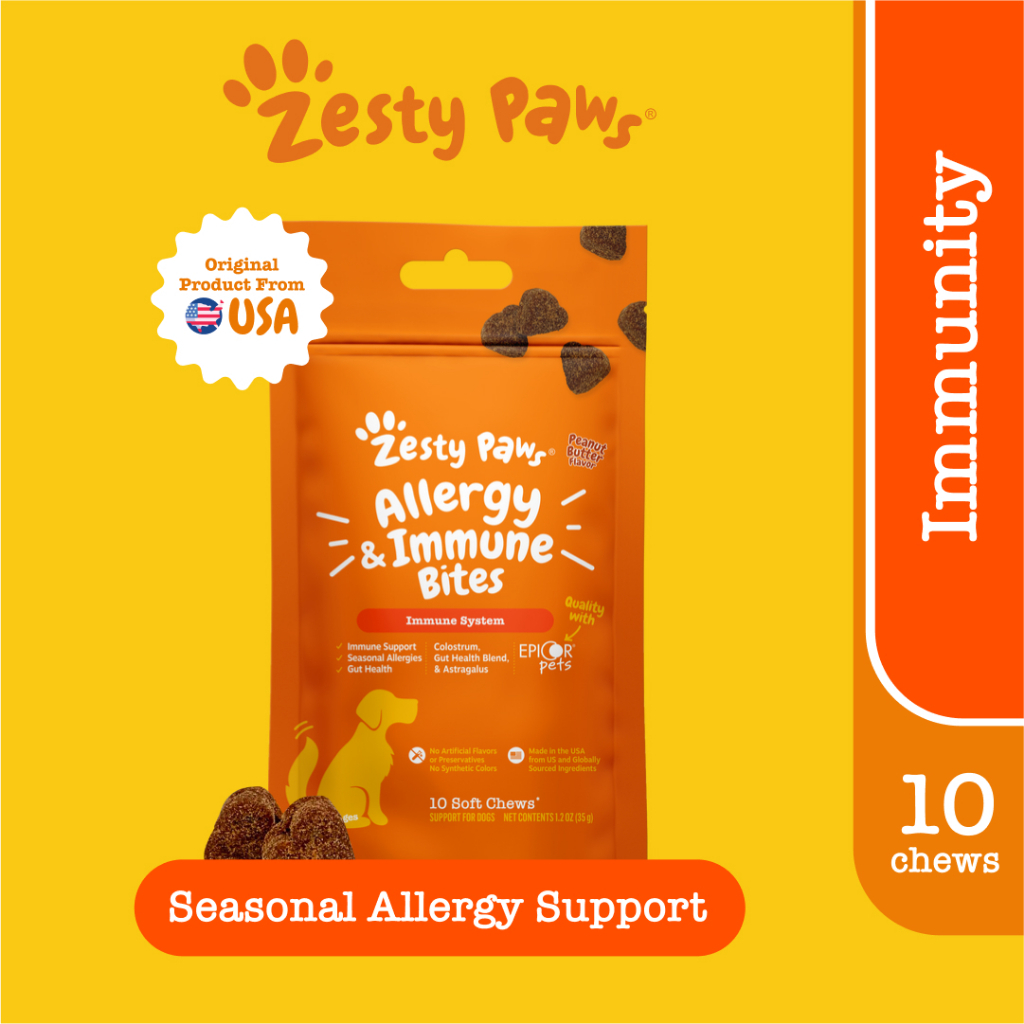
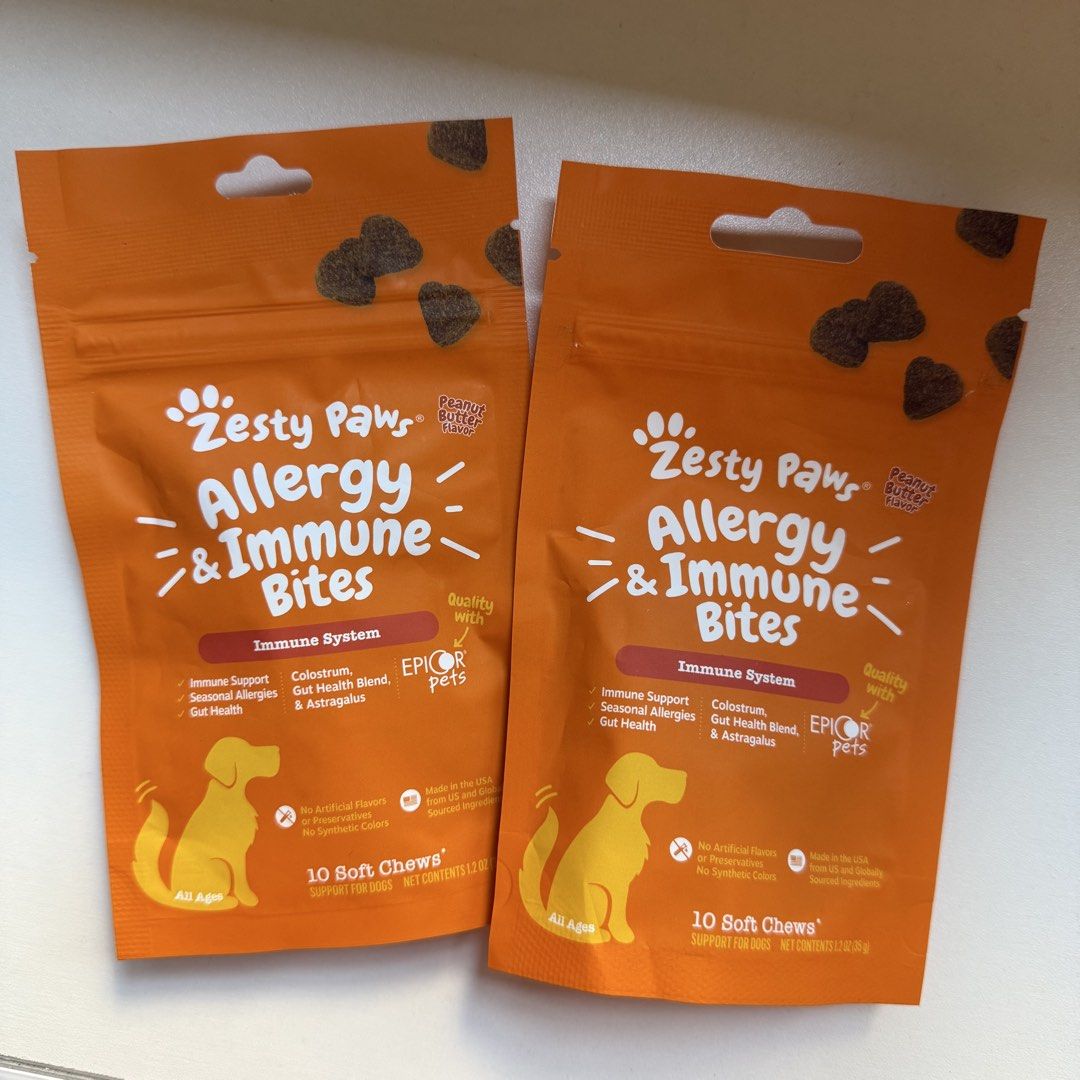
Supplements, such as Zesty Paws Allergy Immune Bites, offer targeted nutritional support. These products typically contain a blend of ingredients designed to support immune function and reduce allergic responses. Common components include probiotics and prebiotics to promote a healthy gut microbiome, which is intrinsically linked to immune health. Omega-3 fatty acids (EPA and DHA) from sources like fish oil are often included for their anti-inflammatory properties, benefiting skin and coat health. Antioxidants, such as Vitamin C and E, help protect cells from damage, while specific botanicals like colostrum, turmeric, or apple cider vinegar may offer additional immune-modulating or soothing effects. Consistent daily administration of such supplements, as directed, is key to observing potential benefits.
When Professional Help May Be Needed
While many allergy-related issues can be managed with diligent home care and targeted supplements like Zesty Paws Allergy Immune Bites, there are critical instances when professional veterinary intervention becomes essential. If a dog’s symptoms are severe, persistent, or worsening despite consistent at-home management, a veterinary consultation is highly recommended. This includes widespread skin inflammation, open sores, significant hair loss, or signs of secondary infections (indicated by pus, strong odor, or extreme pain).
Chronic ear infections or recurring gastrointestinal distress that impacts a dog’s appetite, weight, or energy levels also warrant professional evaluation. A veterinarian can perform diagnostic tests, such as allergy testing (blood tests or intradermal skin tests), to identify specific allergens, or dietary elimination trials to pinpoint food sensitivities. They can also rule out other underlying medical conditions that might mimic allergy symptoms. In cases of severe itching or inflammation, prescription medications like antihistamines, corticosteroids, or immune-modulating drugs may be necessary to provide relief and prevent further complications. A veterinarian can develop a comprehensive management plan tailored to the individual dog’s needs, often combining dietary changes, environmental modifications, medical treatments, and appropriate supplementation.
Conclusion
Navigating the complexities of canine allergies and immune health requires diligent observation, a proactive approach, and a commitment to consistent care. Understanding the common causes, recognizing the diverse signs and symptoms, and implementing appropriate management strategies are fundamental to enhancing a dog’s well-being. While environmental adjustments and specific dietary protocols form the foundation, targeted nutritional support through supplements like Zesty Paws Allergy Immune Bites can play a valuable role in a holistic health regimen, helping to soothe sensitivities and bolster the immune system. The journey to a comfortable and healthy life for a dog often involves a combination of these efforts. Always remember that open communication with a veterinarian ensures that any health concern receives the most informed and effective care, ultimately empowering owners to provide the best possible life for their beloved canine companions.
Pet Care & Wellness Overview Table
| Life Stage | Daily Activity Level | Key Nutrition / Care Focus |
|---|---|---|
| Puppy / Kitten | High (frequent short bursts) | High-protein growth diet & early socialization |
| Adult Companion | Moderate (30–60 mins daily) | Balanced maintenance nutrition & dental hygiene |
| Senior Pets | Low to Gentle (mindful walks) | Joint support (Glucosamine) & routine vet checks |
Images References




For more expert pet care tips and advice, check out our dedicated Dog Health guides to keep your companions healthy and happy.


