

According to the American Society for the Prevention of Cruelty to Animals, adolescence in dogs frequently begins around six months of age and can persist until maturity, making the late puppy stage a distinct period of transition. During this phase, households often experience a sudden shift in daily routines as previously reliable routines seem to dissolve. Working inside professional behavioral settings reveals that caregivers frequently feel blindsided when a seemingly well-mannered puppy suddenly develops selective hearing or bursts of unruly energy. Understanding this specific developmental window helps transform frustration into productive guidance, ensuring a smooth journey toward adulthood.
💡 Pet Care Key Takeaways:
- Core Focus: Practical health, nutrition, and wellness guidelines for 11 Month Old Dog Behavior.
- Target Scope: Pet owners, animal caregivers, and veterinary support staff.
- Best Recommendation: Maintain consistent daily routines and consult an accredited veterinarian before introducing major diet or medical changes.
Adolescent dog behavior encompasses a temporary phase of physical independence coupled with hormonal testing of boundaries.
An eleven-month-old canine stands on the precipice of adulthood, exhibiting adult body proportions alongside the emotional maturity of a teenager. This developmental milestone triggers significant neurological shifts, influencing how the animal processes environmental stimuli and social cues. In hands-on training consultations, a common observation involves adolescent dogs suddenly hesitating around familiar objects or reacting more intensely to everyday noises. This phenomenon occurs because the brain undergoes a second fear imprint stage, requiring gentle reassurance rather than punishment. For more related activities, check out our Dog Care Edge Ultrasonic Dog Trainer.
Failing to address adolescent behavioral shifts properly can lead to entrenched habits that prove difficult to modify later in life. Consistent reinforcement of good manners prevents the solidification of unwanted behaviors such as leash pulling, jumping, and counter surfing. Furthermore, positive socialization during this stage ensures that the animal remains confident around strangers, other animals, and novel environments. Establishing clear, predictable expectations protects the human-animal bond and fosters a secure environment for the growing pet.
Adolescent dogs experience significant hormonal and neurological shifts that temporarily alter impulse control — American Kennel Club
Managing this transitional phase requires structured positive reinforcement and consistent daily enrichment.
Structured outlets for mental and physical energy help channel an adolescent dog’s boundless drive into acceptable activities. Professional force-free trainers recommend utilizing interactive puzzle feeders, scent work games, and obedience refreshers to keep the brain engaged. Whenever unwanted habits emerge, redirecting the animal toward an appropriate alternative yields much better results than scolding. Establishing a predictable daily routine minimizes anxiety and reduces the frequency of attention-seeking misbehavior.
Avoiding common pitfalls ensures that boundary testing does not escalate into chronic behavioral challenges.
One frequent misstep involves abandoning established rules because the dog appears large enough to handle freedom, which only reinforces confusion. Additionally, relying on harsh corrections can damage trust and exacerbate fear-based reactivity during this sensitive developmental window. Maintaining clear, calm communication keeps the learning environment productive. Consistency remains the cornerstone of successful adolescent management, bridging the gap between puppyhood and mature adulthood.
Force-free training methods and positive reinforcement are the most effective approaches for shaping adolescent canine behavior — American Veterinary Medical Association
Pet Care & Wellness Overview Table
| Life Stage | Daily Activity Level | Key Nutrition / Care Focus |
|---|---|---|
| Puppy / Kitten | High (frequent short bursts) | High-protein growth diet & early socialization |
| Adult Companion | Moderate (30–60 mins daily) | Balanced maintenance nutrition & dental hygiene |
| Senior Pets | Low to Gentle (mindful walks) | Joint support (Glucosamine) & routine vet checks |
Images References


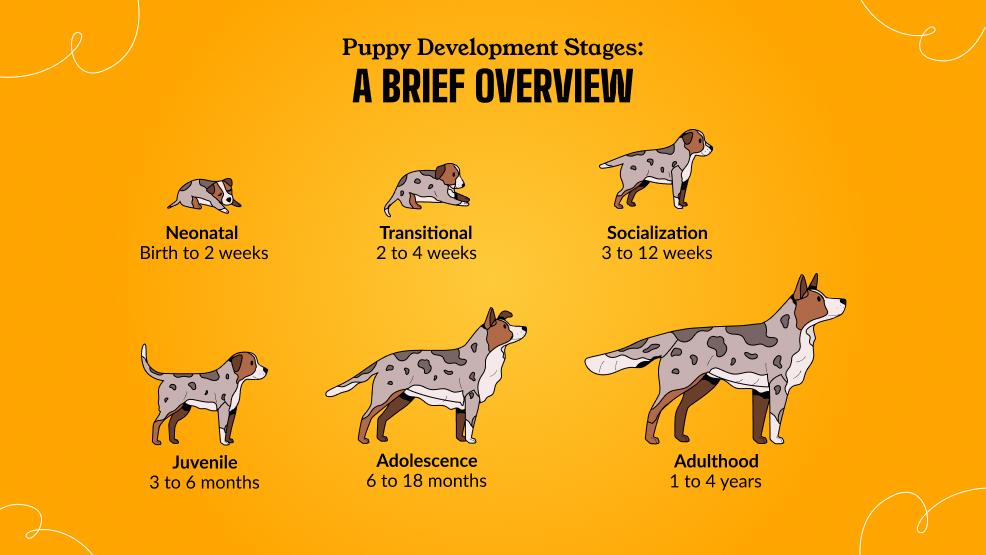


Breed-specific traits and individual temperaments heavily influence how adolescent traits manifest in daily life.
Larger dog breeds often take up to two years to reach full emotional maturity, meaning their adolescent phase can feel extended compared to smaller counterparts. Working and herding groups may display heightened tendencies to herd family members or guard resources due to their innate genetic programming. Tailoring management strategies to fit the specific breed heritage ensures that natural drives are satisfied appropriately. Recognizing these biological factors allows caregivers to meet their pets’ unique needs with empathy and precision.
Consulting a professional becomes essential when behavioral changes involve severe fear, anxiety, or aggression.
While normal boundary testing is expected, sudden escalations in reactivity or profound withdrawal warrant a professional evaluation. Certified veterinary behaviorists or qualified positive reinforcement trainers should be consulted for severe behavioral issues to rule out underlying medical discomfort. Never employ punitive or dominance-based techniques, as these methods can heighten stress and worsen defensive responses. Comprehensive veterinary health checks are always recommended to ensure that pain or illness is not driving the sudden behavioral shift.
Guiding a maturing dog through adolescence lays the groundwork for a lifelong, harmonious relationship.
Embracing this dynamic stage with patience allows both owner and pet to build a deeper mutual understanding. Continued education on Dog Behavior helps demystify the challenges of growing up. Exploring resources on Dog Training and general Dog Care ensures that every household need is met with confidence. Discover more expert guidance and practical tips by visiting PetsAnimalsWorld.com today.




