
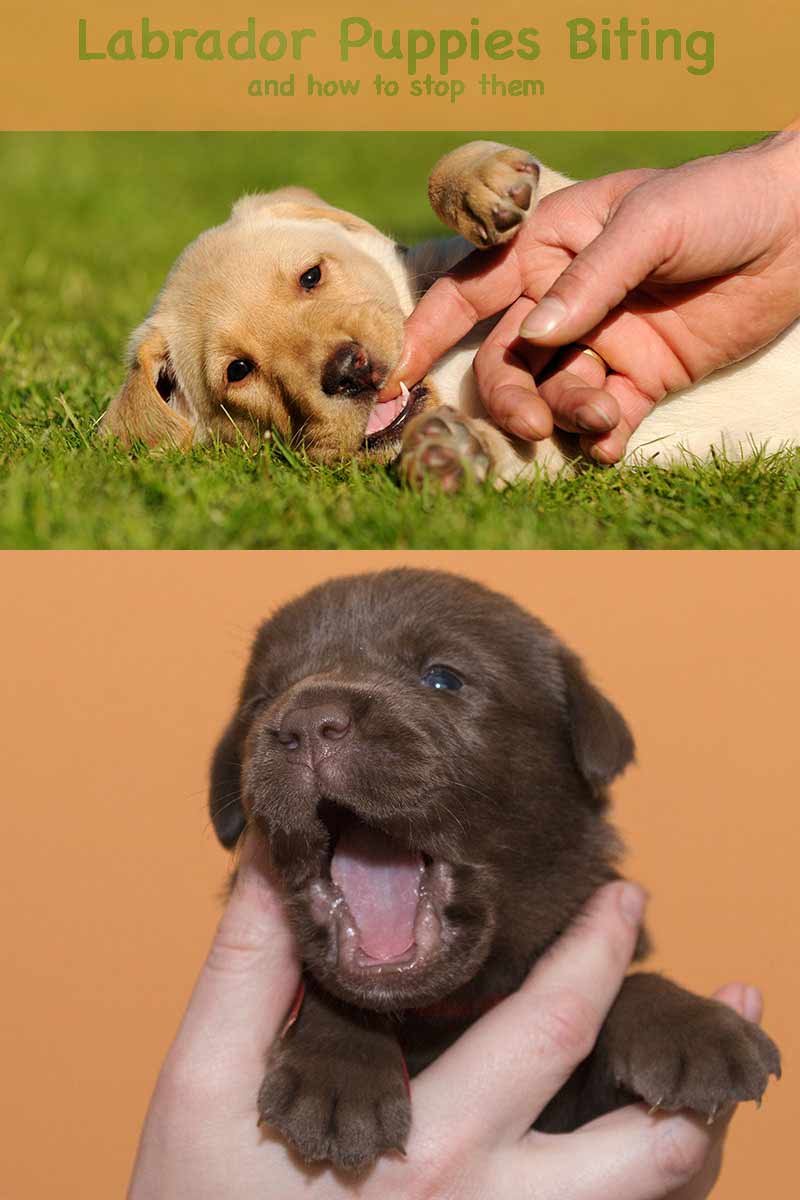
Understanding the challenging behavior of a 14 week old puppy bites alot phase
According to the American Society for the Prevention of Cruelty to Animals (ASPCA), normal exploratory puppy behavior heavily involves the use of the mouth, which frequently catches unprepared households off guard. Navigating daily routines with a young canine can quickly become overwhelming when needle-sharp teeth constantly latch onto fingers, clothing, and ankles. This stage of development tests the patience of even the most dedicated household members. Fortunately, recognizing the underlying causes transforms frustration into effective guidance, helping young canines learn appropriate boundaries during their formative months.
💡 Pet Care Key Takeaways:
- Core Focus: Practical health, nutrition, and wellness guidelines for 14 Week Old Puppy Bites Alot.
- Target Scope: Pet owners, animal caregivers, and veterinary support staff.
- Best Recommendation: Maintain consistent daily routines and consult an accredited veterinarian before introducing major diet or medical changes.
What a 14 week old puppy bites alot actually signifies for development
A 14 week old puppy bites alot primarily because teething pain and tactile exploration drive their daily interactions with the environment. At this specific age, deciduous teeth—commonly known as milk teeth—begin loosening as permanent adult teeth push upward through the gums. This physiological process creates significant oral discomfort, prompting the young animal to seek out objects, fabrics, and human skin to relieve the pressure. Furthermore, puppies lack hands, meaning their mouths serve as the primary tool for investigating textures, temperatures, and new spaces. For more related activities, check out our Dog Velcro Behavior.
The behavioral and daily living impact of excessive puppy mouthing
Excessive mouthing can disrupt household harmony, strain human-animal bonds, and potentially teach young animals that rough play with people is acceptable. Without proactive intervention, playful nipping can inadvertently escalate into a deeply ingrained habit that persists well beyond puppyhood. Certified behaviorists emphasize that managing these daily interactions requires consistency from everyone in the living space. When household members respond with mixed signals—such as laughing at a bite one day and scolding the next—the animal becomes confused, leading to repeated misbehavior.
Puppies explore their environment primarily through tactile oral investigation, using their mouths to test textures and soothe the intense discomfort of incoming adult teeth. — American Kennel Club
How to address and manage a 14 week old puppy bites alot behavior
Addressing excessive biting successfully involves redirecting the young canine toward appropriate chew items while immediately removing attention when teeth touch human skin. Establishing structured play sessions accompanied by clear rules helps the animal learn self-control. Whenever sharp teeth make contact with a hand, standing completely still, folding the arms, and avoiding eye contact removes the reward of engagement. This technique mimics how canine littermates communicate boundaries, signaling that rough interaction causes the fun to stop instantly.
Essential strategies and common pitfalls to avoid during teething management
Providing frozen rubber toys or damp washcloths stored in the refrigerator offers immense relief for sore gums without encouraging destructive habits. It remains critical to avoid physical punishments, yelling, or swatting at the animal, as these reactions can trigger fear-based defensiveness or escalate the intensity of the nipping. Instead, maintain a calm, predictable demeanor during every training interaction. Consistency ensures the growing dog understands expectations quickly, fostering a trusting relationship built on positive reinforcement rather than intimidation.
Consistent positive reinforcement and immediate removal of attention effectively teach young canines that gentle interactions yield rewards while rough nipping ends playtime. — American Society for the Prevention of Cruelty to Animals
Pet Care & Wellness Overview Table
| Life Stage | Daily Activity Level | Key Nutrition / Care Focus |
|---|---|---|
| Puppy / Kitten | High (frequent short bursts) | High-protein growth diet & early socialization |
| Adult Companion | Moderate (30–60 mins daily) | Balanced maintenance nutrition & dental hygiene |
| Senior Pets | Low to Gentle (mindful walks) | Joint support (Glucosamine) & routine vet checks |
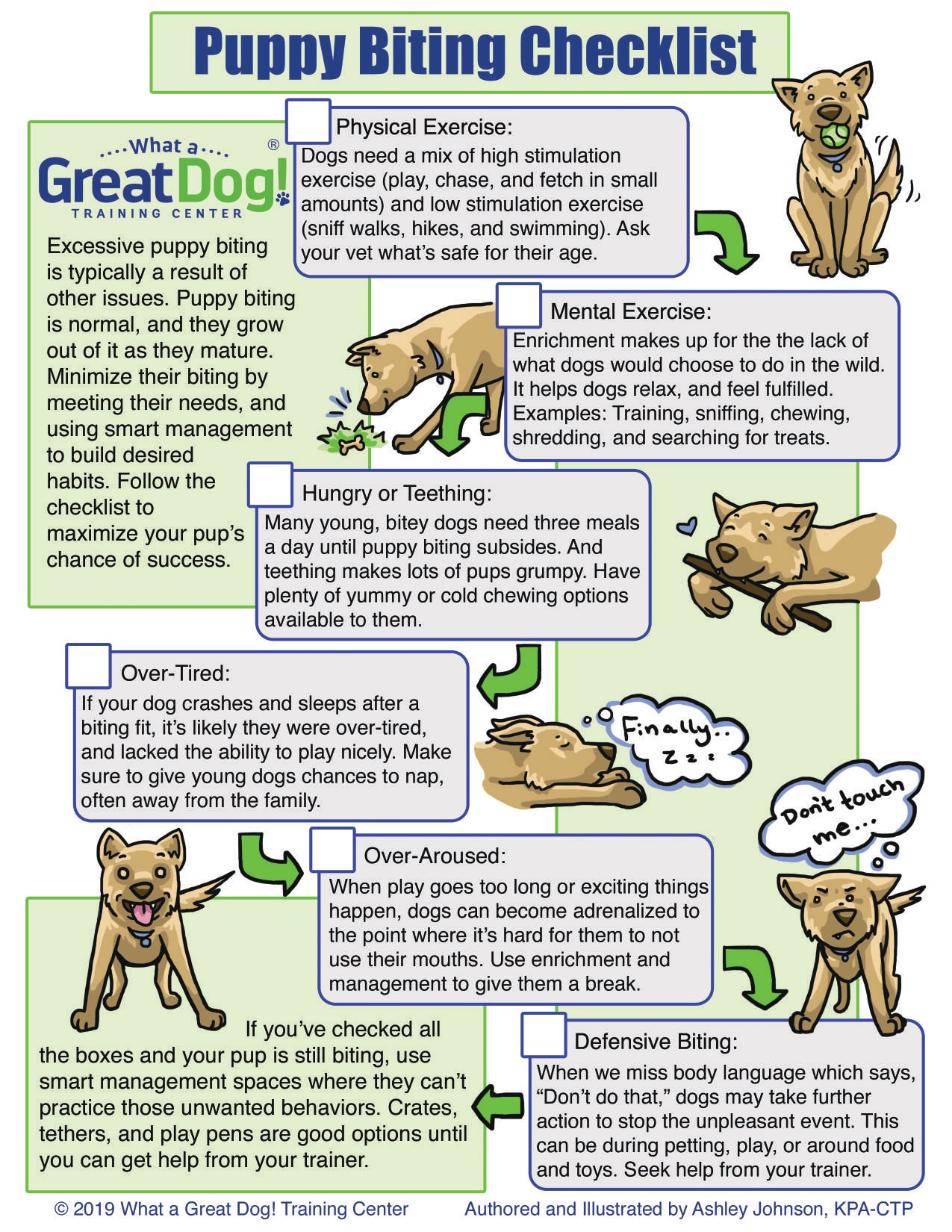
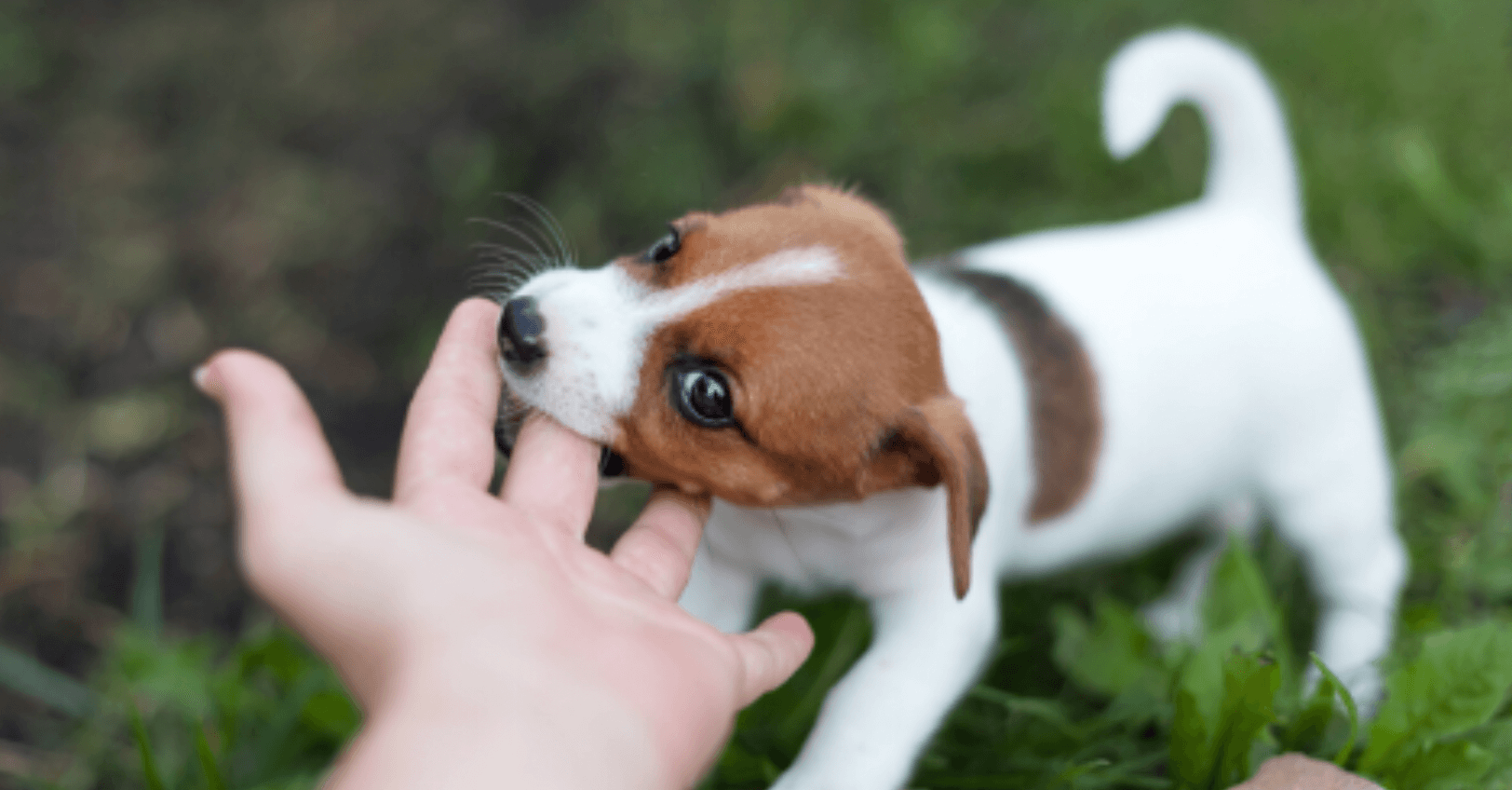
Images References




Breed, size, and individual temperament considerations in puppy mouthing
Different breeds and individual temperaments exhibit varying intensities of mouthing behavior based on their genetic heritage and energy levels. Working and herding groups, originally bred to control livestock, often display a stronger instinct to nip at moving feet and ankles. Recognizing these natural predispositions allows households to tailor their management strategies accordingly. Providing adequate mental enrichment alongside physical exercise helps burn off excess energy that might otherwise manifest as frantic, over-stimulated biting.
When to consult a veterinary professional or certified behaviorist for biting issues
Consulting a qualified professional becomes necessary if the nipping involves hard, unprovoked strikes accompanied by stiff body posture, growling, or signs of genuine aggression rather than normal play. While typical teething behavior gradually subsides with maturity and consistent training, sudden changes in temperament warrant a thorough veterinary examination to rule out underlying pain or medical conditions. Working alongside a certified trainer ensures that complex behavioral challenges are addressed safely and humanely.
Closing thoughts on nurturing a well-adjusted canine companion
Navigating the challenges of a young canine requires patience, consistency, and a clear understanding of normal developmental milestones. By addressing oral discomfort constructively and setting firm, gentle boundaries, households can guide their pets toward becoming calm, well-mannered adult dogs. Explore more expert advice on Dog Behavior, proper Dog Care, and positive Dog Training strategies to support every stage of development. Visit PetsAnimalsWorld.com for comprehensive guides tailored to every pet owner.




