

Understanding 11 month old golden retriever behavior issues requires recognizing that this life stage represents the peak of canine adolescence. According to the American Kennel Club, large breed dogs often experience a prolonged developmental period where puppy-like enthusiasm blends with adult strength and surging hormones. Household routines can suddenly feel disrupted as previously established house manners temporarily deteriorate. Dog owners frequently report a surprising resurgence of landshark tendencies, erratic listening skills, and boundless energy that defies standard daily exercise routines. Recognizing this phase as a normal biological milestone helps maintain patience while managing adolescent challenges.
💡 Pet Care Key Takeaways:
- Core Focus: Practical health, nutrition, and wellness guidelines for 11 Month Old Golden Retriever Behavior Issues.
- Target Scope: Pet owners, animal caregivers, and veterinary support staff.
- Best Recommendation: Maintain consistent daily routines and consult an accredited veterinarian before introducing major diet or medical changes.
Defining Adolescent Behavioral Surges in Late Puppyhood
11 month old golden retriever behavior issues encompass a specific collection of disruptive actions driven by neurological maturation and adolescent hormonal shifts. During this window, canine brains undergo significant structural remodeling, affecting impulse control, frustration tolerance, and decision-making pathways. Common manifestations include sudden leash reactivity, ignoring recall cues, counter surfing, excessive jumping, and intense oral fixation. These actions do not stem from malice or stubbornness; rather, they reflect an adolescent nervous system struggling to regulate excitement and process environmental stimuli effectively. For more related activities, check out our How Long Does It Take To Change A Dog’S Behavior.
The Impact of Adolescent Challenges on Daily Life and Training
Managing the physical and mental demands of a nearly one-year-old large sporting breed directly influences household harmony and long-term canine socialization success. Without structured outlets, unmanaged adolescent energy can escalate into destructive chewing, chronic pacing, or accidental injury during exuberant greeting rituals. Furthermore, inconsistent responses to boundaries during this crucial window can inadvertently reinforce undesirable patterns, making them more resilient into adulthood. Implementing consistent, humane management strategies protects domestic tranquility while fostering emotional stability in the maturing dog.
Adolescent dogs frequently test established boundaries due to significant neurological development and hormonal changes occurring between six and eighteen months of age. — American Kennel Club
Practical Management and Positive Reinforcement Strategies
Addressing these behavioral hurdles relies on positive reinforcement, environmental management, and clear communication rather than punitive corrections. Rewarding calm behavior proactively helps reinforce alternative responses to high-arousal triggers like doorbell ringing or visitor arrivals. Structured mental enrichment, such as puzzle toys, scent games, and short obedience sessions, redirects pent-up cognitive energy into productive channels. Establishing predictable daily routines reduces anxiety and provides the structural boundaries that adolescent canines naturally require to self-regulate.
Essential Best Practices and Common Pitfalls to Avoid
Consistency across all household members remains the cornerstone of successful adolescent dog guidance. Allowing access to forbidden items or furniture intermittently creates confusion and slows down the learning process significantly. Another common mistake involves relying entirely on physical exercise to tire out a maturing retriever, which can inadvertently build physical stamina without teaching the dog how to settle indoors. Incorporating designated rest periods, enforced naps in a comfortable crate or pen, and teaching relaxation protocols helps prevent overtiredness, which frequently triggers frantic behavior.
Positive reinforcement training methods are proven to be more effective and humane than punishment-based techniques for resolving adolescent canine behavior concerns. — American Veterinary Medical Association
Pet Care & Wellness Overview Table
| Life Stage | Daily Activity Level | Key Nutrition / Care Focus |
|---|---|---|
| Puppy / Kitten | High (frequent short bursts) | High-protein growth diet & early socialization |
| Adult Companion | Moderate (30–60 mins daily) | Balanced maintenance nutrition & dental hygiene |
| Senior Pets | Low to Gentle (mindful walks) | Joint support (Glucosamine) & routine vet checks |
Images References



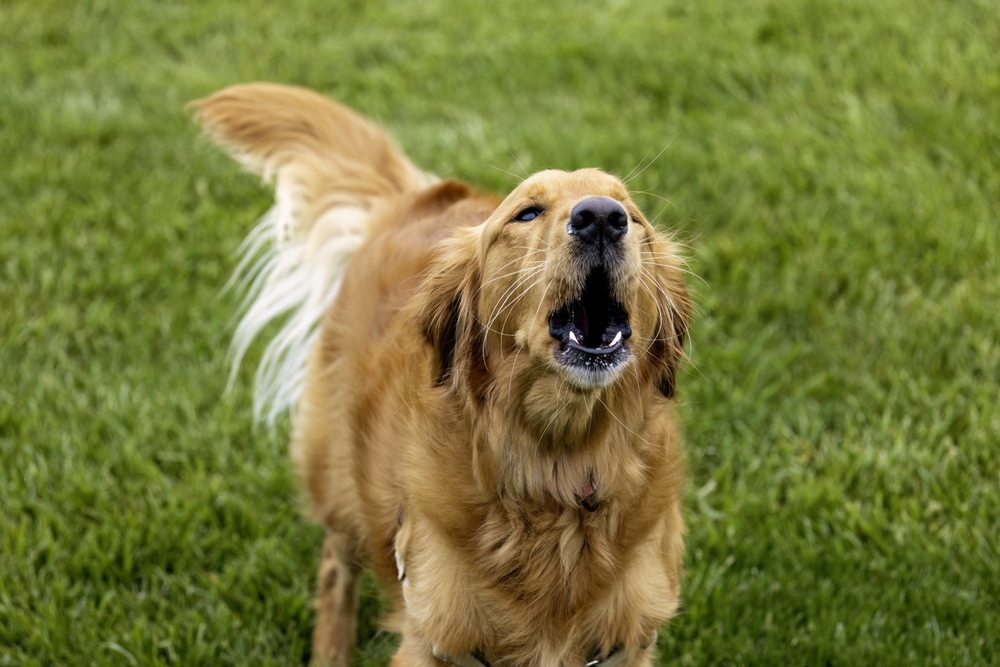
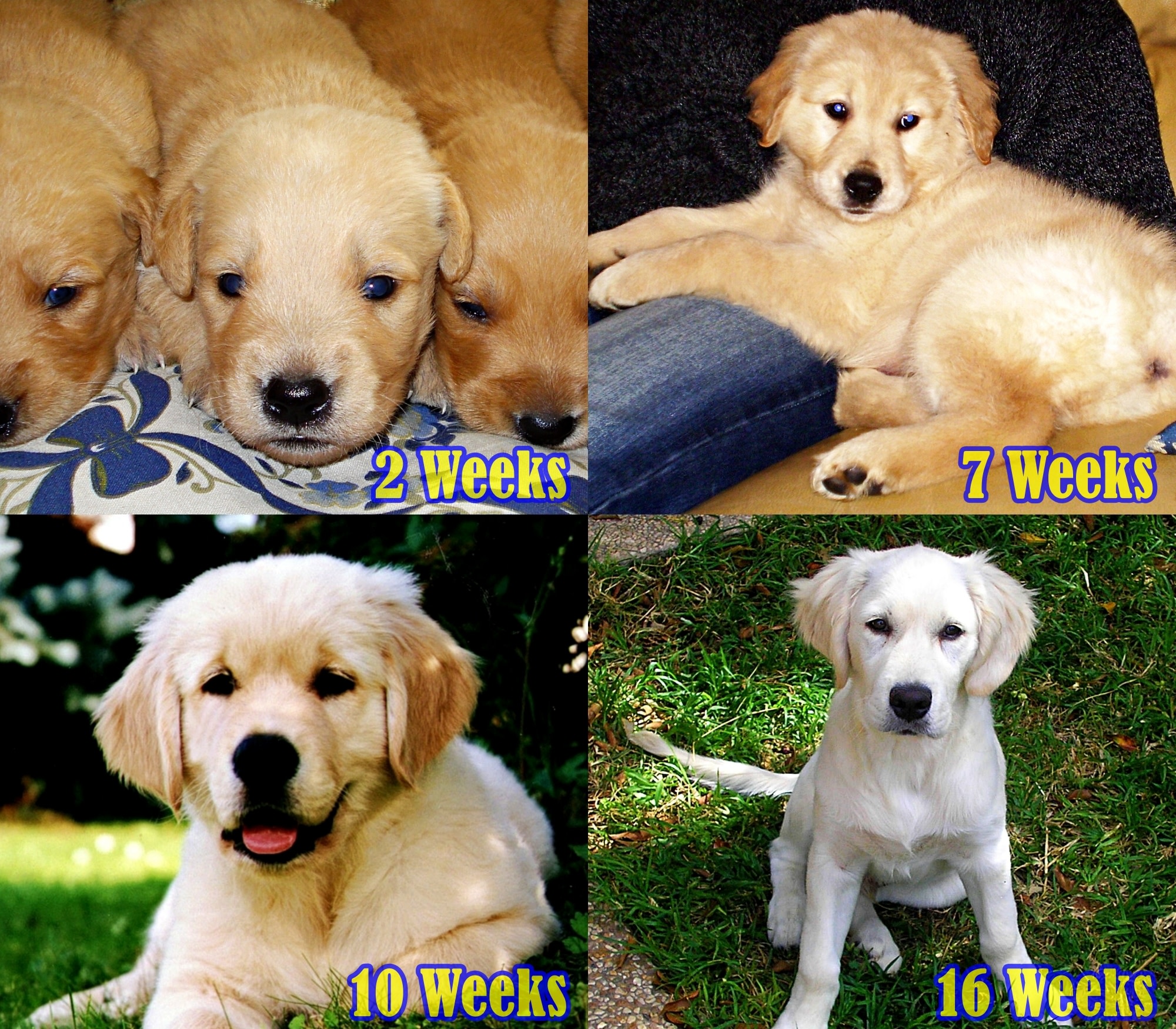


Breed-Specific Temperament and Physical Considerations
Golden retrievers possess a heritage bred for retrieving game in diverse terrain, combining high endurance, soft mouths, and an eager-to-please disposition that sometimes manifests as overwhelming enthusiasm. At eleven months, a retriever typically approaches near-adult height but retains a gangly physique with growth plates that are still closing. This physical reality requires careful oversight regarding high-impact activities, jumping from elevated surfaces, and forced running, protecting developing joints from undue stress while satisfying the breed’s natural desire for active engagement and water or fetch play.
When to Seek Guidance from Veterinary Professionals or Behaviorists
Consulting a qualified veterinarian or a certified professional dog trainer becomes essential if behavioral challenges involve sudden aggression, intense fear responses, self-injurious habits, or distress that does not respond to management changes. Pain or underlying medical conditions can manifest as sudden behavioral shifts, making a thorough physical examination by a veterinarian a vital first step. For complex behavioral concerns rooted in anxiety or reactivity, working alongside a veterinary behaviorist ensures the implementation of safe, evidence-based modification plans tailored to the individual animal.
Supporting Your Adolescent Dog Through Lifelong Wellness
Navigating the complexities of late puppyhood requires patience, consistency, and a deep appreciation for the unique characteristics of the breed. By offering appropriate outlets for mental and physical energy, maintaining clear boundaries, and utilizing humane training practices, households can guide their companions smoothly into adulthood. Exploring additional resources on Dog Training, understanding proper nutrition found in Dog Nutrition, and monitoring general wellness through Dog Health guides ensures comprehensive care. For further insights into canine companionship, visit PetsAnimalsWorld.com and browse categories like Dog Behavior and Dog Care.




