

Understanding the Unique Temperament of the Dalmatian
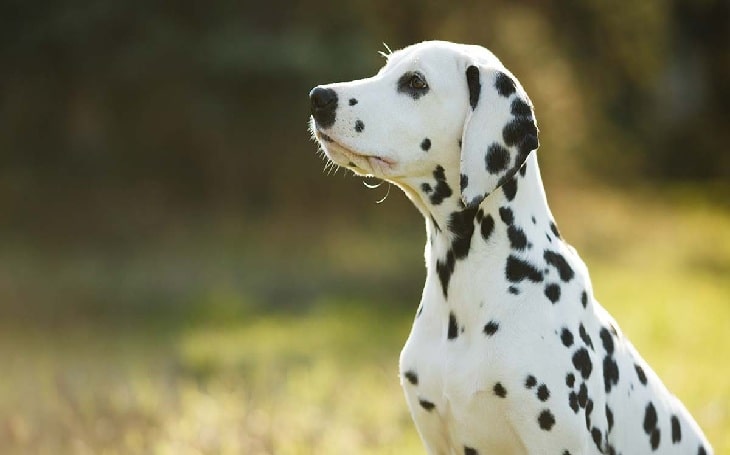
The Dalmatian is a breed defined by its striking spotted coat and a history that includes roles as a carriage dog, hunter, and firehouse companion. Understanding Dalmatian behaviour is essential for owners who wish to foster a harmonious relationship with these energetic and intelligent animals. According to the American Kennel Club, Dalmatians are known for their high energy levels and their need for consistent human interaction, which directly influences how they navigate their daily environments. Because this breed possesses a strong work ethic and high stamina, they often require more than just basic exercise; they thrive when given tasks that engage both their bodies and their minds. Recognizing these core traits helps owners set realistic expectations and implement effective dog training strategies that respect the breed’s historical purpose while fitting into a modern domestic lifestyle.
💡 Pet Care Key Takeaways:
- Core Focus: Practical health, nutrition, and wellness guidelines for Dalatian Behaviour.
- Target Scope: Pet owners, animal caregivers, and veterinary support staff.
- Best Recommendation: Maintain consistent daily routines and consult an accredited veterinarian before introducing major diet or medical changes.
Defining Typical Dalmatian Behaviour
Dalmatian behaviour is characterized by a blend of loyalty, alertness, and a playful, sometimes mischievous, disposition. These dogs are frequently described as “people-oriented,” meaning they often prefer to be in the same room as their owners rather than left in isolation. This strong social drive can sometimes manifest as separation anxiety if the dog is not properly habituated to spending time alone. Furthermore, Dalmatians are naturally alert and have a tendency to act as watchdogs, often barking to signal the arrival of strangers or changes in their environment. This protective instinct is a vestige of their heritage as carriage dogs, where they were tasked with guarding horses and equipment. While they are generally affectionate with family members, their high intelligence means they can become bored quickly if they are not provided with sufficient mental enrichment, potentially leading to destructive behaviors like digging or excessive chewing.
Health and Behavioral Intersections
The behavioral expression of a Dalmatian is deeply influenced by its physical health, particularly regarding the breed’s unique metabolic profile. Dalmatians are predisposed to a specific type of urinary stone formation due to the way they process uric acid, a byproduct of protein metabolism. When a dog experiences physical discomfort or pain from urinary issues, this can lead to changes in behavior, such as increased restlessness, house-soiling, or irritability. Ensuring that a Dalmatian remains hydrated and receives a diet appropriate for its specific metabolic needs is a critical component of dog health management. By addressing physiological vulnerabilities, owners can often prevent behavioral secondary effects that might otherwise be mistaken for simple disobedience or poor training.
Dalmatians have a unique urinary system that produces uric acid instead of allantoin, which necessitates careful monitoring of diet and hydration to prevent the formation of urate uroliths. — American Kennel Club
Approaches to Managing Energy and Behaviour
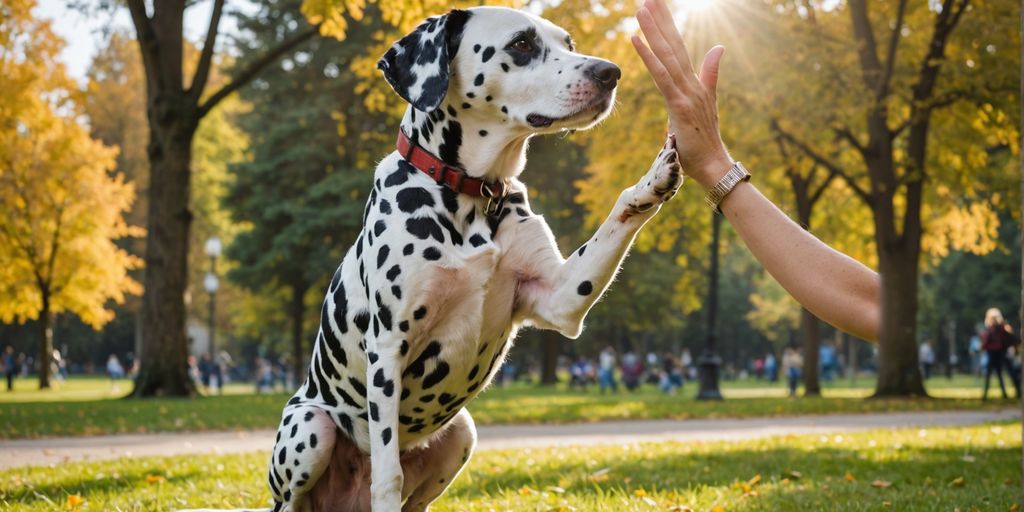
Managing a Dalmatian effectively requires a proactive approach that prioritizes positive reinforcement and consistent structure. Because these dogs are intelligent and capable of problem-solving, they respond best to training methods that reward desired actions rather than those that rely on punishment. Consistent daily exercise is non-negotiable; this might include long walks, running alongside a bicycle, or engaging in canine sports like agility or scent work. Providing an outlet for their physical stamina helps reduce the likelihood of them seeking their own entertainment, which is often the root cause of undesirable household behaviors. Training should be varied and frequent, utilizing short, high-reward sessions to keep the dog engaged and eager to learn.
Best Practices for Daily Interaction
Success with this breed often comes down to maintaining a predictable routine and setting clear boundaries from a young age. One common mistake owners make is underestimating the amount of mental stimulation a Dalmatian requires; a physically tired dog can still be a bored dog if its brain has not been challenged. Incorporating puzzle toys, hide-and-seek games, and formal obedience drills into daily life can significantly improve focus and overall temperament. It is also important to prioritize socialization, exposing the dog to various environments, people, and other animals in a controlled, positive manner to ensure they remain confident and well-adjusted as they mature.
Early socialization is a critical developmental process that helps dogs learn to navigate new environments and social situations with confidence, reducing the risk of fear-based behaviors later in life. — American Veterinary Medical Association
Pet Care & Wellness Overview Table
| Life Stage | Daily Activity Level | Key Nutrition / Care Focus |
|---|---|---|
| Puppy / Kitten | High (frequent short bursts) | High-protein growth diet & early socialization |
| Adult Companion | Moderate (30–60 mins daily) | Balanced maintenance nutrition & dental hygiene |
| Senior Pets | Low to Gentle (mindful walks) | Joint support (Glucosamine) & routine vet checks |
Images References






Breed Considerations and Life Stages
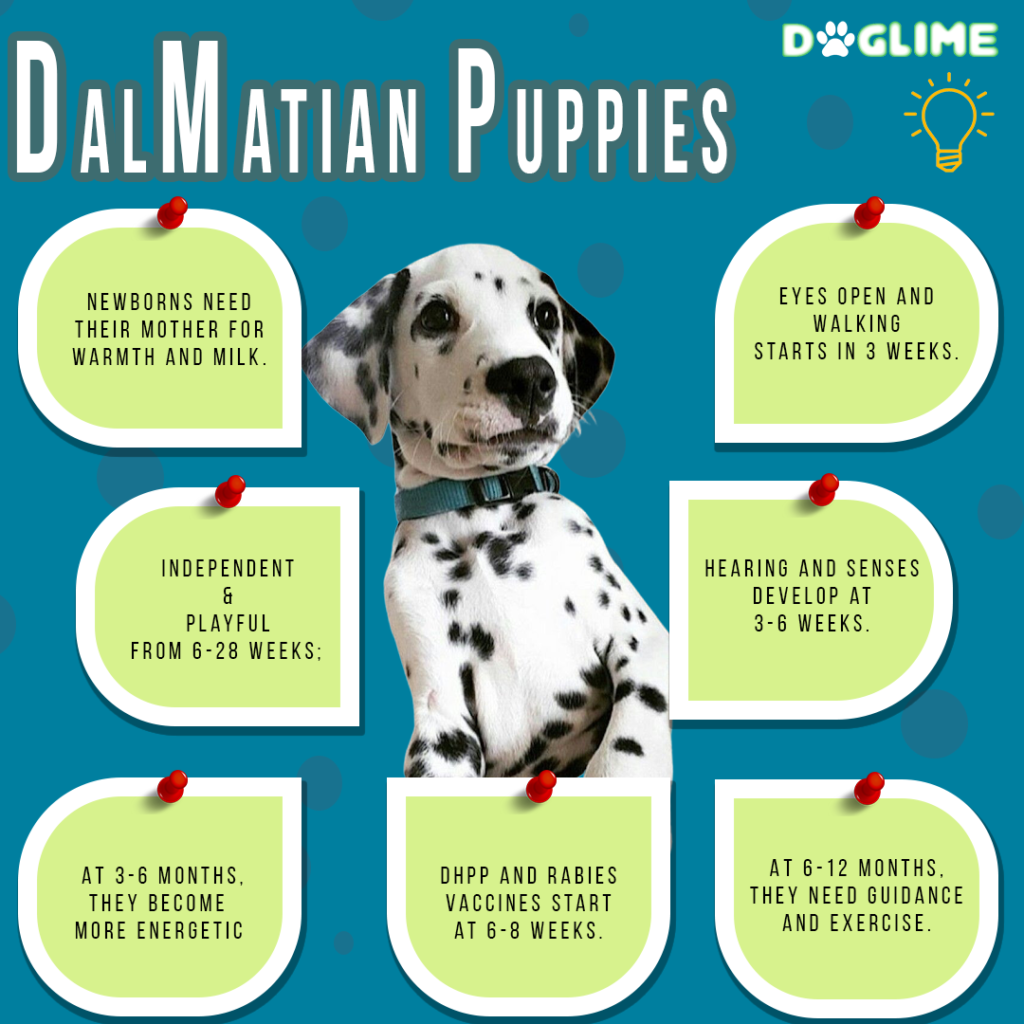
The behavior of a Dalmatian changes as the dog progresses through different life stages, from a high-energy puppy to a more settled adult. During the adolescent phase, owners may notice an increase in testing boundaries, which requires patience and a firm commitment to ongoing training. Size and physical strength are also factors; as a medium-to-large breed, a Dalmatian that has not been taught leash manners or basic commands can be difficult to manage. Understanding that this breed matures at a pace that allows for long-term learning is essential for dog care. Recognizing that every dog is an individual with its own personality quirks, regardless of breed standards, allows for a more personalized and effective care plan.
When to Seek Professional Assistance
If a Dalmatian displays sudden changes in personality, persistent aggression, severe anxiety, or behavior that poses a risk to the safety of the household, consultation with a professional is necessary. A veterinarian should be the first point of contact to rule out any underlying medical conditions or pain that may be causing the behavioral shift. If the dog is deemed healthy, a certified professional dog trainer or a veterinary behaviorist can provide expert guidance on addressing complex issues. These professionals use evidence-based techniques that prioritize the animal’s welfare and help owners develop a safe, structured plan to manage or modify problematic behaviors effectively.
Cultivating a Balanced Life
Living with a Dalmatian is a rewarding experience for those who appreciate an active, intelligent, and deeply loyal companion. By focusing on consistent training, appropriate physical and mental outlets, and proactive health management, owners can ensure their pets lead fulfilling lives. For further guidance on the needs of this unique breed and general tips for keeping your canine companion happy, explore the resources available at PetsAnimalsWorld.com. Dedicated care, rooted in an understanding of the breed’s history and temperament, forms the foundation of a strong bond between human and dog. Always remember to seek professional advice when faced with behavioral challenges beyond standard training expectations.




