Bringing home two puppies from the same litter often feels like a built-in friendship, yet many families find themselves baffled when those sweet playmates turn on each other as they mature.
According to the American Kennel Club, raising two dogs from the same litter simultaneously can inadvertently foster intense behavioral dependencies that complicate their social development. Walking into a living room to find two adult dogs locked in a fierce battle can shock any household, disrupting the peaceful environment everyone worked hard to build. Far too often, people assume that growing up side by side guarantees lifelong harmony. Canine behavioral science paints a different picture, revealing that the shared developmental journey of littermates frequently lays the groundwork for friction. Understanding this unexpected phenomenon requires looking past the cute cuddling sessions on the puppy bed and examining how canine minds mature within a shared home. Explore more in our Pets collection.
💡 Pet Care Key Takeaways:
- Core Focus: Practical health, nutrition, and wellness guidelines for Why Do Litter Mate Dogs Sometimes Fight.
- Target Scope: Pet owners, animal caregivers, and veterinary support staff.
- Best Recommendation: Maintain consistent daily routines and consult an accredited veterinarian before introducing major diet or medical changes.
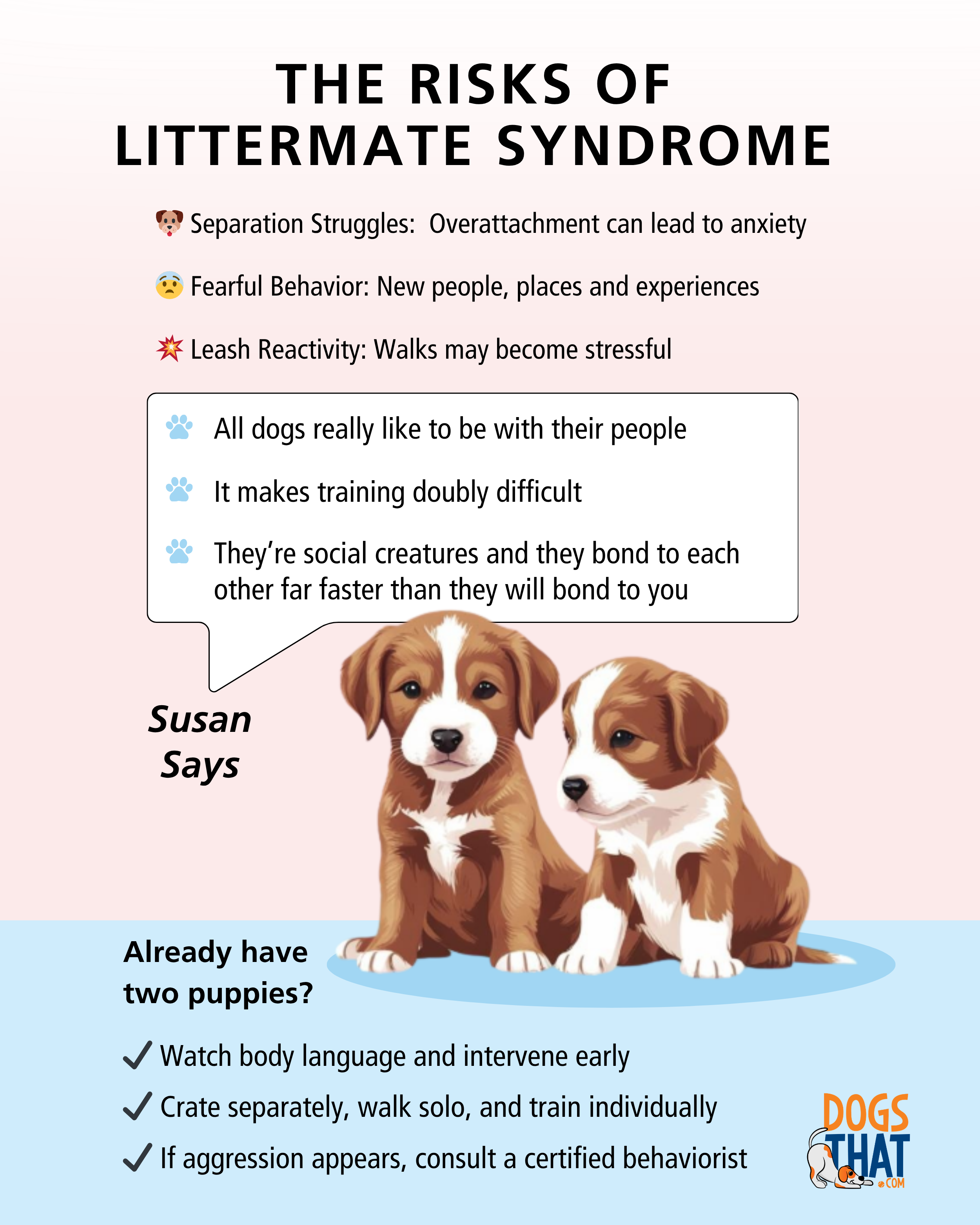
Littermate syndrome is a specialized behavioral condition where puppies raised together develop extreme emotional reliance on one another while struggling to interact normally with the outside world.
When professionals discuss why do litter mate dogs sometimes fight, this specific developmental hurdle sits at the core of the issue. The syndrome often manifests as severe anxiety when the dogs are separated, coupled with a lack of independent social confidence. Rather than viewing humans and other animals as primary companions, the dogs view each other as their entire universe. As these animals enter adolescence, normal hormonal shifts and competing drives for resources spark intense rivalries. Without a strong foundation of individual identity, minor disputes over a chew toy or a favorite resting spot quickly escalate into genuine aggression. For more related activities, check out our What To Expect With A Lab 10 Months Old.
Unchecked sibling rivalry can severely compromise household safety, escalating from minor grumbles to severe physical injuries that require urgent veterinary intervention.
In a clinical setting, witnessing the aftermath of a severe household scrap highlights the urgent need for proactive management. One observation from everyday practice involves dogs that share every waking moment together, only for a single dropped piece of food to trigger a catastrophic fight because neither animal has learned emotional regulation or impulse control. Furthermore, chronic stress takes a heavy physiological toll on animals locked in perpetual tension with a housemate, leading to elevated cortisol levels, digestive upset, and compromised immune responses. Addressing these behavioral roots early prevents the escalation of severe canine conflict.
Chronic stress from ongoing household conflict can significantly elevate baseline cortisol levels in dogs, leading to secondary health complications and compromised immune function — American Animal Hospital Association
Reversing the intense codependency driving why do litter mate dogs sometimes fight demands a commitment to fostering independence in each animal. Owners must implement separate feeding schedules, distinct crate or sleeping areas, and individual walks that take place in completely different directions. By building a separate relationship with each dog, the household establishes human leadership rather than relying on canine peer bonding. Additionally, teaching solid impulse control through positive reinforcement helps both dogs tolerate frustration without resorting to physical violence over valued items.
Strict boundaries and independent experiences remain the most effective tools for preventing adolescent sibling rivalry.
A common mistake in multi-dog households is treating the pair as a single unit during training sessions and outings. Successful development requires teaching each dog to hear and respond to commands independently, even when the sibling is completely out of sight. Moreover, never use physical punishment or dominance-based techniques when a scuffle breaks out, as harsh corrections only heighten fear and amplify the underlying aggression. Instead, safely interrupt the tension using a sharp verbal cue or a visual barrier, and immediately separate the animals until everyone has calmed down completely.
Proper adolescent socialization and individual training significantly reduce the incidence of severe canine aggression and resource guarding in multi-dog households — American Veterinary Medical Association
Pet Care & Wellness Overview Table
| Life Stage | Daily Activity Level | Key Nutrition / Care Focus |
|---|---|---|
| Puppy / Kitten | High (frequent short bursts) | High-protein growth diet & early socialization |
| Adult Companion | Moderate (30–60 mins daily) | Balanced maintenance nutrition & dental hygiene |
| Senior Pets | Low to Gentle (mindful walks) | Joint support (Glucosamine) & routine vet checks |
Images References


Certain breeds with intense working drives, high energy levels, or strong guarding instincts are far more susceptible to severe sibling rivalry.
Breed heritage plays a massive role in how dogs navigate social pressure within a shared home environment. For instance, herding and guarding breeds naturally possess acute environmental awareness and a lower tolerance for perceived threats, which can easily translate into policing behaviors toward a sibling. Age and size disparities also matter immensely; two dogs of the exact same size and energy level will continuously test each other for social standing as they transition through puppyhood into full adulthood. Recognizing these innate genetic tendencies helps families tailor their management strategies before minor squabbles morph into deeply ingrained habits.
Consulting a certified professional or veterinary behaviorist becomes essential when household management strategies fail to curb escalating aggression between dogs.
Professional guidance is non-negotiable the moment fights result in broken skin, or when the underlying tension causes visible terror in either animal. A qualified veterinary behaviorist can design a customized modification plan that evaluates medical contributors, hormonal influences, and environmental triggers safely. Punitive training methods must be strictly avoided during these evaluations, as pain and fear will only accelerate dangerous fighting behaviors. Partnering with certified experts ensures the safety of every human and animal residing under the roof.
Proactive household management and expert guidance transform a stressful living situation into a peaceful environment for every member of the family.
Navigating the complexities of canine behavior requires patience, consistency, and a willingness to adapt daily routines for the well-being of the animals. While the journey through adolescent rivalry can feel overwhelming, implementing structured independence yields remarkable long-term harmony. Exploring additional resources on Dog Behavior and Dog Training can provide further clarity. To dive deeper into optimal canine care, visit PetsAnimalsWorld.com and explore related sections on Dog Care and Dog Health to ensure a thriving, balanced life for all household companions.