
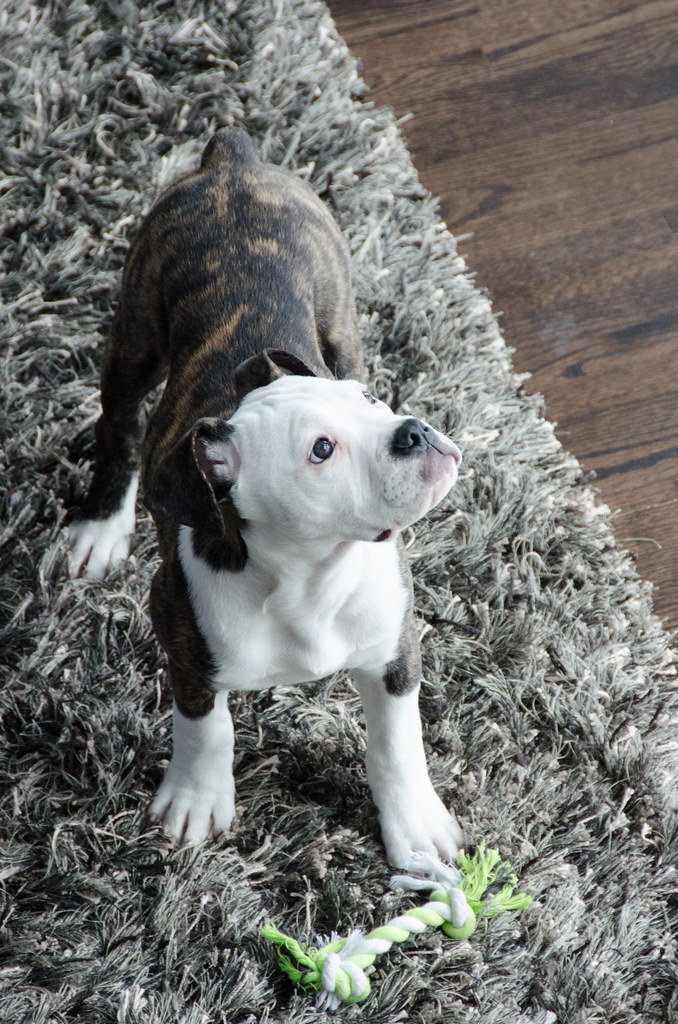
According to the American Kennel Club, early socialization and positive reinforcement during the first few months of life significantly shape an adult dog’s temperament and adaptability. At four months of age, young Bulldogs experience a rapid surge in curiosity, boundary testing, and physical growth. Observing these distinct actions helps caregivers provide the right environment for safe development. In professional practice, watching a young Bulldog encounter a novel surface often reveals an amusing mix of stubborn bravery and comical caution. Recognizing that these patterns are entirely normal helps eliminate frustration during daily routines.
💡 Pet Care Key Takeaways:
- Core Focus: Practical health, nutrition, and wellness guidelines for 16 Week Old Bulldog Puppy Behaviors.
- Target Scope: Pet owners, animal caregivers, and veterinary support staff.
- Best Recommendation: Maintain consistent daily routines and consult an accredited veterinarian before introducing major diet or medical changes.
Understanding 16 week old bulldog puppy behaviors involves recognizing the intersection of high energy bursts and sudden physical fatigue.
Bulldog puppy development at this stage is characterized by short periods of intense play followed by deep, immovable rest. This specific canine life stage marks the height of the juvenile teething phase, where puppies explore their environment primarily through chewing. Canine behaviorists define this period as a critical window for learning bite inhibition, meaning puppies must learn to regulate the pressure of their jaws when interacting with human skin or household items. Because Bulldogs possess powerful jaw muscles even as infants, redirecting this natural urge toward appropriate chew toys is vital.
Proper handling of juvenile quirks prevents unwanted habits from solidifying into permanent adult behavioral challenges. For instance, allowing a four-month-old pup to jump on guests might seem harmless now, but it creates safety concerns once the dog reaches full adult weight. Furthermore, introducing various sounds, gentle touches, and secure environments builds a resilient foundation that supports overall Dog Behavior. When caregivers remain consistent with boundaries, puppies learn to self-soothe more effectively during stressful moments.
Early socialization classes help prevent fear-based reactivity by exposing young dogs to novel stimuli in a controlled, positive environment. — American Kennel Club
Implementing positive reinforcement training techniques ensures effective management of adolescent stubbornness.
Reward-based methods are the most reliable way to guide a growing Bulldog through obedience exercises and household rules. Because this breed is notoriously independent, training sessions should remain short, engaging, and highly rewarding to maintain focus. Setting up structured routines for feeding, potty breaks, and interactive play establishes predictable expectations that reduce anxiety. Careful monitoring during indoor exploration ensures the safety of the puppy while supporting healthy physical growth.
Avoiding common training mistakes prevents confusion and strengthens the human-animal bond.
Harsh corrections or punitive methods should never be utilized, as they damage trust and can provoke defensive reactions in sensitive dogs. Instead of yelling when an accident occurs, redirecting the puppy’s attention to an appropriate task yields far better long-term results. Another frequent misstep is ignoring the importance of mental enrichment, which is just as tiring for a young Bulldog as physical exercise. Utilizing puzzle toys and scent games channels their natural instincts into productive outlets.
Mental enrichment through interactive puzzle feeders reduces destructive chewing and promotes calm behavioral states in growing puppies. — Association of Professional Dog Trainers
Pet Care & Wellness Overview Table
| Life Stage | Daily Activity Level | Key Nutrition / Care Focus |
|---|---|---|
| Puppy / Kitten | High (frequent short bursts) | High-protein growth diet & early socialization |
| Adult Companion | Moderate (30–60 mins daily) | Balanced maintenance nutrition & dental hygiene |
| Senior Pets | Low to Gentle (mindful walks) | Joint support (Glucosamine) & routine vet checks |
Images References





Breed-specific structural and physiological traits heavily influence how these behaviors manifest daily.
The English Bulldog is a brachycephalic breed, meaning they possess a shortened muzzle and compressed facial structure that impacts their breathing and temperature regulation. Consequently, intense physical exertion can lead to overheating much faster than in longer-snouted breeds, modifying how they engage in active play. Guardians must monitor exercise intensity closely, ensuring that play sessions do not cause excessive panting or respiratory distress. Understanding these physical limits is a core component of responsible Dog Care.
Knowing when to consult a veterinarian or professional trainer ensures underlying medical or psychological concerns receive prompt attention.
While normal puppy antics include occasional nipping and stubborn refusal to come when called, sudden changes in temperament warrant professional evaluation. Any signs of extreme fear, unprovoked aggression, or lethargy require immediate consultation with a qualified veterinarian to rule out underlying illness or pain. For complex behavioral concerns, partnering with a certified veterinary behaviorist ensures that interventions align with humane, science-based standards of animal welfare, protecting both physical health and psychological well-being.
Supporting your puppy through every developmental milestone creates a joyful and harmonious home environment.
Guiding a young companion through their formative months takes patience, consistency, and a deep appreciation for their unique personality. By staying informed about proper Dog Training methods and paying close attention to Dog Health, you set the stage for a wonderful life together. Explore more expert advice and helpful resources right here at PetsAnimalsWorld.com to ensure your furry friend thrives at every age and stage of life.




