

Understanding the roots of behavior in young guardian dogs requires deep insight into canine development.
According to the American Kennel Club, the Cane Corso is a historic Italian mastiff breed originally developed for property protection, hunting large game, and farm work. Bringing one of these powerful dogs into a household brings immense joy, yet unexpected challenges can arise during the formative months. Observing a young dog display reactive or forceful tendencies often triggers anxiety among household members. Fortunately, certified behaviorists understand that most early reactivity stems from normal developmental fear stages, improper socialization, or protective instincts rather than pure malice. Addressing these tendencies early ensures a safe and harmonious environment for both the family and the growing dog.
💡 Pet Care Key Takeaways:
- Core Focus: Practical health, nutrition, and wellness guidelines for Aggressive Cane Corso Puppy.
- Target Scope: Pet owners, animal caregivers, and veterinary support staff.
- Best Recommendation: Maintain consistent daily routines and consult an accredited veterinarian before introducing major diet or medical changes.
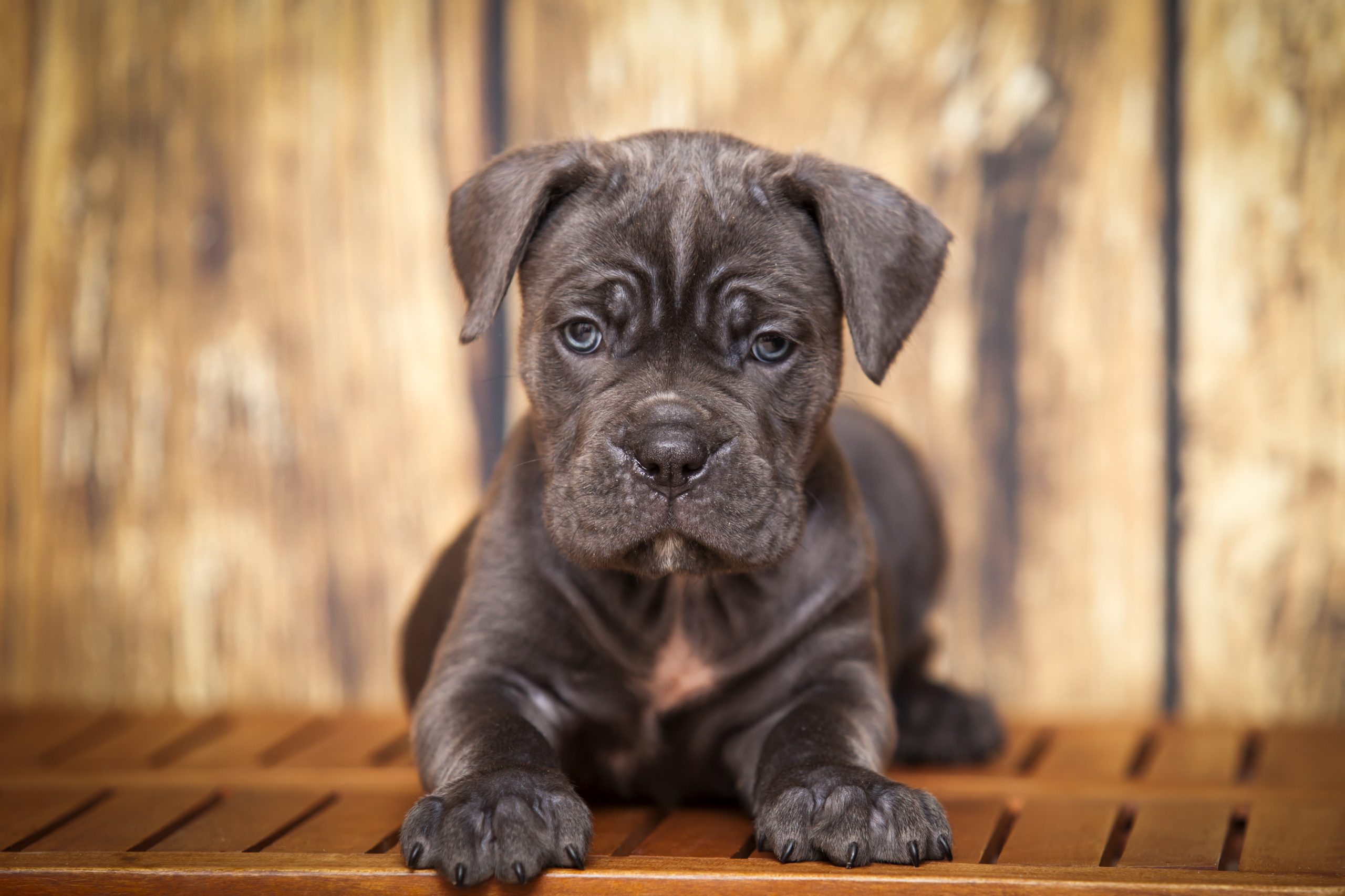
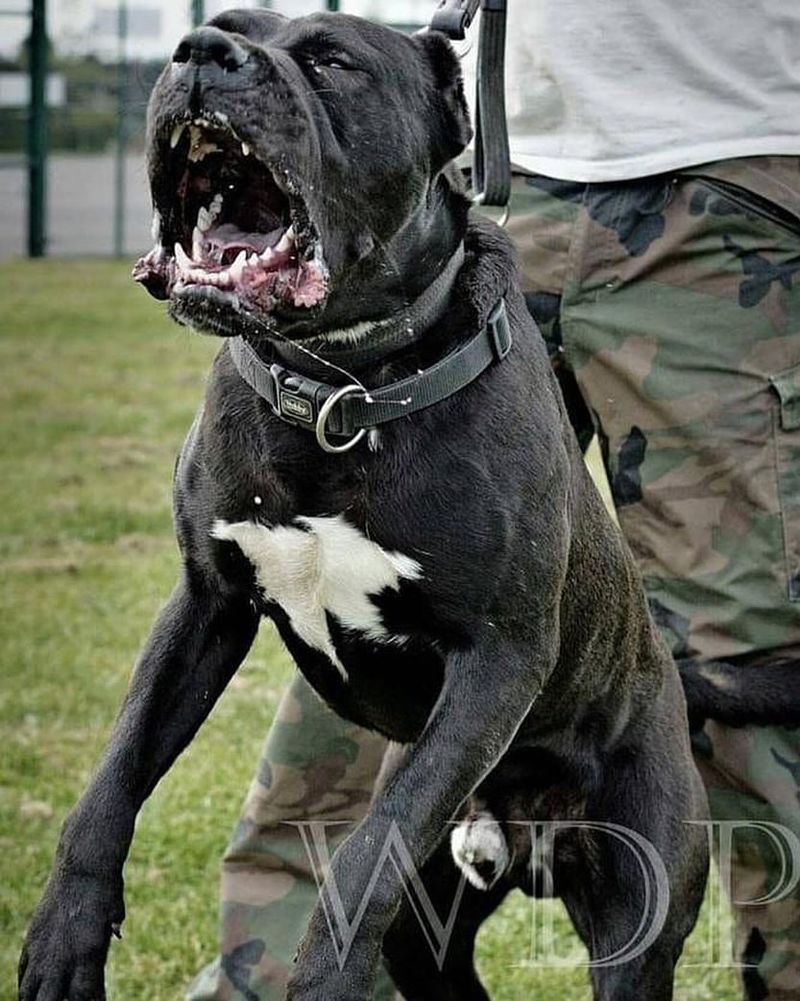
An aggressive cane corso puppy refers to a young mastiff exhibiting growling, snapping, or lunging behaviors driven by fear, frustration, or territorial instincts.
Mastiff breeds mature slower than smaller companion dogs, often retaining puppy-like bodies while possessing immense physical strength. When evaluating an aggressive cane corso puppy, professionals look closely at the underlying motivation behind the behavior. Guarding food bowls, stiffening during handling, or reacting intensely to unfamiliar visitors are common warning signs that require immediate attention. In professional practice, young dogs often lunge at vacuum cleaners or bicycles simply due to a lack of early exposure rather than genuine hostility. Recognizing the difference between normal exploratory boundaries and true defensive reactivity prevents mislabeling a normal juvenile dog. For more related activities, check out our Xolo Dog Behavior.
Unchecked behavioral issues during formative months can severely impact long-term household safety and the dog’s psychological well-being.
Leaving early warning signs unaddressed can cause defensive habits to escalate into severe adult reactivity. Because these dogs possess immense physical power, even mild reactivity during the juvenile phase can quickly become dangerous as the animal reaches full size. Furthermore, chronic stress and high cortisol levels hinder proper brain development, leading to an animal that lives in a constant state of perceived threat. Early intervention protects everyone involved and fosters a confident, stable adult companion. In clinical settings, working with large guarding breeds reveals that structured guidance prevents deep-seated reactivity before adult hormones peak.
Early socialization and positive exposure during the critical developmental window between 8 and 16 weeks significantly reduce the incidence of defensive adult reactivity in large guardian breeds. — American Kennel Club
Proper management and positive reinforcement training transform challenging behaviors into stable, confident responses.
Managing an aggressive cane corso puppy requires clear boundaries, consistency, and reward-based instruction rather than punishment. Punitive or dominance-based techniques frequently worsen defensive behavior by validating the animal’s fear and introducing distress into the learning process. Instead, focusing on desensitization—gradually introducing triggers at a safe distance while pairing them with high-value treats—helps rewire the dog’s emotional response. Daily obedience routines establish clear communication channels, ensuring the young dog looks to human handlers for guidance during uncertain situations. This proactive framework builds mutual trust and reduces impulsive reactions.
Avoiding common management mistakes prevents accidental reinforcement of unwanted behaviors during crucial growth stages.
One frequent error involves punishing growling, which removes an essential warning sign and teaches the dog to bite without notice. Handlers should also avoid isolating the animal entirely from the outside world, as controlled exposure remains vital for proper neural development. Furthermore, consistency across all household members prevents confusion and ensures the puppy understands behavioral expectations in every room. Every interaction serves as a learning opportunity, reinforcing either calmness or reactive habits. Maintaining patience during stubborn phases guarantees steady progress over time.
Behavioral consultations incorporating positive reinforcement yield higher success rates in modifying canine reactivity compared to traditional correction-based methods. — American Veterinary Medical Association
Pet Care & Wellness Overview Table
| Life Stage | Daily Activity Level | Key Nutrition / Care Focus |
|---|---|---|
| Puppy / Kitten | High (frequent short bursts) | High-protein growth diet & early socialization |
| Adult Companion | Moderate (30–60 mins daily) | Balanced maintenance nutrition & dental hygiene |
| Senior Pets | Low to Gentle (mindful walks) | Joint support (Glucosamine) & routine vet checks |
Images References




Breed history, rapid physical growth, and independent temperament heavily influence how young mastiffs perceive their environment.
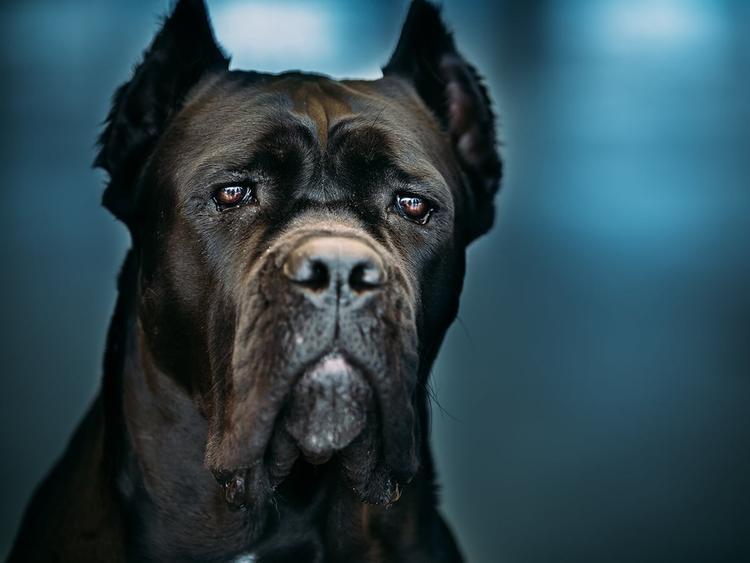
The Cane Corso possesses a natural guardian instinct embedded deeply within its genetic history, meaning these dogs often assess unfamiliar people and environments with intense scrutiny. During growth spurts, adolescent dogs may experience temporary joint discomfort or hormonal shifts that increase sensitivity to touch and environmental changes. Understanding this breed-specific mindset allows owners to provide appropriate leadership without resorting to intimidation. Socializing these dogs demands patience, as their protective nature emerges naturally around late puppyhood. Respecting their heritage while providing structured socialization creates a balanced, well-adjusted guardian.
Consulting a certified veterinary behaviorist is essential when behavioral challenges involve biting, severe guarding, or unprovoked lunging.
Professional guidance becomes necessary whenever behavior threatens household safety or fails to improve with standard management techniques. A certified veterinary behaviorist or professional dog trainer experienced with mastiff breeds can perform a comprehensive evaluation to rule out underlying medical conditions contributing to pain or irritability. These specialists design tailored modification plans suited to the unique psychological makeup of large guardian dogs. Never hesitate to seek expert advice, as early professional intervention resolves complex behavioral concerns efficiently and safely. Collaborative support empowers families to navigate adolescent challenges with confidence.
Supporting a balanced canine companion involves utilizing trusted resources and ongoing education for every stage of development.
Navigating the journey of raising a powerful guardian breed requires dedication, reliable knowledge, and continuous patience. By exploring expert insights across Dog Behavior and Dog Training, caregivers can build a strong foundation of trust. Understanding specific needs found within Dog Breeds and general Dog Care ensures every animal receives optimal support. Visit PetsAnimalsWorld.com regularly to discover more valuable resources dedicated to fostering a healthy, happy life for all beloved household companions.




