

Understanding the rapid milestones of a three-month-old canine
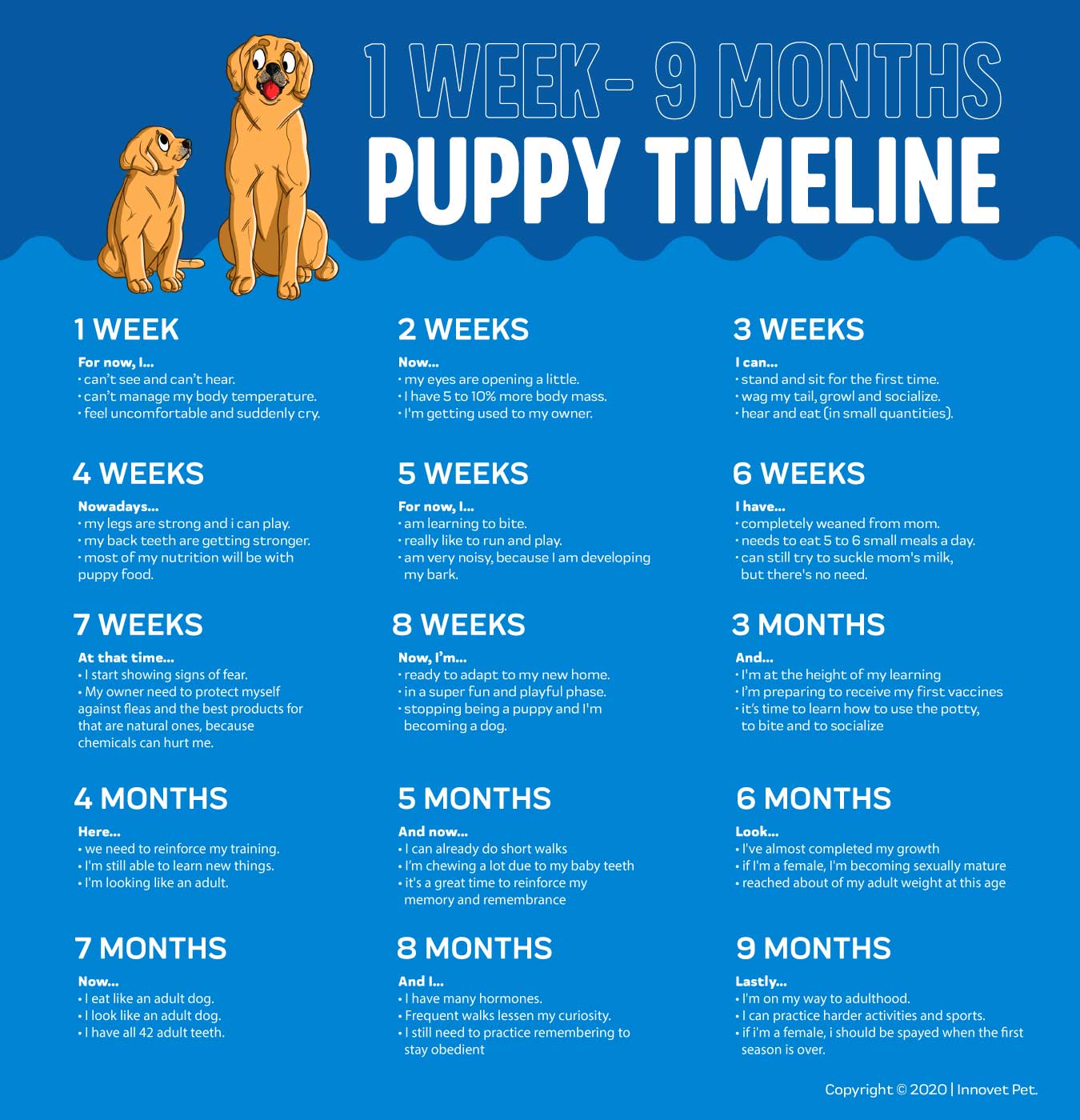
According to the American Kennel Club, the twelve-week mark represents a critical transition window where young canines shift from passive infants into highly inquisitive explorers. During this phase, every single interaction helps shape lifelong cognitive frameworks. A three month old puppy development cycle involves rapid changes across physical, neurological, and social dimensions. Navigating this stage successfully requires a deep understanding of what happens beneath the surface of those boundless energy levels.
💡 Pet Care Key Takeaways:
- Core Focus: Practical health, nutrition, and wellness guidelines for 3 Month Old Puppy Development.
- Target Scope: Pet owners, animal caregivers, and veterinary support staff.
- Best Recommendation: Maintain consistent daily routines and consult an accredited veterinarian before introducing major diet or medical changes.
Development at twelve weeks encompasses intense cognitive and physical shifts
Twelve-week-old puppies are experiencing a neurological boom that drastically increases their capacity to absorb information from the environment. This specific age marks the peak of the primary socialization period, a vital window defined by the American Veterinary Medical Association where positive exposures to novel sounds, surfaces, and individuals build lasting resilience. Physically, deciduous teeth, meaning the temporary milk teeth that puppies are born with, begin to emerge fully, leading to an intense urge to chew. Motor coordination also improves remarkably during this period, allowing for longer play sessions, better balance, and the initial foundation of voluntary bladder control. For more related activities, check out our Dog Care Edge Ultrasonic Dog Trainer.
Behavioral and physiological changes shape daily routines
As neural pathways multiply, young dogs frequently display sudden bursts of energy followed by immediate, deep crashes into sleep. This physiological need for rest is often misunderstood by caregivers who mistake overtiredness for disobedience. Concurrently, exploratory biting peaks as the teething process accelerates, making environmental management an absolute priority for household safety. Setting up a consistent daily routine helps stabilize these sudden mood shifts and supports healthy emotional regulation.
Puppies aged 8 to 12 weeks undergo crucial neurological development that forms the basis for lifelong temperament and adaptability. — American Veterinary Medical Association
Fostering healthy development at this age relies heavily on positive reinforcement and controlled exposure to the outside world. Introducing foundational cues such as sit, stay, and come using high-value rewards establishes clear communication channels between the dog and the household. Meanwhile, handling exercises—gently touching paws, ears, and muzzles—prepare the young canine for future veterinary examinations and grooming sessions without fear or stress.
Essential guidelines and common pitfalls during early canine growth
Avoiding punitive corrections is paramount, as harsh methods at twelve weeks can severely damage trust and induce fear-based reactivity. Instead, redirect undesirable chewing behaviors toward appropriate rubber toys or durable chews designed specifically for developing jaws. Furthermore, avoid placing unimmunized youngsters in high-traffic dog parks before veterinary vaccine schedules are fully completed, relying instead on safe playdates with known, healthy adult dogs who can teach appropriate canine etiquette.
Early socialization during the first three months of life is the single most important factor in preventing future behavioral problems. — American Kennel Club
Pet Care & Wellness Overview Table
| Life Stage | Daily Activity Level | Key Nutrition / Care Focus |
|---|---|---|
| Puppy / Kitten | High (frequent short bursts) | High-protein growth diet & early socialization |
| Adult Companion | Moderate (30–60 mins daily) | Balanced maintenance nutrition & dental hygiene |
| Senior Pets | Low to Gentle (mindful walks) | Joint support (Glucosamine) & routine vet checks |
Images References





Breed-specific traits and individual temperaments influence milestones
While general developmental timelines apply across the board, individual breed characteristics and physical sizing play a massive role in day-to-day progression. Miniature breeds often exhibit faster metabolic rates and quicker physical maturation, whereas large and giant breeds require careful monitoring of joint development to prevent excessive strain on growing bones. Recognizing these intrinsic differences ensures that exercise intensities and dietary provisions remain appropriately tailored to the specific dog.
Professional veterinary and behavioral support ensures long-term well-being
Routine veterinary checkups during this quarterly milestone are indispensable for tracking growth charts, administering necessary vaccinations, and discussing safe parasite prevention protocols. Professional guidance should also be sought immediately if persistent signs of extreme fear, aggression, or abnormal physical development arise. Consulting a qualified veterinarian or certified professional Dog Behavior expert ensures that subtle red flags are addressed before becoming entrenched habits.
Supporting a thriving companion through expert guidance
Watching a young dog blossom through these formative weeks remains one of the most rewarding journeys in animal caregiving. By prioritizing gentle structure, balanced nutrition, and appropriate socialization, caregivers lay the groundwork for a confident, well-adjusted adult companion. Explore comprehensive resources across Dog Care and Dog Training at PetsAnimalsWorld.com to continue supporting every stage of your journey together.




