
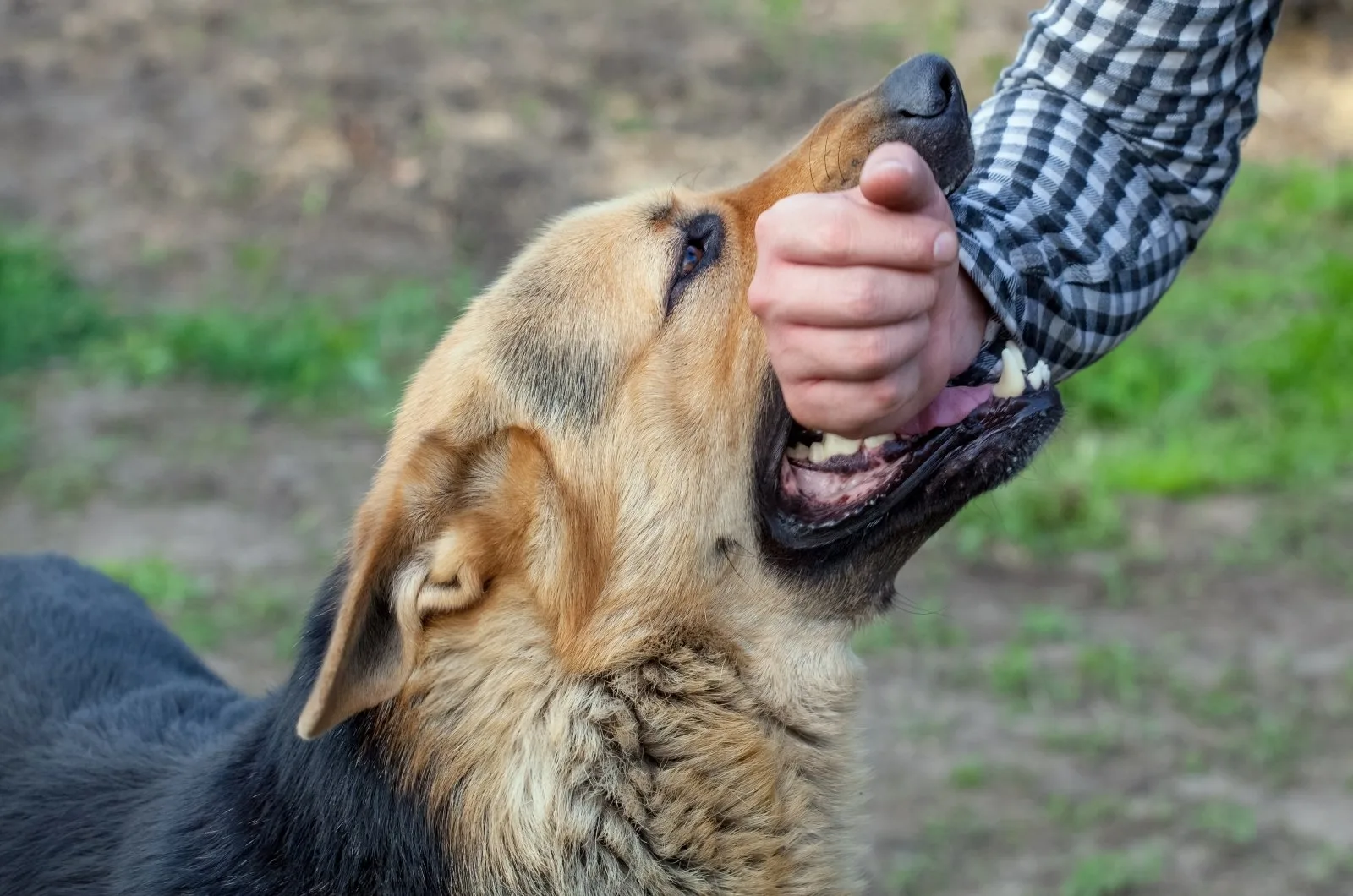
Decoding the sudden and intense mouthing habits of a young German Shepherd
According to the American Kennel Club, the German Shepherd Dog is one of the most popular and intelligent breeds in the world, renowned for its strong work ethic and high energy. Yet, welcoming one of these clever canines into a household often brings unexpected challenges. Many guardians find themselves startled when a gsd puppy bites me out of nowhere, seemingly turning from a sweet companion into a snapping whirlwind without any obvious warning. Understanding why this happens requires a close look at canine development and natural instincts.
💡 Pet Care Key Takeaways:
- Core Focus: Practical health, nutrition, and wellness guidelines for Gsd Puppy Bites Me Out Of Nowhere.
- Target Scope: Pet owners, animal caregivers, and veterinary support staff.
- Best Recommendation: Maintain consistent daily routines and consult an accredited veterinarian before introducing major diet or medical changes.
In professional behavior consultations, a common pattern emerges. Young dogs rarely act without motivation; rather, humans simply miss the subtle microscopic cues preceding the outburst. Recognizing that behavior is a form of communication helps shift the perspective from frustration to proactive guidance, ensuring the relationship remains strong and trusting. For more related activities, check out our Dog Uti Behavior Change.
Exploring the root causes behind sudden puppy outbursts
Sudden random biting in young German Shepherds is typically driven by overarousal, overtiredness, or strong predatory-herding instincts rather than genuine aggression. German Shepherd puppies possess an intense genetic blueprint designed for gripping and moving livestock. When the environment becomes too stimulating, their nervous systems overload, resulting in sudden frantic nipping at clothes, ankles, or hands. This phenomenon is frequently exacerbated by the teething process, which causes significant discomfort in the gums as permanent teeth begin to emerge around four to six months of age.
Furthermore, young canines often lack self-regulation skills. When a puppy experiences a burst of energy, known commonly as the zoomies, the inability to process that internal rush frequently translates into grabbing the nearest moving object, which happens to be human skin or clothing. Pinpointing the exact trigger requires observing what happens right before the behavior starts, such as loud noises, rapid human movements, or a lack of scheduled rest.
Understanding the physical and emotional impact on the household
Unchecked mouthing and nipping can create a stressful home environment and pose safety concerns for vulnerable family members. Sharp puppy teeth can easily puncture skin, leading to accidental scratches and deep bruising that make daily interactions tense. Beyond the physical marks, emotional exhaustion settles in for human caregivers who feel constantly on guard, wondering when the next unprovoked strike will occur. This dynamic can strain the human-animal bond if left unaddressed, turning what should be a joyful puppy-raising experience into a daily endurance test.
Overarousal and fatigue are among the leading triggers for unexpected mouthing behaviors in high-drive working puppies. — American Kennel Club
Addressing these intense behaviors early prevents them from solidifying into lifelong habits. In practice, dogs that learn alternative ways to expend energy transition into stable, reliable adults much faster than those left to self-soothe through destructive chewing. Establishing predictable routines is vital for keeping stress hormones low.
Effective management strategies for controlling unexpected biting
Managing unexpected nipping successfully relies on redirecting the behavior onto appropriate items and teaching the puppy how to calm down. When a sudden outburst occurs, avoiding high-pitched squeals or flailing arms is essential, as these reactions mimic prey movement and inadvertently encourage the puppy to bite harder. Instead, standing completely still like a tree or quietly turning one’s back removes the reward of interaction. Providing an appropriate chew toy immediately afterward gives the puppy a socially acceptable outlet for that intense oral fixation.
In addition to redirection, teaching a reliable cue to drop items or step away helps establish clear boundaries. Consistency among all household members is mandatory for success. If one person allows the puppy to mouth hands while playing, the dog becomes thoroughly confused, rendering all other training efforts ineffective.
Essential tips and common mistakes to avoid during training
Avoiding punitive corrections, such as alpha rolls, loud shouting, or striking the puppy, is critical for maintaining behavioral health and preventing fear-based aggression. Physical punishment damages trust and often escalates the intensity of the bite because the puppy perceives the reaction as a threat or a high-stakes game. Another common pitfall is failing to ensure the puppy gets enough structured downtime. Just like human toddlers, overtired puppies lose their ability to cope with normal stimuli and become hyperactive biters.
Positive reinforcement methods build stronger communication and reduce fear-related reactivity compared to aversive training techniques. — Association of Professional Dog Trainers
Pet Care & Wellness Overview Table
| Life Stage | Daily Activity Level | Key Nutrition / Care Focus |
|---|---|---|
| Puppy / Kitten | High (frequent short bursts) | High-protein growth diet & early socialization |
| Adult Companion | Moderate (30–60 mins daily) | Balanced maintenance nutrition & dental hygiene |
| Senior Pets | Low to Gentle (mindful walks) | Joint support (Glucosamine) & routine vet checks |
Images References

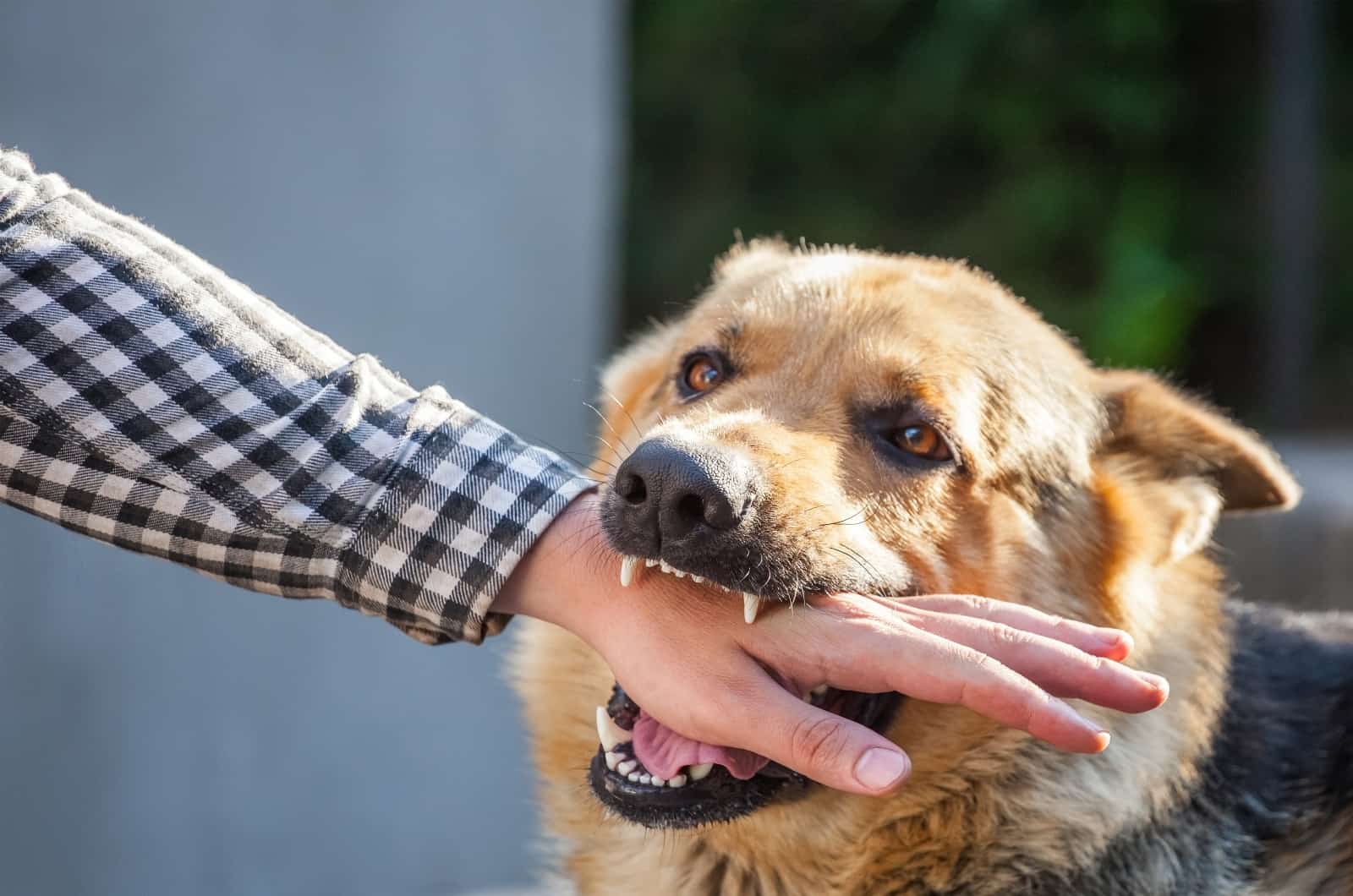


Incorporating mental enrichment, such as puzzle feeders and scent games, drains cognitive energy far more effectively than physical exercise alone. A mentally satisfied puppy is significantly less likely to seek out inappropriate targets for pent-up frustration.
Recognizing breed-specific traits that influence behavioral outbursts
German Shepherds are a high-drive working breed engineered to investigate their surroundings using their mouths. This breed heritage means that mouthing is deeply ingrained, requiring structured outlets rather than simple suppression. Their rapid physical growth outpaces their emotional maturity, creating adolescent dogs in large bodies that still behave like toddlers when overwhelmed. Acknowledging this unique developmental curve allows owners to provide appropriate environmental enrichment tailored specifically to a herding breed’s distinct needs.
Socialization plays an equally important role in shaping a balanced temperament. Exposing the puppy to novel sights, sounds, and surfaces in a controlled, positive manner prevents fear-based reactivity later in life, ensuring the growing dog responds to new situations with confidence rather than defensive biting.
When to consult a professional trainer or veterinary behaviorist
Seeking professional guidance becomes necessary when the biting appears genuinely aggressive, accompanied by stiff body posture, low growling, or snapping with intent to harm rather than playful excitement. According to the American Veterinary Medical Association, consulting a certified professional dog trainer or a board-certified veterinary behaviorist is vital if management strategies fail to reduce the frequency of the behavior after a few weeks of consistent application. Professionals can rule out underlying medical issues, such as pain or neurological concerns, and design a customized behavior modification plan tailored to the individual dog.
Early intervention by a qualified expert prevents minor puppy management issues from escalating into dangerous adult behavioral problems. Partnering with a professional ensures the safety of everyone in the household while supporting the dog’s mental well-being.
Building a harmonious future with your German Shepherd companion
Navigating the challenging phase of unexpected puppy nipping takes patience, consistency, and a deep understanding of canine development. By addressing the root causes of overarousal and providing appropriate outlets for instinctual energy, guardians can guide their dogs toward calmer, more polite interactions. To expand your knowledge on raising a balanced companion, explore comprehensive resources on Dog Training, learn more about Dog Behavior, and discover expert tips on Dog Care. Visit PetsAnimalsWorld.com for more guides to help your pets thrive.




