

Understanding the intense phase of a 3 months puppy biting and chewing everything
According to the American Society for the Prevention of Cruelty to Animals, destructive chewing and mouthing are completely normal developmental behaviors for young canines exploring their environment. Welcoming a young dog into a household brings immense joy, yet it frequently introduces daily struggles with sharp little teeth gripping ankles, furniture legs, and favorite shoes. Observing a litter of puppies reveals constant tactile exploration, as mouths serve as their primary tool for gathering sensory information. Understanding this developmental stage allows caregivers to approach the behavior with patience rather than frustration. Rather than acting out of malice or defiance, the animal is simply reacting to deep-seated biological imperatives that require guidance, management, and redirection.
💡 Pet Care Key Takeaways:
- Core Focus: Practical health, nutrition, and wellness guidelines for 3 Months Puppy Biting And Chewing Everything.
- Target Scope: Pet owners, animal caregivers, and veterinary support staff.
- Best Recommendation: Maintain consistent daily routines and consult an accredited veterinarian before introducing major diet or medical changes.
Teething pain and tactile exploration explain 3 months puppy biting and chewing everything
Teething and sensory development are the primary biological drivers behind 3 months puppy biting and chewing everything in a domestic setting. During this exact developmental window, the temporary milk teeth begin to loosen while sharp adult teeth push upward through the inflamed gums, causing significant discomfort and irritation. Chewing naturally relieves this pressure by massaging the gums and accelerating the shedding of retained teeth. Simultaneously, canine cognition relies heavily on the mouth to test textures, temperatures, and resistance levels of surrounding objects. In veterinary clinics, young dogs are frequently examined for oral health during this exact phase, confirming that inflamed gums directly trigger an intense urge to clamp down on any available surface to find physical relief. For more related activities, check out our Dog Care Edge Ultrasonic Dog Trainer.
Protecting oral health while managing environmental destruction
Unchecked mouthing can lead to accidental ingestion of hazardous materials, chipped teeth, or the reinforcement of bad habits that persist into adulthood. When an animal relentlessly gnaws on drywall, electrical cords, or toxic houseplants, the physical risks extend far beyond ruined household items into severe veterinary emergencies. For instance, according to the American Kennel Club, household electrical cords present a major electrocution hazard, while certain decorative plants can cause systemic toxicity. Implementing proactive environmental management protects both the physical well-being of the dog and the integrity of the home. Establishing safe zones removes temptation and ensures the animal interacts exclusively with approved outlets for oral gratification.
Destructive chewing in young canines is primarily driven by the painful eruption of adult teeth combined with normal tactile exploration of the physical environment — American Society for the Prevention of Cruelty to Animals
Practical strategies to redirect mouthing and curb destructive habits
Providing appropriate chew toys and utilizing positive redirection successfully channels oral energy away from forbidden household items. Whenever sharp teeth latch onto human skin or furniture, the correct response involves freezing movement, withdrawing attention, and immediately offering an approved rubber toy or textured chew bone. This teaches the young canine that gentle behavior brings engagement while biting causes fun activities to stop instantly. Additionally, keeping enrichment items chilled in a refrigerator can numb inflamed gums, providing instant relief that diminishes the desire to chew on table legs or baseboards. Consistency across all household members remains paramount, as mixed signals prolong the training timeline and confuse the developing animal.
Essential redirection techniques and common mistakes to avoid during teething
Using physical punishment or harsh verbal reprimands for natural exploratory behavior damages the human-animal bond and creates fear-based responses. Instead of yelling, experienced trainers recommend maintaining a calm demeanor and redirecting the animal toward an acceptable alternative. Another frequent error involves playing rough with bare hands, which inadvertently teaches the dog that human skin is an acceptable tug toy. Hands must always remain associated with gentle petting, feeding, and grooming rather than rough wrestling games. Rotating available toys weekly also maintains novelty, keeping the animal engaged with designated items rather than seeking out forbidden household alternatives.
Positive reinforcement and immediate toy substitution are the most effective methods for modifying destructive chewing behaviors without inducing fear or anxiety — American Kennel Club
Pet Care & Wellness Overview Table
| Life Stage | Daily Activity Level | Key Nutrition / Care Focus |
|---|---|---|
| Puppy / Kitten | High (frequent short bursts) | High-protein growth diet & early socialization |
| Adult Companion | Moderate (30–60 mins daily) | Balanced maintenance nutrition & dental hygiene |
| Senior Pets | Low to Gentle (mindful walks) | Joint support (Glucosamine) & routine vet checks |
Images References




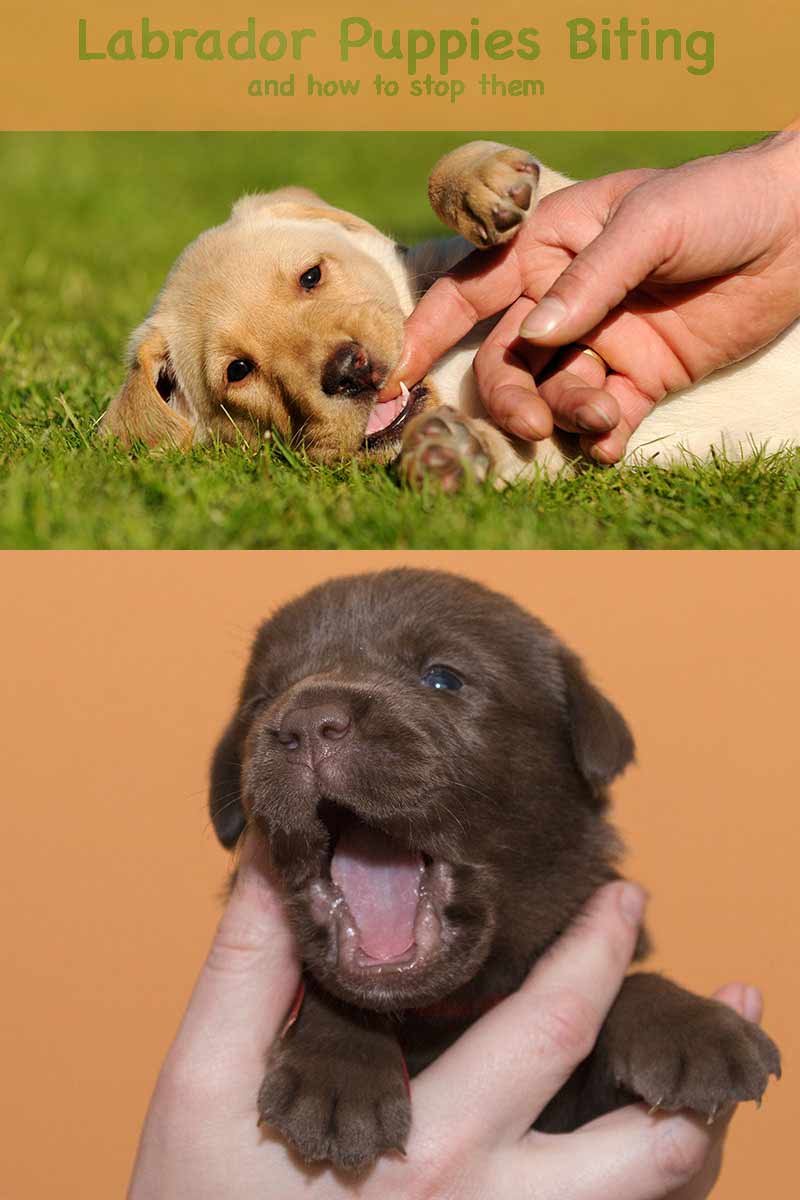
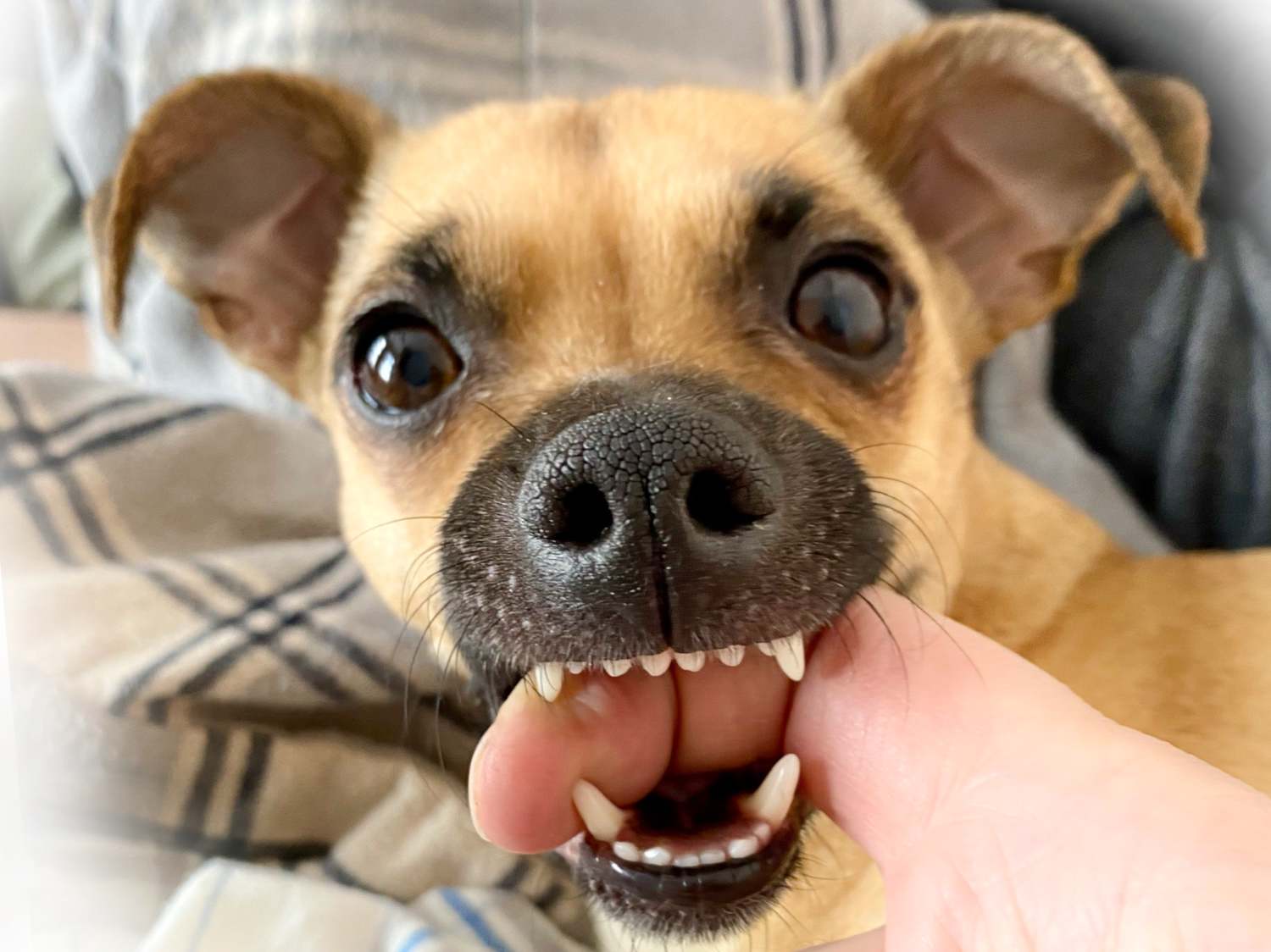

Breed size, individual temperament, and developmental pacing variations
Different breeds and individual personalities mature at varying rates, influencing both the intensity and duration of the teething phase. Larger working breeds often possess stronger jaw structures and higher energy levels, requiring heavy-duty rubber toys designed to withstand intense pressure. Conversely, smaller toy breeds experience rapid dental shifts that can cause localized gum sensitivity despite their miniature stature. Recognizing these individual traits ensures that management strategies match the specific physical capacity and psychological makeup of the dog. Tailoring the environment to the specific breed guarantees a smoother transition through the challenges of early canine development.
When to consult a veterinary professional or certified behaviorist
Persistent aggression, obsessive swallowing of non-food items known as pica, or extreme distress during redirection warrants professional evaluation by a veterinarian or certified behaviorist. While standard mouthing stems from normal development, compulsive behaviors or excessive biting accompanied by growling, freezing, or snapping can indicate underlying medical pain or behavioral disorders. A thorough physical examination rules out abnormal dental retention, oral infections, or gastrointestinal discomfort that might exacerbate chewing tendencies. Early intervention by qualified professionals ensures safe, science-based behavior modification plans that protect the long-term emotional and physical health of the animal.
Supporting a balanced and happy transition through early canine development
Navigating the challenges of young canine development requires immense patience, structured management, and consistent positive reinforcement from dedicated caregivers. By fulfilling the natural urge to explore through safe outlets, households can foster a well-adjusted companion who transitions smoothly into calm adulthood. Exploring additional resources on Dog Behavior, Dog Training, and general Dog Care provides further guidance for every stage of growth. Visit PetsAnimalsWorld.com today to discover expert insights designed to help every pet thrive in a safe, loving environment.




