
According to the American Society for the Prevention of Cruelty to Animals, the critical socialization window for canine development begins closing around four months of age, making this developmental milestone uniquely influential for future temperament. Welcoming a juvenile dog into the household brings boundless enthusiasm alongside specific physical and mental demands. In daily clinical practice, observing a young canine at this age usually reveals an animal bursting with raw energy, curiosity, and rapid skeletal growth. Navigating this phase successfully means understanding the distinct biological and behavioral shifts happening beneath the surface. Explore more in our Dog Breeds collection.
💡 Pet Care Key Takeaways:
- Core Focus: Practical health, nutrition, and wellness guidelines for 4 Month Old Pitbull Puppy.
- Target Scope: Pet owners, animal caregivers, and veterinary support staff.
- Best Recommendation: Maintain consistent daily routines and consult an accredited veterinarian before introducing major diet or medical changes.
A 4 month old pitbull puppy is a rapidly developing juvenile entering a crucial phase of physical coordination and cognitive testing.
Technically speaking, this age marks the transition from early puppyhood into adolescence, where deciduous milk teeth begin making way for permanent adult dentition. Canines in this demographic typically display high levels of muscular development combined with an insatiable drive to explore their environment through chewing and pawing. Observing these youngsters on the examination table highlights how quickly their bone plates expand, demanding precise nutritional support to prevent future orthopedic strain. Recognizing these baseline traits helps caregivers set realistic expectations for daily coexistence. For more related activities, check out our Blonde Dacshund.
Proper skeletal and muscular support during this growth surge prevents long-term joint complications in active athletic breeds.
Managing joint health requires strict adherence to formulated diets that match the growth curves established by the Association of American Feed Control Officials. Because these athletic dogs put substantial impact on developing joints during play, excessive jumping or forced running on hard surfaces must be carefully monitored. Furthermore, teething discomfort reaches its peak at this stage, leading to enthusiastic chewing on household items if appropriate outlets are missing. Providing durable, safe chew toys protects both personal belongings and the juvenile’s sensitive gums.
Large-breed and medium-breed puppies require controlled calcium-to-phosphorus ratios to mitigate the risk of developmental orthopedic disease. — American College of Veterinary Nutrition
Implementing consistent boundaries through reward-based learning methods encourages steady impulse control in an otherwise impulsive adolescent dog. Introducing novel sounds, gentle human handling, and friendly canine peers in a controlled manner reduces fear-based reactivity later in life. Instead of harsh corrections, reward-focused guidance helps build a strong cooperative bond between the animal and the household members. Integrating these lessons into daily feeding and play routines ensures the animal learns acceptable household etiquette naturally.
Avoiding common pitfalls during early adolescence prevents unwanted behavioral habits from becoming permanent fixtures.
Skipping structured rest periods often leads to overtired juveniles exhibiting frantic biting and frantic hyperactivity known as the zoomies. Additionally, relying on punitive training techniques can damage trust and exacerbate defensive reactions in sensitive young dogs. Consistency across all household members remains paramount, as mixed signals regarding furniture access or leash manners only cause confusion. Prioritizing clear communication clears the path for harmonious long-term cohabitation.
Early behavioral intervention significantly reduces the incidence of adolescent surrender associated with unmanaged training challenges. — American Kennel Club
Pet Care & Wellness Overview Table
| Life Stage | Daily Activity Level | Key Nutrition / Care Focus |
|---|---|---|
| Puppy / Kitten | High (frequent short bursts) | High-protein growth diet & early socialization |
| Adult Companion | Moderate (30–60 mins daily) | Balanced maintenance nutrition & dental hygiene |
| Senior Pets | Low to Gentle (mindful walks) | Joint support (Glucosamine) & routine vet checks |
Images References
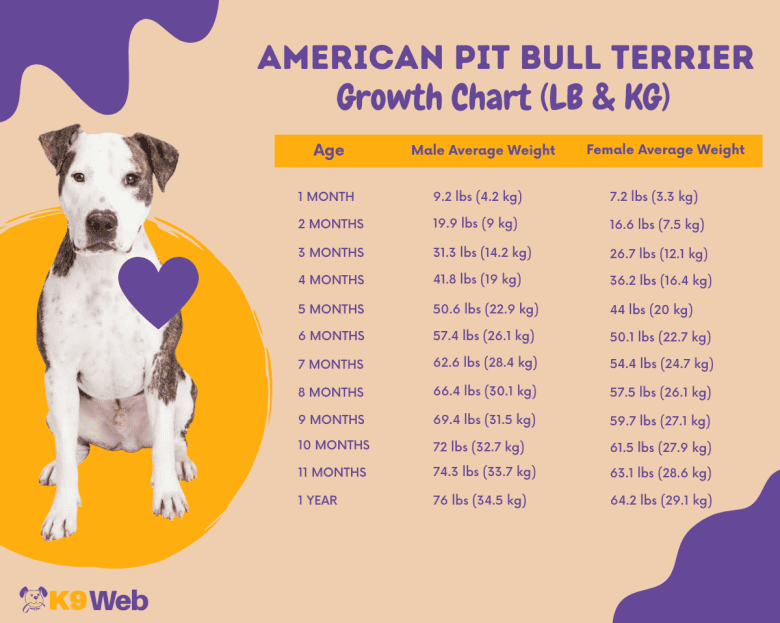






Breed-specific vigor and high pain tolerance necessitate proactive health monitoring and attentive physical care.
Terrier-type breeds often possess a stoic disposition, meaning they may conceal minor injuries or discomfort behind an eager-to-please facade. Regular physical checks of paws, ears, and skin folds help catch minor issues like dermatitis or small scrapes before they escalate. Daily mental stimulation through puzzle toys or scent games proves just as vital as physical exercise for keeping an active mind settled. Satisfying both cognitive and physical needs prevents destructive boredom.
Professional veterinary consultation is necessary whenever unexpected behavioral shifts, persistent lameness, or digestive upsets occur.
Consulting a licensed veterinarian or a certified professional dog behaviorist ensures that any emerging medical or temperament concerns receive an accurate, individualized assessment. While general educational resources provide a helpful roadmap, individual dogs present unique physiological and psychological traits that require expert evaluation. Establishing a collaborative relationship with a veterinary team early in life guarantees proactive preventative healthcare tailored to the specific needs of the animal. Never hesitate to seek professional guidance for specialized care plans.
Fostering a nurturing environment during these formative months creates a resilient and joyful canine companion for years to come.
Supporting a developing dog through patience, proper nutrition, and thoughtful guidance yields a deeply rewarding relationship built on mutual trust. Exploring resources across Dog Training, Dog Health, and Dog Nutrition provides continuous support for every milestone ahead. Visit PetsAnimalsWorld.com regularly to discover more expert-backed insights tailored to your journey.




