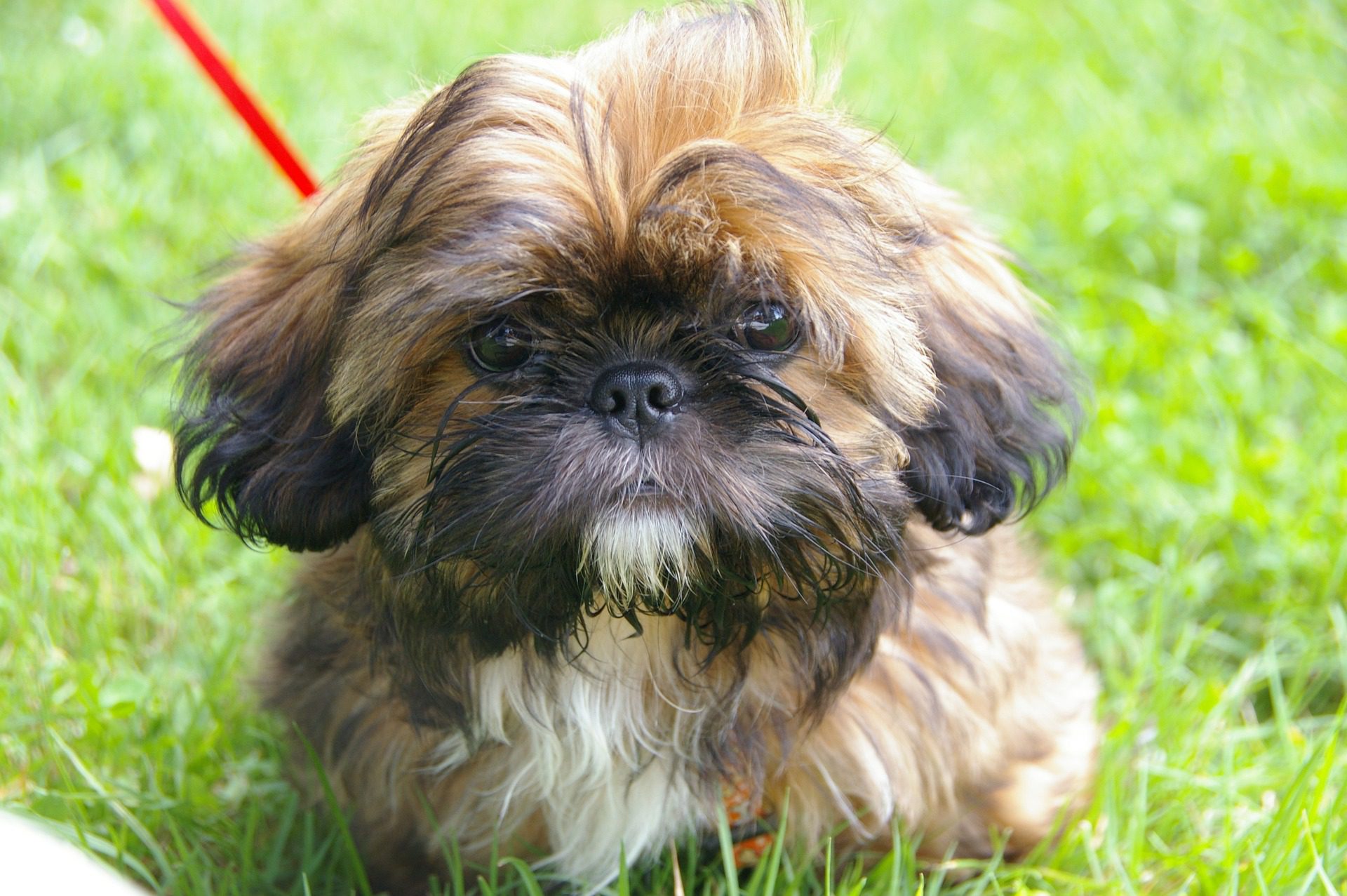
Understanding the Developmental Milestone of a Five-Month-Old Companion
According to the American Kennel Club (AKC), small companion breeds like the Shih Tzu experience rapid neurological and physical growth during their first half-year of life, laying the foundation for their lifelong temperament. Navigating the unique developmental stage of a 5 month old shih tzu requires a blend of patience, consistent structure, and tailored canine care. At this specific age, puppies are transitioning rapidly from clumsy, sleep-heavy infants into curious, boundary-testing adolescents. Professional observations in clinical and training settings frequently reveal that this exact window introduces sudden bursts of independence, making early socialization and gentle boundaries more critical than ever.
💡 Pet Care Key Takeaways:
- Core Focus: Practical health, nutrition, and wellness guidelines for 5 Month Old Shih Tzu.
- Target Scope: Pet owners, animal caregivers, and veterinary support staff.
- Best Recommendation: Maintain consistent daily routines and consult an accredited veterinarian before introducing major diet or medical changes.
Defining the Unique Characteristics of a Developing Shih Tzu Puppy
A 5 month old shih tzu represents a small-breed puppy entering late puppyhood, characterized by active teething, rapid skeletal maturation, and increasing environmental awareness. Shih Tzus are an ancient toy breed, originally bred to reside in imperial palaces, which contributes to their naturally proud yet affectionate demeanor. During the fifth month of life, baby teeth begin falling out to make way for adult dentition. This physiological change often drives an intense urge to chew on household items, fingers, and toys alike. Recognizing this normal developmental phase helps prevent frustration and allows caregivers to redirect chewing habits toward appropriate outlets. For more related activities, check out our Malamute Dog Belgian.
Managing Health, Nutrition, and Physical Development at Five Months
Physical health management at five months focuses on supporting bone growth, providing appropriate caloric intake, and shielding delicate respiratory tracts. Because this breed features a brachycephalic (short-nosed) skull structure, owners must prioritize harnesses over traditional neck collars to prevent tracheal collapse during enthusiastic walks. Furthermore, nutritional requirements shift slightly as growth velocity remains high; commercial diets formulated specifically for small-breed puppies ensure proper nutrient ratios without overloading tiny stomachs. Monitoring weight gain prevents childhood obesity, which places undue stress on short legs and developing joints.
Brachycephalic breeds require special attention to airway health and exercise pacing during warm weather — American Kennel Club (AKC)
Implementing Effective Daily Care and Gentle Guidance Strategies
Establishing predictable daily routines involving short, positive reinforcement training sessions helps channel boundless juvenile energy into desirable habits. Positive reinforcement relies on rewarding calm behavior with high-value treats and praise, effectively shaping actions without inducing fear. House-training regressions frequently pop up at this age as hormones begin to shift, meaning caregivers should return to frequent, scheduled outdoor bathroom breaks paired with enthusiastic rewards. Consistency remains the ultimate key to reinforcing good manners during this impressionable chapter of canine development.
Essential Grooming Habits and Common Pitfalls to Avoid
Desensitizing a young puppy to daily brushing and handling prevents coat matting and grooming anxiety down the road. The luxurious double coat of this ancient palace breed begins transitioning from soft puppy fluff to a denser adult texture around five months of age, making daily maintenance non-negotiable. A common mistake involves using harsh punishment when undesirable chewing occurs; instead, redirecting the puppy to a durable chew toy protects the bond of trust between dog and owner. Patience during coat maintenance sessions ensures the dog learns to view grooming as a bonding experience rather than a stressful chore.
Early coat desensitization significantly reduces grooming-related behavioral stress in adult toy breeds — ASPCA
Temperament Adjustments and Behavioral Expectations for Adolescence
Adolescent behavioral shifts emerge clearly at five months, marked by momentary bouts of selective hearing and heightened environmental curiosity. While these companions remain deeply attached to their human families, their expanding world view means they may occasionally test established household rules. Continuing structured socialization by exposing the puppy safely to new sounds, surfaces, and friendly people ensures they mature into well-adjusted, confident adults. Ignoring socialization during this developmental window can lead to unwarranted fearfulness or reactivity later in life.
Recognizing When to Consult a Veterinary Professional or Certified Trainer
Professional guidance from a veterinarian or a certified behaviorist becomes necessary if persistent health issues or severe behavioral concerns arise. While routine vaccinations and parasite preventatives are typically managed during this general timeframe, any sudden lethargy, persistent gastrointestinal upset, or unusual aggression requires immediate veterinary evaluation. Guidance regarding specific health protocols should always be confirmed directly with a licensed veterinarian who understands the individual health status of the puppy. For behavioral concerns involving fear or extreme anxiety, working alongside a qualified professional ensures humane, science-based intervention.
Supporting Your Growing Puppy Through Every Milestone
Raising a happy, healthy companion is a rewarding journey that requires dedication, education, and deep affection. By understanding the unique physical and mental needs of your young dog, you lay the groundwork for a wonderful lifetime together. To discover more expert-backed insights on puppy development, explore the extensive resources available on PetsAnimalsWorld.com. Deepen your understanding of canine wellness by browsing dedicated guides on Dog Care, learning effective strategies through Dog Training, exploring breed specifics in Dog Breeds, and safeguarding overall wellness with advice found in Dog Health.
Pet Care & Wellness Overview Table
| Life Stage | Daily Activity Level | Key Nutrition / Care Focus |
|---|---|---|
| Puppy / Kitten | High (frequent short bursts) | High-protein growth diet & early socialization |
| Adult Companion | Moderate (30–60 mins daily) | Balanced maintenance nutrition & dental hygiene |
| Senior Pets | Low to Gentle (mindful walks) | Joint support (Glucosamine) & routine vet checks |
Images References