
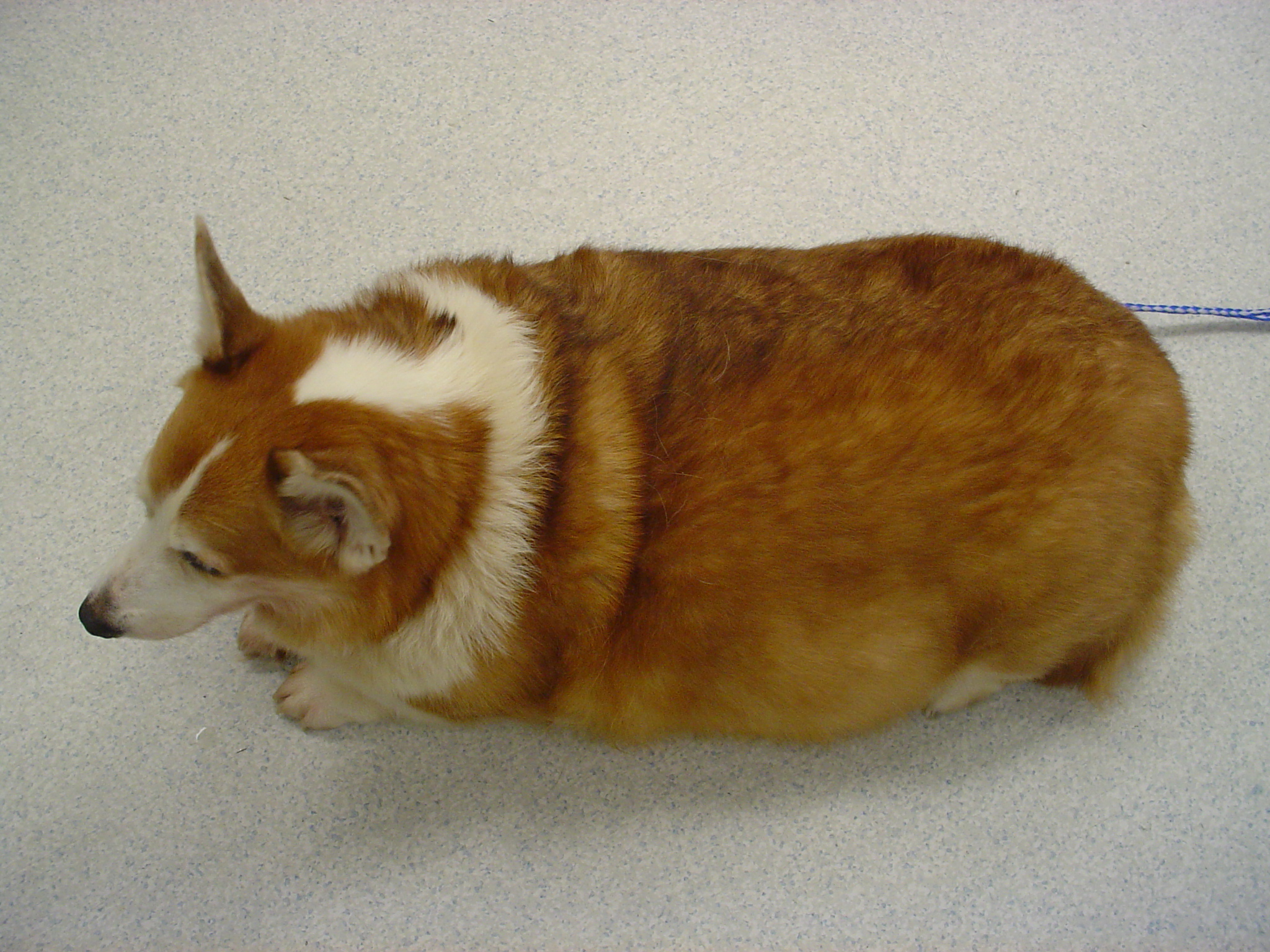
According to the Association for Obesity Prevention, more than half of all companion dogs in the United States are classified as overweight or obese, placing many popular herding breeds at severe risk. Within clinical settings, managing excess weight is one of the most frequent daily challenges veterinary professionals face, particularly with low-slung breeds. Pembroke Welsh Corgis and Cardigan Welsh Corgis possess distinct body types that mask surplus pounds until weight gain becomes advanced. Understanding the physiological reality of corgi dog fat helps protect these beloved companions from chronic illness. Explore more in our Dog Breeds collection.
💡 Pet Care Key Takeaways:
- Core Focus: Practical health, nutrition, and wellness guidelines for Corgi Dog Fat.
- Target Scope: Pet owners, animal caregivers, and veterinary support staff.
- Best Recommendation: Maintain consistent daily routines and consult an accredited veterinarian before introducing major diet or medical changes.
Corgi dog fat refers to the accumulation of excess adipose tissue that compromises a canine’s ideal body condition score and structural integrity.
Adipose tissue, commonly known as fat tissue, acts as an active endocrine organ that secretes inflammatory hormones throughout the body. Corgis are engineered as compact, powerful working dogs with deep chests and short legs, meaning every extra pound exerts heavy mechanical stress on their joints. During routine physical examinations, a healthy corgi should display a distinct waist when viewed from above and a noticeable upward tuck of the abdomen. When surplus weight blurs these natural contours, adipose layers begin padding the ribs and base of the tail heavily. Recognizing this structural shift early prevents long-term joint degeneration. For more related activities, check out our Red Tibetan Mistiff.
Excess body condition scores in dwarf breeds dramatically accelerate the onset of debilitating joint diseases and metabolic disorders.
Chubby corgis face an amplified risk of intervertebral disc disease, abbreviated as IVVD, which is a painful spinal condition where the cushioning discs between the vertebrae degenerate or herniate. Because dwarfism-related skeletal traits already place unique forces on the spinal column, carrying additional weight forces the spine and short limbs to compensate unnaturally. Furthermore, canine obesity frequently triggers insulin resistance, placing extra strain on the pancreas and predisposing the animal to type-two diabetes. Joint cartilage wears down rapidly under heavy loads, leading to early-onset osteoarthritis that robs the dog of its natural herding agility.
Canine obesity reduces a dog’s expected lifespan by up to two and a half years while exacerbating painful inflammatory joint conditions — American Animal Hospital Association
Systematic dietary adjustments and controlled physical conditioning are essential strategies for reducing unwanted adipose tissue safely.
Reversing weight gain requires a precise caloric deficit achieved through measured portions of high-quality food and strict elimination of high-fat table scraps. Commercial dog foods regulated by the Association of American Feed Control Officials provide balanced nutrition, but portion control remains the sole responsibility of the caregiver. Transitioning away from free-feeding toward scheduled meal times using weighed measurements stops accidental overeating. Treats should never exceed ten percent of daily caloric intake, and nutrient-dense vegetables like green beans or carrots make excellent low-calorie alternatives for food-motivated herders.
Avoiding rapid weight loss mistakes ensures metabolic stability while protecting lean muscle mass during a body conditioning program.
Drastic food restriction poses serious health risks, including nutrient deficiencies and dangerous metabolic shifts such as hepatic lipidosis, which occurs when fat accumulates rapidly in the liver. Instead, sustainable weight loss should occur gradually, aiming for a safe percentage reduction per week under professional guidance. Exercise regimens must be tailored carefully to protect fragile joints; low-impact activities like swimming or controlled leash walks on soft ground build core strength without pounding the elbows and hips. Caregivers must monitor energy levels closely and avoid forced jumping or sharp turns that could injure the spine.
Free-feeding practices significantly increase the probability of canine weight gain compared to scheduled, measured daily meals — American Kennel Club
Pet Care & Wellness Overview Table
| Life Stage | Daily Activity Level | Key Nutrition / Care Focus |
|---|---|---|
| Puppy / Kitten | High (frequent short bursts) | High-protein growth diet & early socialization |
| Adult Companion | Moderate (30–60 mins daily) | Balanced maintenance nutrition & dental hygiene |
| Senior Pets | Low to Gentle (mindful walks) | Joint support (Glucosamine) & routine vet checks |
Images References
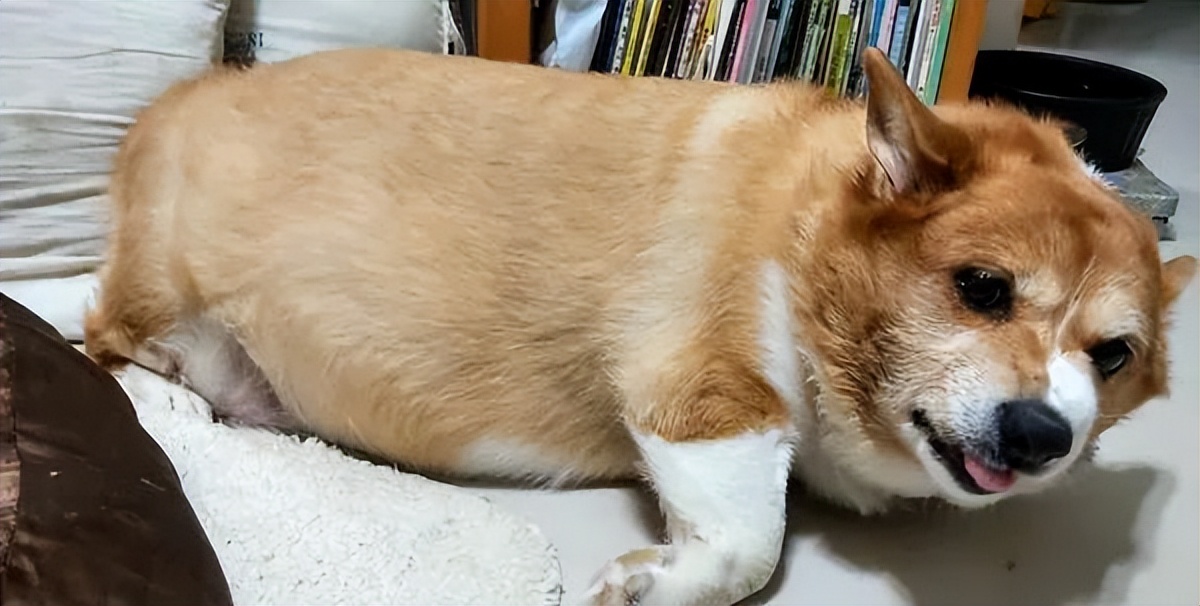


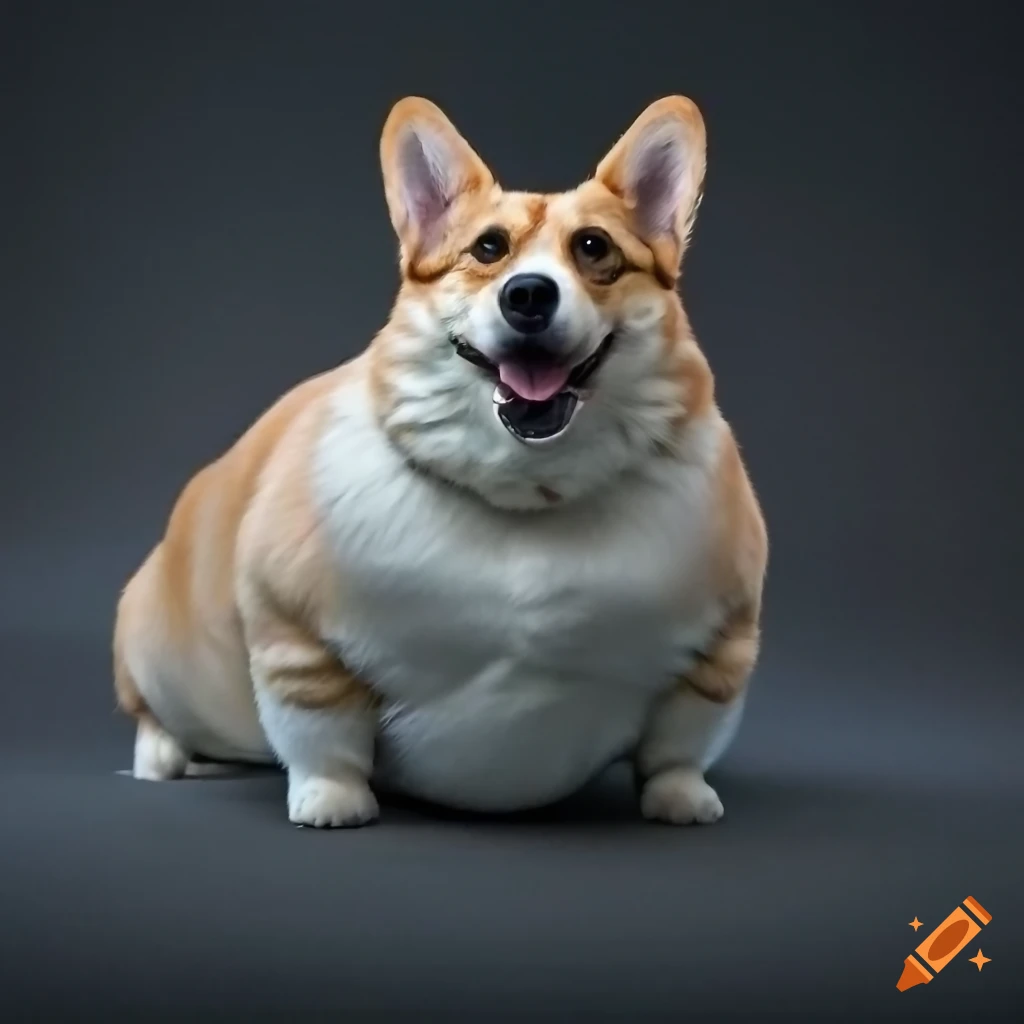


Breed-specific anatomical traits combined with a notorious love for food make this specific herding group exceptionally prone to weight gain.
Corgis were originally bred to drive cattle by nipping at heels and ducking kicks, a task requiring immense energy and a stocky frame built for endurance. Modern companion corgis often lead a much more sedentary indoor lifestyle, yet their ancestral appetite remains entirely intact. This biological drive means they will readily consume far more calories than their daily activity burns, making portion management an absolute necessity. Additionally, their dense double coats hide subtle body changes, requiring regular hands-on body condition checks rather than visual estimates alone.
Consulting a veterinarian or veterinary nutritionist is vital before initiating any drastic weight-loss program or altering a pet’s routine.
Professional medical oversight ensures that underlying endocrine conditions, such as hypothyroidism or Cushing’s disease, are not silently sabotaging weight management efforts. Veterinarians can accurately calculate resting energy requirements and recommend specific therapeutic diets designed to preserve muscle while burning adipose stores. Partnering with a professional guarantees that the reduction plan remains safe, nutritionally complete, and customized to the individual dog’s age, metabolism, and activity level.




