
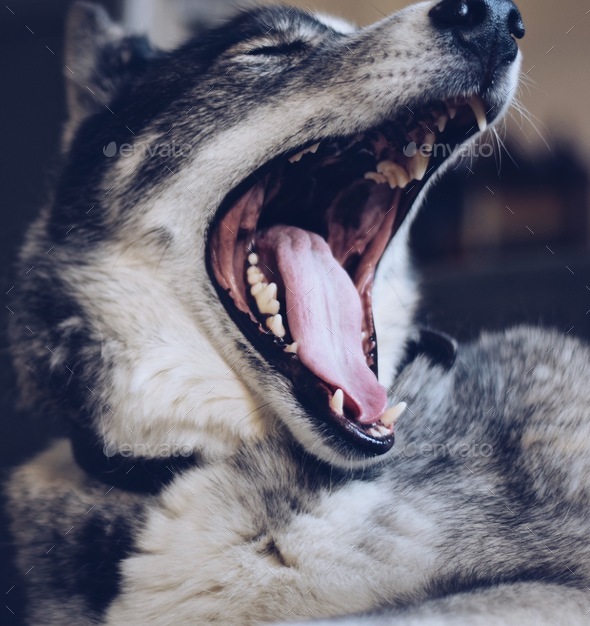
Understanding the unique oral anatomy and behavioral tendencies associated with husky mouth in northern breeds.
According to the American Kennel Club, the Siberian Husky is an ancient working breed developed to pull heavy loads across frozen expanses over immense distances. When interacting with these energetic dogs, owners frequently notice a distinct set of vocalizations, jaw movements, and mouthing behaviors that collectively get described as husky mouth. During routine clinical examinations, professionals often observe that this phrase can refer to either the physical structure of the canine oral cavity or the breed-specific habit of communicating through grumbles, nibbling, and gentle jaw grips. Recognizing the distinction between typical canine communication and actual oral pathology ensures that northern breed guardians can provide proper care while appreciating the distinct personality traits of their companions. Explore more in our Dog Breeds collection.
💡 Pet Care Key Takeaways:
- Core Focus: Practical health, nutrition, and wellness guidelines for Husky Mouth.
- Target Scope: Pet owners, animal caregivers, and veterinary support staff.
- Best Recommendation: Maintain consistent daily routines and consult an accredited veterinarian before introducing major diet or medical changes.
Husky mouth describes a combination of distinct jaw conformation, vocal chatter, and soft-mouth tendencies typical of arctic sled dogs.
Morphologically, Siberian Huskies possess a strong, moderately tapered muzzle with scissor bites designed for grasping without crushing, a trait essential for survival in harsh climates. Beyond physical structure, the term frequently references the breed’s penchant for “talking,” howling, and engaging in gentle mouthing where the dog places its teeth around a human hand or arm without exerting pressure. Working with these intelligent dogs in clinical settings reveals that this behavior rarely stems from aggression; rather, it functions as an enthusiastic expression of social bonding and excitement. Properly channeled, this natural impulse remains a harmless characteristic, though guardians must remain vigilant to distinguish playful nibbling from escalating arousal. For more related activities, check out our 6Month Shitzu Maturing.
Managing husky mouth requires distinguishing between affectionate communication and undesirable mouthing habits that need redirection.
Unchecked mouthing can quickly escalate into a nuisance if puppies are not taught appropriate bite inhibition during their formative developmental stages. When these independent dogs become over-stimulated, their vocalizations and tactile explorations can intensify, potentially bruising sensitive human skin. Handlers should consistently redirect the dog’s attention toward sturdy chew toys whenever exuberant greetings begin to involve teeth. Establishing clear boundaries prevents confusion and teaches the animal that human skin is never an appropriate surface for chewing or gripping.
Proper socialization and positive reinforcement during puppyhood significantly reduce unwanted mouthing behaviors in high-energy working breeds. — American Kennel Club
Addressing husky mouth effectively involves proactive training strategies and providing appropriate physical and mental outlets.
Implementing structured routines helps channel the immense stamina of northern breeds into productive activities that satisfy their natural instincts. Owners should utilize positive reinforcement techniques to reward calm behavior and discourage jumping or excessive mouthiness during greetings. Puzzle toys, agility exercises, and consistent obedience sessions keep the active canine mind engaged, thereby reducing stress-related vocalizations and exploratory chewing around the household. Consistency across all household members remains paramount when establishing these behavioral boundaries.
Avoiding common management mistakes prevents confusion and reinforces positive behavior patterns in high-energy dogs.
A frequent error among new owners involves using physical reprimands or loud scolding, which can inadvertently frighten the dog or stimulate further barking and rough play. Furthermore, allowing inconsistent rules—such as permitting mouthing sometimes while forbidding it at other times—creates severe confusion for intelligent breeds like the Siberian Husky. Caregivers must maintain steady expectations and ensure that every interaction reinforces calm, polite manners rather than frantic excitement.
Behavioral modifications based on positive reinforcement yield higher success rates and foster stronger human-animal bonds than punitive methods. — Association of Professional Dog Trainers
Pet Care & Wellness Overview Table
| Life Stage | Daily Activity Level | Key Nutrition / Care Focus |
|---|---|---|
| Puppy / Kitten | High (frequent short bursts) | High-protein growth diet & early socialization |
| Adult Companion | Moderate (30–60 mins daily) | Balanced maintenance nutrition & dental hygiene |
| Senior Pets | Low to Gentle (mindful walks) | Joint support (Glucosamine) & routine vet checks |
Images References


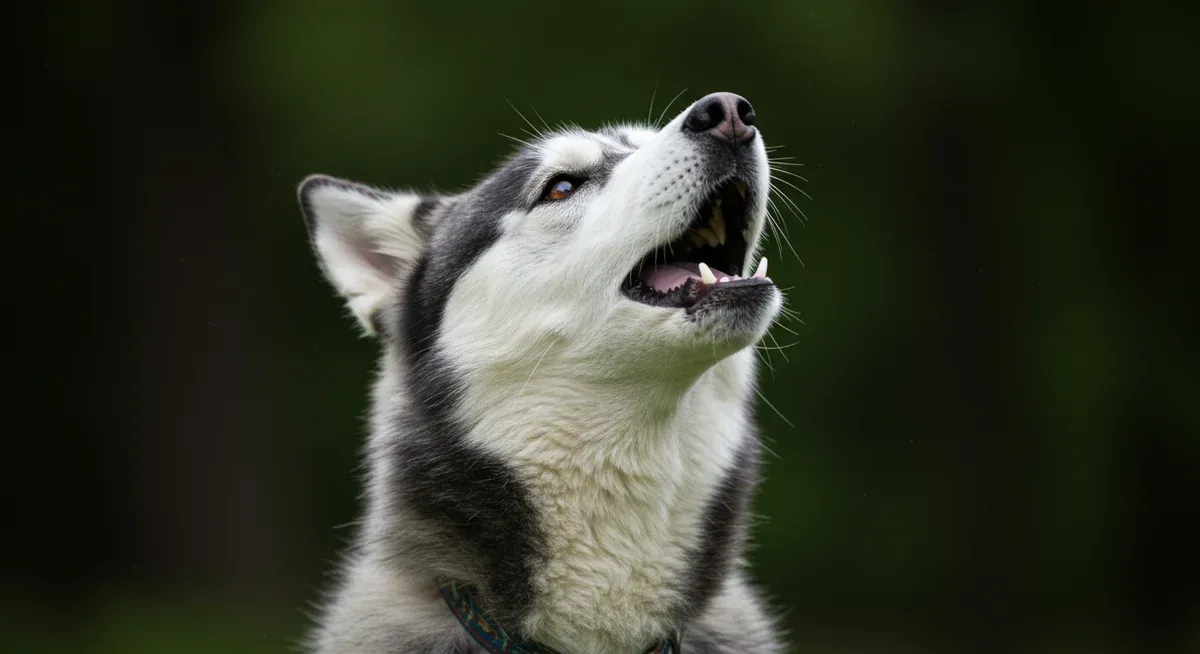
Breed-specific traits and high energy levels heavily influence how husky mouth manifests in daily interactions.
The inherent independence and high prey drive of arctic sled dogs mean that their oral behaviors often tie directly into their historical working background. Young dogs, in particular, explore their environment extensively through their mouths, testing textures and expressing their intense desire for social engagement. Understanding that these actions stem from natural breed characteristics helps owners maintain patience and implement appropriate management strategies tailored specifically to northern canine temperaments.
Consulting a veterinarian or certified behaviorist becomes necessary when husky mouth behaviors involve sudden aggression, pain, or dental discomfort.
Any sudden shift toward hard biting, persistent growling during handling, or signs of oral discomfort warrants a thorough medical evaluation by a licensed veterinarian. Dental issues, such as fractured teeth, periodontal disease, or foreign objects lodged in the oral cavity, can cause defensive reactions that mimic behavioral problems. For persistent behavioral concerns, partnering with a certified professional dog trainer ensures a safe, scientifically sound approach to modifying the animal’s responses without resorting to fear-based methods.
Exploring reliable resources on PetsAnimalsWorld.com helps dog owners better understand canine health, behavior, and care practices.
Deepening your knowledge regarding unique breed traits ensures a harmonious relationship between you and your canine companion. To discover more expert-backed guidance on keeping your canine friend happy and healthy, explore our dedicated sections on Dog Behavior, Dog Training, and general Dog Care. Visit PetsAnimalsWorld.com today to read comprehensive guides crafted by experienced animal professionals designed to support every stage of your pet parenting journey.




