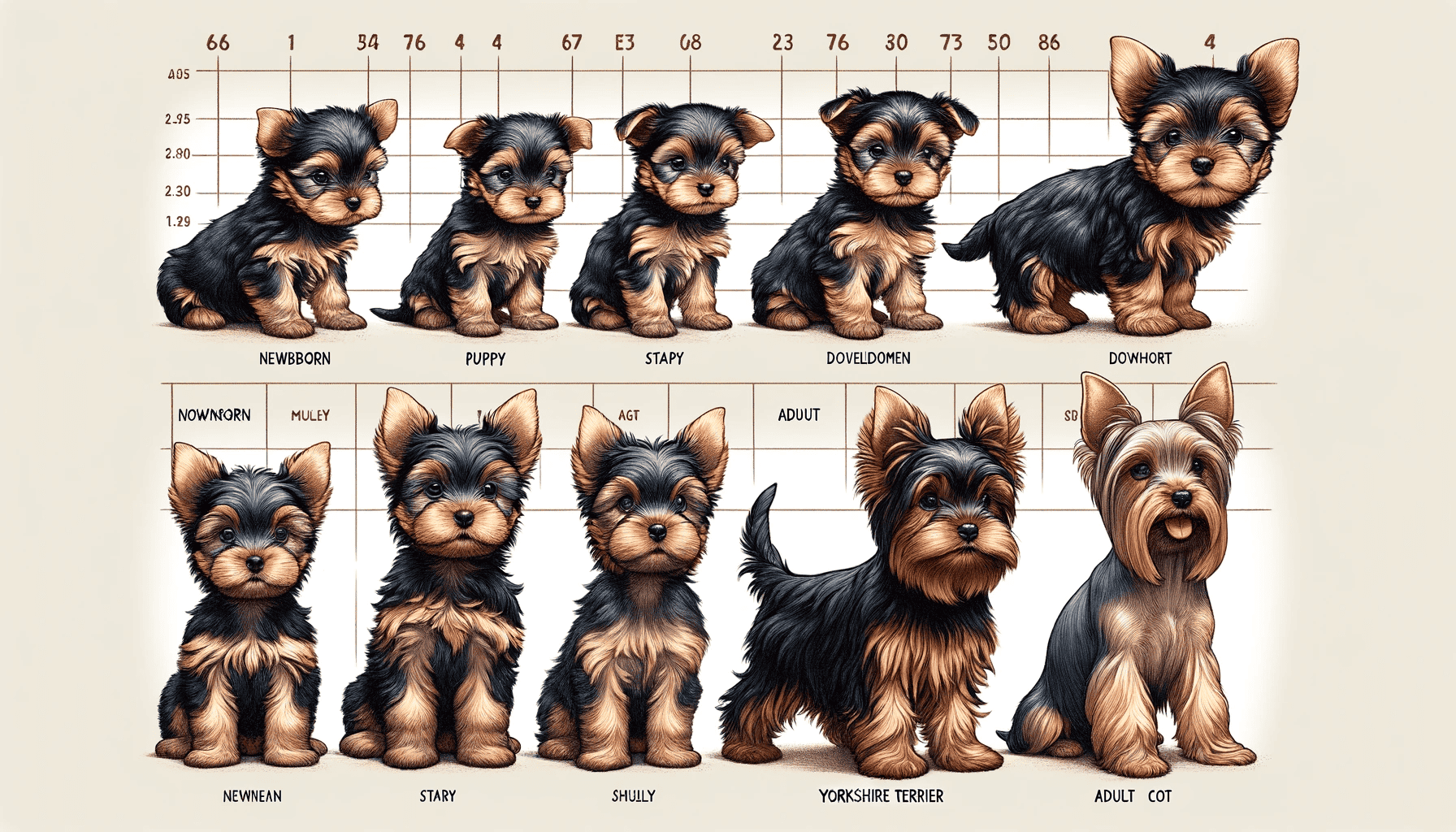
According to the American Kennel Club, small toy breeds undergo rapid physical and neurological development during their early months that shape their lifelong temperament and health. Raising a 5 month old Yorkie requires an intimate understanding of canine maturation, shifting energy levels, and delicate physiological needs. Clinical examination rooms frequently welcome these tiny adolescents as owners navigate sudden bursts of independence, changing sleep schedules, and shifting nutritional requirements. Observing a miniature companion transform from a fragile puppy into an agile, inquisitive adolescent highlights the importance of tailored care. Professional experience in veterinary medicine reveals that the fifth month marks a critical juncture where preventive socialization, balanced nutrition, and gentle boundaries prevent common developmental pitfalls. Recognizing the unique physical stature of the Yorkshire Terrier—historically bred as ratters in the mills of Yorkshire and Lancashire—helps explain their surprisingly tenacious drive wrapped inside a toy-sized frame.
💡 Pet Care Key Takeaways:
- Core Focus: Practical health, nutrition, and wellness guidelines for 5 Month Old Yorkie.
- Target Scope: Pet owners, animal caregivers, and veterinary support staff.
- Best Recommendation: Maintain consistent daily routines and consult an accredited veterinarian before introducing major diet or medical changes.
Understanding the Unique Physiology and Growth Stage of a 5 Month Old Yorkie
A 5 month old Yorkie is a canine adolescent experiencing active skeletal growth, intense teething, and significant cognitive expansion. At this stage, dogs typically weigh between three and six pounds, depending on their genetic lineage, and possess a delicate bone structure that remains vulnerable to blunt trauma. Teething is in full swing as deciduous milk teeth give way to permanent adult dentition, causing frequent chewing behaviors and localized gum inflammation. Furthermore, the iconic silky coat of the breed begins transitioning from the soft, fluffy puppy fuzz to the fine, straight adult hair that requires meticulous grooming maintenance to prevent painful matting. Metabolism remains extraordinarily high, meaning these pint-sized companions burn calories at a rapid rate and face genuine physiological risks if meals are skipped or severely delayed. For more related activities, check out our 4 Month Old Shitzui.
Health and Nutritional Impacts During Canine Adolescence
Nutritional stability directly influences metabolic equilibrium and blood sugar regulation in miniature breeds experiencing rapid growth. Because toy-breed puppies possess limited glycogen storage capabilities in their livers, hypoglycemia—a dangerous drop in blood glucose levels—remains a constant medical risk if proper feeding schedules are neglected. Commercial diets formulated specifically for small-breed puppies by guidelines from the Association of American Feed Control Officials ensure adequate protein, fat, and calcium ratios without overwhelming tiny digestive tracts. Additionally, veterinarians frequently evaluate juvenile joints for patellar luxation, a congenital condition where the kneecap slips out of its normal groove, which can be exacerbated by excessive jumping from high furniture during adolescence. Hands-on clinical practice frequently shows that even minor dietary indiscretions or toxic ingestions, such as accidental chocolate or xylitol exposure, carry disproportionately severe systemic consequences for dogs weighing under ten pounds.
Toy breeds like the Yorkshire Terrier have high metabolic rates and limited liver glycogen storage, making consistent feeding schedules essential to prevent juvenile hypoglycemia. — American Kennel Club
Implementing Effective Care and Positive Reinforcement Strategies
Structured daily routines provide essential emotional security for a young dog navigating rapid hormonal and neurological changes. Positive reinforcement training utilizes high-value, pea-sized treats and enthusiastic verbal praise to encourage desired behaviors such as potty training and polite leash walking. House-training a toy breed demands exceptional patience and vigilance, as their tiny bladders necessitate frequent outdoor breaks following naps, play sessions, and meals. Socialization must continue intentionally through controlled exposures to novel sounds, friendly people, and well-behaved adult dogs to foster a confident, well-adjusted adult companion. Harsh corrections or physical reprimands must be strictly avoided, as these punitive methods can easily damage trust, induce fear aggression, and worsen anxiety in sensitive terrier personalities.
Practical Best Practices and Common Pitfalls to Avoid
Preventing accidental injuries is paramount when sharing a living space with a miniature canine weighing mere pounds. Owners must consistently scan floors for small dropped objects, toxic human foods like grapes or onions, and electrical cords that attract teething puppies. Another frequent mistake involves allowing these tiny dogs to leap freely from elevated sofas or human beds, which places immense shearing force on fragile juvenile joints. Utilizing lightweight harnesses rather than traditional neck collars protects the delicate trachea—the windpipe—from collapsing under sudden leash tension during walks. Incorporating daily tooth-brushing with canine-safe enzymatic paste establishes a vital hygiene routine early, minimizing the need for extensive dental cleanings under anesthesia later in life.
Tracheal collapse is a recognized anatomical vulnerability in miniature breeds, making the use of properly fitted body harnesses strongly preferable to neck collars during leash activity. — American Veterinary Medical Association
Behavioral Shifts and Temperament Nuances in Young Yorkshire Terriers
Adolescence introduces a wave of independence as young dogs test boundaries and exhibit selective listening skills during training sessions. The bold, terrier temperament often surfaces prominently during this window, displaying fearlessness that occasionally borders on reckless defiance toward larger animals. Addressing barrier frustration and leash reactivity early prevents these spirited traits from hardening into chronic behavioral challenges. Providing appropriate outlets for mental stimulation, such as interactive puzzle toys and scent games, satisfies the working heritage of the breed and curbs destructive chewing behaviors. Dedicated owners who maintain consistent, gentle leadership through this developmental phase will watch their independent adolescents mature into loyal, affectionate family members.
Recognizing When to Consult a Veterinary Professional or Certified Behaviorist
Professional guidance becomes necessary whenever a young dog exhibits persistent lethargy, vomiting, refusal to eat, or signs of acute physical pain. Because toy puppies deteriorate rapidly during illness, prompt medical evaluation by a licensed veterinarian ensures safe diagnostic testing and weight-appropriate supportive care. For complex behavioral concerns such as severe separation anxiety, compulsive behaviors, or intense fear responses, consulting a certified professional dog trainer or veterinary behaviorist is strongly advised. Collaborative care between experienced pet owners and qualified animal professionals guarantees that minor developmental bumps never escalate into unmanageable medical or behavioral crises.
Supporting Your Companion Through Every Developmental Stage
Embracing the journey of raising a juvenile toy breed requires patience, education, and unwavering dedication to preventive wellness. By monitoring nutritional intake, safeguarding fragile joints, and fostering positive social experiences, caretakers lay the foundation for a long, vibrant life. Exploring trusted educational resources available at PetsAnimalsWorld.com empowers owners with expert insights into daily Dog Care, balanced Dog Nutrition, and effective Dog Training methodologies. Delve further into breed-specific characteristics within Dog Breeds or monitor physical milestones through Dog Health guides to ensure a thriving, joyful relationship with your cherished companion.
Pet Care & Wellness Overview Table
| Life Stage | Daily Activity Level | Key Nutrition / Care Focus |
|---|---|---|
| Puppy / Kitten | High (frequent short bursts) | High-protein growth diet & early socialization |
| Adult Companion | Moderate (30–60 mins daily) | Balanced maintenance nutrition & dental hygiene |
| Senior Pets | Low to Gentle (mindful walks) | Joint support (Glucosamine) & routine vet checks |
Images References