

According to the American Kennel Club, adolescence in large dog breeds typically begins around six months of age and can extend well past the first year, bringing significant shifts in daily conduct. Labrador Retrievers are famously beloved for their friendly and outgoing dispositions, yet this juvenile stage frequently tests the patience of even the most dedicated households. During this period, canine physiology and neurology undergo rapid development, directly influencing how these animals perceive and interact with the world around them. Recognizing that these challenging actions stem from a natural growth phase rather than stubbornness helps foster a supportive environment for both the animal and the household.
💡 Pet Care Key Takeaways:
- Core Focus: Practical health, nutrition, and wellness guidelines for 8 Mo Old Lab Behavior.
- Target Scope: Pet owners, animal caregivers, and veterinary support staff.
- Best Recommendation: Maintain consistent daily routines and consult an accredited veterinarian before introducing major diet or medical changes.
Understanding 8 mo old lab behavior involves recognizing the peak of canine adolescence combined with high physical stamina.
An eight-month-old Labrador Retriever is essentially a large puppy trapped in an increasingly powerful body, driven by surging hormones and boundless energy. At this stage, cognitive development is still ongoing, which means impulse control remains limited despite the dog’s adult-like size. Professional behaviorists frequently observe that juveniles at this age display a sudden surge in independence, occasionally ignoring previously mastered commands or testing established household boundaries. Furthermore, the chewing phase remains intense because adult teeth are fully settled, and the jaw muscles are growing stronger, creating a profound biological urge to explore objects orally.
Managing adolescent development effectively prevents long-term behavioral issues from taking root.
Addressing these developmental changes early on ensures that temporary growing pains do not evolve into permanent structural problems within the home environment. When physical and mental stimulation needs are ignored, juvenile dogs often resort to unwanted outlets such as destructive chewing, excessive vocalization, or counter-surfing. Providing structured outlets for their natural retrieving instincts helps redirect that formidable drive into positive channels. In clinical practice, routine observation reveals that dogs receiving adequate daily enrichment show significantly fewer stress-related habits compared to under-stimulated counterparts.
Adolescent Labrador Retrievers require consistent daily mental and physical exercise to prevent destructive outlet behaviors during their peak growth phase — American Kennel Club
Implementing positive reinforcement techniques establishes lifelong good habits during this critical transition window.
Consistent reward-based training protocols reinforce desired actions while building a stronger bond between the handler and the canine companion. Rather than relying on punitive measures, which can induce fear or anxiety, professional trainers recommend utilizing high-value rewards to capture and reinforce calm focus. Short, engaging sessions throughout the day keep the dog attentive without causing mental fatigue. For comprehensive guidance on structuring these routines, exploring resources on Dog Training provides valuable insight into effective modern methodologies.
Avoiding common management mistakes ensures smoother progress through the adolescent developmental curve.
One frequent pitfall involves granting too much freedom too soon, which often leads to unsupervised chewing or house-training regressions. Another mistake is failing to adjust exercise intensity to match the growing skeletal structure, keeping in mind that high-impact jumping should be limited to protect developing joints. Utilizing management tools like sturdy crates, interactive puzzle toys, and designated safe zones keeps the environment secure while the dog learns self-regulation. Maintaining clear, predictable rules across all household members prevents confusion and accelerates learning.
Adolescent large-breed dogs benefit significantly from reward-based management that avoids punitive techniques and protects growing joints from high-impact stress — Association of Professional Dog Trainers
Pet Care & Wellness Overview Table
| Life Stage | Daily Activity Level | Key Nutrition / Care Focus |
|---|---|---|
| Puppy / Kitten | High (frequent short bursts) | High-protein growth diet & early socialization |
| Adult Companion | Moderate (30–60 mins daily) | Balanced maintenance nutrition & dental hygiene |
| Senior Pets | Low to Gentle (mindful walks) | Joint support (Glucosamine) & routine vet checks |
Images References


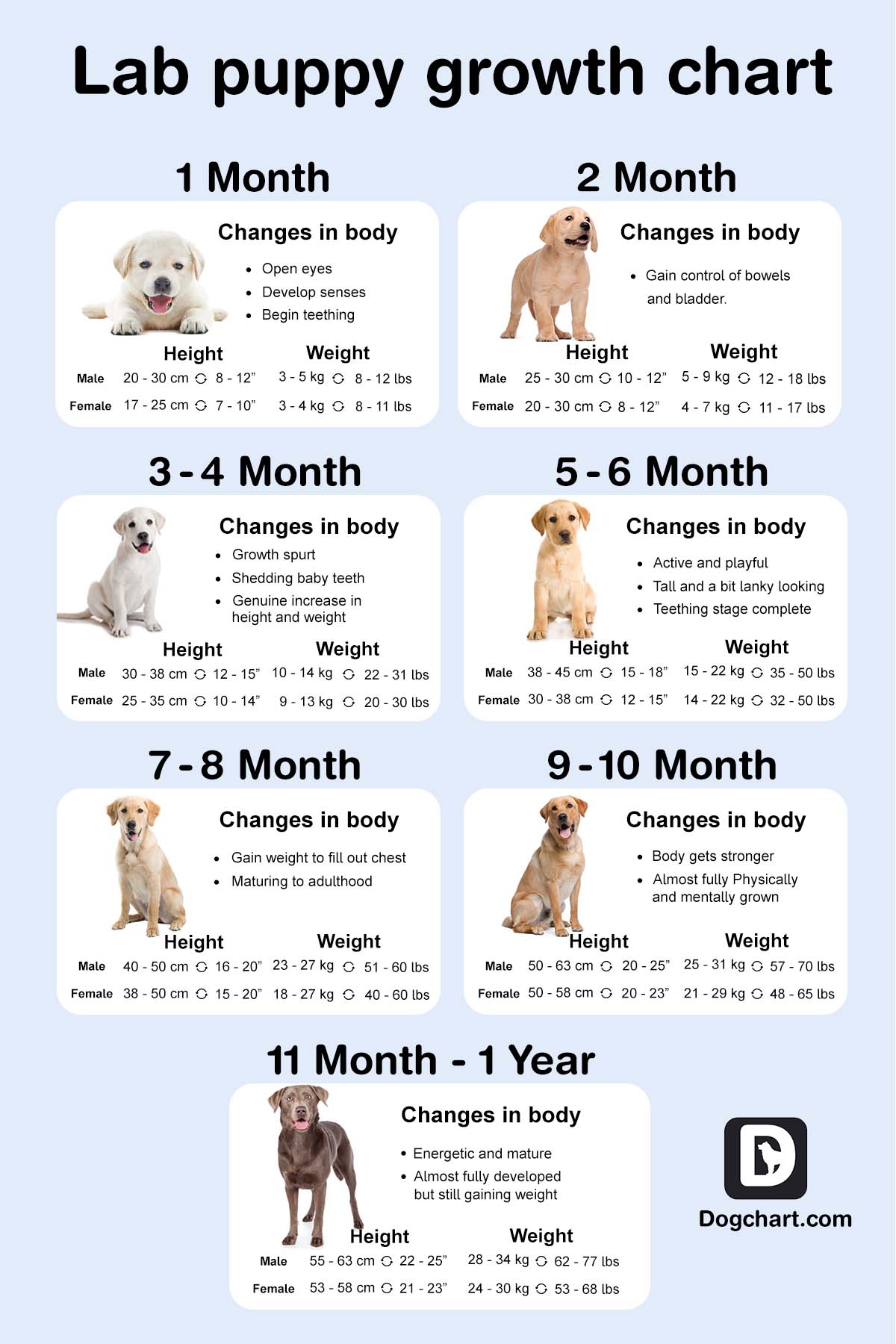

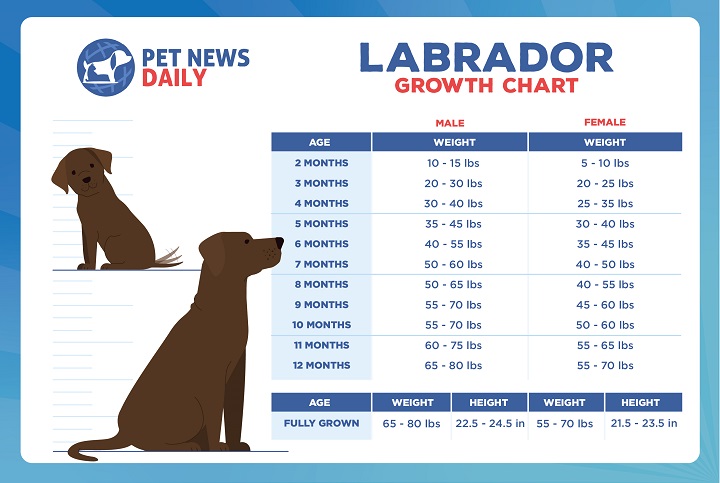
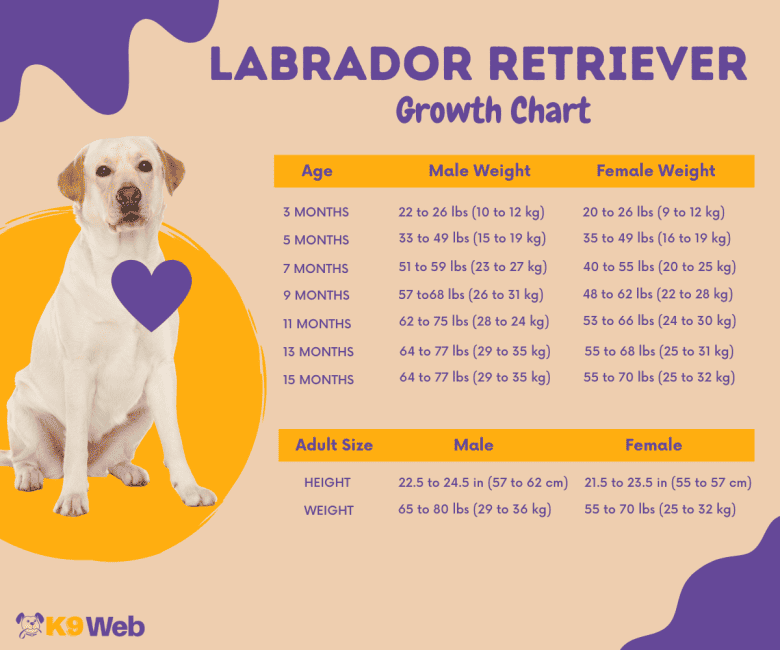

Breed specific characteristics and physical size demand specialized environmental management strategies.
Because the Labrador Retriever is classified as a sporting breed, their innate desire to retrieve and investigate can manifest as intense jumping or mouthing when they greet people. Understanding these breed traits allows families to prepare proper greetings and manage physical space effectively. Additionally, physical growth at this age means that clumsiness is common, as the animal has not yet fully mapped its larger bodily dimensions. To explore more about the foundational traits of this group, reviewing articles within Dog Breeds offers a deeper look into their working heritage.
Knowing when to consult a veterinary professional or certified behaviorist ensures comprehensive well-being.
While typical adolescent turbulence is expected, sudden escalations in fear, persistent reactivity, or complete failure to respond to positive reinforcement warrant professional intervention. A qualified veterinary behaviorist or certified trainer can assess whether underlying medical discomfort or deep-seated anxiety is contributing to the observed actions. General education serves as a helpful foundation, but it is never a substitute for an individual evaluation by a licensed professional. Maintaining open communication with veterinary staff regarding any sudden shifts in daily routines or physical condition is essential for overall health, which can be further supported by insights found in Dog Health.
Supporting a young canine through this dynamic life stage builds the foundation for a stable adult companion.
Guiding an adolescent retriever through its most energetic months requires patience, consistency, and a deep appreciation for the unique nature of the breed. By offering appropriate outlets, maintaining structured routines, and relying on positive reinforcement, households can navigate these challenges with confidence. For additional tips on daily maintenance, nutrition, and behavioral enrichment, continue exploring the wide range of expert resources available at PetsAnimalsWorld.com alongside specialized guides in Dog Care.




