

According to the American Kennel Club (AKC), canine adolescence typically begins around six months of age, bringing a wave of rapid neurological and hormonal developments that alter daily routines. Many households suddenly find themselves questioning the whereabouts of the calm, manageable puppy they welcomed just months prior. During consultation hours, professional behaviorists frequently hear expressions of surprise regarding how quickly a well-mannered companion can turn stubborn or restless. Recognizing these shifts as a normal biological milestone helps reframe frustration into patience, ensuring proper guidance through this pivotal developmental window.
💡 Pet Care Key Takeaways:
- Core Focus: Practical health, nutrition, and wellness guidelines for 7 Months Puppy Changing Behaviors.
- Target Scope: Pet owners, animal caregivers, and veterinary support staff.
- Best Recommendation: Maintain consistent daily routines and consult an accredited veterinarian before introducing major diet or medical changes.
Adolescent canine development marks the transition from puppyhood to maturity
Understanding 7 months puppy changing behaviors requires looking closely at canine neurobiology and hormonal surges. At this age, dogs enter puberty, which triggers a significant remodeling of the brain, particularly within the prefrontal cortex—the area responsible for impulse control and decision-making. Working hands-on in behavior consultations reveals that this phase often mimics human teenagehood, complete with selective hearing, boundary testing, and sudden bursts of high energy. Familiar commands that were mastered weeks ago may temporarily vanish as the adolescent brain processes new sensory inputs and chemical changes.
Behavioral regression and boundary testing impact daily training routines
The impact of these developmental milestones often shows up as sudden disobedience, leash pulling, and an increased reactivity to familiar environments. In practice, a young dog that previously walked politely on a loose lead may suddenly lunge toward distractions as their curiosity peaks and confidence grows. This phase also coincides with a secondary fear period, during which young dogs might display hesitation or wariness toward objects or people they previously accepted without concern. Consistency, positive reinforcement, and structured routines remain essential for navigating these temporary setbacks successfully.
Adolescence in dogs is characterized by hormonal fluctuations and structural brain changes that directly influence impulse control, attention span, and responses to known cues. — American Kennel Club (AKC)
Proactive management strategies support young dogs through adolescence
Addressing 7 months puppy changing behaviors effectively relies on reinforcing foundational obedience while offering appropriate mental and physical outlets. Establishing clear, consistent rules across all household members prevents confusion and reinforces expected conduct during a time when boundaries are naturally tested. Engaging adolescent canines in scent games, puzzle toys, and structured agility exercises helps burn mental energy, reducing the likelihood of destructive chewing or excessive barking. Patience and calm persistence always yield better results than frustration when dealing with a distracted adolescent mind.
Essential techniques and common missteps during the adolescent phase
Avoiding punitive or dominance-based techniques is crucial, as these methods can heighten fear and provoke defensive reactions during a sensitive growth period. Instead of reacting with anger when a command is ignored, redirect the focus toward an alternative, rewarding behavior. Regular socialization should continue carefully, exposing the growing dog to diverse environments without overwhelming their sensory processing limits. Monitoring adolescent health through proper nutrition found in guidance from organizations like AAFCO ensures that growing bones and muscles receive adequate fuel during this rapid development.
Providing consistent positive reinforcement during canine adolescence significantly reduces the incidence of long-term behavioral issues and strengthens the bond between dog and owner. — Association of Professional Dog Trainers (APDT)
Pet Care & Wellness Overview Table
| Life Stage | Daily Activity Level | Key Nutrition / Care Focus |
|---|---|---|
| Puppy / Kitten | High (frequent short bursts) | High-protein growth diet & early socialization |
| Adult Companion | Moderate (30–60 mins daily) | Balanced maintenance nutrition & dental hygiene |
| Senior Pets | Low to Gentle (mindful walks) | Joint support (Glucosamine) & routine vet checks |
Images References


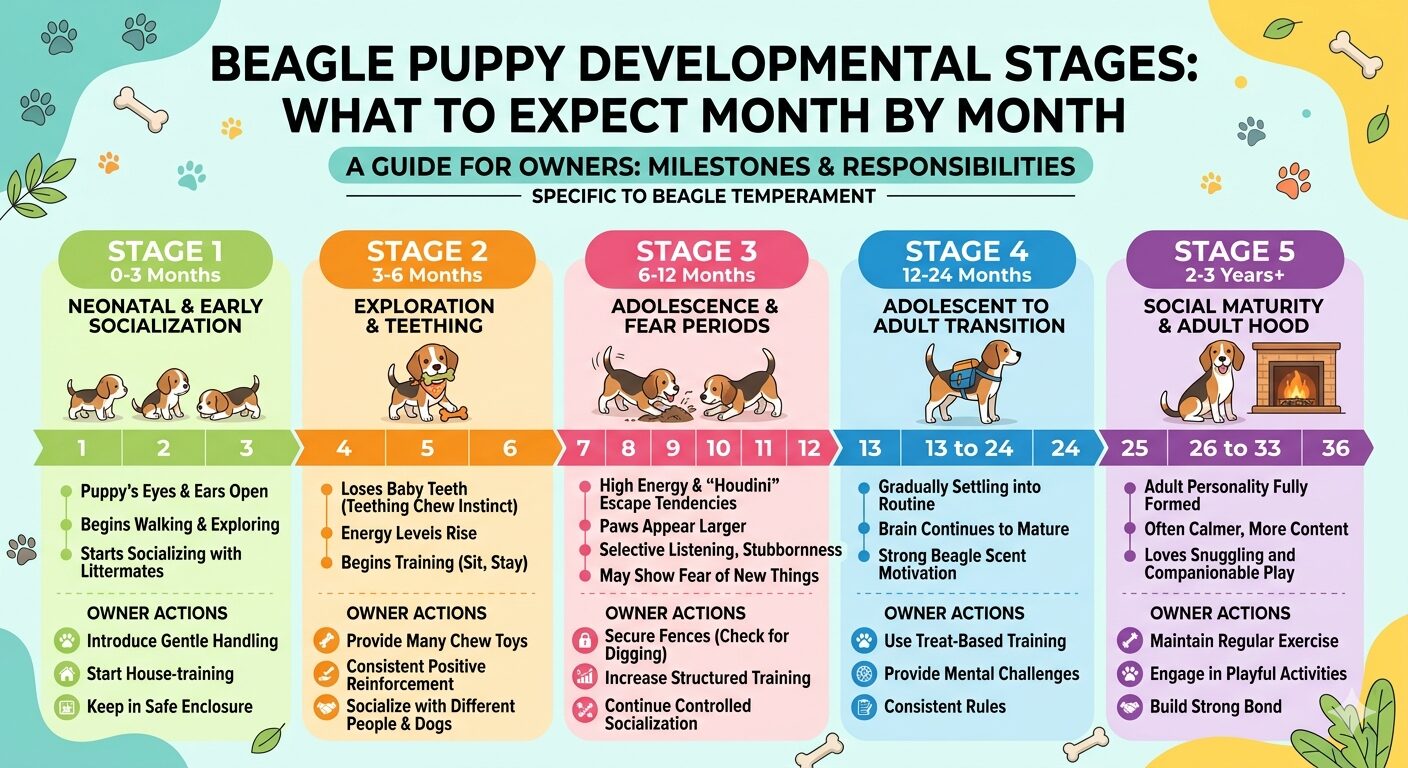


Breed size and temperament dictate the intensity and duration of adolescent shifts
Breed characteristics play a substantial role in how intensely these developmental changes manifest in individual animals. Giant breeds, for instance, retain puppy-like mentalities much longer despite reaching immense physical proportions by seven months of age, requiring careful management of their sheer strength. Conversely, smaller breeds often mature physically at a faster rate, though their behavioral maturity may still lag behind their adult frame. Exploring resources on Dog Breeds offers deeper insights into specific developmental timelines tailored to particular ancestral traits.
Professional guidance becomes essential when behavioral changes involve severe anxiety or aggression
Consulting a certified professional becomes necessary if adolescent behavioral shifts escalate into severe fear, resource guarding, or unprovoked aggression. A qualified behaviorist or veterinarian can rule out underlying medical discomforts, such as growing pains or hormonal imbalances, that might contribute to sudden reactivity. For reliable care strategies that encompass both physical well-being and mental health, exploring sections dedicated to Dog Health and Dog Training provides invaluable expert advice.
Supporting a maturing canine companion through consistent care and understanding
Guiding an adolescent canine through this transformative phase requires equal parts structure, empathy, and vigilance. While the challenges of this age can test household patience, they are entirely temporary when met with calm leadership and positive reinforcement. Discover more expert tips and guidance for every stage of your pet’s life by visiting PetsAnimalsWorld.com, along with comprehensive resources on Dog Behavior and general Dog Care.




