

Understanding the intense chewing phase in young adolescent canines
According to the American Society for the Prevention of Cruelty to Animals, destructive chewing is one of the most common behavioral complaints reported by households raising a young adolescent canine. Walking into a living room to find shredded cushions, ruined footwear, and stripped furniture legs can test the patience of even the most dedicated household. This sudden surge in oral destruction often catches families off guard, especially if the puppy phase seemed relatively manageable. Canine behaviorists frequently observe that households experience a sharp resurgence in household damage right around the canine adolescent milestone. Recognizing the underlying drivers of this intensive chewing phase helps transform daily frustration into constructive management.
💡 Pet Care Key Takeaways:
- Core Focus: Practical health, nutrition, and wellness guidelines for 8 Month Old Dog Chews Everything.
- Target Scope: Pet owners, animal caregivers, and veterinary support staff.
- Best Recommendation: Maintain consistent daily routines and consult an accredited veterinarian before introducing major diet or medical changes.
An eight-month-old dog chewing everything signifies a critical developmental transition
An eight-month-old dog chews everything because this specific age marks a crucial period of adolescent physical development and shifting hormonal influences. During this stage, the permanent teeth are fully set in the jaw, yet the adolescent canine is experiencing a massive surge of exploratory energy and mental restlessness. Canine behaviorists explain that chewing is a self-reinforcing, stress-relieving activity that releases calming endorphins into the brain. When an adolescent animal lacks appropriate mental stimulation or physical outlets, teeth naturally seek out household objects to relieve internal tension. Furthermore, environmental exploration at this age relies heavily on the mouth, turning every chair leg, remote control, and baseboard into a texture to test. For more related activities, check out our Dog Heat Behavior Changes.
The physical hazards and behavioral risks of unchecked chewing habits
Unchecked chewing habits present severe gastrointestinal risks and expensive household property damage if left unmanaged by the caregiver. In veterinary clinics, surgical removal of swallowed foreign objects—known as a gastrointestinal obstruction—frequently involves young dogs that ingested fabric, stuffing, rubber pieces, or splintered wood. Beyond the immediate emergency room threat, allowing an adolescent animal free rein over household items reinforces an unwanted habit loop. Once an object is successfully shredded, the chemical reward of the destruction makes repeating the behavior highly likely in the future. Establishing clear boundaries early protects both the physical well-being of the animal and the longevity of household belongings.
Ingesting non-food items such as clothing, plastic fragments, and foam padding is a leading cause of emergency abdominal surgery in adolescent canines — American Kennel Club
Effective management strategies to curb destructive oral behaviors
Implementing structured management strategies requires a combination of strict environmental control, durable chew toys, and positive redirection techniques. Professional trainers emphasize that prevention serves as the absolute first line of defense; items of value should remain completely out of reach behind closed doors or inside secure storage containers. When an adolescent animal approaches an unauthorized household item, the caregiver should calmly redirect the attention toward an approved chew object, such as a rubber puzzle toy filled with frozen peanut butter. Additionally, establishing predictable daily routines involving vigorous physical exercise and mental enrichment significantly reduces the underlying boredom driving the destructive chewing.
Essential best practices and critical mistakes to avoid during adolescent training
Punishing an animal after the fact for destroying an item is entirely ineffective because canines lack the cognitive capacity to connect the reprimand to a past action. Instead of harsh physical corrections or yelling—which only damages the trusting bond between animal and household—focus entirely on proactive supervision and environmental setup. Consistency across all household members ensures that mixed messages never confuse the growing adolescent. Providing a rotating selection of textures, ranging from tough nylon bones to pliable rubber rings, keeps the animal mentally engaged without encouraging the destruction of household furnishings.
Mental enrichment through interactive puzzle toys and scent games reduces destructive chewing by engaging an adolescent dog’s natural foraging instincts — American Veterinary Medical Association
Pet Care & Wellness Overview Table
| Life Stage | Daily Activity Level | Key Nutrition / Care Focus |
|---|---|---|
| Puppy / Kitten | High (frequent short bursts) | High-protein growth diet & early socialization |
| Adult Companion | Moderate (30–60 mins daily) | Balanced maintenance nutrition & dental hygiene |
| Senior Pets | Low to Gentle (mindful walks) | Joint support (Glucosamine) & routine vet checks |
Images References
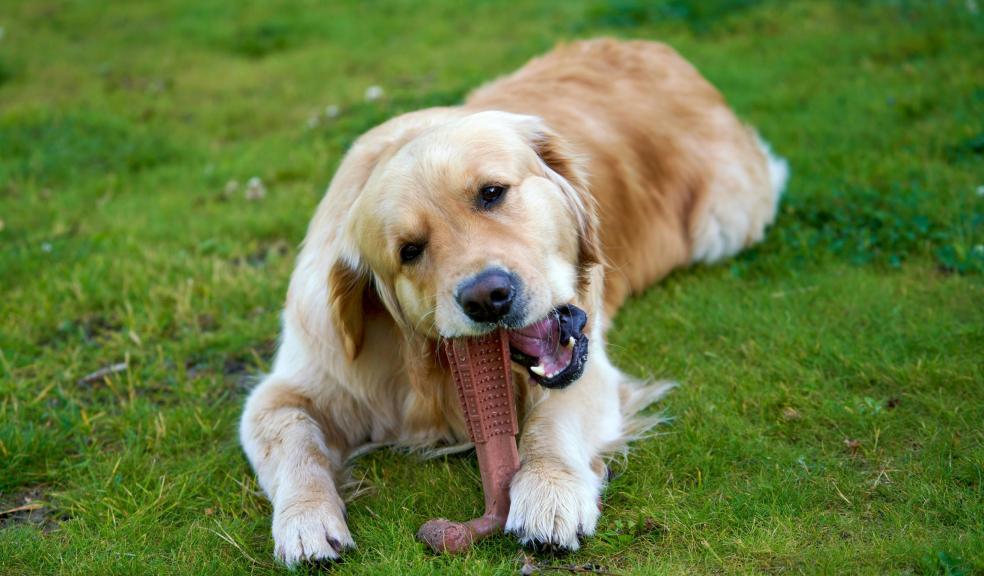






Breed, size, and temperament influences on adolescent chewing intensity
Breed genetics and individual temperament heavily influence how intensely an adolescent animal will chew during this developmental window. Working and sporting breeds, originally bred for high-stamina tasks and heavy physical labor, typically possess much higher jaw strength and mental stimulation requirements than smaller companion breeds. A large-breed adolescent animal can dismantle ordinary rubber items within minutes, requiring heavy-duty commercial chew toys designed specifically for aggressive chewers. Understanding these inherent breed traits allows caregivers to tailor environmental management and toy selection to match the specific physical capabilities of the animal.
When to consult a veterinary professional or certified behaviorist
Consulting a professional veterinarian or certified behaviorist becomes necessary when chewing is accompanied by signs of severe anxiety, self-mutilation, or the ingestion of indigestible materials like drywall and metal. Compulsive ingestion disorders, clinically termed pica, require medical evaluation to rule out underlying nutritional deficiencies, gastrointestinal disorders, or severe psychological distress. Veterinary behaviorists can design specialized, force-free modification plans and, when appropriate, recommend medical interventions to help a deeply anxious animal navigate the turbulent adolescent months safely.
Supporting your adolescent canine through a balanced approach to development
Navigating the challenges of an adolescent animal requires patience, consistency, and a deep understanding of natural canine development. By combining proactive supervision with appropriate mental and physical outlets, households can successfully guide their companions through this demanding phase. Exploring resources on Dog Training, Dog Behavior, and Dog Health provides additional guidance for every stage of development. Visit PetsAnimalsWorld.com to discover expert tips, comprehensive care guides, and valuable insights for nurturing a happy, well-adjusted animal.




