According to the American Society for the Prevention of Cruelty to Animals (ASPCA), behavioral issues are a primary reason young dogs are relinquished to shelters during their first year of life. Recognizing that this stage is temporary helps caregivers maintain patience. An eleven-month-old canine sits firmly in the adolescent phase, bridging the gap between puppyhood and social maturity. Brain development during this period resembles human teenage years, characterized by a surge in hormones and a temporary disregard for established house rules. Consequently, animals that once responded reliably to commands may suddenly display selective hearing or sudden bouts of boundless energy.
💡 Pet Care Key Takeaways:
- Core Focus: Practical health, nutrition, and wellness guidelines for Puppy Behavior At 11Months.
- Target Scope: Pet owners, animal caregivers, and veterinary support staff.
- Best Recommendation: Maintain consistent daily routines and consult an accredited veterinarian before introducing major diet or medical changes.
In a clinical setting, this age often brings inquiries about regression in obedience. Dogs at this stage experience rapid neurological shifts, testing boundaries much like human teenagers. During routine physical examinations, professionals frequently observe that adolescents have adult strength paired with an impulsive puppy mindset. Understanding this neurological backdrop transforms frustration into empathy, allowing households to approach training with consistency rather than anger. For more related activities, check out our Dog Care Electric Collar.
Puppy behavior at 11months reflects a critical stage of canine adolescence marked by boundary-testing and hormonal surges.
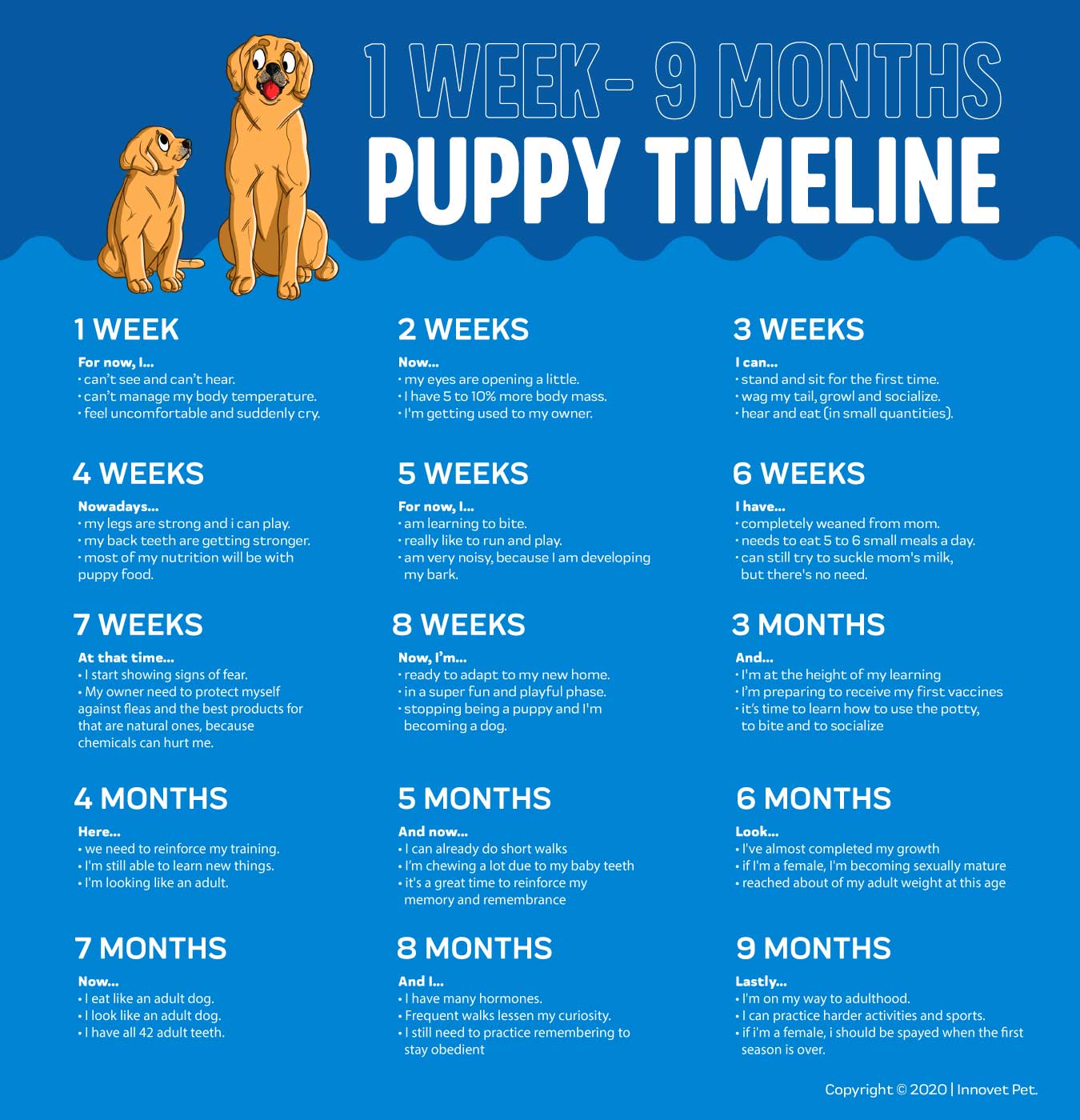
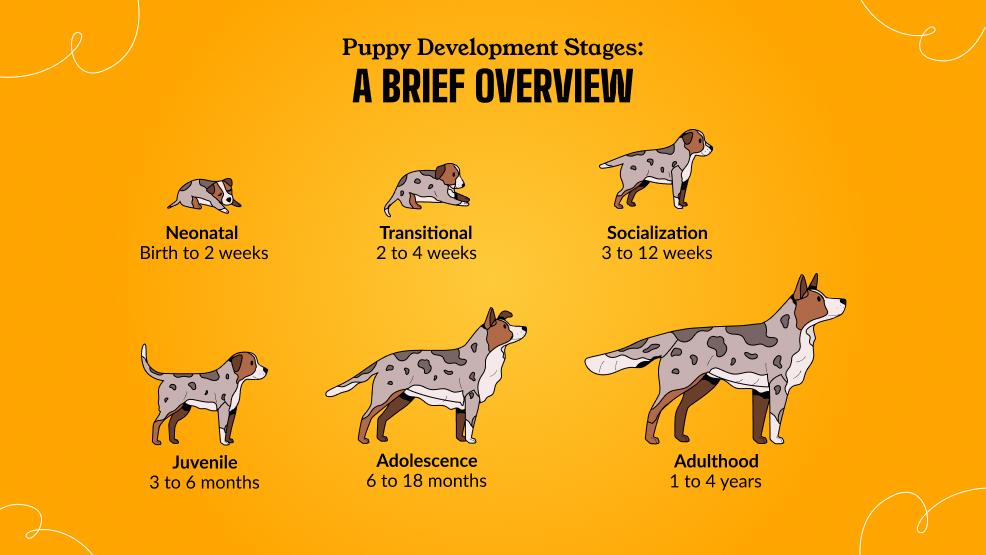
Canine adolescence typically begins around six months of age and can extend well past the first year, peaking in intensity right around the eleven-month mark. During this window, physical growth may slow down, but mental development accelerates in unexpected ways. Canines begin to form independent opinions about their environment, leading to bouts of stubbornness or hesitation around familiar objects. This transitional phase requires a firm commitment to positive reinforcement and structured routines.
Furthermore, secondary sexual characteristics fully emerge around this time if the animal has not been spayed or neutered. Hormonal shifts can trigger changes in scent marking, reactivity toward other dogs, and a heightened interest in exploring territory. Owners often notice an increase in exploratory chewing, as back molars settle permanently into the jawbone and curiosity about novel textures peaks. Providing appropriate outlets for these natural drives keeps household items safe and satisfies the animal’s psychological needs.
Managing adolescent impulses requires balancing physical exertion with mental stimulation to prevent destructive habits.
Addressing the high energy levels typical of this age group involves structured daily exercise and cognitive challenges. Long walks combined with interactive puzzle toys help burn off nervous tension that might otherwise manifest as excessive barking or digging. Canine cognition thrives on problem-solving tasks, which tire a young dog out much faster than physical movement alone. Incorporating short training sessions into daily feeding routines reinforces obedience while engaging the brain.
Mental enrichment activities, such as scent games and puzzle feeders, reduce destructive adolescent chewing by channeling natural foraging instincts into approved tasks — American Kennel Club (AKC)
Consistency remains the bedrock of successful adolescent management. Every member of the household must enforce the same rules regarding furniture access, meal times, and leash manners. Mixed signals confuse a developing mind, leading to increased defiance. Establishing predictable daily patterns gives the animal a sense of security, which naturally lowers anxiety-driven behavioral flares.
Implementing positive reinforcement techniques effectively guides an adolescent dog toward calm, desirable household habits.
Rewarding calm choices immediately encourages the repetition of good manners. When dealing with an exuberant dog that jumps up to greet guests, turning away and waiting for all four paws to touch the floor teaches the animal that politeness yields attention. Food rewards, verbal praise, and toy play serve as powerful currencies during this developmental stage.
Avoiding common training mistakes prevents regression and preserves the bond between human and animal.
Harsh corrections or punitive measures should always be avoided, as fear-based techniques damage trust and can escalate defensive reactions. Certified trainers and behaviorists recommend redirection instead of punishment when unwanted actions occur. For instance, if an adolescent dog begins chewing on a rug, immediately offering a durable chew toy redirects the instinct safely without causing confusion or fear.
Positive reinforcement training strengthens the neural pathways associated with self-control, helping adolescent dogs make better choices when left unsupervised — Association of Professional Dog Trainers (APDT)
Another frequent pitfall involves abandoning socialization efforts just because basic obedience has been established. Ongoing exposure to new environments, sounds, and friendly animals solidifies lifetime confidence. Keeping training sessions short, frequent, and upbeat prevents mental fatigue and ensures the dog remains enthusiastic about learning.
Breed-specific traits and adult size heavily influence how adolescent challenges manifest in everyday life.
Working and herding breeds often display heightened intensity at eleven months, requiring rigorous jobs to manage their powerful work ethic. A Border Collie or German Shepherd at this age possesses immense stamina and needs dedicated outlets like agility training or obedience drills to stay balanced. Conversely, companion breeds might exhibit attachment-based behaviors, requiring careful confidence-building exercises to prevent separation distress.
Size also dictates the urgency of addressing physical exuberance. A giant breed puppy weighing over eighty pounds at eleven months can easily knock over household members during a burst of adolescent play. Early leash walking instruction and impulse control drills are therefore non-negotiable for larger counterparts, ensuring safety for everyone involved as the animal reaches full physical stature.
Consulting a veterinary professional or certified behaviorist ensures sudden behavioral shifts do not stem from underlying medical discomfort.
Sudden changes in temperament, unexpected aggression, or extreme lethargy always warrant a thorough veterinary examination to rule out hidden pain or illness. Conditions like panosteitis, hip dysplasia, or dental pain can manifest as behavioral irritability in young dogs. Partnering with a professional ensures that any physical ailment is addressed promptly alongside behavioral guidance.
For severe reactivity, persistent fear, or compulsive habits, seeking support from a certified behaviorist is invaluable. These specialists design tailored modification plans using science-based, humane methods. Addressing complex behavioral roadblocks early prevents them from becoming permanent lifetime traits, safeguarding the well-being of the entire household.
While eleven-month-old canine behavior can test the limits of patience, this transient stage paves the way for a calm, loyal adult companion. By maintaining consistent boundaries, providing ample mental and physical outlets, and leaning on professional guidance when challenges arise, caregivers can successfully steer their charges through the teenage months. Explore more resources on Dog Behavior, Dog Training, and Dog Health to support your journey. Visit PetsAnimalsWorld.com for continuous insights into Dog Care and Dog Breeds.
Pet Care & Wellness Overview Table
| Life Stage | Daily Activity Level | Key Nutrition / Care Focus |
|---|---|---|
| Puppy / Kitten | High (frequent short bursts) | High-protein growth diet & early socialization |
| Adult Companion | Moderate (30–60 mins daily) | Balanced maintenance nutrition & dental hygiene |
| Senior Pets | Low to Gentle (mindful walks) | Joint support (Glucosamine) & routine vet checks |
Images References