

According to the American Kennel Club, the Golden Retriever consistently ranks among the most popular dog breeds in the world, celebrated for their gentle disposition and intelligence. However, bringing this beloved breed through their teenage months introduces unique daily hurdles. Observing these adolescents in a clinical setting reveals a distinct shift from clumsy puppies into powerful, high-energy juveniles. Transitioning through this developmental stage successfully means recognizing that canine adolescence brings physical growth spurts coupled with fluctuating impulse control. Owners frequently notice that established obedience commands seem to vanish overnight as curiosity and hormones take center stage. Addressing this pivotal phase involves understanding the physiological and behavioral changes occurring beneath that golden coat.
💡 Pet Care Key Takeaways:
- Core Focus: Practical health, nutrition, and wellness guidelines for 8 Month Old Male Golden Retriever.
- Target Scope: Pet owners, animal caregivers, and veterinary support staff.
- Best Recommendation: Maintain consistent daily routines and consult an accredited veterinarian before introducing major diet or medical changes.
Reaching the eight-month mark means a young male dog is in the thick of sexual and social maturation, a period often characterized by boundary-testing and surging energy levels. Physically, male golden retrievers at this age have typically attained most of their height, though they retain a gangly frame and require another year or more to fill out their broad chests and muscular bodies. This awkward growth phase places unusual stress on developing joints, making appropriate exercise management vital for long-term musculoskeletal wellness. Mentally, juvenile dogs experience increased environmental awareness, which can manifest as sudden hesitations or heightened reactivity toward familiar sights. Recognizing the traits typical of Dog Breeds at this stage allows caretakers to tailor their daily routines effectively.
Managing joint health and channelizing boundless energy are the primary health and behavioral priorities during this rapid growth phase.
High-impact activities, such as forced jogging on hard pavement or excessive ball-fetching on slick surfaces, can compromise the integrity of developing cartilage in growing large-breed dogs. Consequently, structured mental stimulation must complement physical exercise to prevent destructive chewing, excessive digging, and barrier frustration around the home. Canine adolescents thrive when given clear boundaries paired with positive reinforcement, which helps stabilize their shifting neurochemistry. In practice, tossing a handful of kibble into the grass for scenting work often tires an exuberant adolescent much faster than a standard walk around the neighborhood. Furthermore, nutrition plays a foundational role; large-breed puppy formulas designed to regulate calcium and phosphorus ratios help mitigate the risk of developmental orthopedic disorders.
Large-breed puppies require strictly controlled calcium-to-phosphorus ratios in their diet to support healthy skeletal development and reduce the incidence of hip dysplasia. — American Kennel Club
Implementing structured daily routines and consistent positive reinforcement transforms adolescent chaos into reliable canine companionship.
Establishing predictable daily schedules helps young dogs regulate their emotional responses and reduces overall household stress. Training sessions should remain brief, upbeat, and highly rewarding, focusing heavily on impulse control exercises like waiting at doors and maintaining a loose leash. When addressing unwanted behaviors such as jumping up or counter-surfing, management strategies that prevent the behavior entirely prove far more effective than reactive corrections. Socialization must also continue purposefully, exposing the adolescent to novel environments, sounds, and well-behaved adult dogs to foster lifelong confidence. Consistency across all household members ensures the young dog receives clear signals regarding acceptable household conduct.
Avoiding common pitfalls like over-exercising, skipping mental enrichment, and using punitive training methods protects the bond between human and dog.
A frequent mistake among guardians of adolescent dogs is assuming that physical exhaustion is the only cure for misbehavior, which often leads to building unwanted physical endurance instead of calmness. Additionally, relying on harsh leash corrections or dominance-based techniques can trigger fear, anxiety, and defensive aggression during this sensitive developmental window. Ignoring early signs of resource guarding or excessive reactivity can likewise allow minor bad habits to solidify into permanent behavioral challenges. Instead, focusing on proactive management, such as utilizing crate training or baby gates, prevents rehearsal of undesirable actions. Patience remains the most powerful tool available, as this intense adolescent phase is temporary and yields a remarkably steadfast adult companion when navigated wisely.
Canine adolescence is characterized by a temporary regression in obedience and an increase in exploratory independence that typically stabilizes by maturity. — Association of Professional Dog Trainers
Pet Care & Wellness Overview Table
| Life Stage | Daily Activity Level | Key Nutrition / Care Focus |
|---|---|---|
| Puppy / Kitten | High (frequent short bursts) | High-protein growth diet & early socialization |
| Adult Companion | Moderate (30–60 mins daily) | Balanced maintenance nutrition & dental hygiene |
| Senior Pets | Low to Gentle (mindful walks) | Joint support (Glucosamine) & routine vet checks |
Images References



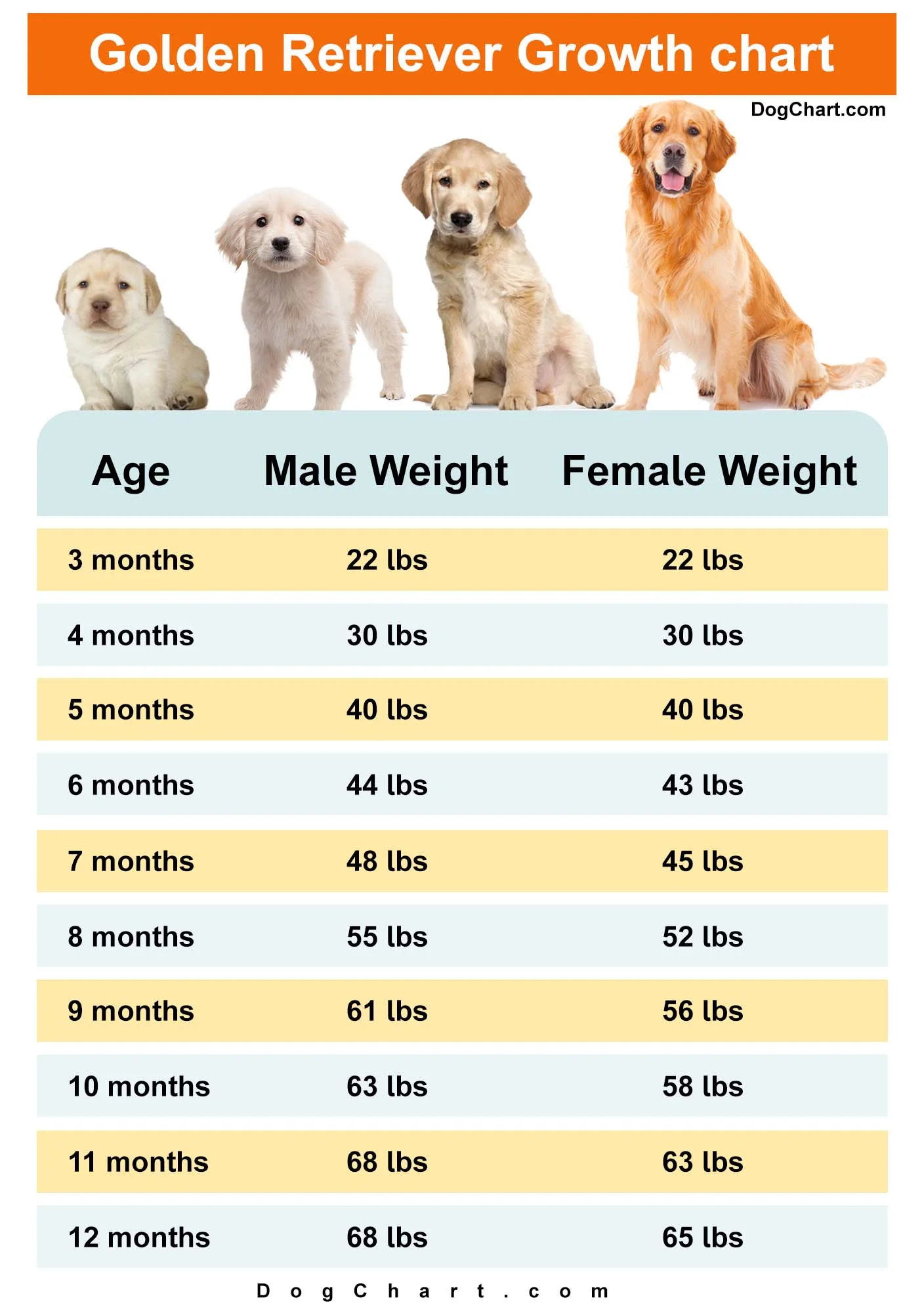

Understanding the specific physiological and temperament milestones of an adolescent male retriever ensures a smooth transition into adulthood.
Male golden retrievers at eight months old frequently display a joyful, albeit overwhelming, enthusiasm for everyone and everything they encounter. Their dense double coats are entering a transitional phase, requiring regular line-brushing to prevent painful matting behind the ears and along the feathering. Hormonal shifts can also spark new interest in marking behaviors or selective listening during walks, requiring renewed dedication to foundational obedience work. Exploring dedicated resources on Dog Training can provide innovative ways to keep adolescent minds engaged and responsive. Providing outlets for their natural retrieving instincts through puzzle toys and tracking games satisfies their deeply ingrained breed heritage.
Consulting a veterinarian or certified professional behaviorist is essential when encountering sudden behavioral regression or persistent health concerns.
While normal teenage rebellion is expected, any sudden onset of severe fear, unprovoked aggression, or persistent lethargy warrants a thorough medical evaluation by a qualified veterinarian. Medical conditions such as panosteitis, commonly known as growing pains, or gastrointestinal sensitivities can manifest as behavioral changes in young dogs. When behavioral challenges feel overwhelming or unsafe, partnering with a certified professional who utilizes science-based, humane methods ensures the safety of both the dog and the household. Professional guidance helps tailor interventions to the individual dog’s temperament, ensuring long-term success and emotional well-being. Regular veterinary wellness checks remain the cornerstone of preventative care throughout adolescence.
Supporting a young golden retriever through his adolescent months strengthens a lifelong bond built on trust, consistency, and expert guidance.
Guiding an eight-month-old male retriever requires dedication, but the investment pays dividends in the form of a loyal, well-adjusted adult dog. By prioritizing proper nutrition, safe exercise limits, and positive reinforcement, caretakers lay the groundwork for years of joyful companionship. Exploring comprehensive resources across Dog Care and Dog Health on PetsAnimalsWorld.com empowers owners with the knowledge needed for every life stage. Embrace this energetic chapter with confidence, knowing that consistent, compassionate leadership will successfully steer the young retriever toward maturity.




