

According to the American Society for the Prevention of Cruelty to Animals, adolescent dogs undergo significant neurological and hormonal shifts that frequently manifest as challenging outbursts in the home. Many households suddenly find themselves managing a whirlwind of chaotic actions just as their canine companion reaches physical maturity. This stage catches numerous caretakers off guard, transforming a once-manageable juvenile into an energetic bundle of overwhelming habits. Understanding the root causes of these disruptions is the first step toward restoring household harmony. Transitioning through this phase requires patience, consistency, and a clear grasp of canine development.
💡 Pet Care Key Takeaways:
- Core Focus: Practical health, nutrition, and wellness guidelines for 9-Month-Old Desexed Puppy Humping Jumping Biting Behavior.
- Target Scope: Pet owners, animal caregivers, and veterinary support staff.
- Best Recommendation: Maintain consistent daily routines and consult an accredited veterinarian before introducing major diet or medical changes.
Professional consulting rooms often receive anxious inquiries regarding adolescent canine conduct, particularly when multiple disruptive patterns happen simultaneously. Observing a dog in a clinical or training setting reveals that these energetic displays are rarely acts of malice. Instead, they represent an overflow of physical energy, communicative frustration, and a testing of newly established boundaries. Recognizing this distinction helps caretakers respond with effective management rather than frustration. Establishing a predictable routine provides a secure foundation for navigating these turbulent months successfully. For more related activities, check out our Dog Unusual Behavior.
Decoding Mounting, Pouncing, and Mouthing in Adolescent Dogs
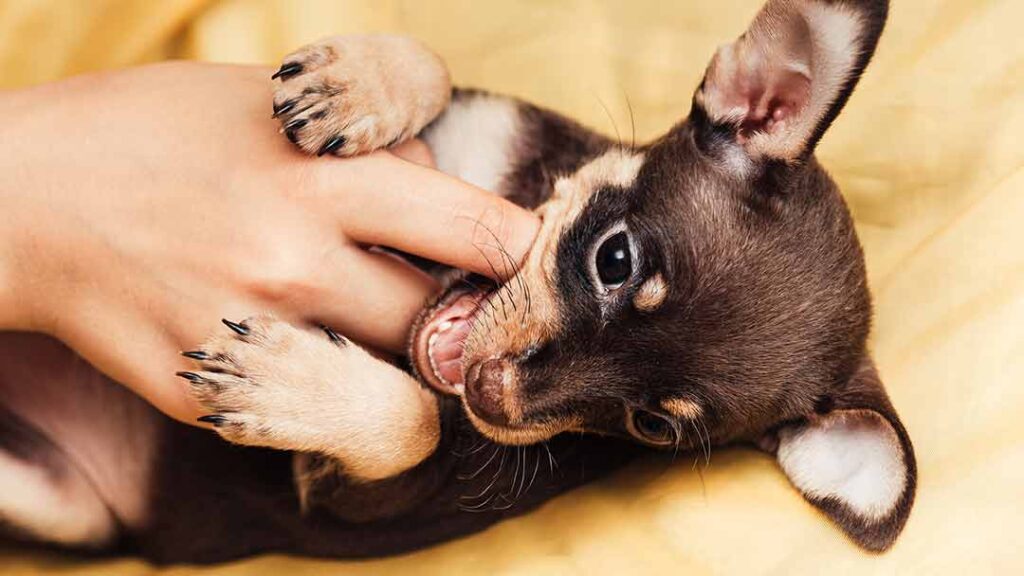
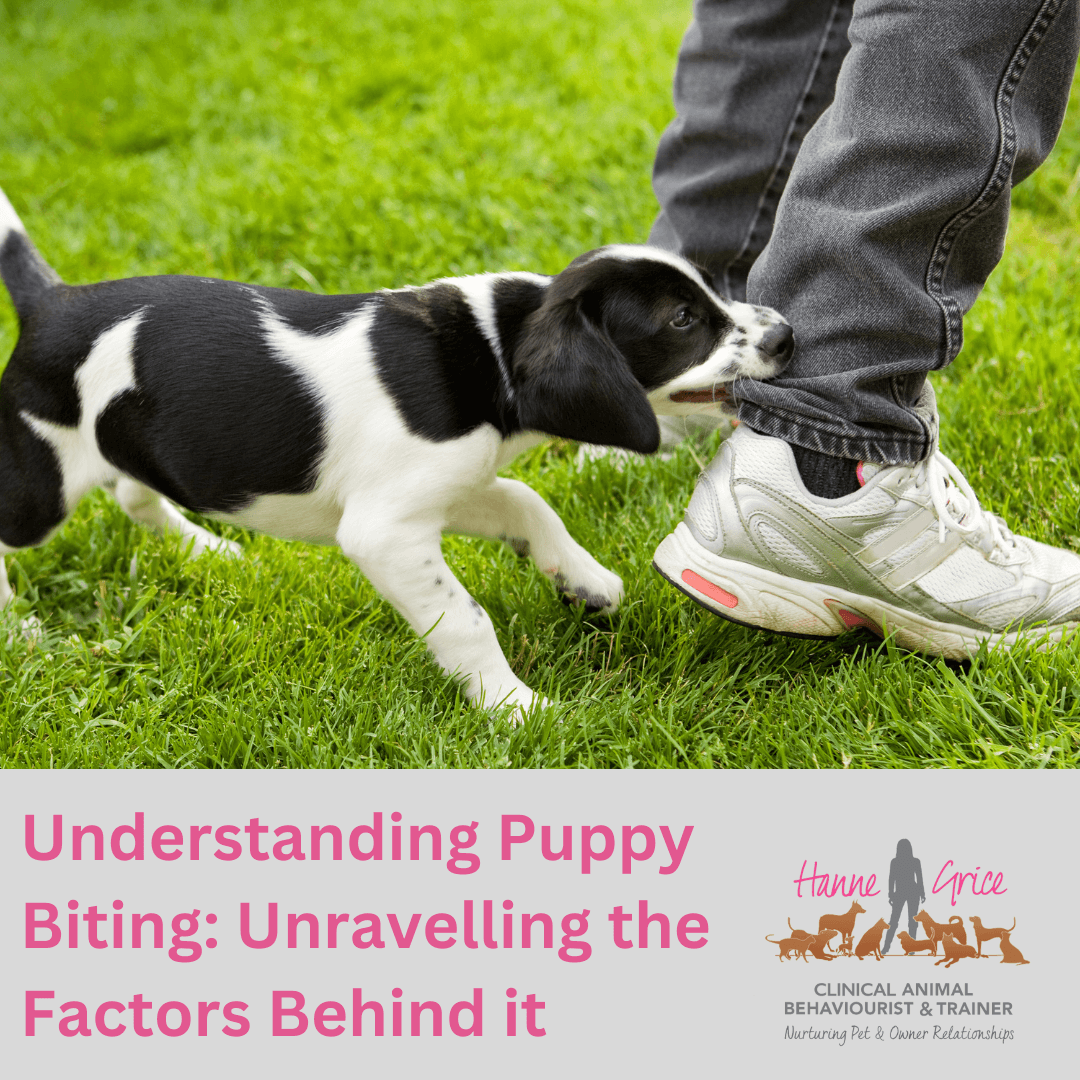
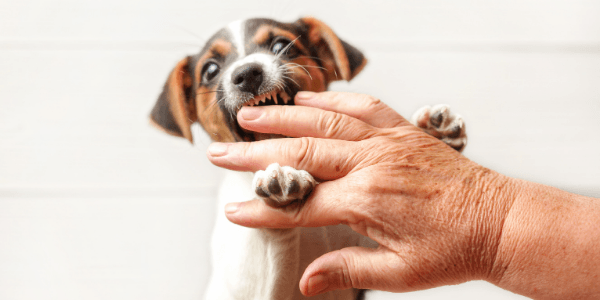
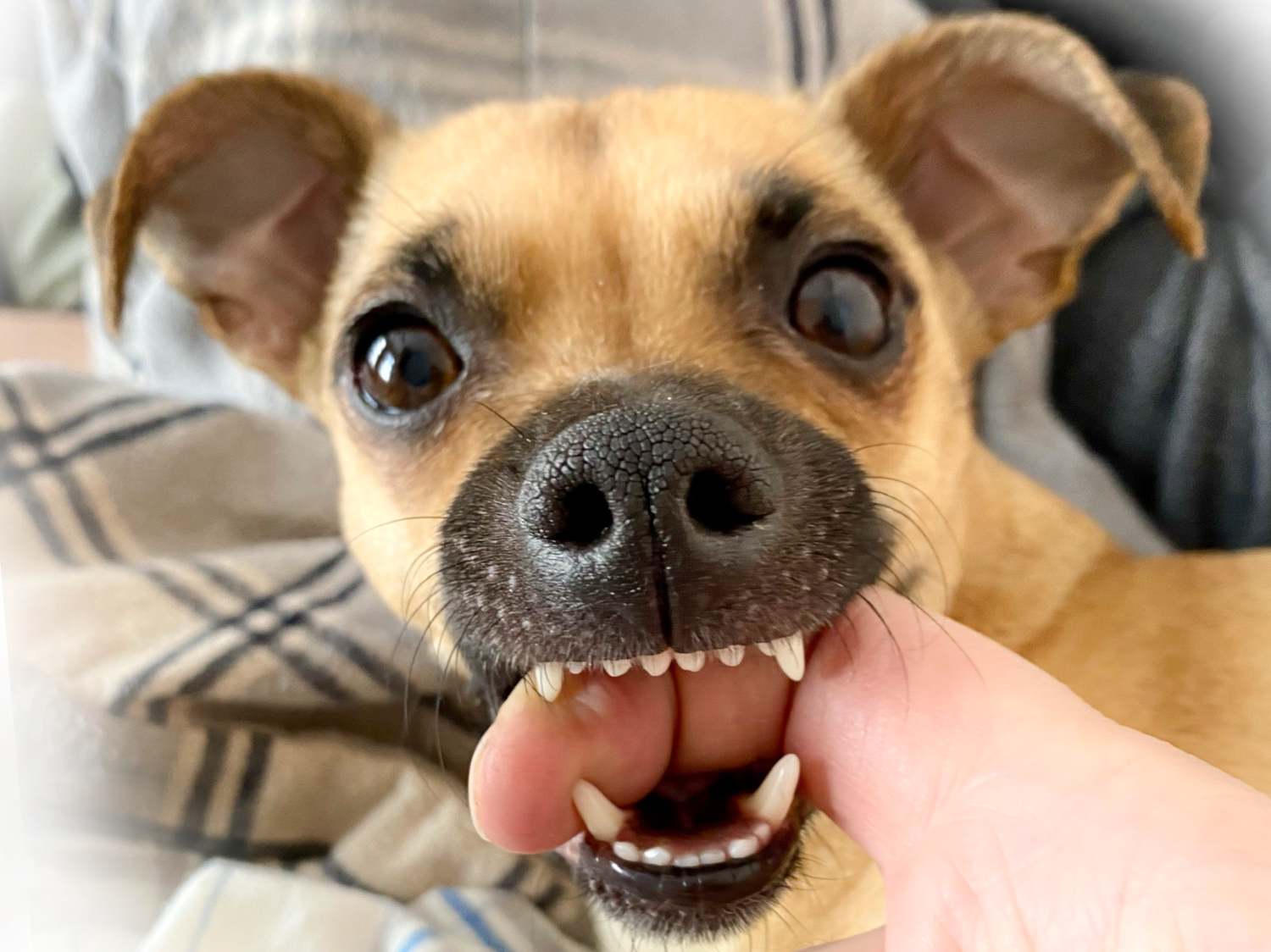
Mounting, pouncing, and mouthing in a young canine typically stem from overarousal, pent-up energy, and self-reinforcing play rather than purely sexual motivation. Even though the animal has undergone gonadectomy—the surgical removal of reproductive organs commonly known as being desexed—hormonal levels fluctuate during adolescence while the brain continues to mature. Pouncing serves as an instinctive predatory rehearsal, while gripping objects or clothing with the teeth functions as a tactile method of exploration and stress relief. When these three habits combine, caretakers often feel besieged by a relentless whirlwind of paws and teeth.
In hands-on behavioral practice, it is common to observe adolescent canines resorting to these physical displays the moment household activity spikes. Excitement triggers a surge of adrenaline, and without an appropriate outlet, the animal’s self-control quickly disintegrates. The mounting action itself often functions as a physical coping mechanism for stress, serving the same purpose as pacing or whining in humans. When the animal engages in these simultaneous displays, redirecting their focus toward an incompatible behavior breaks the cycle of high-arousal rehearsal.
The Impact of Adolescent Outbursts on the Human-Animal Bond
Unchecked adolescent behaviors can strain the relationship between caretakers and their young animals, occasionally leading to housing instability or isolation for the pet. Constant jumping can inadvertently knock over children or elderly family members, while sharp puppy teeth tear clothing and break skin, creating an environment of stress. Furthermore, mounting guests or household furniture introduces social friction that forces caretakers to keep their companion sequestered during visits. Addressing these concerns proactively prevents ingrained habits from hardening into permanent adult patterns.
Adolescent dogs experiencing sudden behavioral regressions often benefit significantly from structured mental enrichment combined with consistent physical outlets — American Kennel Club
Ignoring these patterns rarely results in spontaneous resolution, as repetition solidifies the neural pathways associated with these actions. Each successful jump or mouthing episode rewards the animal with attention, movement, or a release of tension, reinforcing the habit. Maintaining clear guidelines across all family members ensures the animal receives unambiguous feedback regarding acceptable interactions. Implementing management strategies protects both household peace and the animal’s social development.
Effective Management and Training Strategies for High-Energy Adolescents
Managing complex behavioral displays requires a combination of environmental control, positive reinforcement, and teaching alternative responses. When the animal initiates an outburst, removing attention by turning away calmly eliminates the social reward driving the action. Introducing structured impulse-control exercises—such as waiting patiently before receiving food or toys—teaches the animal to regulate their internal arousal levels. Consistent redirection toward appropriate chew items satisfies the tactile urge without encouraging aggressive human-directed play.
Common Pitfalls to Avoid During Canine Adolescence
Utilizing punitive corrections or physical reprimands during high-arousal episodes frequently escalates the animal’s anxiety and intensity. Shouting or pushing the animal away can easily be misinterpreted as a game of rough play, inadvertently rewarding the disruptive habits. Additionally, inconsistent rule enforcement confuses the developing adolescent, prolonging the phase of boundary-testing. Maintaining a calm, neutral demeanor teaches the animal that frantic displays achieve precisely the opposite of their intended goal.
Positive reinforcement training methods build stronger long-term compliance and reduce fear-based responses compared to traditional dominance-based techniques — Association of Professional Dog Trainers
Pet Care & Wellness Overview Table
| Life Stage | Daily Activity Level | Key Nutrition / Care Focus |
|---|---|---|
| Puppy / Kitten | High (frequent short bursts) | High-protein growth diet & early socialization |
| Adult Companion | Moderate (30–60 mins daily) | Balanced maintenance nutrition & dental hygiene |
| Senior Pets | Low to Gentle (mindful walks) | Joint support (Glucosamine) & routine vet checks |
Images References



Another frequent misstep involves failing to provide adequate mental stimulation alongside physical exercise. An adolescent canine requires problem-solving activities, scent games, and structured training sessions to tire the brain as effectively as a long walk tires the body. Neglecting mental enrichment leaves the animal searching for their own outlets, which frequently manifests as the very behaviors caretakers find most frustrating. Balancing both forms of exertion creates a calmer, more balanced companion.
Breed-Specific Variations and Temperament Considerations
High-energy working breeds and large sporting dogs often exhibit these intense adolescent characteristics with greater physical force than smaller companion animals. Herding lineages, for instance, possess an innate drive to nip at moving ankles and control their environment through physical positioning. Recognizing these breed-specific traits allows caretakers to tailor their management approach to match the animal’s biological predisposition. Understanding that genetics play a major role in these displays fosters greater empathy during challenging training phases.
Age-related milestones also dictate the duration and intensity of these adolescent phases, with larger breeds typically maturing at a slower rate than smaller counterparts. While a toy-breed dog might settle down quickly, a large guardian or retriever mix may maintain adolescent exuberance well past the one-year mark. Monitoring subtle improvements in self-control provides encouragement during months that can otherwise test a caretaker’s resolve. Patience combined with structured guidance remains the most reliable path through this developmental bridge.
When to Seek Professional Guidance for Behavioral Concerns
Consulting a qualified professional becomes essential if the physical displays escalate into true aggression, guarding tendencies, or unprovoked snapping. A certified veterinary behaviorist or professional trainer can assess whether underlying medical discomfort contributes to the sudden behavioral changes. Conditions such as juvenile orthopedic pain or hidden gastrointestinal distress frequently manifest as erratic physical outbursts and sudden agitation. Prioritizing a veterinary checkup rules out physiological contributors before designing an advanced modification plan.
Partnering with a certified force-free professional ensures that any intervention strategy remains safe, humane, and tailored to the specific needs of the household. Comprehensive support helps caretakers decode complex canine communication signals and implement management tools tailored to their unique living situation. Exploring resources dedicated to Dog Training and Dog Behavior offers additional insights into adolescent development. By combining professional expertise with daily dedication, households successfully guide their young companions into becoming well-adjusted adult pets.
Guiding Your Canine Companion Through Growth
Navigating the challenges of canine adolescence demands resilience, clear communication, and a commitment to positive reinforcement practices. While managing these multifaceted displays requires daily effort, the reward is a confident, balanced adult animal who understands household expectations. Exploring additional educational resources on Dog Health and Dog Care ensures every aspect of your companion’s development receives proper attention. Visit PetsAnimalsWorld.com for further guidance on supporting your animal through every stage of life.




