

Understanding the developmental milestones of a four-month-old canine companion requires patience and insight into canine psychology.
According to the American Kennel Club, juvenile canines undergo rapid neurological and physical transformations during their early months of growth, significantly shaping their lifelong temperament. As professional behaviorists observe in daily practice, reaching the four-month mark introduces a fascinating blend of independence, heightened curiosity, and boundary testing. During clinical consultations, caregivers frequently express surprise at how quickly a docile infant transforms into an energetic, opinionated youngster. Recognizing the underlying drivers of canine development helps transform potential frustration into meaningful bonding opportunities. Consequently, mastering positive reinforcement strategies during this window lays a rock-solid foundation for future obedience, making comprehensive guidance on Dog Behavior indispensable for every household.
💡 Pet Care Key Takeaways:
- Core Focus: Practical health, nutrition, and wellness guidelines for 17 Week Old Puppy Behavior.
- Target Scope: Pet owners, animal caregivers, and veterinary support staff.
- Best Recommendation: Maintain consistent daily routines and consult an accredited veterinarian before introducing major diet or medical changes.
At this specific age, canine youngsters enter a crucial transition period bridging early infancy and adolescence. Neurologically, the brain is forming complex pathways that govern impulse control, though those pathways remain largely under construction. In practical terms, a young dog might suddenly ignore previously mastered cues or display sudden bursts of selective hearing. Furthermore, teething reaches a peak intensity around this timeframe, causing an urgent need to chew on furniture, shoes, and hands. Exploring the world primarily through the mouth is entirely natural, yet it requires careful redirection to establish acceptable household boundaries. Professional trainers note that juvenile persistence often spikes now, requiring consistent leadership without resorting to harsh or punitive methods that damage trust.
Managing juvenile canine actions effectively prevents long-term behavioral issues and safeguards physical health during formative growth stages.
Unchecked destructive chewing or fear responses left unmanaged can permanently damage household items and impede proper socialization. In a clinical setting, veterinary teams frequently treat foreign body ingestions caused by unsupervised chewing during this exact developmental window. Therefore, rigorous puppy-proofing and active supervision remain non-negotiable elements of daily husbandry. Establishing predictable routines lowers anxiety, helping the young animal navigate hormonal shifts and physical growth spurts smoothly. As the skeleton and joints develop rapidly, high-impact activities must be carefully monitored to protect vulnerable growth plates. Guidance on proper physical management and wellness upkeep can be explored further within resources dedicated to Dog Care.
Puppies between 4 and 6 months of age experience a critical window for social exposure, where positive encounters directly correlate with reduced fearfulness in adulthood — American Kennel Club
Implementing structured positive reinforcement and mental enrichment channels boundless juvenile energy into acceptable daily habits.
Shaping desirable habits relies heavily on rewarding correct choices immediately rather than punishing mistakes after the fact. Food puzzles, snuffle mats, and obedience games engage the cognitive faculties, naturally tiring out an active mind much faster than physical exercise alone. When a young dog exhibits overarousal or biting tendencies, redirecting attention toward an appropriate chew toy teaches a calm, alternative behavior. Professional behaviorists emphasize short, engaging training sessions spanning just a few minutes multiple times daily to maintain focus without causing frustration. Integrating these techniques successfully often requires insights found in expert guides on Dog Training.
Avoiding common pitfalls and maintaining consistent routines ensures steady progress throughout the adolescent transition.
A frequent mistake among pet owners is granting too much freedom too soon, which often leads to indoor accidents or ruined personal possessions. Consistency across all household members is paramount; mixed signals regarding couch privileges or greeting manners will quickly stall progress. In veterinary practice, one often observes well-meaning families accidentally reinforcing unwanted attention-seeking actions by yelling or chasing the animal when it steals an item. Instead, trading the forbidden object for a high-value treat teaches a valuable release cue. Patience, clear communication, and unwavering consistency remain the most powerful tools in any household’s training arsenal.
Enrichment activities that engage canine olfactory senses can significantly lower resting heart rates and reduce destructive pacing in growing puppies — American Society for the Prevention of Cruelty to Animals
Pet Care & Wellness Overview Table
| Life Stage | Daily Activity Level | Key Nutrition / Care Focus |
|---|---|---|
| Puppy / Kitten | High (frequent short bursts) | High-protein growth diet & early socialization |
| Adult Companion | Moderate (30–60 mins daily) | Balanced maintenance nutrition & dental hygiene |
| Senior Pets | Low to Gentle (mindful walks) | Joint support (Glucosamine) & routine vet checks |
Images References





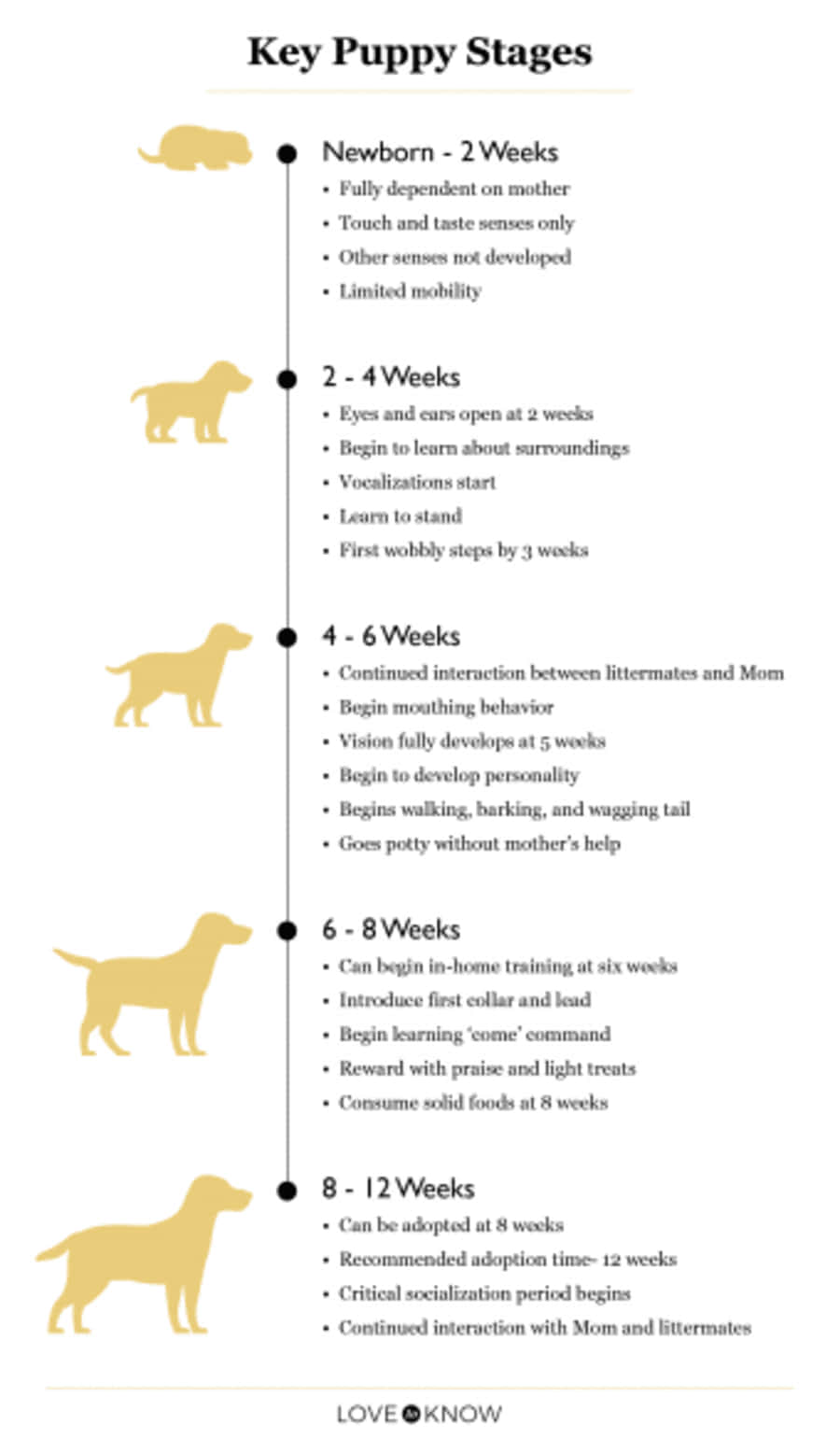
Herding breeds often display intense nipping at heels due to deeply embedded genetic instincts, whereas guarding lineages might show early wariness toward unfamiliar visitors. Toy breeds mature physically at a faster rate than giant breeds, yet their tiny bladders and delicate frames demand customized management strategies. Understanding the unique heritage of a specific canine companion sheds immense light on daily quirks and predispositions. Comprehensive breed profiles and temperament overviews are readily available for deeper study through specialized resources on Dog Breeds.
Professional veterinary or certified behavioral consultation becomes necessary when persistent aggression, severe fear, or sudden behavioral regression occurs.
While normal exploration includes boundary testing, intense fear reactions, unprovoked growling over food or toys, or prolonged panic when isolated require expert intervention. Punitive or dominance-based techniques must be strictly avoided, as these methods exacerbate anxiety and can escalate defensive reactivity. A certified professional or veterinary behaviorist will design a customized, fear-free modification plan tailored to the specific emotional state of the animal. Furthermore, sudden behavioral shifts can signal underlying medical discomfort, making a thorough physical examination by a licensed veterinarian the essential first step.
Guiding a growing canine through the adolescent months demands immense dedication, empathy, and consistency, but the rewards last a lifetime. By prioritizing structured socialization, positive reinforcement, and regular wellness checks, owners set the stage for a calm, confident adult dog. Continued learning is key to addressing each new developmental milestone with confidence and grace. Discover more expert resources, guides, and care tips across all topics by visiting PetsAnimalsWorld.com to ensure a thriving, joyful life for your beloved animal family members.




