Introduction
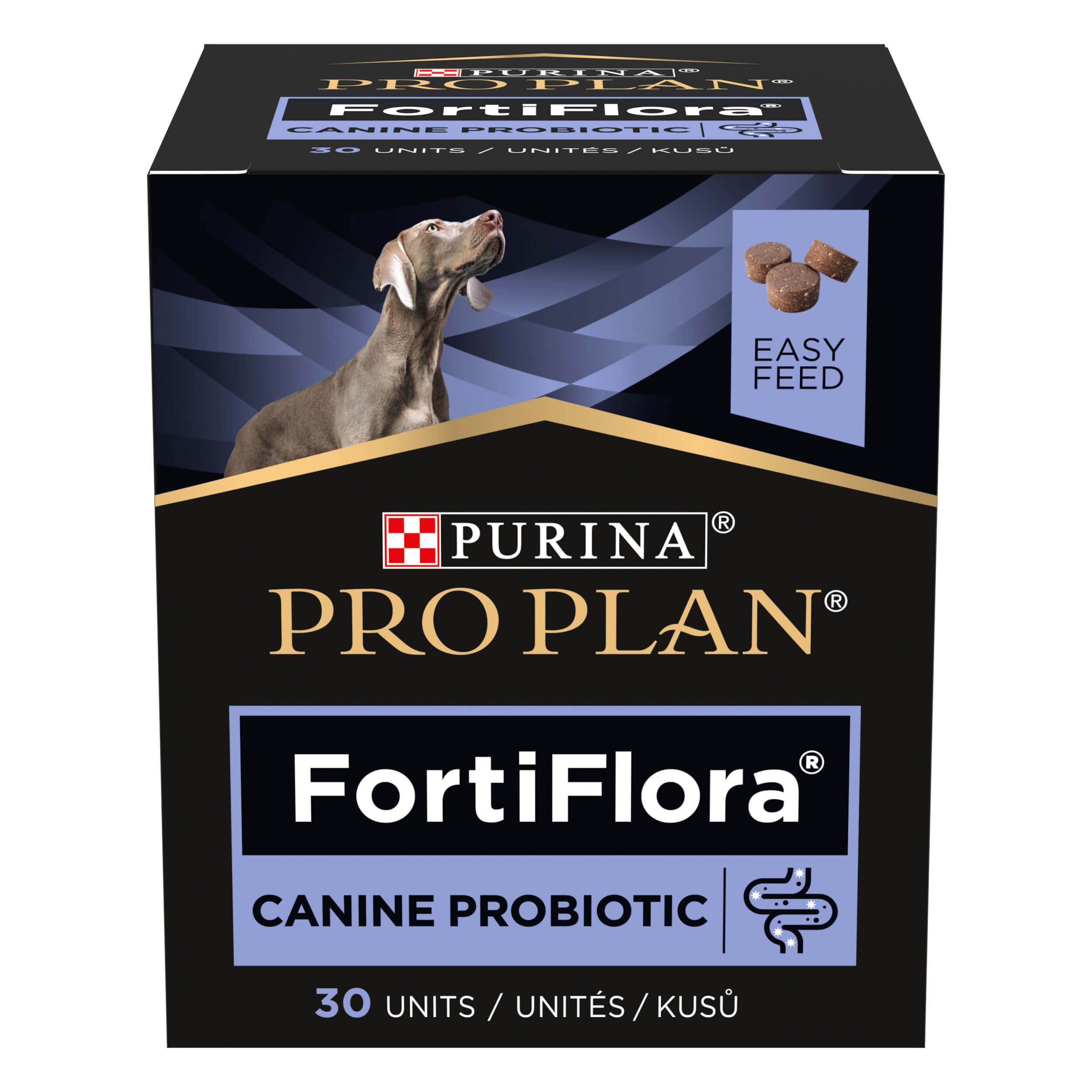
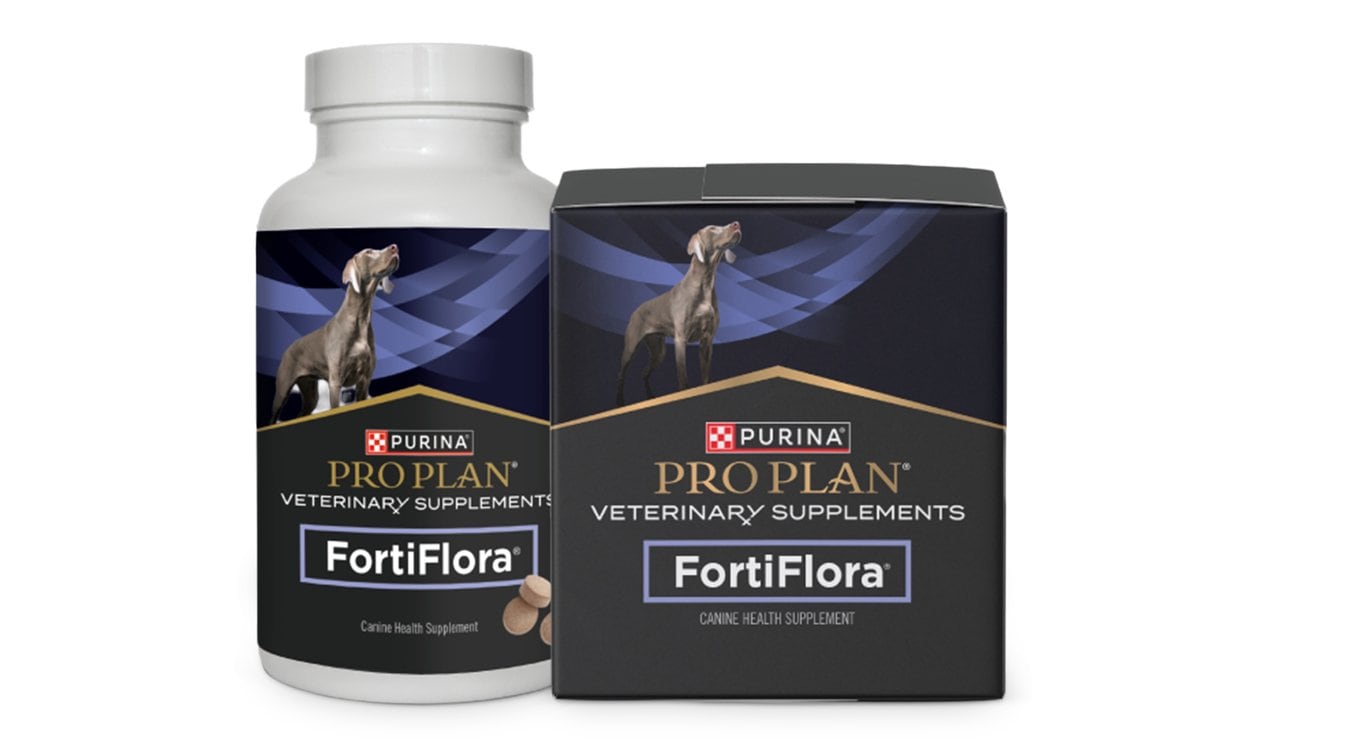
Maintaining optimal digestive health is paramount for a dog’s overall well-being. Just as in humans, a balanced gut microbiome plays a critical role in nutrient absorption, immune function, and even mood regulation in canines. When this delicate balance is disrupted, a range of issues can arise, affecting a dog’s comfort and vitality. Purina Pro Plan Veterinary Diets FortiFlora is a widely recognized probiotic supplement designed to support gastrointestinal health and balance in dogs. It is specifically formulated to help manage dietary imbalances, stress-related digestive upset, and the effects of antibiotic treatment, all of which can compromise a dog’s digestive system. Understanding the purpose and benefits of this specific veterinary diet product can significantly contribute to a dog’s health management, helping pet owners and enthusiasts proactively address potential digestive concerns and improve their companion’s quality of life. Explore more in our Dog Nutrition collection.
💡 Pet Care Key Takeaways:
- Core Focus: Practical health, nutrition, and wellness guidelines for Purina Pro Plan Veterinary Diets Fortiflora.
- Target Scope: Pet owners, animal caregivers, and veterinary support staff.
- Best Recommendation: Maintain consistent daily routines and consult an accredited veterinarian before introducing major diet or medical changes.
Common Causes and Key Factors
The need for digestive support like Purina Pro Plan Veterinary Diets FortiFlora often stems from several common scenarios that can disrupt a dog’s gut flora. One primary factor involves abrupt dietary changes. Shifting from one food to another too quickly can shock the digestive system, leading to imbalances in the gut microbiome. Similarly, environmental stressors such as moving to a new home, travel, boarding, or even visits to the veterinary clinic can induce stress-related digestive upset, manifesting as loose stools or changes in appetite. For more related activities, check out our Tibetan Mastiff Food Aggression.
Another significant cause is the administration of antibiotics. While essential for treating bacterial infections, antibiotics do not discriminate between harmful and beneficial bacteria, often leading to a depletion of healthy gut flora. This can result in antibiotic-associated diarrhea and other digestive issues. Furthermore, dogs experiencing general gastrointestinal upset, such as intermittent diarrhea or excessive flatulence from unknown causes, may benefit from probiotic supplementation to help re-establish a healthy gut environment. Puppies, with their developing immune and digestive systems, and senior dogs, whose systems may be less resilient, can also be more susceptible to imbalances and may require additional support to maintain robust gut health. Discover more free resources across our collection library.
Signs and Symptoms to Observe
Recognizing the signs that a dog’s digestive system may be compromised is crucial for timely intervention. The most obvious indicators relate to stool quality. Loose stools, diarrhea (ranging from soft to watery), or inconsistent bowel movements are common signs that digestive balance has been disrupted. An increase in the frequency of defecation or straining to defecate can also signal underlying gastrointestinal issues.
Beyond stool changes, pet owners should observe for other subtle signs. Excessive flatulence or gurgling sounds from the abdomen may indicate digestive discomfort. A decrease in appetite or reluctance to eat could also be a symptom, especially if accompanied by other gastrointestinal signs. Vomiting, though less directly linked to gut flora imbalance, can sometimes be a secondary symptom of significant digestive upset. Furthermore, a dull coat or dry, flaky skin, while not always directly indicative of gut issues, can occasionally be associated with poor nutrient absorption stemming from an unhealthy digestive tract. These signs can manifest differently depending on a dog’s age, breed, and overall health status, but any persistent change in digestive function warrants attention.
Practical Solutions and Management Strategies
Managing digestive issues and supporting gut health often involves a multi-faceted approach, with Purina Pro Plan Veterinary Diets FortiFlora playing a key role. This probiotic supplement is typically provided in convenient single-serving sachets, which can be easily sprinkled over a dog’s regular food once a day. Consistent daily administration, as directed by a veterinarian, is crucial for allowing the beneficial bacteria to establish and thrive in the intestinal tract. The palatable nature of the powder generally ensures good acceptance by most dogs.
Beyond supplementation, dietary management is fundamental. Feeding a consistent, high-quality, and easily digestible diet helps prevent digestive upset. When transitioning to a new food, a gradual introduction over several days to a week can prevent sudden gastrointestinal distress. Avoiding table scraps, human foods, and other inappropriate treats is also vital, as these can introduce foreign ingredients that upset a dog’s sensitive stomach. Ensuring constant access to fresh, clean water is also paramount, especially during periods of diarrhea, to prevent dehydration. Additionally, minimizing environmental stressors through consistent routines, providing a safe and calm living space, and ensuring adequate exercise and mental stimulation can contribute to overall well-being and reduce stress-related digestive issues.
When Professional Help May Be Needed
While Purina Pro Plan Veterinary Diets FortiFlora can be highly effective in managing common digestive upsets, there are situations where professional veterinary consultation becomes essential. If a dog’s digestive issues persist or worsen despite the use of probiotics, or if new, more severe symptoms emerge, veterinary attention is immediately required.
Specific alarming signs that necessitate prompt veterinary care include the presence of blood in the stool or vomit, severe or projectile vomiting, profuse watery diarrhea, or a complete loss of appetite lasting more than 24 hours. Dogs exhibiting extreme lethargy, weakness, signs of abdominal pain (such as a hunched posture or reluctance to be touched), or any indications of dehydration (such as sunken eyes, dry gums, or skin tenting) should be seen by a veterinarian without delay. These symptoms could point to more serious underlying conditions, such as parasitic infections, inflammatory bowel disease, organ dysfunction, or the ingestion of a foreign body, which require professional diagnosis and treatment beyond probiotic supplementation. Regular veterinary check-ups are also crucial for preventative care and early detection of potential health concerns.
Conclusion
Understanding and actively managing a dog’s digestive health is a cornerstone of responsible pet ownership. Purina Pro Plan Veterinary Diets FortiFlora stands as a valuable tool in supporting canine gut health, particularly during times of stress, dietary change, or antibiotic use. Its targeted probiotic formulation helps re-establish a healthy balance of beneficial bacteria, contributing to improved digestion, enhanced nutrient absorption, and a robust immune system. By being vigilant observers of a dog’s stool quality and overall demeanor, and by implementing practical strategies such as consistent dietary practices and stress reduction, pet owners can proactively support their companion’s well-being. However, awareness of when to seek professional veterinary help for persistent or severe symptoms remains critical. Prioritizing gut health through informed choices and consistent care significantly contributes to a dog’s comfort, vitality, and overall quality of life, aligning with the educational mission of petsanimalsworld.com to foster healthier, happier pets.
Pet Care & Wellness Overview Table
| Life Stage | Daily Activity Level | Key Nutrition / Care Focus |
|---|---|---|
| Puppy / Kitten | High (frequent short bursts) | High-protein growth diet & early socialization |
| Adult Companion | Moderate (30–60 mins daily) | Balanced maintenance nutrition & dental hygiene |
| Senior Pets | Low to Gentle (mindful walks) | Joint support (Glucosamine) & routine vet checks |
Images References