Understanding why resource guarding behavior demands immediate attention in large guardian breeds.
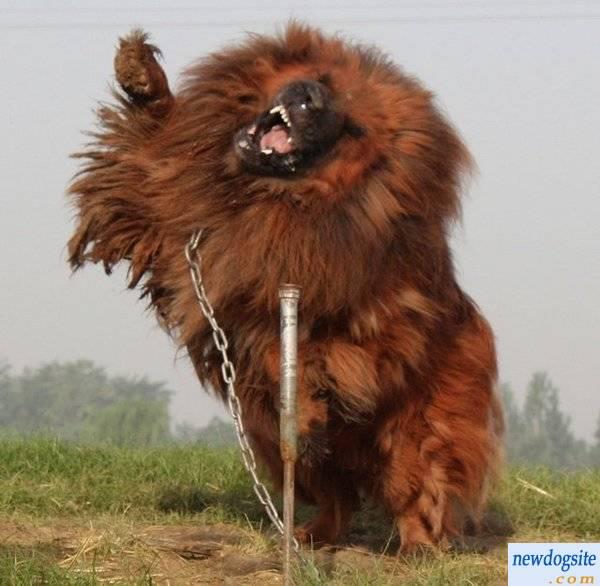
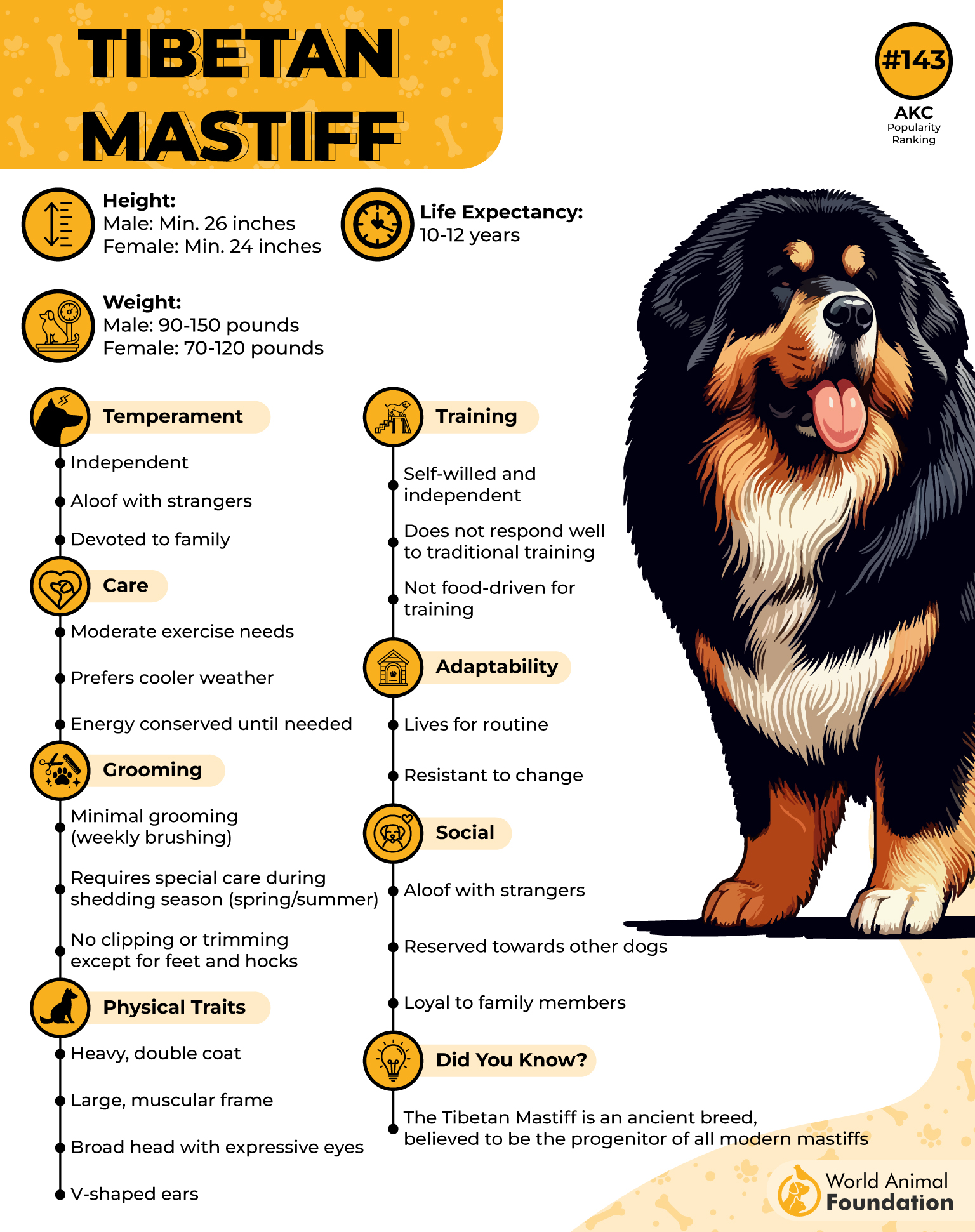
According to the American Society for Prevention of Cruelty to Animals, resource guarding—which includes growling, freezing, or snapping when a human or animal approaches a high-value item—is a natural canine instinct that can emerge in any breed if environmental triggers activate it. When dealing with Tibetan Mastiff food aggression, caretakers face an immense challenge due to the immense physical power and historic purpose of this ancient guardian breed. Originally bred in the Himalayas to protect livestock from formidable predators, these dogs developed a fierce, independent instinct to secure their resources without human intervention. Observing a towering, hundred-pound mastiff stiffen over an empty bowl reveals just how deeply ingrained this protective drive remains. Consequently, understanding the psychological and behavioral roots of this tension is vital for keeping multi-pet households and family members safe.
💡 Pet Care Key Takeaways:
- Core Focus: Practical health, nutrition, and wellness guidelines for Tibetan Mastiff Food Aggression.
- Target Scope: Pet owners, animal caregivers, and veterinary support staff.
- Best Recommendation: Maintain consistent daily routines and consult an accredited veterinarian before introducing major diet or medical changes.
Resource guarding in Tibetan Mastiffs is an instinctive protective behavior closely tied to their independent guardian heritage.
Tibetan mastiff food aggression refers to any defensive display exhibited by the dog when someone approaches, touches, or attempts to remove their meals, treats, or chews. Unlike smaller companion breeds where possessiveness might look like mild posturing, a mature Tibetan Mastiff possesses enough jaw pressure and sheer mass to turn a minor defensive reaction into a severe household hazard. This behavior is fundamentally rooted in fear, insecurity, or a deeply hardwired instinct that food equals survival. In professional practice, watching a massive guardian breed track every movement across a room during feeding time demonstrates how high their alertness naturally runs. Recognizing that this reaction comes from a place of instinct rather than spite allows caregivers to approach the issue with empathy and structured safety protocols.
Failing to manage resource guarding correctly can lead to escalating danger, household stress, and compromised canine welfare.
Unchecked food aggression creates a volatile environment where sudden movements can trigger explosive defensive strikes from the dog. When caretakers rely on punishment, yelling, or physical confrontation to stop the behavior, they inadvertently confirm the dog’s worst fears: that humans approach food only to steal it or cause harm. This breakdown in trust escalates the defensive response over time, making future meals a source of extreme anxiety for both human and animal. Proper guidance on Dog Behavior emphasizes that long-term management requires lowering the animal’s stress baseline rather than trying to dominate them. Through systematic desensitization, owners can transform feeding times from high-stress gauntlets into peaceful, predictable routines.
Canine behavioral research indicates that punitive measures applied to resource guarding often worsen aggression by increasing the animal’s underlying fear and anxiety — American Society for the Prevention of Cruelty to Animals
Implementing counter-conditioning protocols and management strategies helps safely modify guardian breed behaviors.
Counter-conditioning involves changing the dog’s emotional response to a human approaching their bowl by pairing that approach with something even better, such as a high-value piece of meat tossed from a safe distance. Instead of walking up and taking the food away—which triggers panic—the handler teaches the dog that human proximity predicts abundance rather than scarcity. Safe management also means feeding the dog in a quiet, secluded crate or separate room where no family members or other pets can accidentally trigger a defensive reaction. Exploring resources within Dog Training can provide further structural techniques tailored to powerful working lineages.
Avoiding common pitfalls like punishment while establishing clear, consistent boundaries during mealtimes.
A major mistake many owners make is attempting to manually take away a coveted bone to “show dominance,” which frequently results in severe bites. Another error involves hovering anxiously around the dog while they eat, keeping the animal in a perpetual state of heightened hyper-vigilance. Effective management requires a calm, neutral demeanor paired with strict environmental control so that rehearsal of the aggressive behavior simply cannot happen. Establishing these boundaries early prevents entrenched habits from forming during adolescence. Furthermore, consulting Dog Care guidelines ensures that daily feeding schedules remain consistent and stress-free.
Consistent positive reinforcement paired with environmental management remains the gold standard for reducing canine resource guarding without elevating stress hormones — American Kennel Club
The Tibetan Mastiff is a formidable animal characterized by a profound sense of independence, loyalty, and territorial vigilance. These traits emerge strongly during late puppyhood and social maturity, which can span up to three years of age in giant breeds. During these developmental windows, a young mastiff may suddenly begin testing boundaries around high-value items, testing the limits of its environment. Historical lineage plays a massive role here, as these dogs were selected to make autonomous decisions regarding threat management. Readers interested in the broader context of the lineage can explore Dog Breeds to understand how ancient working purposes continue to shape modern household dynamics.
Consulting a certified veterinary behaviorist is crucial when dealing with severe guardian breed aggression.
Any escalation toward biting, hard snapping, or unprovoked guarding away from the immediate feeding area warrants immediate professional intervention from a qualified expert. Veterinarians must first run comprehensive diagnostics to rule out underlying medical issues, pain, or nutritional deficiencies that might be causing sudden behavioral changes. Certified animal behaviorists can then design customized, science-backed behavior modification plans that prioritize safety above all else. Reviewing Dog Health protocols helps ensure that physical well-being is never overlooked as a contributing factor to sudden behavioral shifts.
Cultivating a harmonious household with a powerful guardian breed requires patience, consistency, and expert guidance.
Addressing complex behavioral challenges in majestic guardian dogs is a journey that demands unwavering commitment from everyone in the home. By prioritizing safety, eliminating punitive tactics, and working alongside qualified professionals, caretakers can successfully navigate these intensive behavioral hurdles. Ensuring the physical and emotional well-being of such a magnificent animal fosters a deep bond built on mutual trust and respect. Visit PetsAnimalsWorld.com today to discover more expert-backed articles, training insights, and resources designed to help thrive alongside beloved animal companions.
Pet Care & Wellness Overview Table
| Life Stage | Daily Activity Level | Key Nutrition / Care Focus |
|---|---|---|
| Puppy / Kitten | High (frequent short bursts) | High-protein growth diet & early socialization |
| Adult Companion | Moderate (30–60 mins daily) | Balanced maintenance nutrition & dental hygiene |
| Senior Pets | Low to Gentle (mindful walks) | Joint support (Glucosamine) & routine vet checks |
Images References