

Introduction
Understanding canine nutrition is fundamental to ensuring a dog’s long-term health and vitality. Among the essential macronutrients, protein plays a particularly critical role in nearly every bodily function. While a balanced commercial dog food typically provides adequate protein, there are specific circumstances where additional protein intake, in the form of protein supplements for dogs, can offer significant benefits. These supplements are designed to augment a dog’s regular diet, providing concentrated protein to support muscle development, energy levels, immune function, and overall physical integrity. Recognising when and why such supplementation might be considered, always under professional guidance, empowers dog owners to make informed decisions that can profoundly impact a dogs well-being and quality of life.
💡 Pet Care Key Takeaways:
- Core Focus: Practical health, nutrition, and wellness guidelines for Protein Supplements For Dogs.
- Target Scope: Pet owners, animal caregivers, and veterinary support staff.
- Best Recommendation: Maintain consistent daily routines and consult an accredited veterinarian before introducing major diet or medical changes.
Common Causes and Key Factors
The decision to introduce protein supplements for dogs is often driven by a dog’s lifestyle, age, health status, or specific dietary needs. Several key factors contribute to a dog’s protein requirements exceeding what a standard diet might provide. For more related activities, check out our Purina One Xxl 10Kg Feeding Guide 20Kg Dog.
Firstly, highly active dogs, such as working dogs, canine athletes involved in agility or flyball, or those with extensive daily exercise routines, naturally have higher energy and muscle repair needs. Increased physical exertion necessitates more protein to rebuild and maintain muscle tissue, preventing breakdown and supporting stamina.
Age also plays a significant role. Growing puppies require substantial protein for rapid development of bones, muscles, and organs. Conversely, senior dogs often experience sarcopenia, an age-related loss of muscle mass. Protein supplementation can help mitigate this muscle wasting, supporting mobility and strength as dogs age.
Furthermore, dogs recovering from injury, surgery, or illness may benefit from additional protein. During periods of healing or convalescence, the body’s demand for protein increases to repair tissues, strengthen the immune system, and regain lost strength. Certain medical conditions, which might impact nutrient absorption or increase metabolic demand, also lead to elevated protein requirements, though this always requires strict veterinary oversight.
Dietary considerations are another factor. While high-quality commercial foods are formulated to be complete and balanced, some dogs on specific therapeutic diets or home-prepared meals (without expert formulation) might have protein gaps. In such cases, professional dietary analysis can determine if a protein supplement is necessary to ensure nutritional adequacy.
Signs and Symptoms to Observe
Observing a dog’s physical condition and behavior provides valuable clues regarding its nutritional status, including potential protein deficiencies. While these signs can indicate various health issues, they warrant investigation and, often, a veterinary consultation.
One of the most apparent indicators of insufficient protein intake is muscle wasting. This can manifest as a noticeable loss of bulk, especially over the hips, spine, and ribs, making bones more prominent. A dog might appear thinner or weaker, even if consuming adequate calories.
The quality of a dog’s coat and skin can also deteriorate. A dull, brittle coat, excessive shedding, or slow wound healing are common signs, as protein is vital for healthy hair growth and skin cell regeneration. Similarly, weak or brittle nails may be observed.
Behaviorally, a dog might exhibit low energy levels, lethargy, or a reduced desire to play or exercise. This decrease in stamina can be attributed to the body lacking the necessary building blocks for energy production and muscle function. In puppies, a protein deficiency might lead to stunted growth or a failure to thrive compared to littermates.
In some instances, a dog might develop a poor appetite or even engage in pica (eating non-food items), which can sometimes be linked to nutrient deficiencies as the body attempts to obtain missing elements. Any of these observations should prompt a thorough discussion with a veterinary professional to determine the underlying cause and appropriate course of action.
Practical Solutions and Management Strategies
When considering protein supplements for dogs, a structured and informed approach is essential. The first and most crucial step involves a comprehensive consultation with a veterinarian. This ensures that any observed symptoms are correctly diagnosed and that supplementation is truly warranted and safe for the individual dog.
Initially, evaluating the dog’s current diet is paramount. A high-quality, complete, and balanced commercial dog food should be the foundation of a dogs nutrition. If the existing diet is found to be deficient or unsuitable, adjusting the primary food source might be the initial, and sometimes only, necessary change.
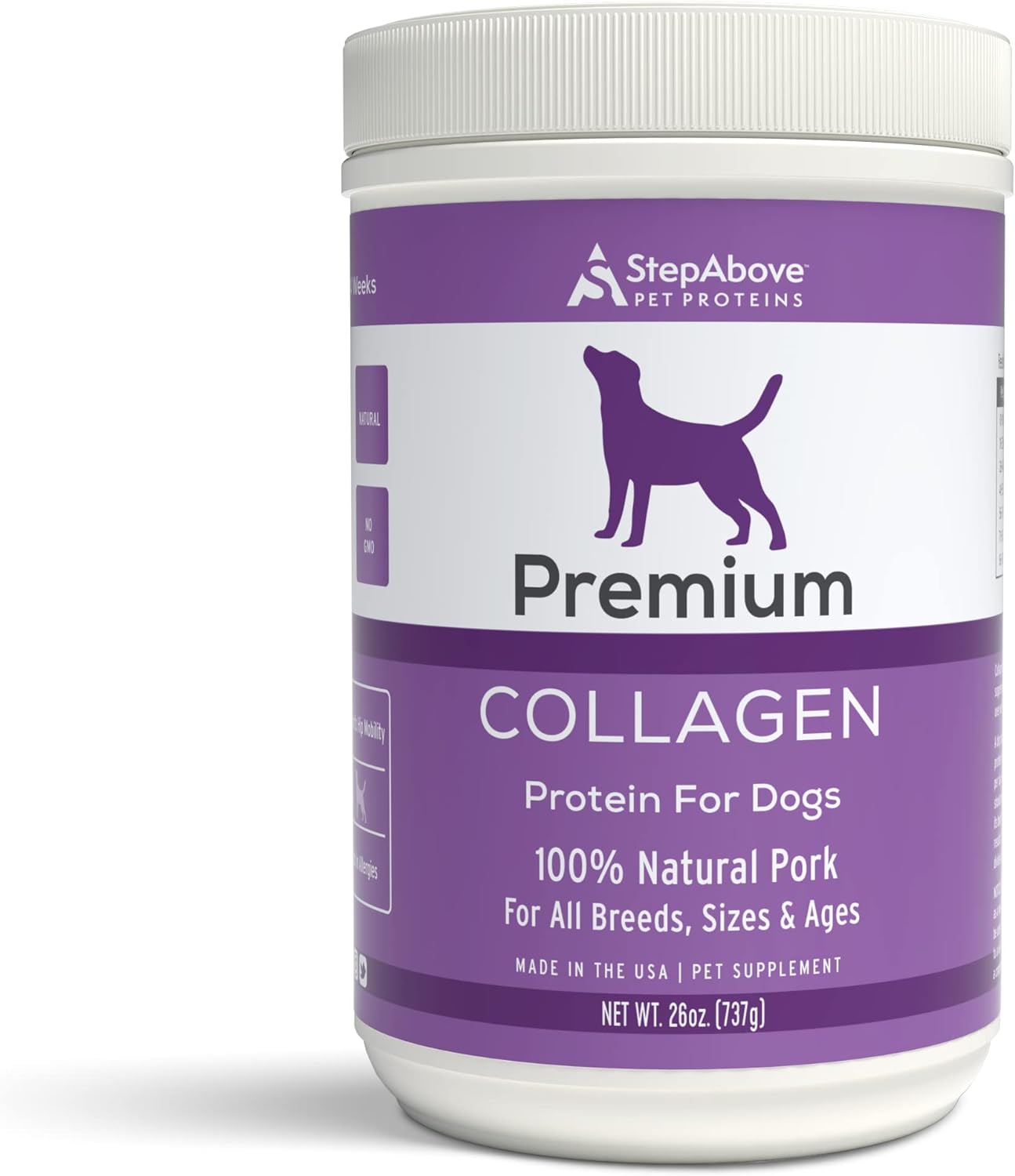
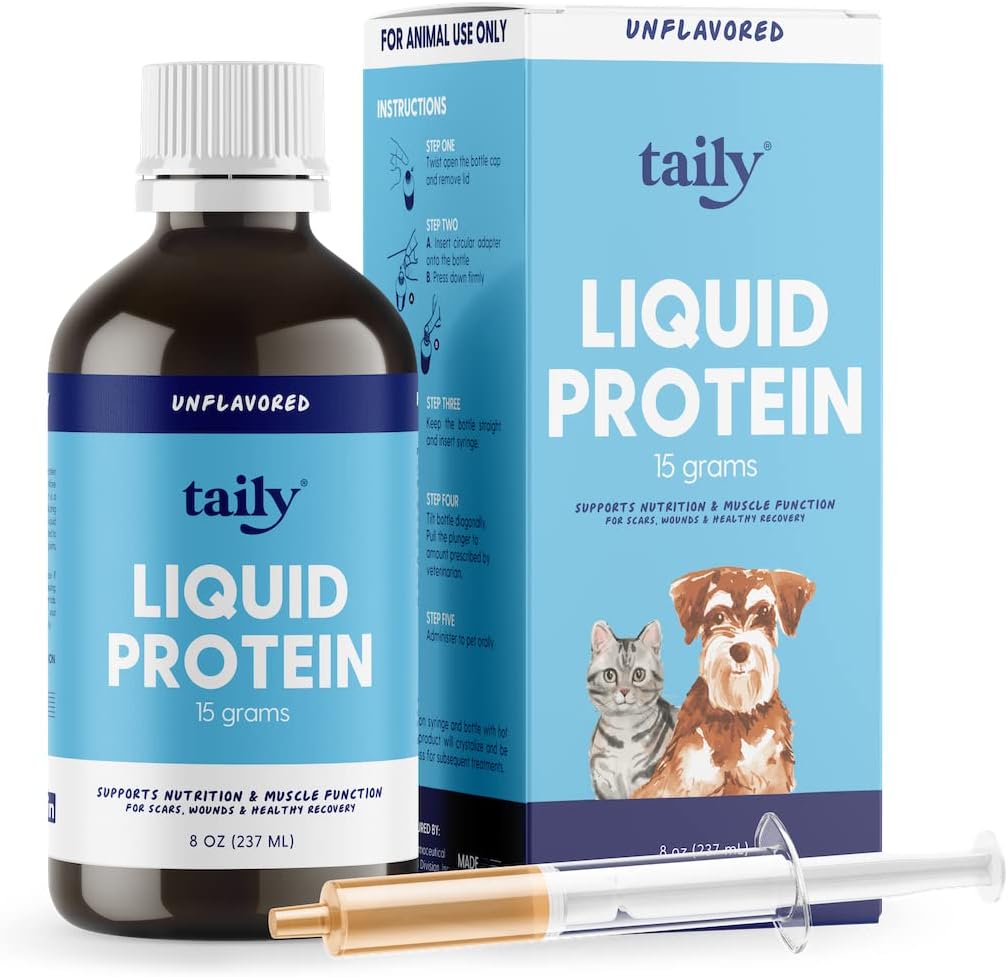
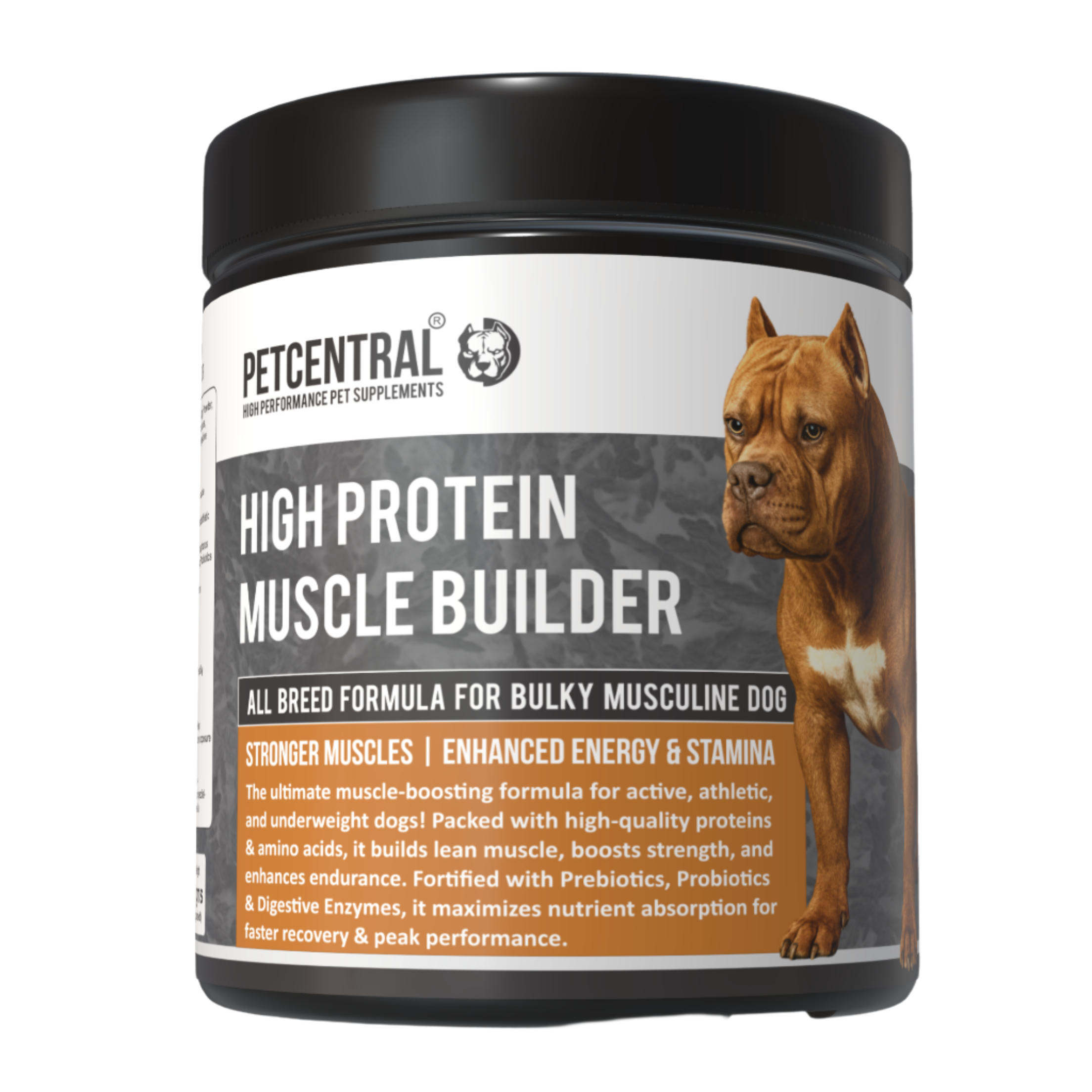
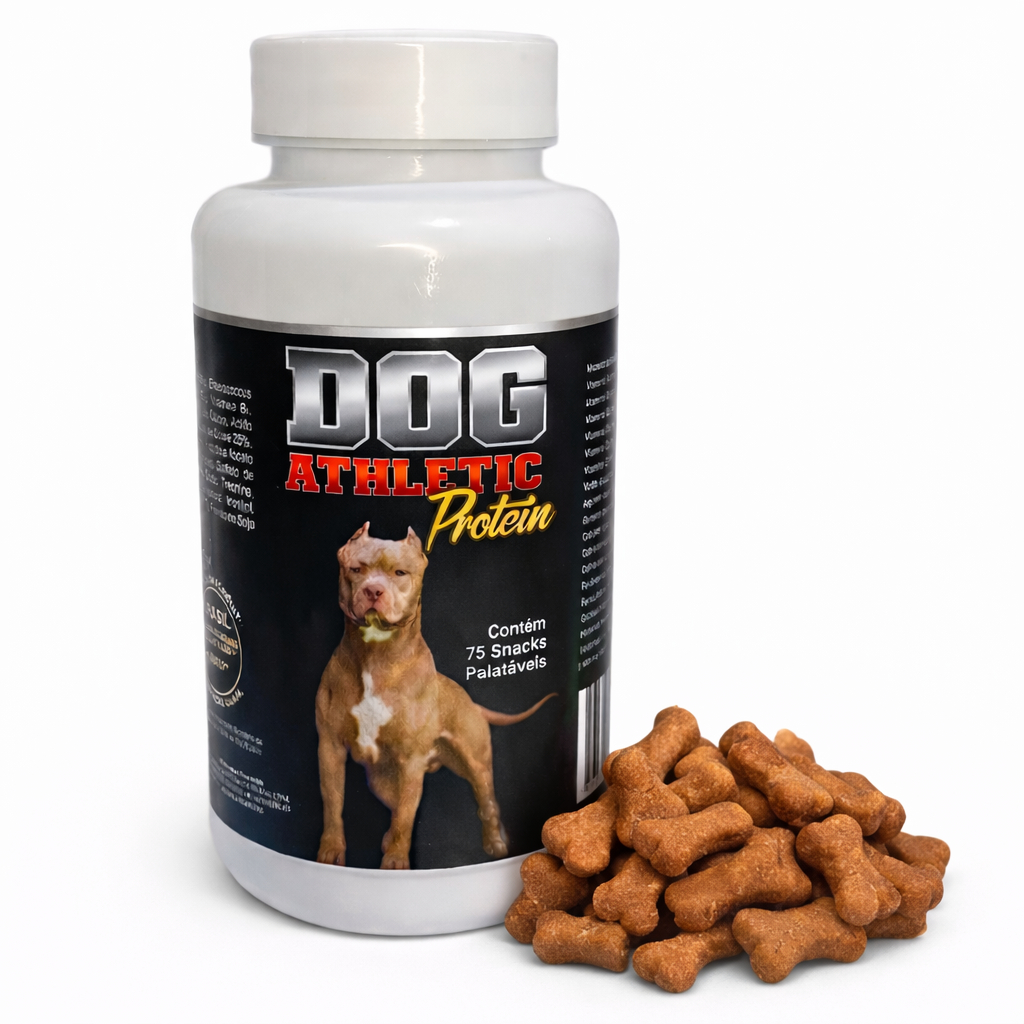
If a supplement is recommended, selecting the appropriate type of protein supplement for dogs is critical. Supplements come in various forms, including powders, chews, and meal toppers, derived from sources like whey, casein, collagen, egg, or plant-based proteins such as pea protein. The choice depends on the dog’s specific needs, dietary sensitivities, and palatability. High-quality supplements will list their ingredients clearly, indicating the source and concentration of protein.
Administering the correct dosage is equally important. It is imperative to follow both the product’s guidelines and, more importantly, the specific recommendations provided by a veterinarian. Starting with a lower dose and gradually increasing it while monitoring the dog for any adverse reactions, such as digestive upset, can be a prudent strategy.
Integrating supplements into a dog’s diet should be done carefully to avoid disrupting appetite or causing digestive issues. Mixing powders with wet food, broth, or a small amount of water can help with palatability and absorption. Regular monitoring of the dogs physical condition, energy levels, and coat quality will help assess the efficacy of the supplementation. This holistic approach, combining appropriate diet adjustments, responsible supplementation, and consistent veterinary oversight, supports optimal canine health.
When Professional Help May Be Needed
The decision to provide protein supplements for dogs should never be made without professional input. Veterinary consultation is absolutely necessary before introducing any supplement into a dog’s diet. A veterinarian can accurately diagnose underlying health issues that might mimic nutritional deficiencies and can provide tailored advice based on the dog’s breed, age, activity level, and specific medical history.
Professional help is also essential if a dog exhibits persistent symptoms of muscle loss, poor coat quality, or lethargy, even after dietary adjustments have been made. These signs can be indicative of more serious health conditions, such as kidney disease, liver dysfunction, or malabsorption issues, which require a medical diagnosis and specific veterinary treatment plan, rather than just supplementation.
Furthermore, if a dog experiences any adverse reactions after starting a protein supplement, such as digestive upset (vomiting, diarrhea), skin irritations, or changes in behavior, immediate veterinary attention is warranted. These could indicate an intolerance, allergy, or an inappropriate dosage.
For owners considering a homemade diet, consulting a board-certified veterinary nutritionist is critical. Crafting a nutritionally complete and balanced homemade diet for dogs is complex and often requires precise protein calculations and the addition of specific supplements to prevent deficiencies or excesses. Relying solely on anecdotal information for such diets can have severe health consequences.
Conclusion
Protein stands as an indispensable nutrient for dogs, playing a vital role in muscle maintenance, energy production, immune system strength, and the overall integrity of their bodies. While a high-quality, balanced diet typically meets a dog’s protein needs, specific scenariossuch as intense activity, senior age, recovery from illness, or certain dietary deficienciesmay warrant the consideration of protein supplements for dogs.
Recognising the signs of potential protein insufficiency, from muscle wasting to a dull coat or reduced energy, allows dog owners to act proactively. However, the responsible use of supplements hinges entirely on professional veterinary guidance. A veterinarian can accurately assess a dog’s individual requirements, rule out underlying medical conditions, and recommend the most appropriate type and dosage of supplement, if needed. By prioritising expert advice and combining it with diligent observation and consistent, informed care, dog owners can ensure their beloved companions receive optimal nutrition, contributing significantly to their long-term health and vibrant quality of life.
Pet Care & Wellness Overview Table
| Life Stage | Daily Activity Level | Key Nutrition / Care Focus |
|---|---|---|
| Puppy / Kitten | High (frequent short bursts) | High-protein growth diet & early socialization |
| Adult Companion | Moderate (30–60 mins daily) | Balanced maintenance nutrition & dental hygiene |
| Senior Pets | Low to Gentle (mindful walks) | Joint support (Glucosamine) & routine vet checks |
Images References


For more expert pet care tips and advice, check out our dedicated Dog Nutrition guides to keep your companions healthy and happy.




