Introduction
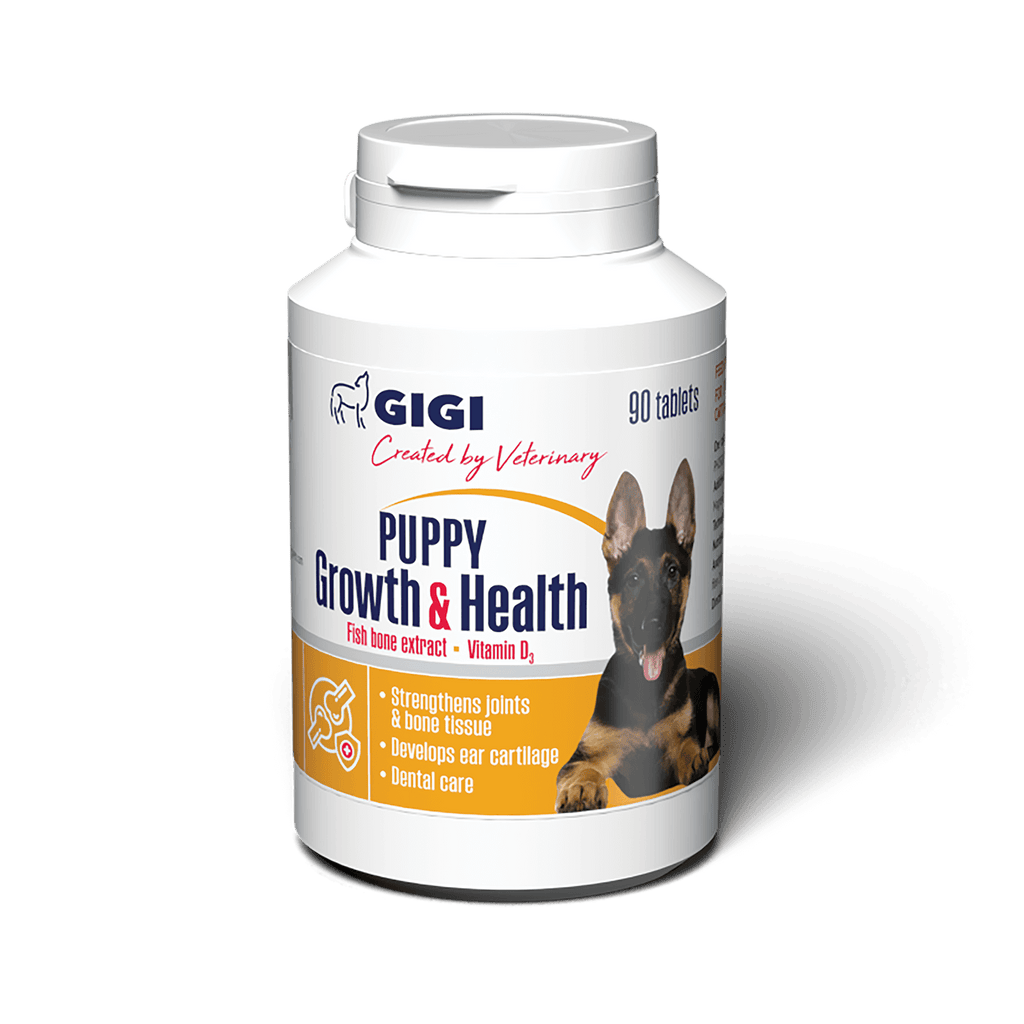
The journey of raising a puppy is filled with joy, discovery, and a significant responsibility to ensure optimal health and development. A common area of inquiry for many new dog owners revolves around puppy vitamins and supplements. This topic addresses the additional nutritional support that may or may not be beneficial for growing canines. Understanding when and why these products might be considered, or more often, when they are unnecessary, is crucial for a puppy’s well-being. A well-informed approach to a puppy’s diet and potential supplementation can significantly impact its long-term health, physical development, and overall quality of life. Dispelling myths and providing clear, evidence-based guidance helps owners make the best choices for their young companions. Explore more in our Dog Nutrition collection.
💡 Pet Care Key Takeaways:
- Core Focus: Practical health, nutrition, and wellness guidelines for Puppy Vitamins And Supplements.
- Target Scope: Pet owners, animal caregivers, and veterinary support staff.
- Best Recommendation: Maintain consistent daily routines and consult an accredited veterinarian before introducing major diet or medical changes.
Common Causes and Key Factors
The discussion surrounding puppy vitamins and supplements often arises from several key factors, ranging from genuine nutritional needs to common misconceptions. Primarily, the rapid growth phase of a puppy demands specific and abundant nutrients. High-quality commercial puppy foods are meticulously formulated to meet these intense requirements, providing a balanced spectrum of vitamins, minerals, proteins, and fats. Therefore, a puppy on a complete and balanced commercial diet typically does not require additional supplementation. For more related activities, check out our Pitbullnutrition.
However, certain situations might prompt consideration of these products. Puppies fed unbalanced homemade diets, for instance, are at a higher risk of nutritional deficiencies, making veterinary-guided supplementation essential. Specific health conditions, such as malabsorption issues, chronic illness, or recovery from severe injury, can also deplete nutrient reserves, necessitating targeted support. Large and giant breed puppies sometimes attract attention for joint health supplements due to their rapid growth rate, though this is a complex area requiring professional guidance. Lastly, owner enthusiasm and a desire to provide “extra” support, often fueled by marketing claims, can lead to the unnecessary introduction of puppy vitamins and supplements, potentially causing more harm than good. Discover more free resources across our collection library.
Signs and Symptoms to Observe
Observing a puppy for signs related to nutritional status, whether deficiency or excess from puppy vitamins and supplements, is an important aspect of responsible care. Signs of a potential deficiency can manifest as dull or brittle fur, lethargy, poor growth rate compared to littermates or breed standards, skeletal abnormalities such as bowed legs or enlarged joints, poor appetite, or recurrent infections due to a compromised immune system. These indicators may vary based on the specific nutrient lacking and the puppy’s age and breed.
Conversely, the over-supplementation of certain vitamins and minerals can also lead to adverse effects. Excessive intake of fat-soluble vitamins (A, D, E, K) can build up to toxic levels, causing symptoms such as bone deformities, organ damage, and neurological issues. Mineral excesses, like calcium, can contribute to developmental orthopedic diseases in growing large breed puppies. Digestive upset, including vomiting or diarrhea, can also be a general sign of an unsuitable diet or supplement regimen. It is important to remember that these symptoms are non-specific and can be indicative of numerous health problems, necessitating prompt veterinary evaluation.
Practical Solutions and Management Strategies
The most fundamental and effective strategy for ensuring a puppy’s optimal nutrition is providing a high-quality, age-appropriate commercial puppy food. These diets are specifically formulated to deliver all necessary nutrients in the correct ratios for healthy growth and development, negating the need for routine puppy vitamins and supplements. Always select a brand that meets or exceeds the nutritional standards set by organizations such as the Association of American Feed Control Officials (AAFCO).
For owners considering a homemade diet for their puppy, professional veterinary nutritionist consultation is non-negotiable. Crafting a balanced diet from scratch without expert guidance almost invariably leads to severe nutritional imbalances, requiring careful supplementation plans. When specific issues arise, such as a dull coat or digestive sensitivities, targeted interventions can be explored with veterinary approval. Omega-3 fatty acids, for instance, might be recommended for skin and coat health, while probiotics could support gut flora following antibiotic treatment or digestive upset. However, these are always implemented after a clear need has been identified by a veterinary professional, and dosage is meticulously controlled. Responsible management means avoiding the “more is better” mentality and understanding that exceeding nutrient requirements can be as detrimental as deficiencies.
When Professional Help May Be Needed
Determining when professional veterinary assistance is necessary regarding puppy vitamins and supplements is a critical aspect of responsible pet ownership. A veterinary consultation is always recommended before introducing any supplement to a puppy’s diet, regardless of the perceived need. This applies whether the concern is a potential deficiency, a desire to enhance health, or the consideration of a homemade diet. A veterinarian can accurately assess the puppy’s overall health, current diet, breed-specific predispositions, and growth trajectory to determine if any nutritional gaps exist or if supplementation could be harmful.
Immediate professional attention is warranted if a puppy exhibits any of the signs of deficiency or toxicity described earlier, such as stunted growth, chronic lethargy, persistent digestive issues, lameness, or visible skeletal deformities. These symptoms could indicate serious underlying health conditions or severe nutritional imbalances that require diagnostic testing and a customized treatment plan. Relying on anecdotal advice or self-diagnosis regarding puppy vitamins and supplements can have grave consequences for a developing animal.
Conclusion
The topic of puppy vitamins and supplements is one that requires careful consideration and a well-informed approach. For the vast majority of puppies consuming a high-quality, complete, and balanced commercial diet, additional vitamins and supplements are not only unnecessary but can potentially be harmful. Over-supplementation, particularly of fat-soluble vitamins and certain minerals, can lead to serious health issues, underscoring the principle that “more” does not always equate to “better.” Awareness of a puppy’s specific nutritional needs, coupled with astute observation of its health and behavior, forms the cornerstone of effective care. Any decision regarding supplementation should always be made in close consultation with a qualified veterinary professional, ensuring that any intervention is both safe and genuinely beneficial. Prioritizing proper nutrition and seeking expert guidance ensures a puppy receives the best possible start in life, aligning perfectly with the educational mission of petsanimalsworld.com.
Pet Care & Wellness Overview Table
| Life Stage | Daily Activity Level | Key Nutrition / Care Focus |
|---|---|---|
| Puppy / Kitten | High (frequent short bursts) | High-protein growth diet & early socialization |
| Adult Companion | Moderate (30–60 mins daily) | Balanced maintenance nutrition & dental hygiene |
| Senior Pets | Low to Gentle (mindful walks) | Joint support (Glucosamine) & routine vet checks |
Images References